




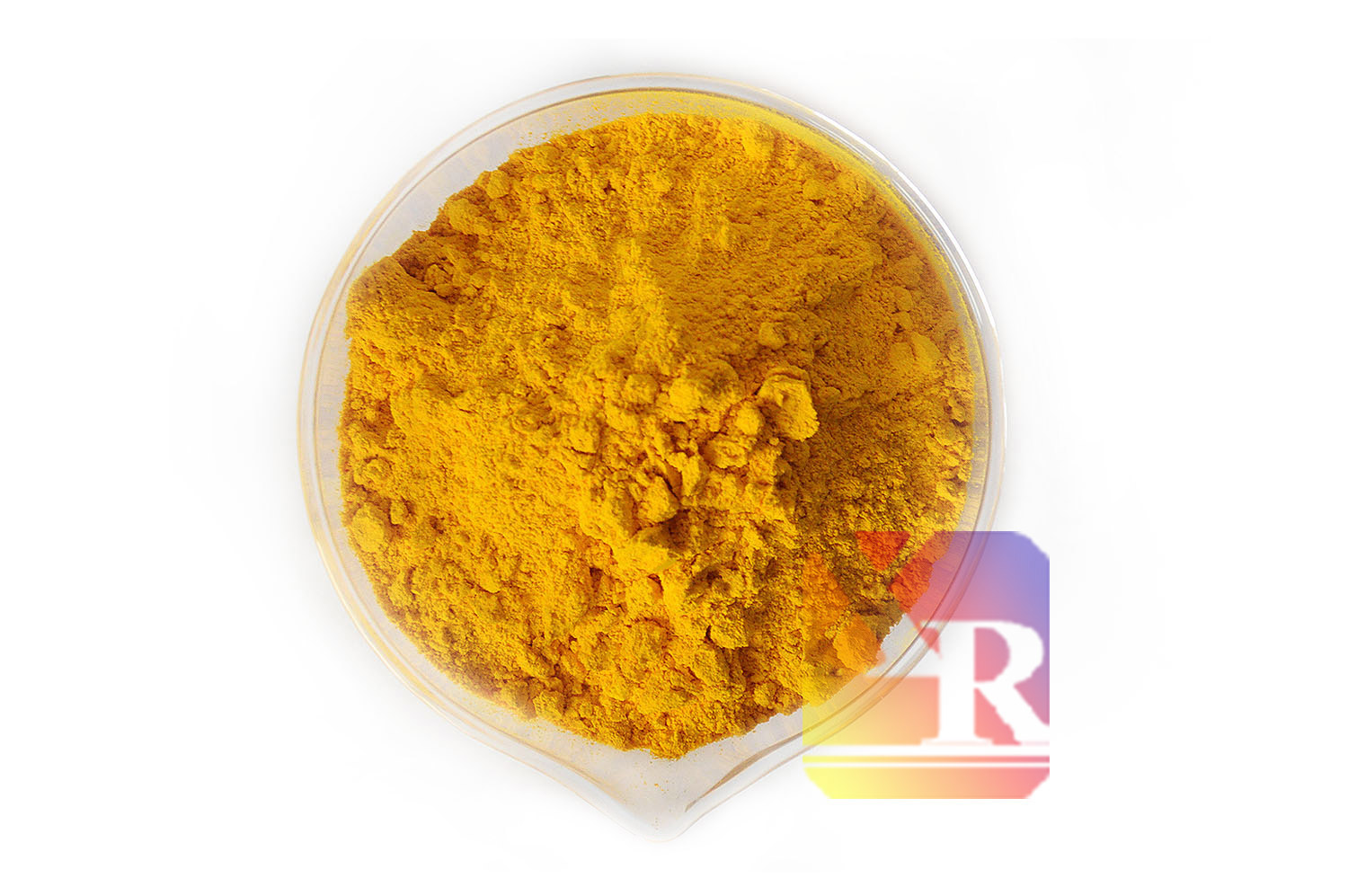
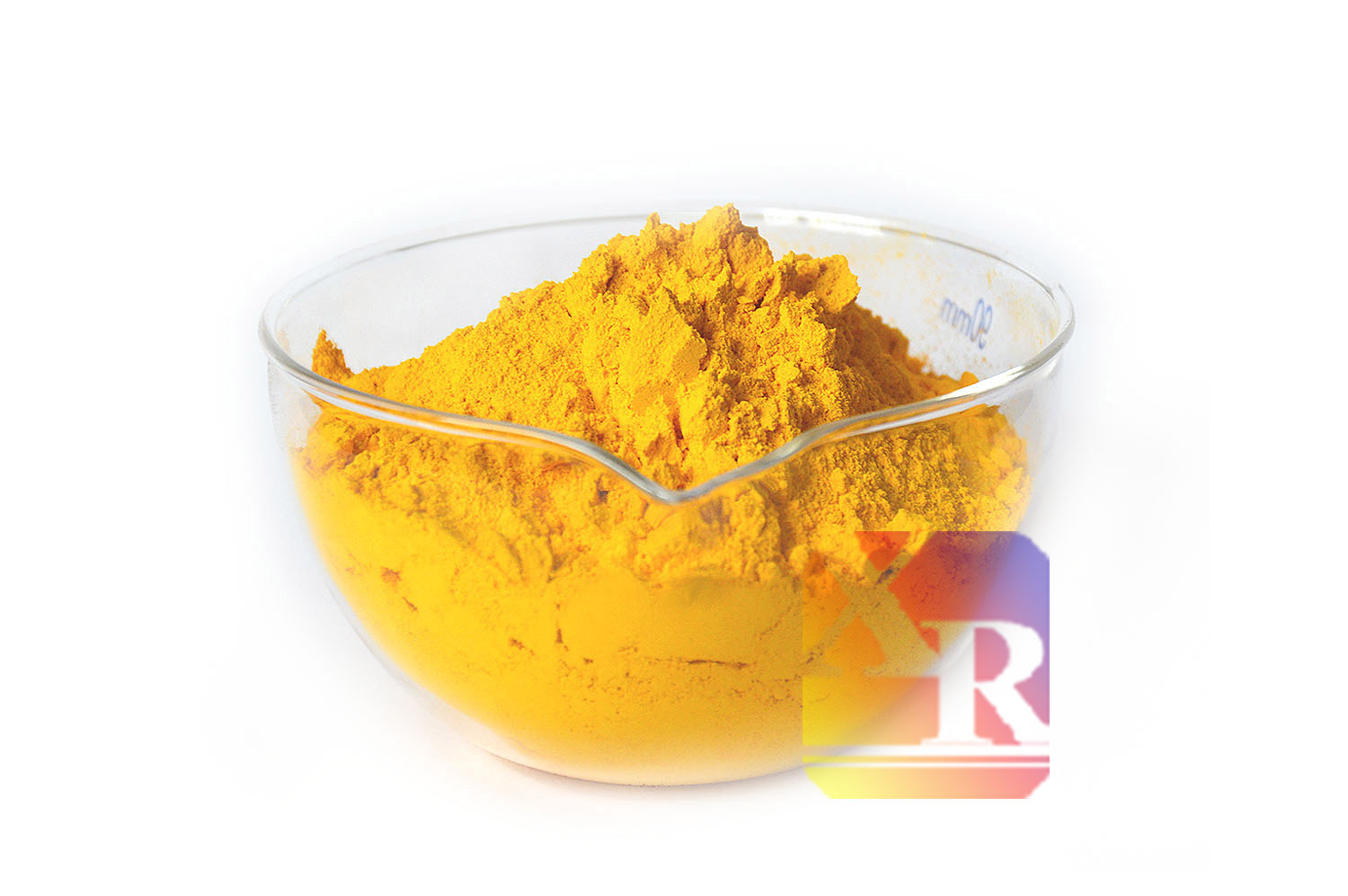
Acid Dye Acid Light Yellow 2G Acid Yellow 17
Basic Information
Product Name: Acid Light Yellow 2G/Acid Yellow 17
C.I. No.: Acid Yellow 17
CAS No.: 6359-98-4
Chemical Formula: C16H10Cl2N4Na2O7S2
Molecular Weight: 551.289
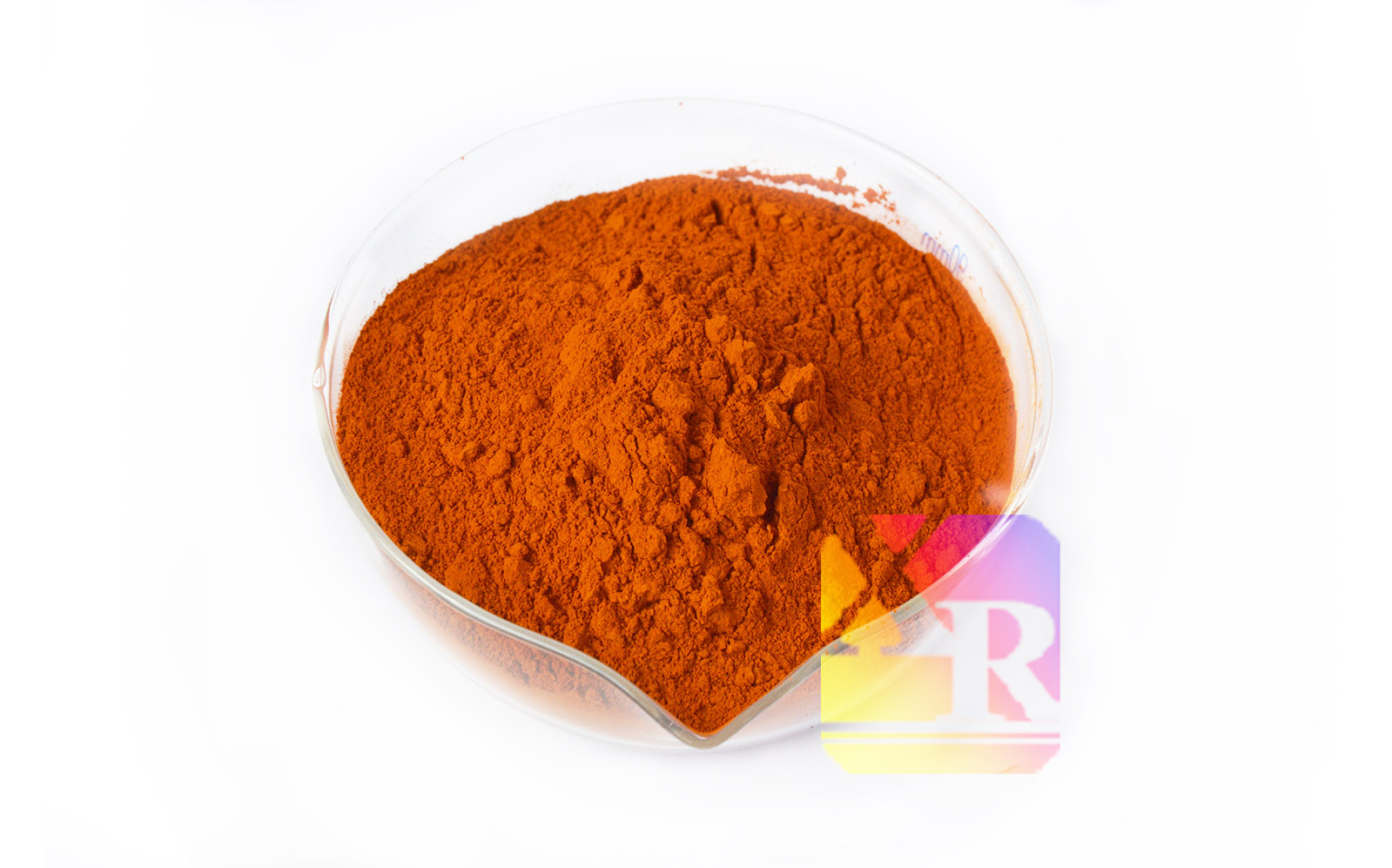
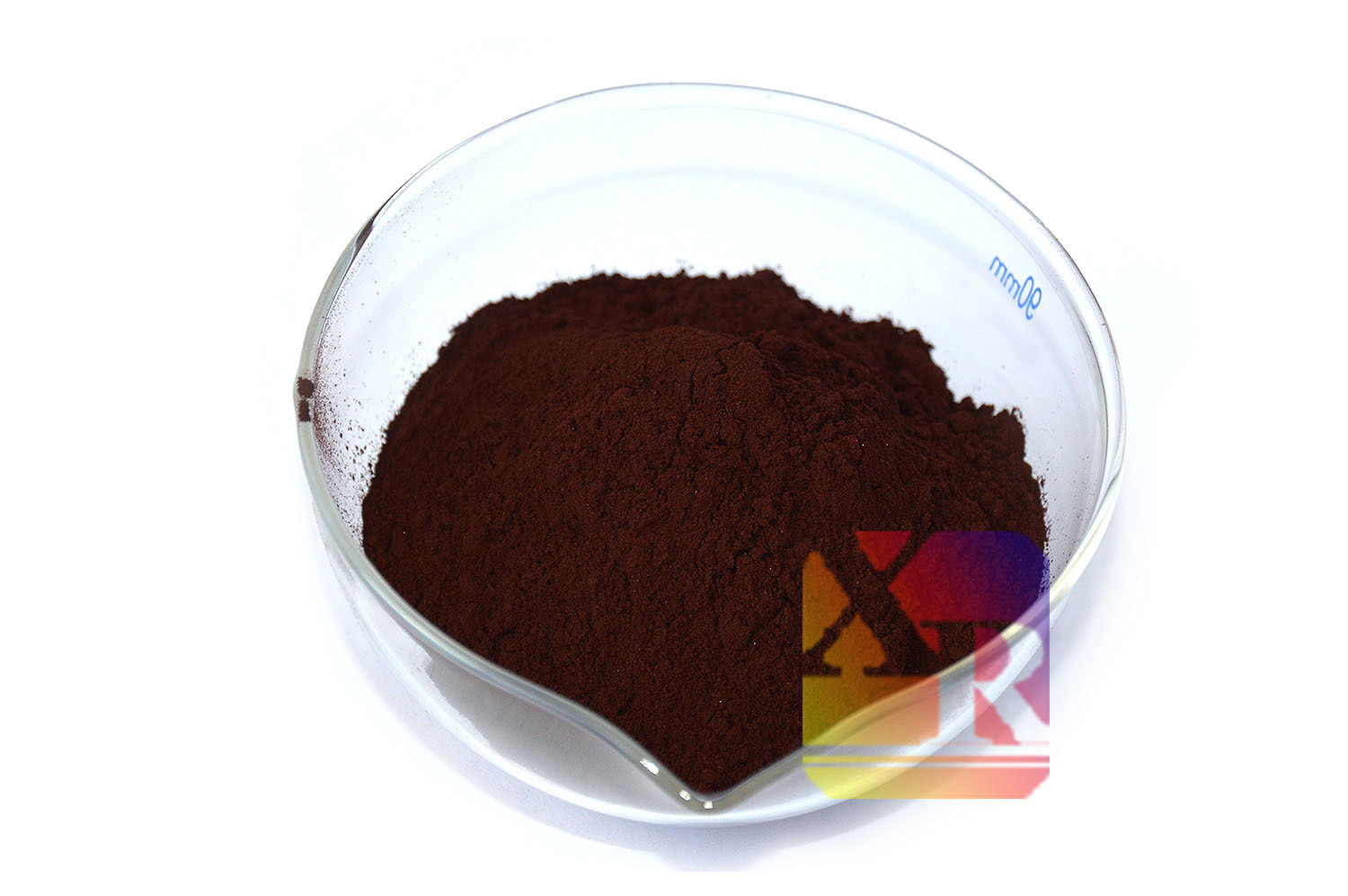
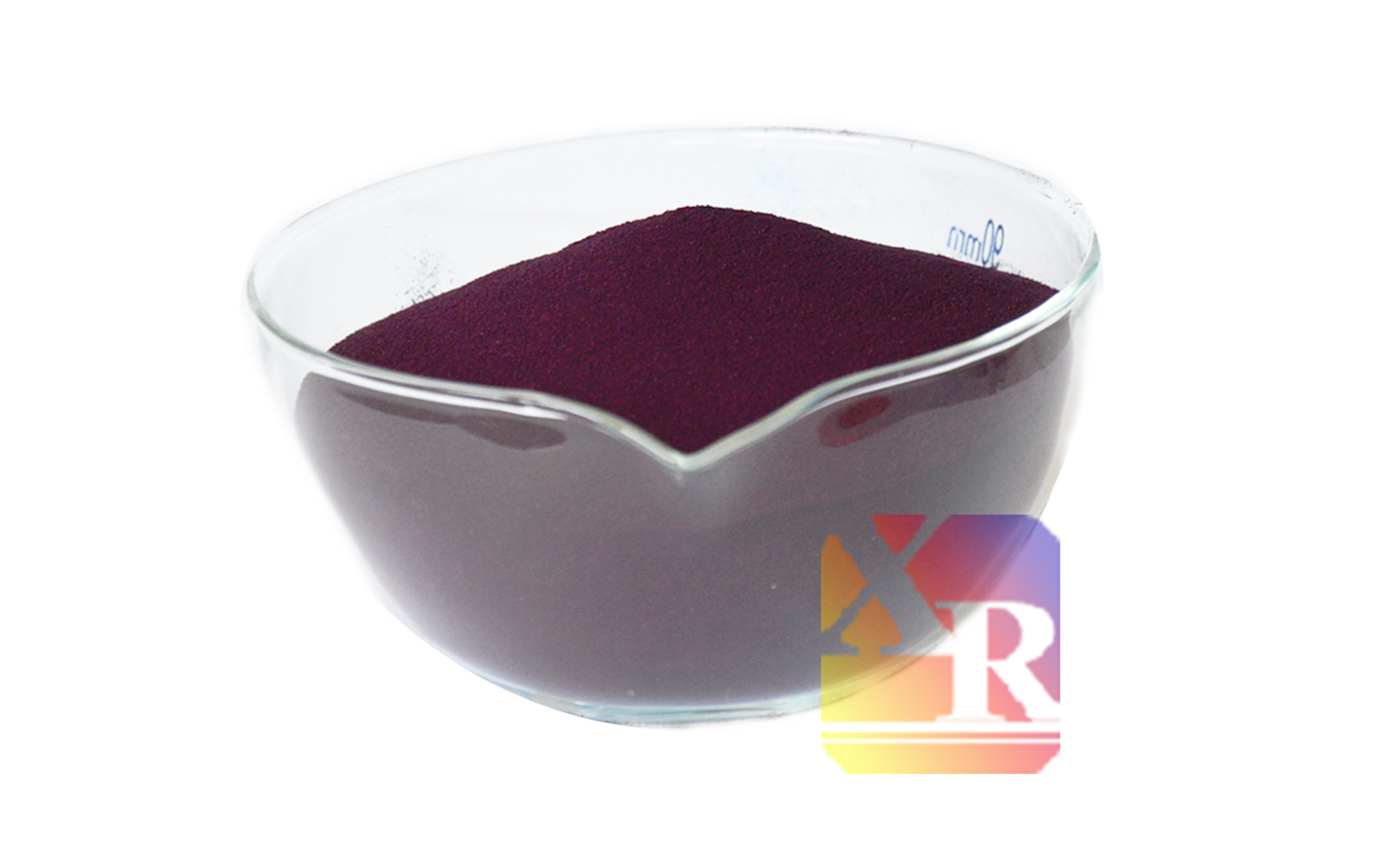
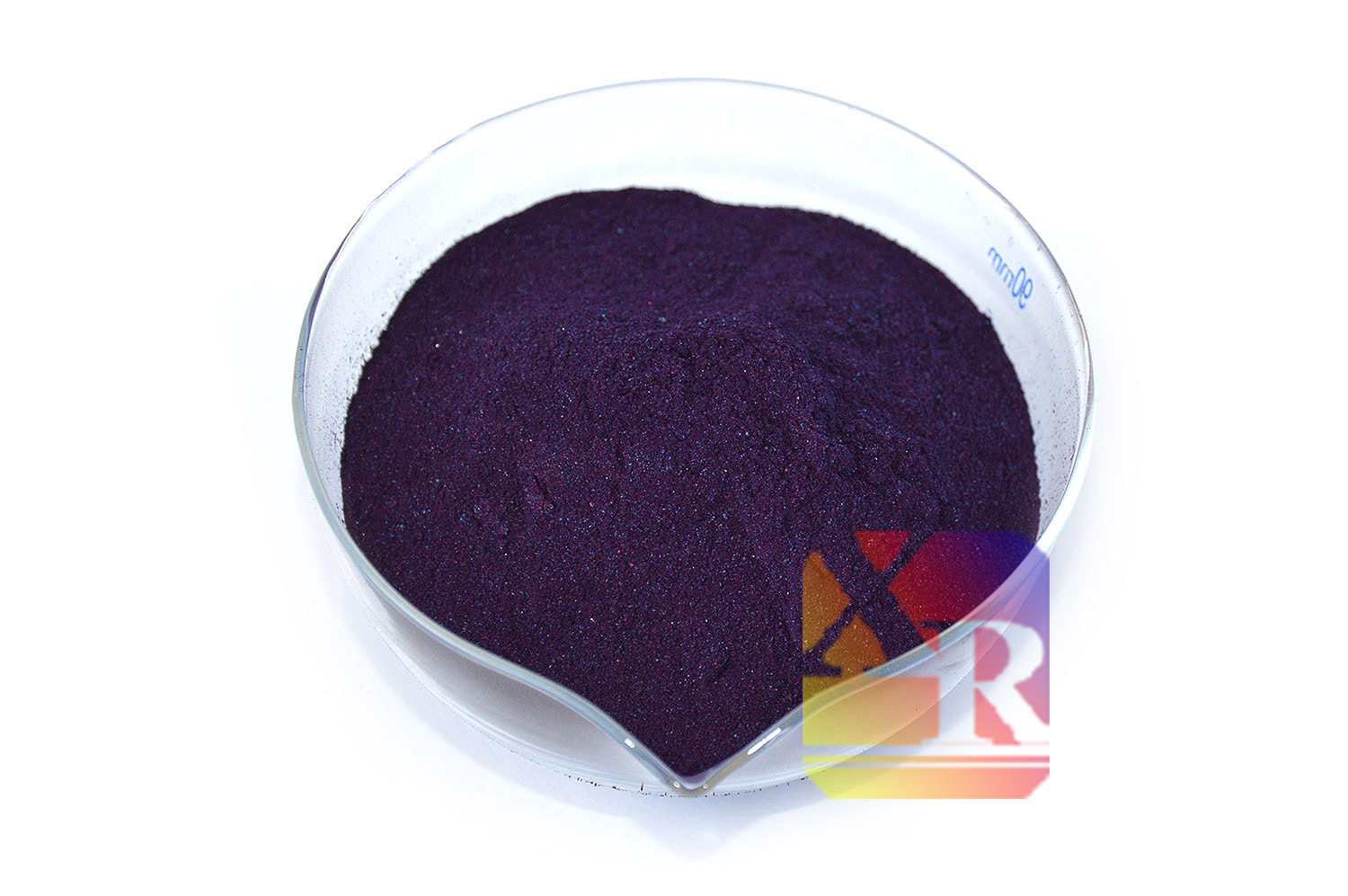
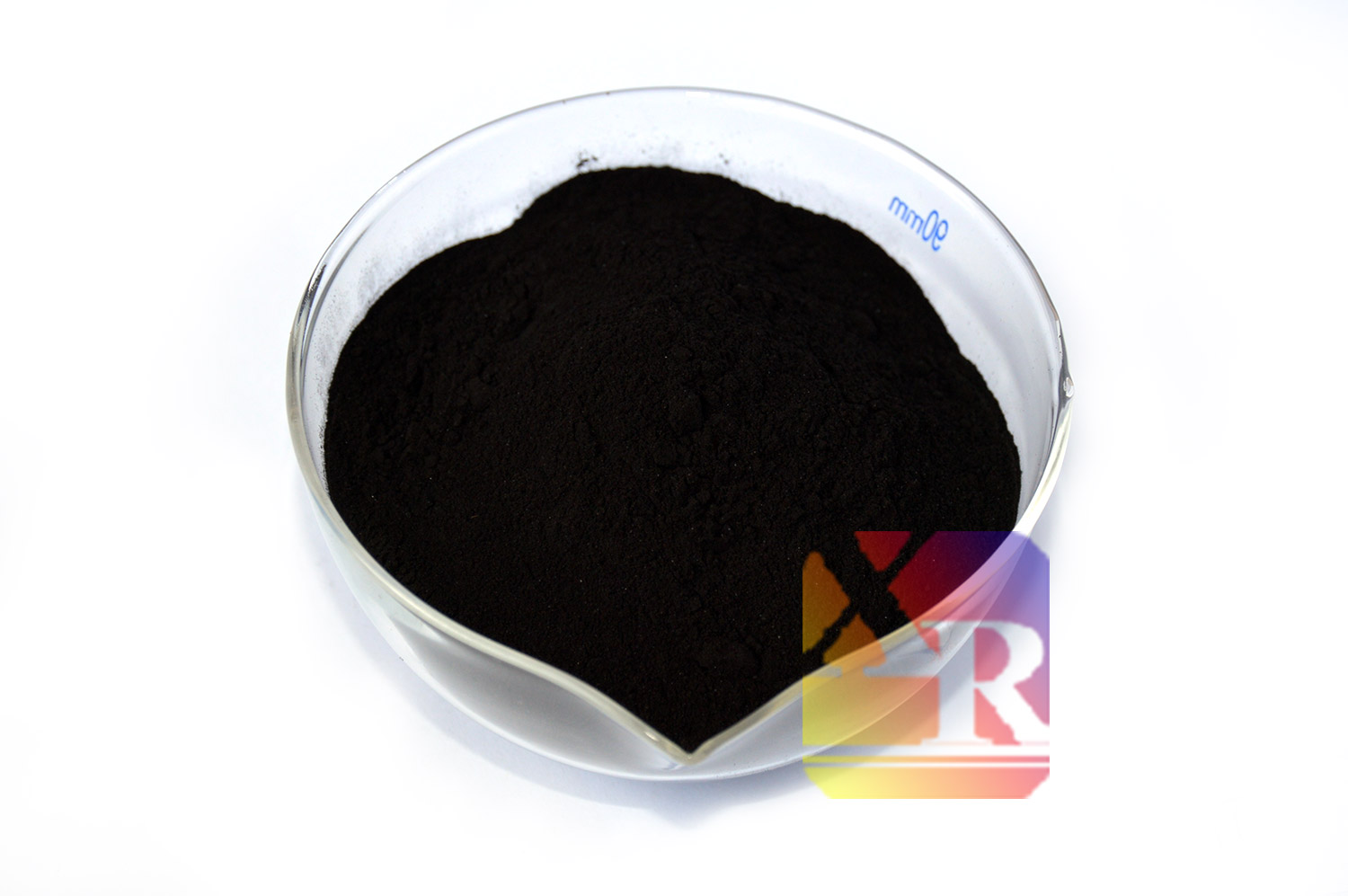
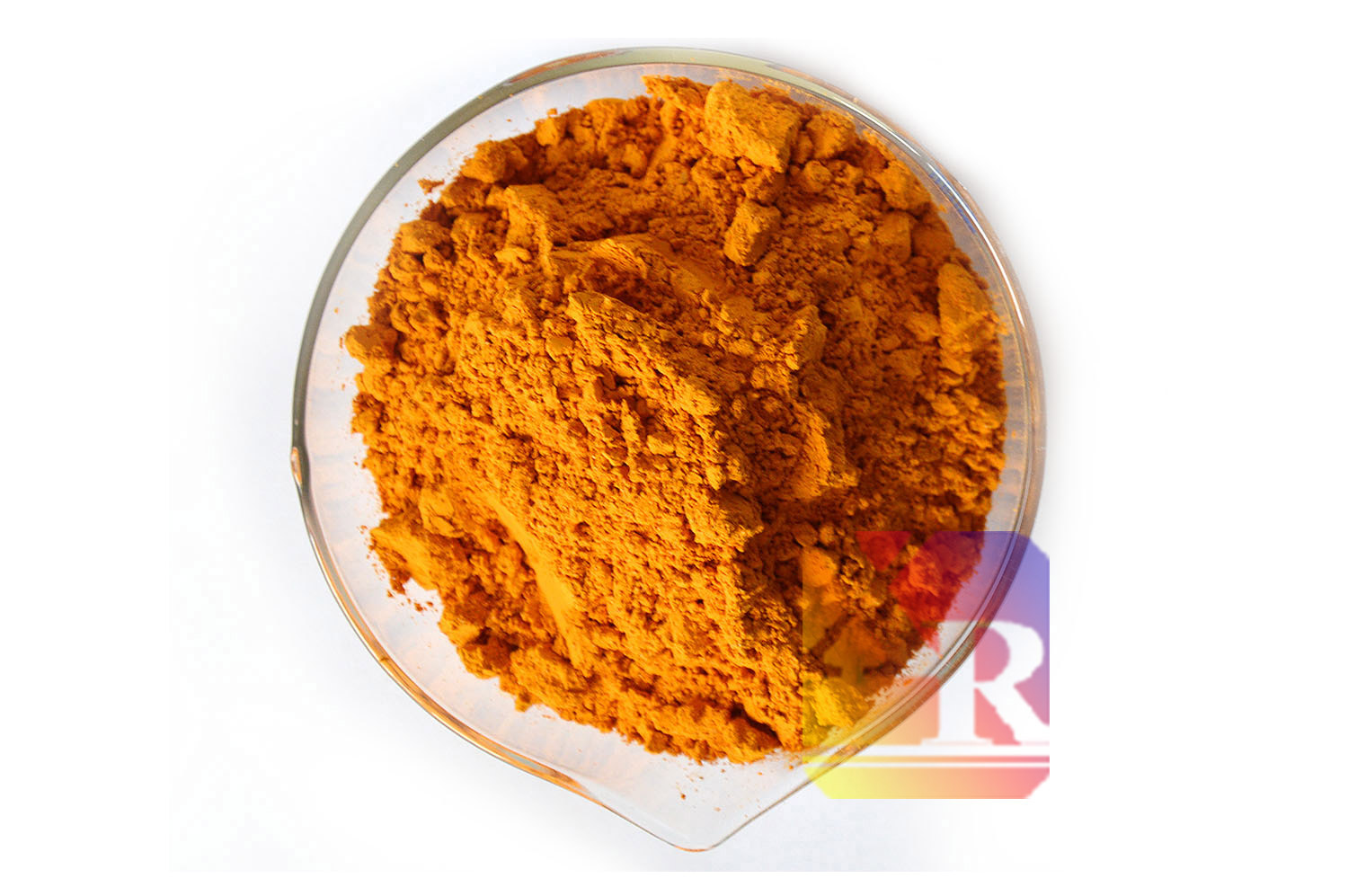
Appearance: Yellow powder
Product Characteristics
Acid Light Yellow 2G is a strong acidic anionic dye belonging to the pyrazolone class.
Basic Physicochemical Properties
1. Appearance: Light yellow to bright yellow uniform powder, fine in texture with low dust generation.
2. Solubility
Acid Light Yellow 2G is soluble in cold water and exhibits significantly improved solubility in hot water; its solubility reaches up to 100 g/L at 90°C. The aqueous solution appears as a vivid greenish-yellow color.
It is slightly soluble in ethanol and acetone, but insoluble in nonpolar organic solvents such as benzene, ether, and mineral oil.
3. Color Change Reactions with Solvents and Acids/Bases
In concentrated sulfuric acid: greenish-yellow; upon dilution with water, the color remains essentially unchanged without precipitation.
In concentrated nitric acid: reddish-yellow.
When hydrochloric acid or sodium hydroxide is added to the aqueous solution, the hue remains largely unchanged, indicating good stability.
Acid Yellow 17 can be decolorized by exposure to sodium dithionite (sodium hydrosulfite) solution; when exposed to air, it re-oxidizes to form a reddish-purple shade.
4. Influence of Metal Ions: Presence of copper or iron ions in the dye bath may cause the color to shift toward red and darken. Soft water is recommended for dyeing to minimize interference from heavy metals.
5. Chemical Stability: Acid Light Yellow 2G is an anionic dye that remains stable under normal temperature and conditions when stored sealed and dry. It must not be used together with cationic dyes or cationic surfactants in the same bath, as this will lead to flocculation and precipitation. Strong oxidizing agents can destroy the chromophore groups, resulting in fading.
Dyeing Performance
1. Hue: Bright, transparent greenish-yellow; provides clean, vivid coloring for light to medium shades. It is a classic yellow shade among acid dyes and offers excellent compatibility in blend dyeing.
2. Substrates Suitable for Acid Yellow 17: Wool, silk, nylon; cotton, linen, and viscose cellulose fibers do not take up the dye effectively. Also suitable for coloring leather, paper, and wood products.
Application Areas
1. Textile Printing and Dyeing (Core Application)
Dyeing and printing of wool top, wool yarn, knitted woolen fabrics, and worsted woolen goods; silk and nylon fabrics. Used alone as a soft yellow, Acid Light Yellow 2G can also be blended with Acid Red and Acid Blue to produce various composite shades such as orange, green, and olive yellow, demonstrating excellent color-mixing compatibility.
2. Leather Industry
Coloring chrome-tanned shoe leathers, luggage leathers, and fur, producing clean, bright greenish-yellow tones.
3. Special Applications
Paper coloring, wood staining, and craft dyeing. Acid Yellow 17 is suitable for formulation into industrial ink systems using acidic media due to its high water solubility and clean hue; however, it is not suitable for alkaline inks.
Advantages and Disadvantages
Advantages
1. Acid Yellow 17 features clean, bright color with a pure greenish-yellow hue, transparent light to medium shades, and excellent compatibility in blend dyeing.
2. It exhibits superior leveling and migration properties, ensures even dye uptake, provides good reproducibility in sampling, and is less prone to color unevenness.
3. Acid Light Yellow 2G demonstrates outstanding lightfastness among strong acid yellow dyes and has excellent resistance to carbonization.
4. Acid Yellow 17 has high water solubility, easy preparation, and can be directly dyed in acidic baths without the need for chromium-based mordants, simplifying the process and eliminating chromium-containing wastewater.
5. It shows good stability in both acidic and alkaline conditions, with minimal impact on hue from slight pH fluctuations in the dye bath.
Disadvantages
1. Copper and iron ions may cause the shade to shift toward red or darken; thus, water quality requirements are strict.
2. Poor resistance to chlorine bleaching and oxygen bleaching; not suitable for chlorine or strong oxygen bleaching processes.
3. Acid Light Yellow 2G has no affinity for cellulose fibers and cannot be used to directly dye cotton or linen.
4. Wet fastness of Acid Yellow 17 is moderate to above average; for dark shades, it is recommended to use an acid fixing agent to further improve performance.