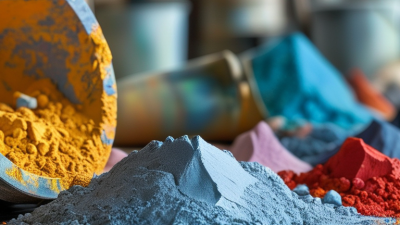
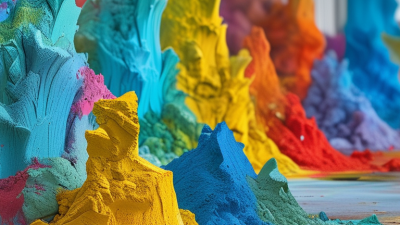
The world of Inorganic Pigment is really shifting fast as we’re moving toward 2026. I mean, a recent report from Grand View Research suggests that the global market for inorganic pigments could hit around USD 22.5 billion by 2025, growing at roughly a 5.9% CAGR. That’s pretty significant, and it really shows how much demand there’s been for these pigments across different industries—whether it’s coatings, plastics, or cosmetics. Big players like BASF and Huntsman are constantly pushing the envelope, coming out with new and improved products to keep up with the rising demand.
That said, it’s not all smooth sailing. The industry’s facing some serious challenges too—things like sustainability concerns and tighter environmental regs are getting more and more attention. For example, the EU’s REACH regulation has a big impact on how some inorganic pigments are produced and used. If you’re in the market, it’s pretty important to stay on top of these trends so you don’t get caught off guard. Plus, fluctuations in raw material prices can throw a wrench into pricing strategies.
All of this goes to show how crucial it is to keep yourself informed about the latest industry developments. Whether you’re a buyer or just interested in the market, taking a closer look at these evolving trends can really help you make smarter choices. Embracing change and being aware of sustainability efforts isn’t just good business—it’s kind of necessary for staying relevant in this fast-moving space.
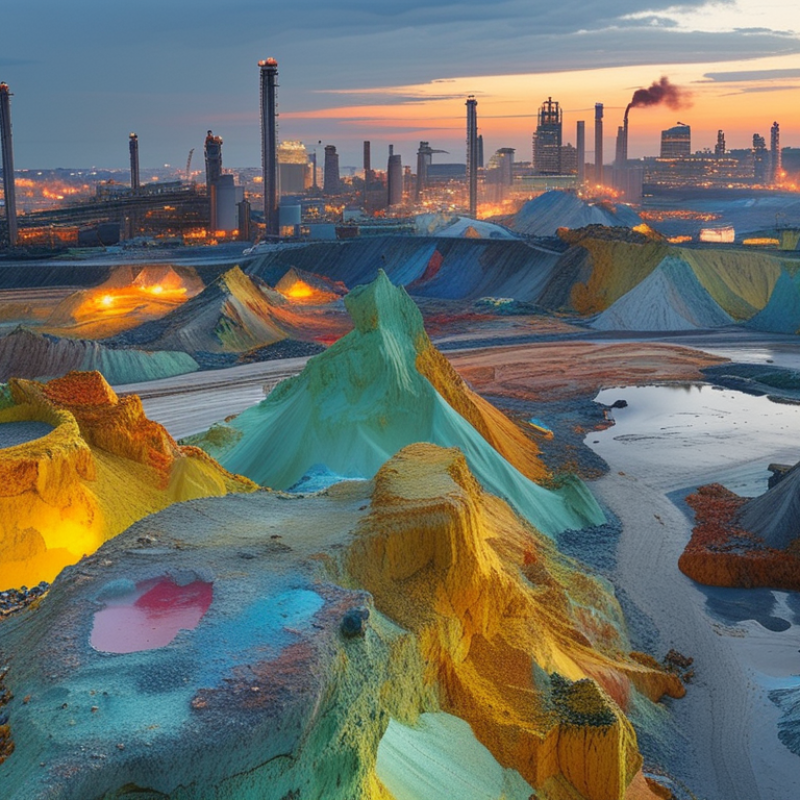
2026 Inorganic Pigment Market Overview and Forecast
The inorganic pigment market is experiencing notable shifts, projected to reach a valuation of USD 22.4 billion by 2026. This growth is influenced by increased demand in sectors such as construction, automotive, and consumer goods. According to industry reports, sustainable practices are becoming essential. Buyers now prioritize environmentally friendly pigments that meet regulatory standards.
Moreover, the market is increasingly driven by innovation. New technologies in pigment formulation are emerging, enhancing color stability and performance. Reports illustrate a rise in vibrant, long-lasting pigments that appeal to various industries. However, challenges persist. Raw material fluctuations and production costs remain significant hurdles. These issues can impact supply chains and pricing strategies.
In conclusion, the inorganic pigment market is evolving. Buyers must adapt to trends such as sustainability and innovation. They may need to reassess their sourcing strategies and embrace changes to fully benefit from market developments.
Key Trends Shaping the Inorganic Pigment Industry in 2026
As we look towards 2026, several key trends are reshaping the Inorganic Pigment industry. A significant upward trend is the increasing demand for environmentally friendly products. According to a recent market research report, the global demand for sustainable pigments is projected to grow by 7% annually. Buyers are now prioritizing pigments with low environmental impact, pushing manufacturers to innovate. This shift presents opportunities for companies to invest in eco-friendly production methods, making it essential to adapt to consumers' evolving preferences.
Simultaneously, there is a noticeable surge in the application of Inorganic Pigment in the construction sector. The use of vibrant colors boosts aesthetic appeal and durability in construction materials. Reports indicate that the building materials market will reach $1.2 trillion by 2026, with a portion driven by pigment advancements. However, achieving consistency and quality under diverse environmental conditions remains a challenge. Suppliers must navigate these complexities to ensure high performance in their products while maintaining cost-effectiveness.
Lastly, the rise of digital technologies in manufacturing processes highlights the need for enhanced quality control in Inorganic Pigment production. Smart manufacturing approaches can improve efficiency and help track material properties more accurately. Yet, the integration of such technologies requires investment and training. Companies must reflect on their current capabilities and determine their readiness to embrace this digital transformation effectively. Navigating these trends will be crucial for industry players seeking to strengthen their market position in 2026.
Emerging Applications of Inorganic Pigments Across Various Sectors
The growing demand for inorganic pigments in various sectors highlights emerging applications that redefine color technology. According to a recent market report, the global inorganic pigments market is projected to reach USD 19.5 billion by 2026. This growth is largely driven by heightened interest in sustainable and eco-friendly solutions. Industries such as construction, automotive, and packaging are increasingly adopting inorganic pigments for their durability and non-toxic properties.
In the construction sector, inorganic pigments are becoming essential for creating vibrant, weather-resistant materials. For instance, they are used in concrete, renders, and roofing products, providing long-lasting color while resisting fading. Furthermore, the automotive industry is leveraging these pigments for coatings that meet environmental regulations. The coatings using inorganic pigments are known for their excellent heat resistance and chemical stability.
However, challenges remain in the consistency of pigment quality and the need for more innovative applications. Many manufacturers still struggle to adapt to rapid shifts in consumer preferences. The pursuit of innovative solutions must continue, especially in achieving better environmental sustainability without compromising pigment performance. This complexity reveals both opportunities and challenges in the ongoing evolution of inorganic pigments across diverse sectors.
Sustainability Initiatives in Inorganic Pigment Production
The production of Inorganic pigments is undergoing a significant transformation as sustainability takes center stage. Recent reports indicate that the global market for inorganic pigments is projected to reach approximately $20 billion by 2026. This surge is driven by increasing consumer demand for eco-friendly products. However, achieving sustainability in production processes remains a challenge.
Manufacturers are now exploring various alternatives for raw materials. A 2023 study highlighted that over 30% of producers are adopting natural minerals and recycled materials. This shift not only reduces environmental impact but also addresses the growing regulatory pressures globally. There is also a tendency to invest in sustainable practices, yet many companies lack a comprehensive strategy for effective implementation.
Water usage is another area of concern in inorganic pigments production. Reports suggest that the industry consumes large volumes of water in processing. Companies are now seeking ways to mitigate this. Innovations such as closed-loop water systems show promise, but many plants face difficulties in retrofitting existing infrastructure. The balance between meeting market demands and adopting sustainable methods is a delicate one, and further commitment is necessary to drive meaningful change.
2026 Top Inorganic Pigment Trends for Global Buyers
Technological Innovations Driving Inorganic Pigment Development
Technological advancements are reshaping the inorganic pigment industry. Innovations in production processes play a crucial role. According to a recent market analysis, the global inorganic pigment market is expected to grow significantly, with some segments anticipated to expand by over 5% annually until 2026. This growth is largely driven by the demand for
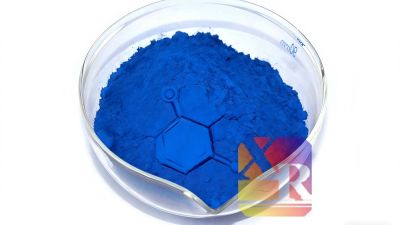
Synthetic Inorganic Pigments
in various applications, such as coatings, plastics, and construction materials.
In recent years, sustainable practices have emerged as a critical focus. Manufacturers are exploring eco-friendly methods. For instance, advancements in synthetic methods reduce waste and energy consumption. A report by a leading industry group indicates that these technological innovations can decrease production costs by up to 15%. Furthermore, continuous research into new materials enhances color performance and stability, addressing the needs of modern consumers.
Despite these advancements, challenges remain. The industry faces pressure to balance cost efficiency with environmental responsibility. Some researchers question whether existing technologies can scale sustainably. The need for rigorous testing and standardization persists as new pigments are developed. This ongoing exploration highlights the dynamic nature of the inorganic pigment sector, urging stakeholders to remain engaged with emerging trends and innovative solutions.
Competitive Landscape: Leading Players in the Inorganic Pigment Market
The inorganic pigment market is evolving rapidly. Major players are focusing on sustainable practices and innovation. They aim to meet the rising demand for environmentally friendly products. This shift is essential as buyers increasingly prefer eco-conscious options. The landscape is competitive, with companies investing heavily in research and development. They strive to enhance performance while minimizing environmental impact.
Technological advancements are reshaping production processes. From nanotechnology to improved formulations, the changes are significant. These innovations not only improve color stability but also enhance durability. However, some companies still rely on traditional methods. This gap highlights a crucial area for reflection and growth. By adopting new technologies, they can stay relevant in the market.
Market dynamics are also influenced by global regulations. Buyers seek pigments that comply with these standards. Leading players need to adapt swiftly to remain competitive. Collaboration within the industry can foster better solutions. Partnerships between manufacturers and suppliers may yield innovative ways to address challenges. The future of Inorganic Color Pigments depends on how effectively these dynamics are navigated.
2026 Top Inorganic Pigment Trends for Global Buyers
| Category |
Growth Rate (%) |
Market Share (%) |
Regions of Influence |
Key Applications |
Material Types |
| Iron Oxide |
4.5 |
20 |
North America, Europe |
Coatings, Plastics |
Inorganic |
| Titanium Dioxide |
5.2 |
35 |
Asia-Pacific, Europe |
Paints, Paper |
Oxide |
| Zinc Oxide |
3.8 |
10 |
North America, Asia |
Rubber, Cosmetics |
Metallic |
| Chromium Oxide |
2.5 |
8 |
Europe, Asia |
Ceramics, Glass |
Inorganic |
Consumer Preferences and Buying Behavior in Inorganic Pigment Sector
Inorganic pigments are crucial in various industries, from coatings to plastics. A recent market analysis indicates that consumer preferences in the inorganic pigment sector are evolving. Buyers increasingly seek pigments that offer durability and sustainability. The global inorganic pigment market is projected to reach $25 billion by 2026, driven by these changing demands.
Environmental concerns significantly influence buying behavior. Reports show that 70% of consumers prefer products made with eco-friendly pigments. This shift reflects a growing awareness of environmental issues. Additionally, consumers are looking for transparency about sourcing and production practices. They are more inclined to support brands that prioritize sustainability.
Tips for buyers involve researching suppliers thoroughly. Look for producers who can provide information about their sourcing and manufacturing processes. Consider testing samples before bulk purchasing. Understanding the specifications and applications of different pigments can also help in making informed decisions. Keeping an eye on market trends and consumer feedback is vital for staying ahead in this competitive field.
Exploring Durable Inorganic Pigments: Superior Weather Resistance for Construction Applications from Chinese Manufacturers
In recent years, the construction industry has increasingly turned to inorganic pigments due to their superior weather resistance and durability. Composed primarily of metal oxides and salts, these pigments serve as vital colorants in various applications, such as exterior wall coatings, primers, and ceramics. According to a report by the Global Inorganic Pigments Market, the demand for these materials is projected to grow at a CAGR of 5.3% from 2021 to 2027, highlighting their significance in enhancing the aesthetic and structural integrity of construction materials.
One of the standout features of inorganic pigments is their exceptional weather resistance, which makes them ideal for outdoor applications where exposure to elements is a concern. Their heat stability and strong hiding power allow for long-lasting color in demanding environments. While darker shades are more prevalent and there may be concerns regarding the presence of heavy metals in certain formulations, advancements in the industry's manufacturing processes have led to the development of safer, high-quality options that meet stringent regulations.
Chinese manufacturers are at the forefront of this sector, offering a diverse range of inorganic pigments tailored to meet the needs of modern construction. Their commitment to quality and innovation allows clients to achieve vibrant and durable color solutions that enhance the visual appeal and longevity of their products. As the construction market continues to evolve, the integration of durable inorganic pigments will play a crucial role in advancing material performance and sustainability.
FAQS
: Sustainability is the main driver, with increasing demand for eco-friendly products pushing change.
Over 30% of producers are exploring natural minerals and recycled materials for production.
The industry consumes large volumes of water, creating a challenge for sustainable practices.
Closed-loop water systems are promising, but retrofitting can be difficult for many plants.
New methods are reducing waste and energy consumption, beneficial for both cost and the environment.
The market is projected to reach approximately $20 billion, with growth in various segments.
There's pressure to balance cost and environmental responsibility, with questions about technology scalability.
Ongoing research highlights the need for rigorous testing to ensure new pigments meet quality standards.
Research improves color performance and stability, addressing modern consumer needs.
Many companies still lack a comprehensive strategy for effectively adopting sustainable practices.
Conclusion
The article titled "2026 Top Inorganic Pigment Trends for Global Buyers" provides a comprehensive overview of the inorganic pigment market and forecasts its future development. Key trends that are expected to shape the industry in 2026 include increased demand for sustainable production methods and innovations in technology. Emerging applications across various sectors, such as construction and automotive, highlight the versatility of inorganic pigments in enhancing product performance and durability.
Furthermore, the article discusses the competitive landscape of the market, emphasizing the importance of understanding consumer preferences and buying behavior. As sustainability initiatives gain traction, manufacturers are likely to adapt their practices to meet evolving expectations. Overall, the inorganic pigment sector is poised for significant growth, driven by innovation and a focus on environmental responsibility.