

When it comes to ceramics, choosing the right pottery pigments can really make all the difference in how your final piece turns out. I remember reading what Dr. Emily Hart from Creative Clay Studios said—she's pretty much the expert in the field—about how the perfect pigments can take a piece from just okay to absolutely stunning. And with 2026 markets on the horizon, everyone’s eager to find the best options out there.
Picking the right pigments isn’t exactly a walk in the park, though. The bright colors and interesting textures are what really let your personality shine through in your pottery. That said, not all pigments are built the same. Some might fade after a while, or just don’t hold up well when fired—trust me, artists often find themselves dealing with these kinds of headaches.
As we check out the top pottery pigments for 2026, it’s clear that both new ideas and old-school techniques have a place. The industry’s been changing so much—it’s exciting! But even with all that progress, there’s always room to do better. Artists and buyers alike need to figure out which pigments are genuinely reliable—those that will keep their color and integrity over time. Finding top-notch, long-lasting pottery pigments remains a bit of a quest, and honestly, it’s what keeps the creative spirit alive around the world.

The global pottery pigments market is evolving rapidly. As we look toward 2026, trends indicate a growing preference for vibrant, eco-friendly options. Buyers are increasingly interested in sustainable pigments that are safe for both users and the environment. Traditional methods are being reevaluated, with a push for more innovative, responsible sourcing of materials.
One noticeable trend is the demand for unique colors that enhance the aesthetic appeal of pottery. Artisans are exploring rich earth tones and bold hues. This shift encourages creativity but also raises questions about consistency and availability. Not all pigments meet the high standards expected by professionals. Some may fade or alter over time in unexpected ways.
Market dynamics are also changing. Emerging markets are becoming critical players. Buyers from these regions seek quality, affordability, and accessibility. However, not every supplier can provide reliable products, leading to potential challenges. This discrepancy in quality can mar the overall growth of the market. As demand increases, so does the need for transparent practices and accountability among suppliers.
In the pottery industry, the selection of pigments plays a crucial role. Global buyers often seek the best options based on specific needs. One key factor is color stability. Oxide Pigments are known for their vibrant hues and durability. They resist fading, making them ideal for pieces intended for long-term use. Buyers prioritize pigments that maintain their integrity under various firing conditions.
Another influencing factor is toxicity. Safety is a major concern for buyers. They lean towards non-toxic pigments that comply with safety standards. Oxide pigments usually fit this criterion well. They offer a safer alternative when compared to traditional methods. This choice can also enhance product appeal in today’s health-conscious market.
The sourcing process can present challenges. Some buyers struggle to find reliable suppliers for high-quality pigments. It's vital for them to test samples before making bulk purchases. Reflection on this process is important. Quality assurance should never be taken lightly. Ultimately, the right pigment can elevate a piece but choosing wisely remains essential in this complex market.
| Pigment Name | Color Family | Lightfastness Rating | Toxicity Level | Cost per kg (USD) | Recommended Uses |
|---|---|---|---|---|---|
| Cobalt Blue | Blue | Excellent | Low | 35 | Stoneware, Porcelain |
| Titanium White | White | Excellent | Low | 25 | All Types |
| Iron Oxide Red | Red | Good | Non-toxic | 15 | Earthenware, Stoneware |
| Cadmium Yellow | Yellow | Excellent | High | 50 | Decorative Glazing |
| Manganese Violet | Purple | Good | Moderate | 40 | Artistic Glazes |
| Phthalo Green | Green | Excellent | Low | 30 | Stoneware, Porcelain |
As we look towards the future of the pottery industry, the choice of pigments is crucial for artists and manufacturers alike. In 2026, several colors are predicted to dominate the market. Data from industry reports indicate that vibrant shades like ultramarine blue and deep crimson red will be favored for their expressive qualities. According to a recent survey, these colors are expected to increase in demand by at least 25%.
Among emerging options, Hyrox Pigments are gaining traction for their unique ability to enhance visibility and brilliance. This year, a noticeable trend toward eco-friendly pigments is evident. Artists are prioritizing sustainability without sacrificing vibrancy. Research shows that over 60% of global buyers are willing to invest more in sustainable options, making them a viable choice in 2026.
Tips: When selecting pigments, consider the opacity and lightfastness. These factors can greatly affect the final appearance of your pottery. Additionally, always test colors on small batches before large productions. Mixing and matching colors can lead to unexpected and beautiful results, but require careful consideration. Remember, the pottery landscape is evolving, and adaptability is key.
Sustainability is becoming vital in the pottery industry. Artists and buyers now seek eco-friendly pigments to minimize harm to the environment. This demand for sustainable materials is reshaping how pigments are produced and sourced. Pottery artisans are increasingly concerned about their impact. The shift towards natural and renewable resources reflects greater awareness of environmental issues.
When exploring pigments, consider choosing those labeled as Lip Safe Pigments. These are formulated without harmful substances, making them safer for both artists and consumers. Look for suppliers that prioritize sustainable practices in their production chains. This ensures not only quality but also responsibility in sourcing materials.
Artisans should reflect on their choices. Are the pigments they use harming the planet? Evaluating the environmental impact of materials is crucial. Embracing sustainability can lead to innovative designs while protecting our nature. Trends will continue to evolve, and artists must adapt to stay relevant.
This chart illustrates the growing demand for sustainability and eco-friendly pigments in the pottery industry. The data reflects the percentage of buyers interested in different types of pigments based on their environmental impact.
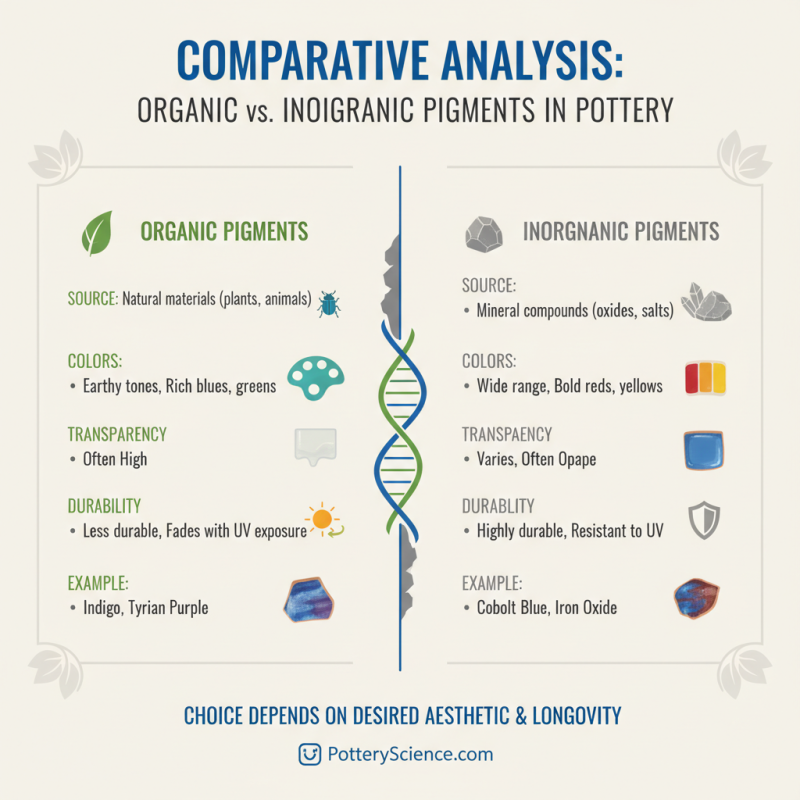
Organic and inorganic pigments have their unique characteristics and applications in pottery. Organic pigments are derived from natural sources. They often yield vibrant colors and excellent transparency. For instance, studies show they can create rich blues and greens. However, their durability is often questioned. They tend to fade when exposed to UV light.
On the other hand, inorganic pigments are typically mineral-based. They are known for their excellent lightfastness and durability. This makes them suitable for outdoor pottery that experiences varied weather conditions. Reports indicate that inorganic pigments can withstand temperatures up to 1000°C. Yet, their color range can be somewhat limited. This can be a drawback for artists seeking specific hues.
Interestingly, many potters blend both types of pigments to harness the strengths of each. This approach can produce stunning results but requires careful crafting. Balancing vibrancy with longevity can be a delicate task. Potters must stay informed about pigment compositions and their effects. Continuous research and experimentation are vital in this evolving field.
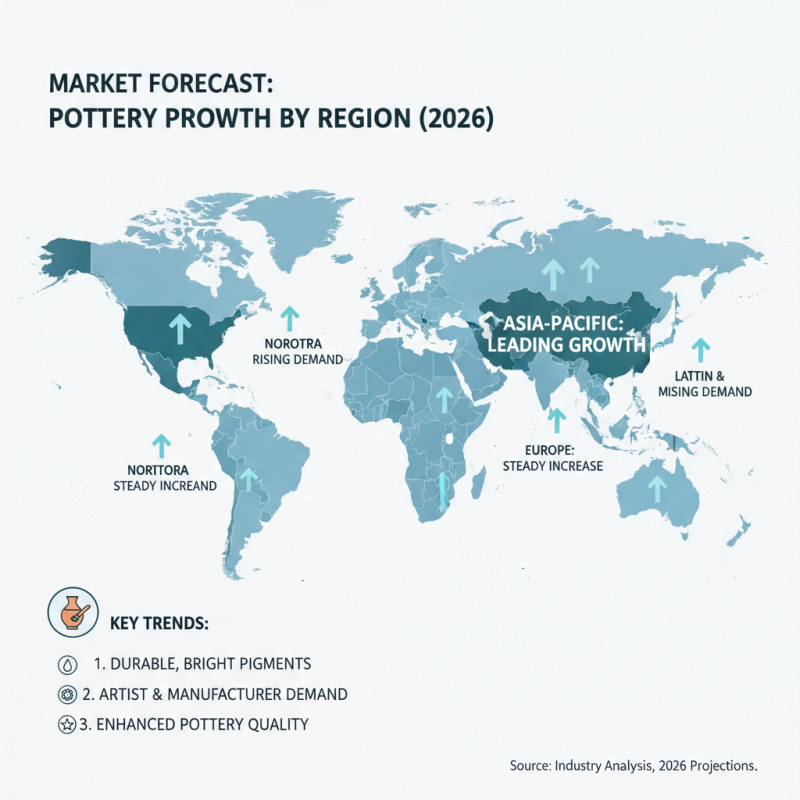
The pottery pigment market is evolving, with notable growth anticipated by 2026. Various regions are experiencing different trends. For instance, Asia-Pacific is projected to lead in growth. The demand for vibrant and durable pigments is increasing among artists and manufacturers alike. These pigments are not just about color; they also enhance the quality of pottery.
In North America, sustainability is gaining traction. Buyers are seeking eco-friendly options. The use of natural materials in pigments is on the rise, aligning with consumer preferences. European markets are also adapting. A stronger focus on artisan pottery creates niche opportunities. However, challenges remain, such as sourcing raw materials sustainably.
Emerging economies in Africa and Latin America present interesting dynamics. There’s potential for growth, but infrastructure issues could hinder progress. Consumers are becoming more discerning, pushing for better quality. The market is likely to see mixed results depending on various local factors. Buyers will need to navigate these complexities as they make informed choices about the future of pottery pigments.
Choosing the right pottery pigments is often a complex decision for artists. Artists must consider the appearance, stability, and toxicity of pigments. Inorganic pigments are a popular choice because of their vibrant colors and durability. However, they can vary significantly in terms of their properties. Understanding these differences is essential for achieving desired effects in pottery.
When selecting pottery pigments, artists should prioritize safety. Some inorganic pigments can contain harmful substances. Researching the ingredients and sourcing from reputable suppliers is crucial. It’s also wise to test small batches first. This practice can reveal potential issues before committing to larger quantities.
Colors can appear differently after firing. This factor makes it vital to sample and document results. Artists should keep a journal of their experiences with various pigments. Reflection on past works helps in making informed choices. This process enriches future projects and enhances overall creativity. Balancing vibrant colors with safety will always be a challenge, but it is fantastic for artistic growth.
: Color stability is crucial for pottery pigment selection. Buyers want pigments that resist fading over time.
Safety is a major concern. Buyers prefer non-toxic pigments that comply with safety standards for health reasons.
Many struggle to find reliable suppliers. Testing samples before bulk purchases is essential to ensure quality.
Vibrant colors like ultramarine blue and deep crimson red are predicted to be favored for their expressiveness.
Over 60% of buyers are willing to pay more for eco-friendly options, reflecting a shift toward sustainable practices.
Artists must consider appearance, stability, and toxicity of pigments. Testing small batches is also highly recommended.
Colors may appear differently post-firing, making it vital to sample and document results for accurate future outcomes.
Documenting experiences with pigments helps artists reflect on past works and make informed decisions in future projects.
Artists sometimes overlook safety in favor of vibrant colors. Balancing both is essential for artistic and personal growth.
Mixing can lead to unexpected results that are beautiful. However, careful consideration is necessary for best outcomes.
The article titled "2026 Top Pottery Pigments for Global Buyers Best Choices?" provides a comprehensive overview of the pottery pigments market, highlighting emerging trends and key factors that influence pigment selection for global buyers. In 2026, there is a marked increase in demand for sustainability and eco-friendly pigments, along with a detailed comparative analysis of organic versus inorganic pigments within the pottery industry. Furthermore, the article identifies the top 10 pigment colors that are set to dominate the market, while offering insights into growth rates by region.
Expert opinions emphasize best practices for artists when choosing pottery pigments, aiming to guide buyers in making informed decisions. As the industry evolves, the focus on sustainable practices and innovative pigment formulation is anticipated to shape future trends, catering to a more environmentally conscious market while meeting the artistic needs of potters worldwide.