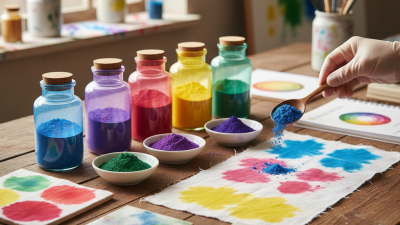
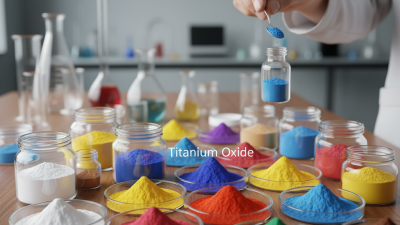
As we look ahead to 2026, it’s pretty clear that the world of color is changing quickly. Have you heard about Powder Dye? It’s really making waves across different industries thanks to its versatility and eco-friendliness. Companies are starting to catch on because people today are more interested in sustainable, innovative solutions. They’re exploring how Powder Dye can be used in textiles, cosmetics, and more—there’s a lot of potential there.
A lot of manufacturers are excited about the bold, vibrant color options Powder Dye can deliver. Not only do they look great, but they also tick the sustainability box—that’s a big deal these days. Of course, like anything new, there are some hurdles, like keeping the color consistent and perfecting application techniques. Buyers need to consider these factors before jumping in. Staying up-to-date with the latest trends and practices is really important if you want to make the most of it.
For global buyers especially, understanding the new technologies and methods connected to Powder Dye can give you a real edge. As more players enter the scene, knowing what’s coming down the line will be key to staying competitive. Taking a thoughtful approach means weighing the pros and cons, getting familiar with potential challenges, and appreciating the benefits. Basically, it’s all about being informed and ready for what’s next in the dye world.
2026 Powder Dye Market Overview: Key Insights and Projections
In 2026, the powder dye market is expected to witness dynamic shifts. Growing environmental awareness and demand for sustainable practices will play pivotal roles. Global buyers must consider eco-friendly options in their sourcing decisions.
The trend toward natural and organic dyes is gaining momentum. These alternatives target customers seeking safer, biodegradable products. More companies are exploring innovative techniques that reduce water and energy usage. This aligns with the sustainable demands of today’s consumers.
Tip: Engage with suppliers who prioritize sustainability. Ask about their sourcing methods and environmental impact. Transparency can guide smarter purchasing decisions.
Market projections indicate a rise in
color customization. Brands are tailoring shades to meet specific cultural and regional preferences. This personalization trend can enhance customer loyalty.
Tip: Pay attention to emerging color trends. Analyzing popular choices in different markets can provide insights into buyer preferences. Keep an eye on social media for visual inspirations.
Investing time in research will yield valuable insights. An adaptable, informed approach can help businesses thrive in the evolving powder dye landscape.
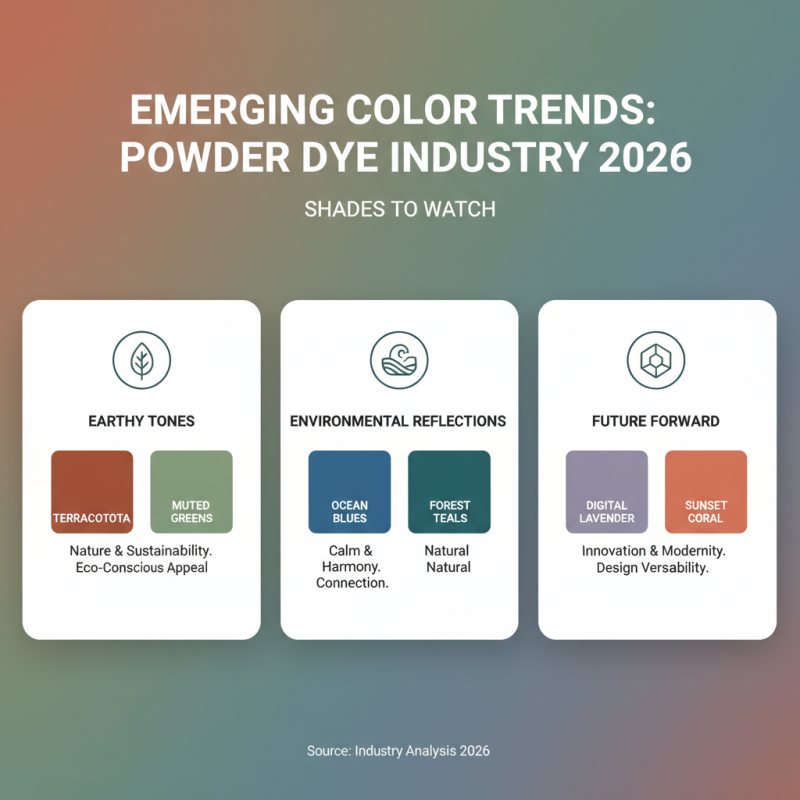
Emerging Color Trends: Shades to Watch in the Powder Dye Industry
The powder dye industry is evolving, showcasing exciting color trends for 2026. As we approach this pivotal year, several shades are emerging that will captivate designers and manufacturers alike. For instance, earthy tones like terracotta and muted greens are gaining traction. These colors evoke a sense of nature and sustainability, which many consumers increasingly desire. Shades that reflect the environment resonate with eco-conscious buyers.
Additionally, vibrant hues such as coral and electric blue are making waves. These colors can uplift and energize, appealing to younger audiences seeking bold expressions. However, achieving consistent quality in these vibrant dyes remains a challenge. Variability in shade matching can occur during production, which can impact overall product reliability. This is an area that requires careful consideration and expertise.
Moreover, subdued pastels are gaining popularity for their versatility. They offer a soft aesthetic that works well across various applications. But not all pastel shades are reliable in pigment retention; fading can occur over time. Buyers should be cautious and ensure rigorous testing in their sourcing processes. Engaging with knowledgeable suppliers becomes essential to navigate these challenges effectively.
Sustainable Practices in Powder Dyeing: Innovations and Industry Standards
Sustainable practices are becoming crucial in the powder dyeing industry. Innovations focused on eco-friendly materials are emerging. For instance, using Concrete Dye Powder can minimize waste and reduce environmental impact. This type of dye is derived from natural raw materials, making it a favorable option for environmentally conscious buyers.
The industry is now setting higher standards. Many companies are adopting waterless dyeing technologies. These processes not only save water but also decrease energy consumption significantly. However, challenges still exist. Not all manufacturers can access the technology. The disparity highlights the need for more education and resources within the industry.
Exploring sustainable alternatives like Concrete Dye Powder is essential. Yet, the transition requires collective effort from all stakeholders. The balance between economic viability and environmental responsibility often feels tricky. Encouraging shared knowledge can drive more significant advancements in sourcing sustainable dyes.
Impact of Global Supply Chains on Powder Dye Availability and Pricing
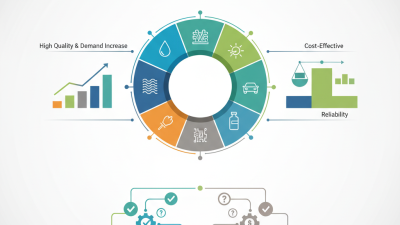
The dynamics of global supply chains significantly influence the availability and pricing of powder dyes. Factors like transportation costs and economic shifts impact how quickly products reach end-users. Disruptions such as natural disasters or political instability can lead to shortages. This creates challenges for buyers who rely on consistent supply and affordability.
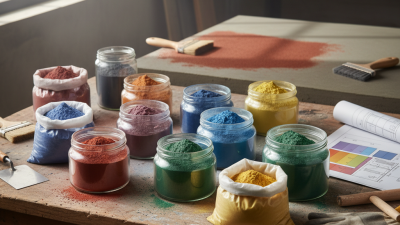
Furthermore, the demand for niche products, like Red Concrete Dye Powder, adds another layer of complexity. As specialty dyes gain popularity, suppliers face pressure to maintain quality even during high demand. Fluctuations in raw material prices can make it difficult to offer competitive pricing. Buyers often find themselves juggling quality requirements and cost constraints.
Accessibility is also a concern. Not all regions have the same access to production facilities. This can lead to delays that disrupt local markets. Buyers may need to think creatively about sourcing options. Finding reliable suppliers that can adapt to changing conditions is crucial. Balancing these elements requires insight and strategic planning.
2026 Top Powder Dye Trends for Global Buyers
Consumer Preferences: How Eco-Friendly Choices Shape Powder Dye Demand
In recent years, eco-friendly choices have profoundly influenced powder dye demand. A 2022 industry report indicates that over 70% of consumers prefer sustainable dye options. This significant shift showcases a growing awareness of environmental issues. Many buyers now actively seek products without harmful chemicals, reflecting a preference for natural and biodegradable dyes.
As consumers champion sustainability, manufacturers are responding with innovative solutions. Reports suggest that organic pigment sales grew by 25% in the past year. Traditional dyes often contain synthetic compounds, which can be detrimental to ecosystems. In contrast, eco-friendly alternatives offer safer applications in various industries, from textiles to cosmetics. Manufacturing facilities are also adapting, moving towards greener production processes to meet rising demand.
Tips: Consider sourcing raw materials locally to reduce carbon footprints. Stay updated on regulations regarding eco-friendly dyes to ensure compliance. Engage with manufacturers who prioritize sustainable practices; this enhances product integrity. Sustainability isn't just a trend; it's becoming a fundamental consumer expectation.
Regulatory Developments Affecting Powder Dye Production and Use
The landscape of Powder Dyestuff production is evolving rapidly due to regulatory developments. Governments worldwide are enhancing safety and environmental guidelines impacting how dyes are manufactured and used. For instance, the European Chemicals Agency (ECHA) has implemented stringent regulations requiring comprehensive safety assessments. These regulatory shifts can affect supply chains and production costs, leading to potential market shifts.
Data shows that at least 30% of global producers may struggle to comply with these new standards. Manufacturers might face increased costs to align with environmental policies. This can create challenges for smaller companies that lack resources. Adapting to these regulations is essential but often requires significant investment in research and compliance processes.
In terms of consumer safety, regulations are becoming stricter. For example, the restriction of hazardous substances (RoHS) is influencing the use of certain dyes. Consumers demand transparency and safety, pushing brands to reconsider their supply chains. The rise in eco-friendly and safe Powder Dyestuff may be a positive consequence of stringent regulations, emphasizing sustainability. However, industry players must continuously adapt to these rules to remain competitive.
Technological Advances: Enhancing Efficiency in Powder Dye Production
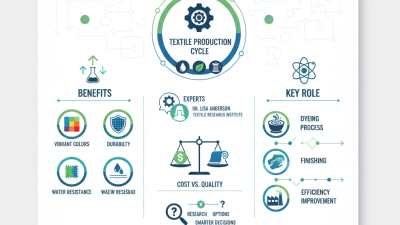
In recent years, the dye industry has witnessed significant advancements in powder dye production. Technological innovations are streamlining processes and enhancing efficiency. The integration of automation helps reduce waste and lowers production costs. According to a report by MarketsandMarkets, the global dye market is expected to grow by 3.5% annually until 2026.
One notable development is the use of eco-friendly methods in producing powders like Red Oxide Powder. These methods minimize harmful emissions while maximizing color fastness. Additionally, companies are investing in new mixing and milling techniques. These enhance the uniformity of powder particle size, leading to better dispersion in various applications. Industry experts suggest that achieving the right consistency is vital for optimal performance.
While these advances are promising, challenges remain. The high initial costs of new technologies can deter smaller manufacturers. Furthermore, the industry must address the environmental impact of raw material sourcing. Balancing innovation with sustainability is crucial for future growth. The demand for high-quality, efficient dyes is rising, and companies must adapt accordingly.
2026 Top Powder Dye Trends for Global Buyers to Explore
| Trend |
Description |
Technological Advances |
Market Demand |
| Sustainable Sourcing |
Increase in eco-friendly dye production. |
Use of biodegradable materials. |
Growing consumer preference for sustainability. |
| Color Innovation |
Emergence of unique and vibrant colors. |
Advanced color formulation techniques. |
Enhanced demand in fashion and design sectors. |
| Automated Production |
Increased automation in dye manufacturing. |
Integration of AI and robotics. |
Demand for higher efficiency and lower costs. |
| Customization |
Tailored dye solutions for clients. |
Digital dyeing technologies. |
Rising trend in personalized products. |
| Global Collaboration |
Partnerships between global dye manufacturers. |
Shared research and development resources. |
Emerging markets fostering cooperation. |
Conclusion
The 2026 Powder Dye market is poised for significant evolution, reflecting key insights and projections that highlight emerging color trends, sustainability practices, and technological advancements. Trends indicate a shift towards vibrant, eco-friendly shades, with consumer preferences increasingly favoring sustainable options, thus shaping demand in the Powder Dye sector. Innovations in dyeing practices are setting new industry standards, improving overall efficiency and reducing environmental impact.
Additionally, the dynamics of global supply chains are influencing the availability and pricing of Powder Dye, making it essential for industry stakeholders to adapt to these changes. Regulatory developments are also playing a crucial role, ensuring that production and usage align with environmental standards. As the Powder Dye industry continues to evolve, understanding these trends will be vital for global buyers looking to stay ahead in a competitive market.