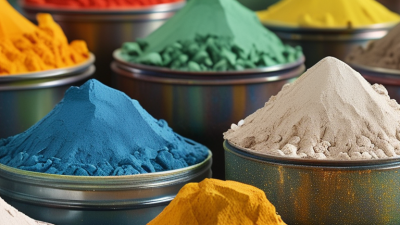
Buyers around the world are really digging deeper these days—asking a key question: which acrylic paint pigment actually provides consistent color, safe handling, and reliable performance no matter where you use it? And honestly, it’s not just about picking the brightest powder on the shelf. Things like particle size, tinting strength, lightfastness, how well it disperses, how it works with the binder, and batch-to-batch consistency all play a role in how the final paint turns out. You might see a vibrant blue in a small jar that looks gorgeous, but then find out it fades under UV light or settles during transport. Not exactly what you’d want in a professional-grade product, right?
Industry numbers really show why it’s worth taking a close look. For example, Grand View Research notes that the global market for acrylic paints is still growing—thanks to demand from artists, folks in decorative coatings, educational settings, and industrial uses. Meanwhile, Mordor Intelligence points out that people are buying more water-based coatings, which is a big boost for the market. Just a heads up, though—these reports look at different product categories and use different methods, so don’t treat their figures as perfectly identical. That’s actually pretty important. Buyers need the real technical details—hard facts, not just pretty percentages.
I remember Dr. Mas Subramanian, a top researcher in inorganic pigments at Oregon State University, once said, “It’s pretty rare to find a brand new pigment nowadays.” That really hits home and explains why the science behind modern pigment acrylic paints is so crucial. A reliable pigment usually comes from controlled crystal structures, precise surface treatments, and consistent manufacturing processes. This guide compares seven solid options for global sourcing, including titanium white, carbon black, iron oxides, phthalocyanine blue, phthalocyanine green, quinacridone magenta, and Hansa yellow. Each one has its trade-offs—some are super durable but cost more, others disperse nicely but might need more checking on lightfastness. Choosing the right one really depends on what you’ll be using it for, regional standards, packaging preferences, and how much variation you’re willing to accept. Because, at the end of the day, what’s “best” isn’t the same for everyone.
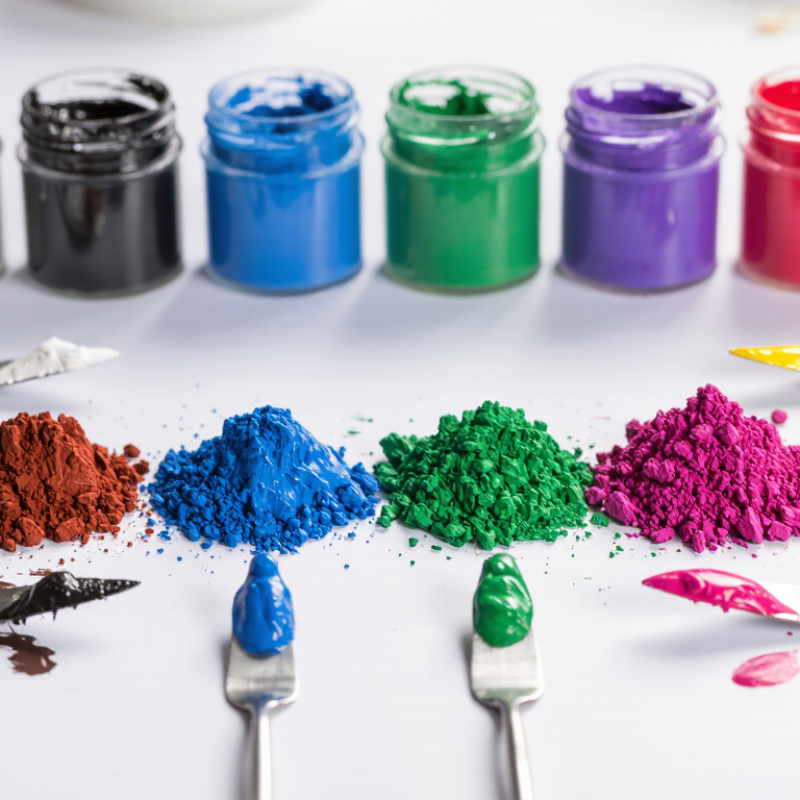
What Makes an Acrylic Paint Pigment Suitable for Global Buyers?
7 Best Acrylic Paint Pigments for Global Buyers?
A suitable acrylic paint pigment must perform reliably across different markets, climates, and production systems. Strong lightfastness helps colors resist fading near shop windows or sunny studio walls. Fine particle size supports smooth dispersion, especially in water-based acrylic formulas. Consistency matters. Buyers should compare color strength, transparency, tinting behavior, and batch-to-batch variation before placing large orders.
Practical documentation is equally important. A dependable supplier should provide a technical data sheet, safety data sheet, pigment identification, and recommended handling information. Clear documents help importers, manufacturers, and artists evaluate the material without guessing.
Packaging also deserves attention. Sealed moisture-resistant bags or containers can protect powder during long transport through humid ports and changing temperatures. Small details matter.
Global buyers should also consider formulation compatibility. A pigment that works well in one acrylic medium may settle, clump, or reduce flow in another. Testing a sample under actual production conditions is wiser than trusting a color chart alone. I have found that a slightly less vivid pigment can be more useful when it disperses evenly and remains stable. No pigment is perfect. Cost, performance, documentation, and supply reliability must be weighed together. Regional regulations can differ, so buyers should verify current requirements with qualified local professionals before commercial use.
How Pigment Quality, Lightfastness, and Opacity Affect Acrylic Paint
7 Best Acrylic Paint Pigments for Global Buyers?
For global buyers, the best acrylic pigment is not always the brightest one. It must perform consistently after drying, mixing, and shipping. A practical shortlist includes titanium white, carbon black, iron oxides, ultramarine, phthalocyanines, quinacridones, and selected azo pigments. I judge quality by particle dispersion, tinting strength, cleanliness, and batch consistency. A smooth dispersion leaves fewer specks on a palette and reduces unexpected color shifts. Small flaws matter.
Lightfastness protects artwork from gradual fading under daylight or gallery lamps. High ratings matter for exposed artwork, murals, and products sold across sunny climates. However, a lightfast pigment can still look weak when diluted or mixed with an unstable color. Check independent test data, pigment codes, and exposure conditions. Do not trust a bold label alone. Testing takes time. I paint a thick swatch and a thin wash, then compare both after several weeks near indirect light.
Opacity controls coverage, layering, and material cost. Titanium white and many earth pigments usually cover strongly, while transparent organic pigments create luminous glazes. Neither behavior is automatically superior. Match opacity to the application: solid illustration, decorative coating, portrait glazing, or large-format artwork. I have sometimes chosen intense color over durability, and regretted it later. That mistake is easy to repeat. Request technical sheets, sample jars, and clear storage guidance before placing a large order.
The Seven Best Acrylic Paint Pigments for International Markets
The Seven Best Acrylic Paint Pigments for International Markets
Selecting an Acrylic Paint Pigment for international markets requires more than bright color. Buyers also evaluate lightfastness, dispersion, storage stability, and documentation. In studio testing, titanium white remains essential for coverage, mixing, and clean highlights. Carbon black offers strong value, but excessive tinting strength can quickly overpower lighter colors. Phthalo blue provides intense transparent color and performs well in glazing applications.
Quinacridone magenta is valued for its clear mixing behavior and reliable violet blends. A warm yellow, such as a high-performance diarylide pigment, supports oranges, greens, and natural skin tones. An earthy red, including an iron oxide pigment, adds durability and familiar architectural shades. These seven choices cover basic palettes while supporting different artistic and industrial needs. Test small batches first.
International conditions can expose weaknesses. Humid containers may affect powder handling, while long storage can reveal settling or poor wetting. Suppliers should provide batch records, safety information, pigment identification, and clear handling guidance. I have found that consistent dispersion often matters more than maximum color strength. However, no pigment list fits every market. Some buyers prefer mineral colors, while others need high-transparency effects. A practical evaluation should compare drawdowns after drying, not only wet samples. My own early tests sometimes favored vivid color too quickly. That was a mistake.
7 Best Acrylic Paint Pigments for Global Buyers? - The Seven Best Acrylic Paint Pigments for International Markets
| Rank |
Pigment Name |
Colour Index |
Pigment Family |
Typical Opacity |
Lightfastness |
Common Acrylic Applications |
International Buyer Advantages |
| 1 |
Titanium White |
PW6 |
Titanium dioxide |
Opaque |
Excellent |
Highlights, underpainting, colour mixing, murals and decorative coatings |
High tinting strength, broad compatibility and strong demand across art and industrial coatings |
| 2 |
Phthalo Blue |
PB15:3 |
Copper phthalocyanine |
Transparent to semi-transparent |
Excellent |
Glazing, intense blue mixtures, atmospheric effects and textile-style artwork |
Very high colouring strength, clean mixtures and efficient use at low concentrations |
| 3 |
Pyrrole Red |
PR254 |
Diketopyrrolopyrrole |
Opaque to semi-opaque |
Excellent |
Strong reds, portrait work, signage, murals and exterior decorative applications |
Bright, durable red with good weathering performance and strong visual impact |
| 4 |
Quinacridone Magenta |
PR122 |
Quinacridone |
Transparent to semi-transparent |
Excellent |
Glazing, violets, clean colour mixing and contemporary illustration |
Produces clear mixtures and supports a wide range of violet, pink and red shades |
| 5 |
Carbon Black |
PBk7 |
Elemental carbon |
Opaque to semi-opaque |
Excellent |
Deep blacks, neutral mixtures, line work, primers and architectural coatings |
Cost-effective, powerful, widely available and suitable for both artistic and coating formulations |
| 6 |
Burnt Sienna |
PBr7 |
Calcined natural iron oxide |
Semi-transparent to opaque |
Very good to excellent |
Landscapes, skin tones, earth colours, washes and faux-finishing techniques |
Natural-looking colour, reliable permanence and broad suitability for traditional painting styles |
| 7 |
Hansa Yellow |
PY3 |
Azo pigment |
Transparent to semi-opaque |
Good to very good |
Bright greens, warm mixes, illustration, craft work and decorative painting |
Clean, bright yellow with efficient mixing performance and broad appeal in student and professional ranges |
Note: Opacity and lightfastness are typical pigment characteristics. Actual performance can vary according to pigment grade, concentration, binder system, additives, film thickness and exposure conditions.
Comparing Performance, Safety, and Cost Across the Seven Pigments
7 Best Acrylic Paint Pigments for Global Buyers?
When comparing Acrylic Pigment Paint, performance, safety, and cost rarely point to one clear winner. Titanium white offers strong opacity, but its high loading can make thick films feel stiff. Carbon black is inexpensive and powerful, yet it can overpower lighter mixtures within seconds. Phthalo blue delivers exceptional tinting strength and weather resistance. A small 2% addition may dominate a mixing tray. Quinacridone magenta provides transparent brilliance, while iron oxide red and yellow ochre offer softer, more natural coverage. Chromium oxide green is stable and opaque, though its muted color limits high-chroma designs.
Cost depends on pigment concentration, milling quality, and transport weight. The U.S. Geological Survey’s 2024 Mineral Commodity Summaries reported global titanium mineral production above seven million metric tons in 2023, supporting broad white-pigment supply. That does not guarantee low retail prices. The 2024 Global Acrylic Paints Market analysis by Grand View Research links demand growth with water-based durability, but market reports often combine artist and industrial products. That weakens direct comparisons. ASTM D-4236 guidance also matters: buyers should check toxicological labeling, dust controls, and safety data sheets before purchase. “Non-toxic” is not always precise. My practical ranking changes by application. A mural favors lightfast oxides, while fine illustration may justify expensive transparent pigments. Test dried swatches under daylight. Wet paint can mislead.
How to Choose Acrylic Pigments for Different Painting Applications
7 Best Acrylic Paint Pigments for Global Buyers?
Choosing acrylic pigment starts with the painting application, not the color chart. A 2024 Grand View Research report estimates the acrylic paints market will grow at about 5.8% annually through 2030. That growth reflects demand for murals, crafts, illustration, and decorative finishes.
For broad mixing, titanium white and carbon black remain practical choices. Phthalo blue and phthalo green offer strong tinting strength, but beginners may overuse them. Pyrrole red, quinacridone magenta, and yellow ochre add warmer and more natural mixtures.
For outdoor murals, select pigments tested for lightfastness and weather resistance. Ask suppliers for ASTM D4303 or comparable test results, not only marketing descriptions. For illustration, a transparent pigment can create clean glazing over dry layers. Opaque pigments work better for bold poster effects. High Pigment Acrylic Paint is useful when buyers need small quantities with strong coverage, though excessive strength can reduce mixing control.
I have found that a trace of phthalo blue can dominate an entire palette. Test it first.
Particle size also matters. Fine particles usually disperse more evenly and reduce gritty brush marks. Check the technical data sheet for pigment concentration, binder compatibility, lightfastness grade, and recommended storage temperature.
The 2023 Art Materials Research report from the conservation sector emphasizes documented material stability for long-term artwork care.
Still, test every batch on the actual surface. Paper, canvas, wood, and plaster can change the final color. Mistakes happen. A small wet sample often reveals more than a polished catalog image.
What Global Buyers Should Check Before Placing a Pigment Order
When global buyers compare the 7 best acrylic paint pigments, the product name is only the beginning. Acrylic Paint Pigment Powder should be checked through technical documents, samples, and production records. Review lightfastness, tinting strength, particle size, opacity, heat stability, dispersion, and color consistency. These seven points often separate a reliable pigment from an attractive sample.
Ask for the latest Certificate of Analysis, Safety Data Sheet, batch number, and recommended dosage. Confirm whether the pigment suits water-based acrylic systems, decorative coatings, or artist applications. Request a small sample before placing a large order. Mix it with your actual binder, then inspect it after drying, rubbing, and light exposure. A bright wet color can become dull. I have seen this mistake in early purchasing tests.
Tips: Check packaging photographs and pallet details. Moisture can damage powder performance during long transport. Confirm net weight, inner liner quality, labeling, shelf life, and storage conditions. Clarify the Incoterm, lead time, minimum order quantity, and inspection process in writing. Ask how rejected batches are handled. Communication may feel slow, but unclear promises create expensive delays. Also compare test results from two batches, not one. One sample can look perfect by chance.
7 Best Acrylic Paint Pigments for Global Buyers
Comparative guide for buyers evaluating pigment performance before placing an acrylic paint order.
Scores use a typical 1–5 scale based on commonly reported artist-pigment characteristics:
lightfastness, opacity, tinting strength, and chemical stability. Actual performance can vary
by pigment grade, particle size, surface treatment, concentration, and acrylic binder.
Buyers should request technical data sheets, lightfastness information, heavy-metal declarations,
batch consistency data, and compatibility test samples before purchasing.
FAQS
Good pigment disperses smoothly and leaves few specks on the palette. It should mix evenly and dry consistently. Check tinting strength, cleanliness, and batch consistency. Small flaws matter.
Lightfastness slows fading under daylight or gallery lamps. It matters for murals, exposed products, and sunny climates. A strong rating is helpful. Still, test it yourself.
Paint one thick swatch and one thin wash. Place them near indirect light for several weeks. Compare changes after drying. Wet color can mislead you.
No. Opaque pigments cover strongly and support solid illustrations. Transparent pigments create luminous glazing effects. Choose opacity for the intended surface and technique.
Titanium white supports coverage, highlights, and clean mixtures. Carbon black adds depth but can overpower pale colors quickly. Ultramarine, phthalocyanine blue, quinacridone magenta, warm yellow, and iron oxide red offer useful range.
Poor dispersion can cause settling, specks, or uneven color after storage. Humid containers may also affect powder handling. Ask for storage guidance and batch records. Conditions vary.
Request technical sheets, pigment identification, safety information, batch records, and storage instructions. Sample jars are useful before large orders. Paperwork cannot replace testing.
Not always. Consistent dispersion may matter more than extreme strength. I once chose vivid color too quickly. The result looked exciting, then disappointed me. Test small batches first.
Conclusion
Choosing the right Acrylic Paint Pigment for international markets requires more than comparing color strength. A suitable pigment should offer reliable lightfastness, consistent opacity or transparency, good dispersion, stable performance, and compliance with applicable safety requirements. This overview examines seven widely useful pigment types: titanium white, carbon black, ultramarine blue, phthalocyanine blue, quinacridone magenta, azo yellow, and iron oxide red. Each is compared by color intensity, durability, handling characteristics, application range, and relative cost.
The discussion also explains how different pigments perform in fine art, decorative painting, industrial coatings, and educational products. Global buyers should consider climate, packaging, transport conditions, technical specifications, and compatibility with acrylic mediums before ordering. Reviewing safety data, testing samples, confirming batch consistency, checking documentation, and clarifying minimum order quantities can help reduce purchasing risks. By balancing quality, performance, safety, and budget, buyers can select pigments that meet both creative needs and international market expectations.