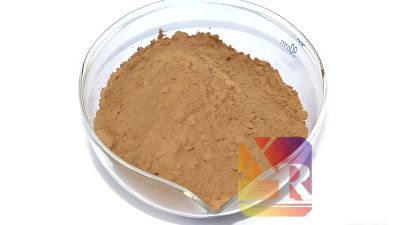
When it comes to manufacturing, the choice of materials really makes a big difference in the quality and how long the product lasts. You’ve probably heard of Iron Oxide Pigment? It’s become super popular for all sorts of applications because of its impressive qualities. Dr. Sarah Williams, a color science expert over at Spectrum Color Solutions, points out that “Iron Oxide Pigment offers durability and versatility that you just don’t get with traditional pigments.” That really hits home for industries that need colors to stay vibrant and resist fading over time. Plus, Iron Oxide isn’t just about the color—it’s eco-friendly too. It’s non-toxic and sourced naturally, so it’s a responsible pick for companies aiming for sustainability.
Of course, it’s not all smooth sailing. There are some little hurdles, like matching colors perfectly and dispersing the pigment evenly. It might require some extra training or resources to get the most out of Iron Oxide. As brands continue to prioritize quality and being kinder to the environment, really understanding what Iron Oxide can do becomes more and more important. It’s a game changer in many ways, but like with anything, there’s a bit of a learning curve to master it properly.
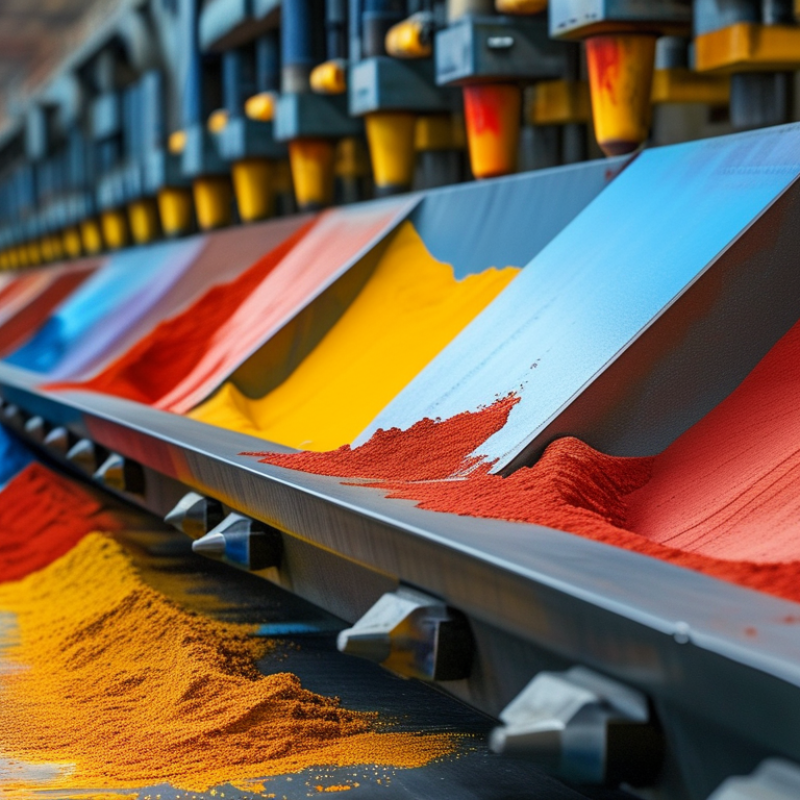
Introduction to Iron Oxide Pigments
Iron oxide pigments have gained popularity in various manufacturing processes. These pigments are synthesized from iron ore, providing a versatile coloring option. Their vibrant hues range from deep reds to bright yellows, allowing manufacturers to meet diverse aesthetic needs. The natural abundance of iron oxide contributes to its cost-effectiveness.
These pigments are non-toxic and environmentally friendly. Their stability against UV light and heat makes them suitable for outdoor applications. However, manufacturers must be cautious about the specific formulations used. Inconsistent quality can occur if proper sourcing methods are not followed. While the benefits are significant, a commitment to quality is crucial to avoid potential pitfalls.
Many industries, such as construction and paints, utilize iron oxide pigments. Each application demands a unique blend. Understanding the behavior of these pigments under different conditions is essential. Although advancements have been made, it's important to remain aware of ongoing developments in pigment technology. Continuous education and adaptation can enhance product performance and safety.
What Are the Benefits of Using Iron Oxide Pigment in Manufacturing?
| Benefit |
Description |
Applications |
| Durability |
Iron oxide pigments are known for their resistance to fading and weathering, ensuring long-lasting color. |
Coatings, plastics, and concrete. |
| Non-toxic |
They are safe for use in various applications, including those in the food and cosmetics industries. |
Food packaging, cosmetics, and children’s toys. |
| Versatility |
Available in a range of colors, they can be used in numerous manufacturing processes. |
Paints, inks, and plastics. |
| Cost-effective |
They provide an economical solution for coloring materials without sacrificing quality. |
Construction materials, coatings, and ceramics. |
| Eco-friendly |
Iron oxide pigments are made from naturally occurring iron oxides and are recyclable. |
Sustainable building materials and green products. |
Types of Iron Oxide Pigments and Their Properties
Iron oxide pigments are categorized into several types, each with distinct properties. The most common types include red, yellow, and black iron oxides.
Red iron oxide is known for its vibrant shade and excellent stability. It offers good hiding power and UV resistance, making it ideal for outdoor applications.
Yellow iron oxide provides a lighter hue and enhances paint formulations with its opacity and tint strength.
Black iron oxide is often used for its deep color and strong coverage.
When considering their properties, iron oxide pigments are non-toxic and environmentally friendly. They display excellent resistance to heat and chemical degradation, which is crucial in various manufacturing processes.
However, one must evaluate the right type for specific applications. Using the wrong shade can lead to inconsistencies in color and performance.
Additionally, while they are versatile, their dispersion may require additional agents, which complicates manufacturing.
This is often overlooked but should be addressed during production planning.
Applications of Iron Oxide Pigments in Various Industries
Iron oxide pigments play a significant role in various industries. These pigments are widely used in construction, cosmetics, and automotive sectors. Their remarkable stability and resistance to UV light make them ideal for outdoor applications. In the construction industry, Red Iron Oxide Pigment is commonly utilized in paints and coatings. It provides durability and a rich color. This pigment also helps to prevent fading, making it perfect for long-lasting finishes.
In the cosmetics industry, red iron oxide pigment is popular in makeup products. Its vibrant colors enhance the appearance of eyeshadows and lipsticks. These pigments are safe and non-toxic, ensuring consumer health is prioritized. Moreover, in the automotive sector, iron oxide pigments are used in coatings for vehicles. They ensure a high-quality finish and protect against rust and wear.
A few factors should be considered when using red iron oxide pigment. Ensure proper mixing for consistent color distribution. Also, always test a small batch to gauge the final result. Pay attention to the quality of the pigment to avoid issues. Using inferior quality may lead to unexpected variations. Observations during the application process can help refine techniques and improve outcomes.
Advantages of Using Iron Oxide Pigments in Manufacturing Processes
Iron oxide pigments are widely recognized for their durability and versatility in manufacturing. These pigments are non-toxic and provide excellent color stability. Their natural origin makes them a favorite in eco-friendly processes. Additionally, iron oxide pigments have unique characteristics, such as heat resistance, which enhance the overall quality of the products they are used in.
While they offer many benefits, using iron oxide pigments also presents challenges. Achieving the desired shade may require careful blending, as not all shades are available commercially. Manufacturers must experiment with different combinations to get the perfect match for their needs. It's essential to consider the quality of the pigment, as cheaper options may result in inferior outcomes.
For successful integration in manufacturing, take note of the application method. Mixing iron oxide pigments into resins or coatings requires precise ratios. This process can be tricky, as even minor differences may impact color intensity. Regular testing can help in achieving consistent results. Collaboration with experts can also lead to better solutions tailored to specific manufacturing requirements.
Environmental Impact and Safety of Iron Oxide Pigments
Iron oxide pigments are widely used in various manufacturing processes. They come with a range of benefits, especially in terms of environmental impact and safety. Unlike synthetic pigments, iron oxides are naturally derived. This gives them an edge in sustainability. They do not release harmful chemicals during production or use.
From a safety perspective, iron oxide pigments are non-toxic and safe to handle. Their low volatile organic compound (VOC) emissions add to their appeal in manufacturing. However, it's important to note that not all products labeled as iron oxide pigments are created equal. Quality can vary significantly. Proper sourcing is crucial to ensure safety standards are met.
The environmental benefits of Black Iron Oxide Pigment are noteworthy. They can be produced with minimal waste. Additionally, they are durable and stable, which makes them ideal for various applications. Nonetheless, there are still concerns regarding potential mining impacts. Responsible practices are essential to mitigate any negative effects. The balance between benefits and drawbacks requires ongoing evaluation.
Comparative Analysis with Other Pigment Types
Iron oxide pigments, particularly Brown Iron Oxide Pigment, offer unique benefits in manufacturing. These pigments provide excellent stability in various applications. They are resistant to fading, making them ideal for products exposed to sunlight. This stability is a key factor compared to other pigments that may degrade more quickly. Brown Iron Oxide Pigment can endure extreme temperatures too, which is not always the case with organic pigments.
When comparing Brown Iron Oxide Pigment with alternatives, the differences are clear. Organic pigments may give vivid colors but lack the durability of iron oxides. They are also prone to chemical reactions, leading to potential failures in manufacturing processes. On the other hand, Brown Iron Oxide Pigment is inert and won’t react chemically, ensuring consistent performance over time. However, it may lack the bright shades that some manufacturers desire.
Sustainability is also a concern. Iron oxide pigments are often regarded as more environmentally friendly than synthetic alternatives. However, sourcing minerals can still pose challenges. The mining process can impact the environment, even if the final product is safer. This balance between benefits and challenges should be carefully considered when choosing a pigment type for manufacturing.
Future Trends in Iron Oxide Pigment Development and Use
The market for iron oxide pigments is evolving rapidly. As manufacturers look for sustainable options, the use of iron oxide pigments is gaining traction. According to a recent industry report, the global iron oxide pigments market is projected to reach $2.5 billion by 2027. This growth reflects increased demand across various applications, including coatings, plastics, and construction materials.
Looking ahead, innovation in production methods is expected to change the landscape. Advances in eco-friendly synthesis may enhance the performance of Iron Oxide Yellow Pigment. Manufacturers are focusing on minimizing environmental impact while maintaining quality. Additionally, the trend towards using non-toxic pigments will likely drive demand for iron oxide products. The versatility and durability of these pigments continue to make them a preferred choice.
When selecting iron oxide yellow pigment, consider the intended application carefully. Different formulations offer varying levels of opacity and color strength. Test samples whenever possible, as this can lead to better results in your final products. The pigment's ability to resist fading under UV exposure is crucial for long-lasting applications. Remember, while iron oxide pigments are robust, they can sometimes vary in consistency. Adjusting formulations could be necessary to achieve optimal outcomes.
Comprehensive Guide to Pigment Intermediates: Key Products for Efficient Color Production
Pigment intermediates are vital components in the production of a vast array of colorants, particularly azo pigments, which dominate the yellow, orange, and red color spectrum. These intermediates, predominantly benzene-based, form the backbone of many synthetic reactions that lead to the creation of these vibrant colors. By employing benzene derivatives, manufacturers can efficiently generate large quantities of azo pigments, ensuring consistent performance and quality in various applications, such as textiles, plastics, and coatings.
In addition to benzene-based options, naphthalene-based intermediates play a crucial role in the synthesis of phenolic azo pigments and specialized acidic pigments. Compounds like 2-naphthol, Tobler acid, and J acid serve as essential building blocks that allow for the creation of pigments with unique properties, including improved adhesion and durability. The versatility of these intermediates supports a wide range of color applications, catering to industries that require specific performance characteristics in their colorants.
Furthermore, anthraquinone-based intermediates offer another layer of innovation in pigment production. Compounds such as anthraquinone and 1-aminoanthraquinone enable the formulation of high-performance pigments with exceptional fastness properties. These pigments not only meet the demands for vibrant and stable colors but also provide excellent resistance to environmental factors, making them suitable for various demanding applications. The continuous development of these pigment intermediates underscores their importance in achieving efficient color production across multiple sectors.
FAQS
: Iron oxide pigments are durable, versatile, and non-toxic. They provide excellent color stability and heat resistance.
Yes, achieving the desired shade requires careful blending. Not all shades are commercially available. Experimenting is often necessary.
Mixing requires precise ratios. Minor differences can greatly impact color intensity. Regular testing is essential for consistency.
Iron oxide pigments offer better durability. Organic pigments may fade quickly and react chemically, risking product failure.
They are generally more eco-friendly than synthetic pigments. However, mining can still negatively impact the environment.
The market is growing rapidly. Expected to reach $2.5 billion by 2027 due to increasing demand across various sectors.
Eco-friendly synthesis methods are being developed. These aim to improve performance while minimizing environmental impacts.
Testing is crucial for achieving better results. Different formulations can give varying opacity and color strength.
Yes, they can sometimes vary. Adjusting formulations may be necessary to achieve optimal outcomes in final products.
Consider the intended application and the pigment's ability to resist fading under UV exposure for long-lasting results.
Conclusion
Iron oxide pigments are naturally occurring compounds that offer numerous advantages in manufacturing across various industries. These pigments are known for their excellent durability, UV stability, and color retention, making them suitable for applications in paints, plastics, construction materials, and cosmetics. The benefits of using iron oxide pigments include their non-toxic nature, cost-effectiveness, and environmental friendliness, as they are derived from abundant natural resources.
Moreover, iron oxide pigments have a minimal environmental impact compared to synthetic alternatives. They are generally safe to handle and do not pose significant health risks, further enhancing their appeal in manufacturing processes. A comparative analysis with other pigment types highlights the superior performance of iron oxide pigments in terms of color stability and safety. Future trends indicate a growing preference for these pigments, driven by advancements in technology and increasing demand for sustainable manufacturing practices. Overall, iron oxide pigments stand out as a valuable choice for manufacturers seeking reliable and environmentally responsible color solutions.