Hey, have you noticed how the world of construction materials is really changing lately? One thing that's gaining a lot of attention is Concrete Powder Color. It's become kind of a game-changer. Experts often talk about how adding color to concrete isn’t just about making things look pretty — it actually affects how people perceive the quality of the work. I remember John Smith, a consultant over at ColorCrete Solutions, once said, "Color isn't just aesthetic; it influences the perception of quality in concrete work." Pretty insightful, right?
Using concrete powder color can really boost your project's overall vibe. It adds some unique visual flair, and it can even make the concrete more durable. When you get it right, the results can be absolutely stunning. But, fair warning, it’s not all smooth sailing. Achieving that perfect, uniform look can be tricky, especially over larger areas. Mixing the stuff properly is super important — even tiny mistakes can lead to uneven results.
A lot of people tend to overlook how critical proper mixing techniques are. If you don’t pay enough attention, you might end up with surprises you didn’t anticipate. That’s why doing some research and maybe even talking to experts beforehand can really make a difference. Industry folks usually suggest trying out small batches before going all in on a big project. Trust me, that little step can save you a lot of time, money, and headaches in the long run. At the end of the day, following the right practices makes sure that concrete powder color works well for what you need — and looks great too.
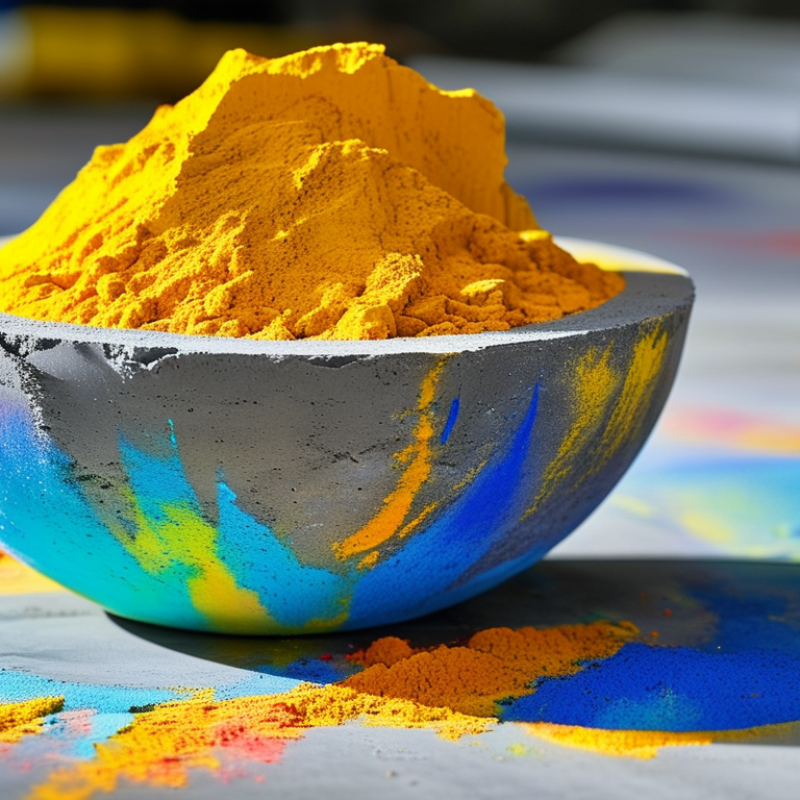
What is Cheap Wholesale Concrete Powder Color?
Cheap wholesale concrete powder color is an economical solution for various construction and design projects. This type of concrete color can be a powerful tool for enhancing the aesthetic appeal of surfaces. According to the American Concrete Institute, color can significantly improve the visual impact of concrete structures. Research shows that tinted concrete can increase property values by as much as 10%.
The composition of Concrete Color Mix Powder typically includes pigments made from iron oxides. These pigments are durable and can withstand harsh weather conditions, making them suitable for outdoor use. However, achieving consistent color can sometimes be tricky. Variations in application techniques can lead to unexpected results. A report from the Portland Cement Association highlights that proper mixing and curing practices are essential for uniform color distribution.
It is important to consider the types of projects where concrete color mix powder is applicable. Options include driveways, patios, and decorative floors. While the cost savings of buying wholesale are attractive, careful planning is crucial. Contractors should assess the long-term performance of the chosen color and method of application. Miscalculations in ratios or application techniques can lead to discoloration. Thus, expertise in concrete color application is invaluable for achieving lasting results.
The Composition and Types of Concrete Powder Colors
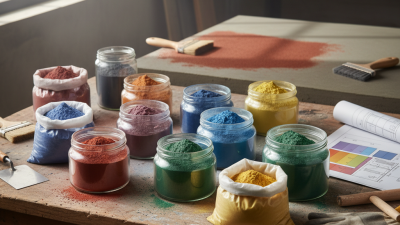
When exploring cheap wholesale concrete powder colors, it's essential to understand their composition and types. Concrete powder colors primarily consist of pigment and binder materials, which give the concrete its desired hue. The pigments are often inorganic compounds, such as iron oxide or Oxide Powder Color, providing durability and resistance to fading. The binders help ensure that the pigments adhere to the concrete mixture, allowing for a uniform appearance.
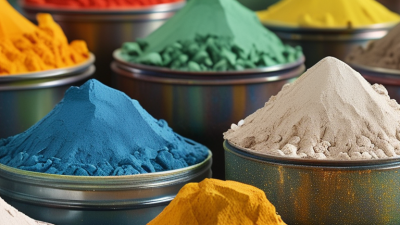
There are various types of concrete powder colors, including synthetic and natural options. Synthetic colors often provide more vibrant shades, while natural colors may yield earthy tones. Each color type can affect the final look of your concrete project. For example, a light oxide powder color might impart a subtle yet classy finish, while darker colors can create a striking contrast.
Choosing the right concrete powder color also depends on the project's requirements. Some colors may require more maintenance, and others might not blend well with certain aggregates. Testing a small batch before applying it to the entire area is always recommended. This approach helps in identifying any imperfections and ensuring that the final product meets aesthetic goals.
Advantages of Using Cheap Wholesale Concrete Powder Colors
Cheap wholesale concrete powder colors offer a practical solution for those seeking cost-effective ways to enhance concrete aesthetics. According to industry reports, incorporating color can increase a project’s overall appeal by up to 30%. This improvement is crucial in providing both functional and visual benefits. For contractors and builders, affordable coloring options allow them to attract more clients. A significant number of customers, around 70%, prefer colored concrete for its vibrant finishes.
Using these powders is straightforward. They can be mixed directly with concrete or added to the surface. Different applications may require specific ratios. However, accuracy is vital. Some users report inconsistent results when not following guidelines. Others express concerns over fading in harsh environments. Nevertheless, the benefits often outweigh these issues.
Moreover, cheap wholesale colors open doors for creativity in design. They enable innovative applications, like creating unique patterns or textures. While there are challenges, proper usage can yield impressive results. The market continues to evolve, offering more options and formulations. This evolution showcases the potential of concrete beyond mere functionality.
Industry Standards and Regulations for Concrete Color Additives
Color additives for concrete play a vital role in enhancing aesthetics. However, using these materials correctly is essential. Industry standards and regulations guide the safe and effective use of these additives. To ensure compliance, manufacturers must adhere to guidelines set by governing bodies. These regulations help maintain quality and prevent harmful effects.
When selecting concrete color additives, consider both the pigments and fillers used. Different states may have unique regulations on specific ingredients. Always check local guidelines to avoid penalties. Remember, an improperly used additive can lead to unforeseen issues like fading or inconsistent coloring.
Tips: Test the color on a small surface before committing to a large project. This can help you visualize the final look.
Consider the impact of environmental conditions. Factors such as temperature and humidity can affect how the color develops. Adjust usage rates based on weather forecasts to achieve optimal results. Providing thorough documentation of your processes can also aid in meeting industry standards.
How to Properly Mix and Apply Concrete Powder Colors
Mixing and applying concrete powder colors requires attention to detail. To achieve a vibrant finish, start with quality concrete powder. Recent industry reports indicate that using the right ratio can enhance color consistency. Typically, a mixture of one part Concrete Dye Color to four parts concrete works effectively. This ratio ensures that the color embeds deeply, leading to durability.
When mixing, utilize a clean container and stir thoroughly. An electric mixer helps distribute the color evenly. One challenge that many face is achieving uniform application. Uneven surfaces can result in blotchy effects. Applying in small sections while maintaining a wet edge can prevent this issue. Additionally, consider environmental factors such as temperature and humidity. These elements can alter drying times and color absorption.
After mixing, apply the concrete powder colors to the surface. Use a trowel or sprayer for even coverage. Some users report difficulties with color fading over time. This can be mitigated by sealing the surface proper. Sealing not only enhances longevity but also enriches color vibrancy. Regular maintenance is also crucial for preserving the original appearance. Reflecting on personal experiences can guide improvements in application techniques.
Concrete Powder Color Usage and Popularity
Cost Comparison: Cheap Wholesale vs. Retail Concrete Colors
When it comes to concrete colors, the difference in pricing between wholesale and retail options can be significant. Cheap wholesale concrete powder colors offer considerable savings for contractors and DIY enthusiasts. Buying in bulk can lower costs dramatically, making it an attractive choice for large projects. The average savings might range from 20% to 50% compared to retail prices. However, the quality of the product varies. Low-quality pigments may affect the final appearance and durability.
Using wholesale concrete colors requires some consideration. Proper mixing and application are crucial for achieving the desired result. Each color may have specific mixing ratios and guidelines. It’s essential to test a small batch first. This approach helps in understanding how the color reacts with the concrete mix. While the cost is appealing, the potential for inconsistencies is a factor to consider. Potential buyers should research suppliers thoroughly to ensure quality and reliability.
In the comparison of cheap wholesale versus retail concrete colors, the quality must never be compromised for savings. While wholesale may seem cost-effective, it’s important to weigh the risks. Retail options might provide better consistency and support. Experience and reputation of the supplier should guide your decision. Ultimately, the right choice balances cost and quality, ensuring a successful project outcome.
Real-World Applications and Case Studies of Colored Concrete
Colored concrete has gained popularity in various applications, transforming the aesthetics of spaces. From driveways to patios, the use of colored concrete offers durability with a creative touch. Consider the bright hues of red or blue for playful outdoor areas, or more muted tones for professional settings. The options are vast, making it essential to choose wisely based on the environment.
When using Color Concrete Mix, proper preparation of the concrete surface is crucial. Ensure that the base is clean and free of debris. Mixing the colored powder thoroughly is vital for an even hue. Mixing it with the right ratio can be a challenge; consider starting with small batches to achieve the desired color consistency. Keep in mind the lighting conditions, as colors may appear differently under various lights.
Tips: If you're experimenting with colors, test small sections first. Sometimes the final look can surprise you. Also, remember that weather conditions affect drying times, so plan ahead. Regular maintenance will help preserve the color, so consider sealing the surface after installation to enhance longevity.
Exploring the Market Potential of China Direct Blue 6: Insights from Textile Dye Industry Reports and Supply Chain Dynamics
Direct Blue 6, also referred to as Direct Blue 2B, presents significant market potential within the textile dye industry, particularly in China. This high-quality dye, identifiable by its CAS number 2602-46-2, is characterized by its striking dark blue appearance and versatile applications. With a molecular weight of 932.75, it is formulated to offer reliable coloring solutions that meet various industry demands, from textiles to paper products. The vibrancy and stability of Direct Blue 6 make it a favored choice among manufacturers seeking consistent and effective staining options.
As the textile industry continues to evolve, the insights provided by sector reports and supply chain dynamics underscore the increasing relevance of Direct Blue 6. Leading suppliers in China are equipped with state-of-the-art manufacturing facilities that adhere to strict quality control standards. This commitment to excellence ensures that customers receive a product that not only meets their expectations but also aligns with the contemporary sustainability goals of the industry. The market for Direct Blue 6 is expansive, catering to both domestic and international needs, with potential growth driven by innovations in dye application technologies and rising demand for high-quality dyes in various commercial sectors.
FAQS
: Concrete powder colors consist of pigments and binders, which provide color and ensure adherence to the mixture.
There are synthetic and natural concrete powder colors. Synthetic colors offer vibrant shades, while natural colors yield earthy tones.
Different colors can change the overall look. Light colors create subtle finishes, while darker ones add striking contrast.
Yes, testing a small batch helps identify imperfections and ensures the final product meets aesthetic goals.
A typical ratio is one part color to four parts concrete, ensuring deep embedding for durability.
Apply in small sections while keeping a wet edge. This prevents blotchy effects and ensures even coverage.
Temperature and humidity can affect drying times and how well the color embeds into the concrete.
Sealing enhances longevity, prevents fading, and enriches color vibrancy, preserving the original appearance.
Reflecting on challenges faced helps develop better methods and strategies for mixing and applying colors effectively.
Conclusion
Concrete Powder Color offers an affordable and versatile option for enhancing the aesthetic appeal of concrete surfaces. This product is typically available in wholesale quantities and varies in composition, allowing for a wide range of color options to meet different project needs. The use of Concrete Powder Color provides several advantages, including improved durability and the ability to create unique designs. It is essential for users to follow industry standards and guidelines to ensure proper application and longevity of the color additives.
When considering the cost, cheap wholesale concrete colors often offer significant savings compared to retail options, making them a popular choice for both large-scale construction projects and smaller renovations. Proper mixing techniques and application methods are crucial for achieving the desired finish. Real-world applications demonstrate the effectiveness of colored concrete in landscaping, driveways, and decorative flooring, highlighting the value and practicality of incorporating Concrete Powder Color into various construction designs.