You know, China has really stepped up as a major player in the global Iron Oxide Pigment scene. A lot of folks are on the lookout for reliable suppliers because the demand for high-quality iron oxide keeps climbing—especially with industries like coatings and construction pushing things forward. These pigments are kind of a big deal when it comes to adding vibrant colors and ensuring stability in finished products.
Some of the top names like GJW Pigments and Yuxin Pigments have earned quite a reputation. They've got the experience and skills to produce top-notch materials, and buyers really trust them for consistent quality and dependability. But, of course, the market isn’t all smooth sailing. There are some suppliers out there who might not quite hit the mark, so it’s super important for buyers to do their homework before making any commitments.
One thing to keep in mind is that being able to offer custom solutions really sets some suppliers apart. Different projects call for specific pigment formulations, and buyers should look for partners who understand these unique needs. Building a strong relationship with a supplier can make all the difference in getting the results you want. Overall, with the market constantly changing, taking the time to pick the right iron oxide pigment supplier is more important than ever if you want the best outcome.
China's Position in the Global Iron Oxide Pigment Market
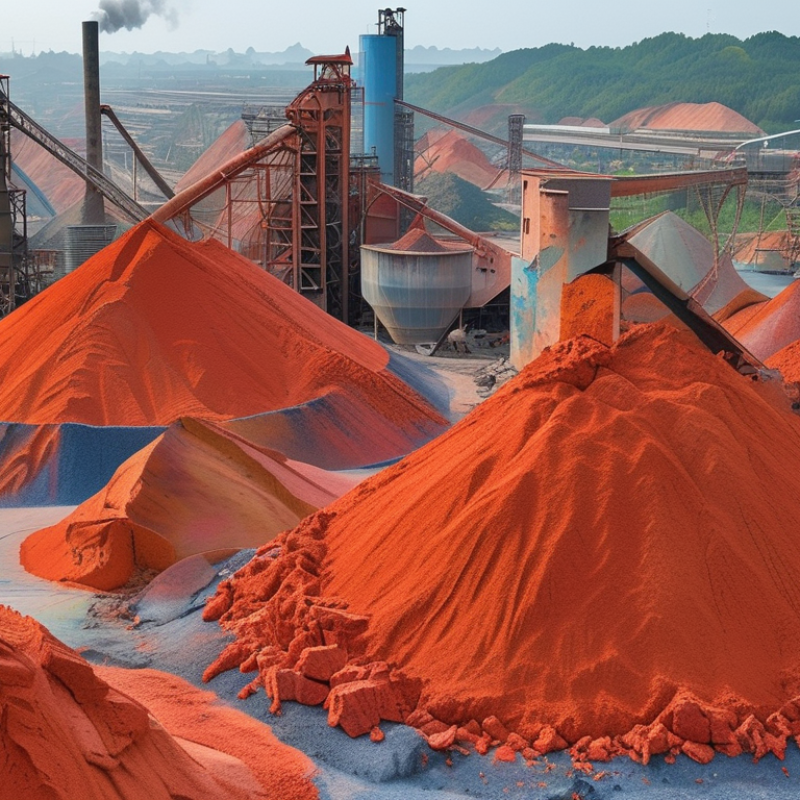
China has emerged as a leading supplier in the global iron oxide pigment market. The country benefits from a rich supply of raw materials and advanced manufacturing capabilities. These attributes enable Chinese companies to produce cost-effective pigments, including the widely used Red Iron Oxide Pigment.
The demand for red iron oxide pigment is driven by various industries. Construction, coatings, and plastics require durable and vibrant colors. China’s factories have scaled up production to meet this growing global demand. However, supply chain challenges and environmental regulations pose obstacles. Chinese manufacturers must adapt to maintain their competitive edge.
Sustainability is an area for reflection in this market. Some manufacturers face scrutiny over environmental practices. This raises questions about long-term viability. Consumers seek reliable sources, and transparency is key. As the market evolves, China's position will depend on balancing economic growth with environmental responsibility.
Key Characteristics of High-Quality Iron Oxide Pigments
Iron oxide pigments are essential in various industries, including coatings, plastics, and construction. High-quality pigments exhibit specific characteristics that determine their performance and suitability. One key quality indicator is color consistency. It ensures uniformity across batches, making it crucial for manufacturers. According to the Global Iron Oxide Pigments Market Report, the demand for consistent shades is on the rise, underscoring its importance.
Another vital characteristic is opacity. High-opacity pigments contribute to better coverage and reduced usage rates. This can lead to cost savings. Notably, studies indicate that pigments with high hiding power often result in fewer necessary coats, enhancing efficiency and durability in applications. Texture and particle size also play a critical role. Fine, well-dispersed particles create a smoother finish, as highlighted by various industry analyses.
One must consider environmental aspects too. Quality pigments should be non-toxic and offer excellent stability against weather conditions. A report on sustainable pigments emphasizes the need for eco-friendly options. This growing demand challenges manufacturers to innovate while maintaining reliability. Industry players are still working on balancing these requirements with cost-effectiveness. The pursuit of achieving superior performance often reveals gaps in existing products, necessitating ongoing research and development.
Top Iron Oxide Pigment Suppliers in China
China has established itself as a key player in the global iron oxide pigment market. The country is home to numerous suppliers who provide a variety of high-quality pigments, including Black Iron Oxide Pigment. According to recent industry reports, the global iron oxide pigment market is projected to reach USD 4.87 billion by 2026, growing at a CAGR of 6.2%. China accounts for a significant share of this market.
The leading suppliers in China focus on innovation and quality control. They utilize advanced manufacturing processes and raw materials to produce pigments that meet international standards. A report from Research and Markets indicates that the Chinese iron oxide pigment industry is expected to benefit from increasing applications across construction, coatings, and plastics sectors. However, there are challenges. Some suppliers struggle with consistent product quality and environmental regulations. This inconsistency can impact buyer trust.
Sustainability is another critical area for suppliers. Many businesses face pressure to adopt eco-friendly practices. According to a survey, 68% of pigment manufacturers in China are looking to improve sustainability while managing production costs. Buyers worldwide seek reliable sources that prioritize both quality and environmental responsibility. As information continues to evolve, staying aware of suppliers' practices remains crucial for global buyers.
China Best Iron Oxide Pigment Supplier for Global Buyers
| Supplier Type |
Annual Production Capacity (Tons) |
Export Experience (Years) |
Main Export Markets |
Quality Certification |
| Manufacturer |
50,000 |
10 |
North America, Europe, Asia |
ISO 9001, ASTM |
| Trader |
20,000 |
5 |
South America, Middle East |
SGS, CE |
| Distributor |
30,000 |
8 |
Australia, Africa |
ISO 14001, FSC |
| Manufacturer |
40,000 |
12 |
Canada, Europe |
ISO 9001, REACH |
Factors Influencing Iron Oxide Pigment Pricing
The pricing of iron oxide pigments, particularly the Brown Iron Oxide Pigment, is influenced by several key factors. One significant element is the production cost. This includes raw materials, energy, and labor expenses. When these costs increase, manufacturers often pass some of that on to buyers. Moreover, fluctuations in the global supply chain can cause unexpected price changes. Disruptions, whether due to natural disasters or geopolitical issues, may impact the availability of essential raw materials.
Market demand also plays a crucial role in pricing. In industries such as construction and coatings, the need for brown iron oxide pigment can change rapidly. Seasonal demands can strain manufacturing, leading to price hikes. Additionally, competition among suppliers significantly affects pricing strategies. Some suppliers may choose to lower prices to gain market share, while others maintain higher prices based on quality perceptions.
Buyers should also consider the purity and quality of the pigments. Higher quality pigments often come at a premium. However, lower-quality options might compromise product performance. Thus, balancing cost with quality is essential for buyers. Understanding these factors can help global buyers make more informed decisions when sourcing pigments.
Sustainability Practices among Chinese Pigment Manufacturers
Sustainability practices have become essential for pigment manufacturers, especially in China. With increasing global environmental concerns, Chinese suppliers are focusing on green production methods. According to a recent report, over 70% of Chinese pigment manufacturers are adopting eco-friendly processes, aiming to reduce water and energy consumption.
These companies are now implementing waste recycling measures. Many have established closed-loop systems to minimize waste. This transition not only supports sustainability but also enhances cost-efficiency. For example, a study indicated that such practices can reduce production costs by 30%. However, challenges remain. Some small-scale producers still rely on outdated methods, which can hinder industry-wide progress.
Certifications play a crucial role in establishing credibility. Many buyers look for ISO standards or other eco-friendly certifications before making purchases. This trend urges all manufacturers to evaluate and improve their practices continuously. The pressure to enhance sustainability could spur innovation, but it also raises questions about compliance and transparency within the industry.
Global Sustainability Practices of Chinese Iron Oxide Pigment Manufacturers
Global Trends Affecting Iron Oxide Pigment Demand
Global trends significantly impact the demand for
iron oxide pigments. The
construction and
automotive sectors are becoming increasingly reliant on these pigments. In recent years,
green initiatives have pushed industries to seek sustainable solutions.
Companies are preferring pigments that boast environmental safety. This shift may challenge traditional suppliers.
Economic changes also influence pigment demand.
Fluctuations in raw material costs can create instability. Manufacturers might need to adapt quickly.
Additionally, consumer preferences are evolving. Buyers now expect more than just color; they seek
eco-friendly options. This growing market for
Iron Oxide Yellow Pigment
reflects this trend.
Supply chain disruptions can further complicate the landscape. An efficient supply chain is critical. Yet,
delays and interruptions often occur. As buyers look for reliable suppliers, securing quality becomes paramount.
Balancing cost and quality remains a challenge.
These factors necessitate ongoing reflection and adaptability in sourcing practices.
Future Prospects for China's Iron Oxide Pigment Industry
China's iron oxide pigment industry shows promising prospects. The market is expanding due to its diverse applications. Industries like construction, coatings, and plastics use these pigments extensively. Their durability and stability make them a preferred choice. However, the industry must address environmental concerns. Production processes can cause pollution if not managed properly.
Innovation is vital for growth. The sector needs to adopt sustainable practices. Many manufacturers are now exploring eco-friendly methods. This shift ensures compliance with global regulations. It also attracts customers who prioritize sustainability. Research into new pigment formulations is essential too. This can enhance performance and reduce costs.
Competition is increasing in the global market. Local suppliers must focus on quality and reliability. Some businesses struggle with consistency in their product offerings. This inconsistency can undermine trust among buyers. To succeed, companies must invest in quality control systems. Building strong relationships with customers is another key area for improvement. Companies should regularly engage with their clients to gain insights.
Optimizing Azo and Anthraquinone Pigment Production: High-Quality Intermediates from Chinese Suppliers
In the realm of pigment production, optimizing the synthesis of azo and anthraquinone pigments is critical for achieving high-quality outcomes. Azo pigments, particularly those in the vibrant yellow, orange, and red spectrum, rely on various benzene-based intermediates. Leading suppliers in China provide an extensive selection of these intermediates, which are indispensable in large-scale pigment manufacturing. According to industry reports, the demand for such intermediates continues to rise, driven by the broad application of azo pigments in textiles, coatings, and plastics.
In addition to benzene-based intermediates, naphthalene derivatives such as 2-naphthol, 2,3-acid, Tobler acid, and J acid are pivotal in the production of phenolic azo and acidic pigments. These compounds not only enhance the production process but also ensure the stability and vibrancy of the final pigment products. Trustworthy Chinese factories have solidified their reputation by consistently delivering high-quality intermediates, thus supporting the ever-demanding pigment market.
Moreover, anthraquinone-based intermediates play an instrumental role in the synthesis of high-performance pigments. Key compounds like anthraquinone, 1-aminoanthraquinone, and bromoacetic acid are essential in developing anthraquinone reducing pigments noted for their exceptional fastness and color strength. This quality is crucial in applications where durability and longevity of color are paramount, making reliable sourcing from reputable suppliers in China an advantageous strategy for businesses aiming to elevate their pigment production capabilities.
FAQS
: Various industries, including construction and coatings, need durable and vibrant colors. This creates consistent demand.
China benefits from abundant raw materials and advanced manufacturing. This helps produce cost-effective pigments efficiently.
Supply chain issues and environmental regulations pose significant obstacles. Manufacturers need to adapt to stay competitive.
Environmental practices are scrutinized. Consumers demand transparent and reliable sources, affecting long-term business viability.
Pricing depends on production costs, market demand, and competition among suppliers. These factors influence buyer decisions.
Inconsistencies in manufacturing and meeting regulations can impact quality. Buyers must carefully evaluate supplier practices.
Buyers should prioritize suppliers that demonstrate eco-friendly practices and maintain high quality. Transparency is essential.
There’s a focus on sustainability and innovative manufacturing processes. Industry growth is linked to construction and coatings needs.
Yes, fluctuations in raw material costs and unexpected supply chain disruptions can lead to significant price changes.
Higher quality pigments may cost more but offer better performance. Balancing cost with quality is crucial for success.
Conclusion
China has established itself as a leading player in the global iron oxide pigment market, attributed to its extensive production capabilities and technological advancements. High-quality iron oxide pigments are characterized by their exceptional color stability, durability, and environmental safety, making them essential in various industries such as construction, automotive, and coatings. The competition among top suppliers in China is fierce, driven by factors such as production costs, raw material availability, and market demand, significantly influencing pricing structures.
Furthermore, sustainability practices are becoming increasingly important among Chinese pigment manufacturers as they adapt to global environmental standards. Trends such as the growing demand for eco-friendly products are reshaping the iron oxide pigment landscape, ensuring that the industry remains competitive and responsive to market needs. Looking ahead, China's iron oxide pigment industry is poised for growth, with continuous innovations and improvements in production processes that could further enhance its position in the global market.