Picking the right Disperse Dye can really make a huge difference when you're aiming for vibrant colors and durability in your fabrics. Honestly, there are quite a few things to consider. The type of fabric you're working with, what you plan to use it for, and the actual dyeing process all play a part in the end result. For example, polyester tends to need specific dye characteristics to get that rich, deep color you’re after.
Getting a handle on what makes Disperse Dye special is pretty important. It’s mainly used for synthetic fibers, so understanding how it interacts with different materials can save you a lot of headaches. Sometimes, dyeing with it can feel tricky—results might not turn out as expected, which can be pretty frustrating. That’s where having some experience and knowing your stuff really makes a difference.
Every fabric kind of has its own quirks, you know? Choosing a Disperse Dye that matches those quirks is really key. Honestly, it’s a bit of a learning process—sometimes you gotta experiment and learn from what works and what doesn’t. But in the end, picking the right dye makes all the difference in achieving the look and feel you want. So yeah, it’s worth putting some thought into this—they’re little details that pay off in the end.
Understanding Disperse Dyes and Their Applications
Disperse dyes are crucial for dyeing synthetic fabrics like polyester. These dyes are non-ionic, allowing them to penetrate the fiber structure effectively. When heated, disperse dyes transfer from water to fabric, resulting in vibrant colors that withstand washing. Understanding this process is vital for achieving the desired aesthetic in textiles.
The application of disperse dyes involves careful selection based on fabric type and the desired outcome. Factors like temperature, time, and dye concentration impact the final color quality. It’s essential to consider the dye's compatibility with your fabric; colors may vary significantly across different types. Some users report inconsistent results when experimenting with different fabrics, highlighting the need for careful testing.
It’s important to remember that not every dye suits every fabric. Misjudgments in dye selection can lead to unsatisfactory results, such as fading or uneven coloration. Documentation of your dyeing process can help you analyze and improve future projects. Engaging in community forums and learning from others' experiences can enhance your dyeing techniques and understanding of disperse dyes.
Factors to Consider When Choosing Disperse Dyes
Choosing the best disperse dye requires careful consideration of several factors. First, the type of fabric plays a crucial role.
Natural fibers, like cotton or wool, may not accept disperse dyes well. In contrast, synthetic fibers such as polyester tend to absorb these dyes more effectively.
It’s essential to match the dye to the fabric type for optimal results.
Another factor is the desired colorfastness. This refers to how well the dye resists fading over time.
Test swatches can help assess the color's durability. You may find that some dyes fade faster than others when exposed to light or washing.
A dye that seems vibrant initially might lose its appeal sooner than expected.
Temperature and application method are also key considerations. Some dyes require high heat for proper fixation, while others can work at lower temperatures.
It’s valuable to experiment based on your specific needs. Many users have reported unexpected results when this factor was overlooked.
Adjusting application techniques could lead to better outcomes. Having the right knowledge and preparation can significantly enhance dyeing success.
Matching Disperse Dyes with Different Fabric Types
Choosing the right disperse dye for your fabric can be challenging. The type of fabric plays a crucial role in dye selection. Different fibers react uniquely to dyes. Polyester, for instance, is often dyed with azo disperse dye. This dye type provides vibrant colors on synthetic fibers. It can transfer heat to create long-lasting hues.
When dealing with nylon, the approach is a bit different. This synthetic fabric is compatible with both disperse dyes and acid dyes. However, too much heat can cause damage. It's important to monitor temperatures carefully. Natural fibers, like cotton or linen, might not be suitable for disperse dyes. These fabrics absorb dyes differently, leading to less vibrant results.
It's also essential to consider fabric blends. A mixed fabric may not take on color uniformly. This can result in unexpected shading, which can be both exciting and frustrating. Experimentation is often necessary to find the right dye combination. Testing on fabric scraps can save time and resources. The learning curve is steep, but persistence leads to more reliable outcomes.
Evaluating Colorfastness and Performance of Disperse Dyes
Evaluating colorfastness is crucial when selecting disperse dyes. Colorfastness measures how well dyes resist fading from washing, light exposure, or abrasion. According to a study by the International Journal of Clothing Science and Technology, some disperse dyes exhibit a colorfastness rating as low as 2 on the grey scale. This rating indicates poor durability, especially in high-performance textiles.
Performance metrics are also essential. Dyes that demonstrate high sublimation rates in polyester fabric tend to yield vibrant colors. The American Association of Textile Chemists and Colorists reports that disperse dyes can achieve color strength values ranging from 0.5 to 3.0. A stronger color can enhance the aesthetic appeal of the fabric. However, fabrics dyed with low-quality dyes may lead to dull colors after a single wash.
Testing different dyes can yield mixed results. It’s common for manufacturers to overlook the importance of dye-source compatibility. A dye that works well on one synthetic fiber may perform poorly on another. This could lead to unexpected color fading or uneven appearance. It’s vital to conduct wear trials and colorfastness tests before committing to large-scale production. Institutions like the Textile Research Journal emphasize the significance of thorough testing to avoid costly errors.
How to Choose the Best Disperse Dye for Your Fabric Needs?
| Dye Type |
Colorfastness |
Application Method |
Fabric Type |
Performance Rating |
| Disperse Blue 56 |
Excellent |
Dyeing |
Polyester |
9/10 |
| Disperse Red 167 |
Good |
Printing |
Nylon |
8/10 |
| Disperse Yellow 54 |
Fair |
Dyeing |
Polyester |
7/10 |
| Disperse Black 9 |
Excellent |
Dyeing |
Polyester |
9.5/10 |
| Disperse Green 25 |
Good |
Printing |
Acetate |
8.5/10 |
Assessing Environmental Impact of Disperse Dyes
When selecting disperse dye for polyester and blended fabrics, environmental impact is a significant factor. Many disperse dyes are synthetic, which can release pollutants during production and application. It's vital to consider how these chemicals affect local ecosystems. Water runoff and wastewater treatment processes play a crucial role in determining the dye's overall footprint.
Additionally, the biodegradability of disperse dyes varies greatly. Some dyes break down easily, while others persist in the environment. This discrepancy presents an ethical dilemma for manufacturers and designers. It’s essential to review the entire supply chain, from sourcing materials to final disposal, to evaluate the dye’s ecological impact. Responsible practices can minimize harm, yet a balance must be struck between colorfastness and environmental stewardship.
Choosing the right disperse dye for polyester and blended fabrics involves weighing aesthetic goals against sustainability. Awareness of the dye's chemical composition and its long-term effects on the planet can guide informed decisions. Many seek vibrant colors, but those shades may come at a hidden cost. Reflecting on these choices is vital for fostering a more sustainable textile industry.
Comparison of Different Brands and Products
When selecting a disperse dye, understanding the differences among brands is essential. Various manufacturers offer unique formulations that yield different results. For instance, some dyes provide vibrant and stable colors, while others may fade quickly. It’s crucial to gather information about each product’s lightfastness and washfastness. This knowledge can help you avoid disappointments later.
When choosing a disperse orange dye, consider the fiber content of your fabric. Different materials absorb dye differently, impacting the final color. Synthetic fabrics like polyester generally work well with disperse dyes. Check for compatibility with your material. Experimenting with small fabric swatches can reveal how well each dye performs. This trial-and-error method, while time-consuming, can save you headaches in the long run.
One important tip is to always follow the manufacturer's instructions. Mixing ratios, dyeing temperatures, and fixation processes can significantly affect outcomes. It’s easy to overlook these details. Pay close attention to your process for optimal results. Lastly, read reviews from other users. Their experiences can shine a light on which disperse orange dye provides the best performance for specific projects. Make informed choices based on real feedback.
Tips for Safe Handling and Application of Disperse Dyes
Handling disperse dyes requires careful precautions. These dyes are often used for synthetic fabrics like polyester. Keeping a well-ventilated workspace is essential. The fumes from disperse dyes can be harmful if inhaled. Always wear gloves to protect your skin. Eye protection is also a must. Inadequate safety measures can lead to exposure risks.
When preparing to dye, it's wise to conduct a small test. This helps you assess how the fabric reacts with the dye. A monoazo disperse dye offers vibrant colors, but not every fabric responds equally. Pay close attention to the dyeing process. The temperature and duration can significantly impact the final result. Always refer to guidelines for specific application techniques.
Cleaning spills immediately prevents serious problems. Use absorbent materials to blot, not wipe. This minimizes spreading the dye further. Always dispose of any dye waste responsibly. Rushing through the process might seem efficient, but it can lead to mistakes. Reflecting on your methods can improve your outcomes.
Innovative Applications and Benefits of Blend Dye Direct Blend Black D-RSN in Textile Industry
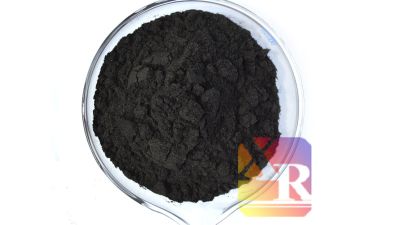
In the ever-evolving textile industry, the introduction of the Direct Blend Black D-RSN presents a transformative solution for dyeing processes. This innovative dye is characterized by its striking black powder form, which offers a seamless blend into various textile substrates. The unique formulation allows for efficient color absorption and consistency across diverse fabric types, ensuring that manufacturers can achieve a deep, rich black hue without extensive processing.
The benefits of using Direct Blend Black D-RSN go beyond just aesthetics. Notably, this dye enhances the sustainability of textile production. By utilizing a concentrated powder, less material is required compared to traditional liquid dyes, which often involve excessive water usage and waste. Additionally, the direct blending process minimizes the need for auxiliary chemicals, reducing the overall environmental impact. This not only appeals to eco-conscious consumers but also helps manufacturers meet increasingly stringent regulations surrounding textile production.
Furthermore, the versatility of Direct Blend Black D-RSN makes it suitable for a wide array of applications, from fashion apparel to home textiles. Its robust nature ensures that the final products maintain their colorfastness and durability, making it an excellent choice for items that undergo frequent washing and wear. As more companies seek to innovate while remaining mindful of their ecological footprint, the Direct Blend Black D-RSN emerges as a standout option in the pursuit of quality and sustainability in textile dyeing.
FAQS
: Fabric type is crucial. Synthetic fibers like polyester absorb disperse dyes better than natural fibers.
Use test swatches. Some dyes might fade quickly when exposed to light or washed often.
Different dyes require different temperatures. High heat may be necessary for some dyes to fix properly.
No, disperse dyes work best with synthetic fabrics. Natural fibers often absorb dyes poorly.
Test on fabric scraps first. This avoids unexpected results and saves time when dyeing larger pieces.
Mixing ratios and dyeing methods can affect outcomes significantly. Overlooking details may lead to disappointments.
Experimentation is key. Be ready for both exciting and frustrating results as you explore different combinations.
Yes, different brands may yield varying results. Research lightfastness and washfastness to avoid issues.
Practice consistently and learn from mistakes. Persistence often leads to more reliable and satisfying results.
No quick methods exist. Testing and gathering feedback from other users takes time but pays off.
Conclusion
In the quest to choose the best disperse dye for fabric needs, understanding the fundamentals of disperse dyes and their applications is essential. Factors such as fabric compatibility, desired colorfastness, and performance characteristics play a crucial role in selecting the right dye. Evaluating how disperse dyes interact with various fabric types ensures optimal results and longevity of color.
Additionally, it’s important to consider the environmental impact of disperse dyes, as their production and application can affect ecosystems. Comparing different brands and products can provide valuable insights into effectiveness and sustainability. Lastly, safe handling and application tips are vital for achieving the best results while ensuring safety during the dyeing process. By taking these considerations into account, users can make informed choices to meet their fabric dyeing needs effectively.