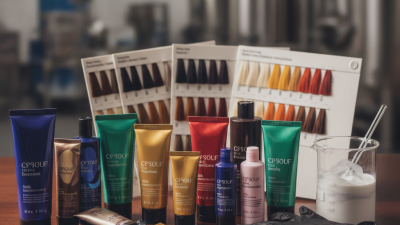
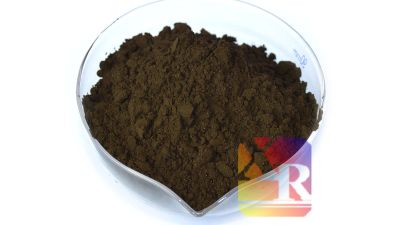
Picking the right Basic Dye can really make or break your project. There are tons of options out there, especially from China, but the quality can vary a lot. Honestly, it can be pretty tricky to find something affordable that still works well without sacrificing quality. Doing a bit of research really helps here—getting to know the different dye properties can save you a lot of headaches down the line.
When you're checking out suppliers, keep an eye on things like colorfastness and how well the dye dissolves. Not all Basic Dyes are created equal, especially across different materials. Some dyes might not give you that vibrant look you’re going for. It's also super useful to read reviews and ratings from other buyers—they can give you a good idea if the dye actually performs as promised. And don’t forget to consider how the dye is applied, since some dyes are better suited for certain processes than others.
Finding a reputable supplier is vital. Names like Dyes Industrial Co. or ColorChem Ltd. tend to have a solid track record, so they’re generally safer bets. But, heads up—cheaper options might seem appealing, but they can sometimes give you disappointing results. You might save a few bucks upfront, but end up spending more fixing things later. So, taking the time to research and weigh your options really pays off and helps ensure your project ends on a high note.
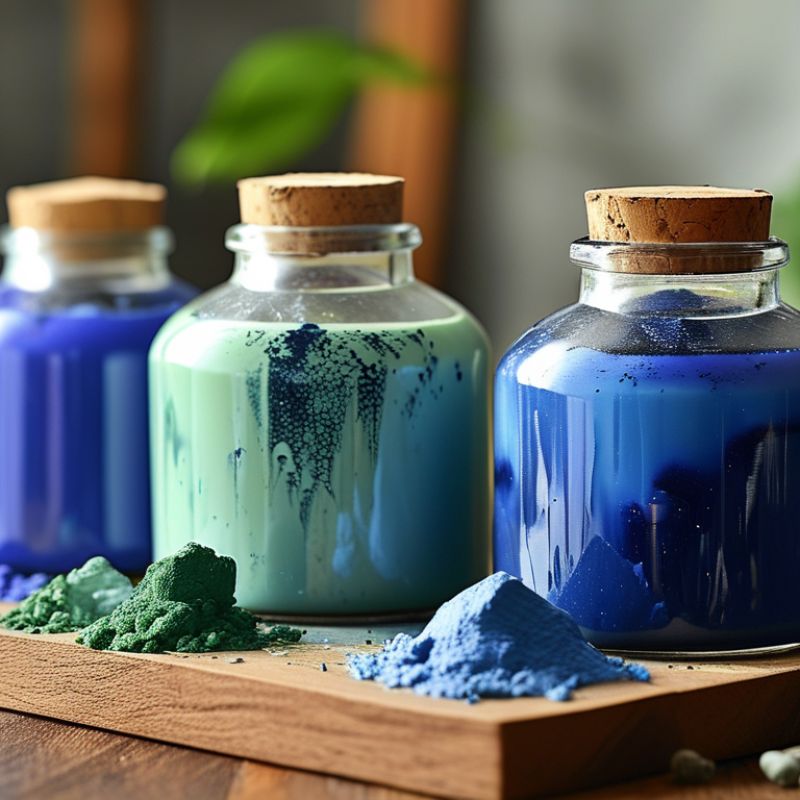
Understanding Basic Dyes: A Comprehensive Overview
Basic dyes are soluble dyes used in various applications, especially in textiles. They are popular for their bright colors and ease of use. Basic Yellow dye, for example, is favored for its vibrant hue and strong affinity for fibers. Understanding these dyes is essential for anyone looking to incorporate them into their next project.
These dyes are typically cationic, meaning they possess a positive charge. This charge allows them to bond well with negatively charged materials like acrylic fibers. However, the binding can sometimes be unpredictable, leading to variations in color intensity. It is important to experiment with dye concentration and application methods to achieve the desired outcome. Be prepared for unexpected results, as dyeing is often an art.
Basic dyes are often less expensive compared to other dye types. This affordability makes them appealing for budget-conscious projects. However, quality should not be sacrificed for cost. Research available options, considering factors like lightfastness and washfastness. Some basic dyes may fade quickly after washing or exposure to light. Balancing cost and quality is key for successful and lasting dyeing results.
Evaluating the Quality of Cheap Basic Dyes in China
When selecting cheap basic dyes from China, evaluating quality is crucial. Quality can vary widely among suppliers. It is essential to assess the dye's color fastness and solubility. High-quality dyes will resist fading when exposed to sunlight or washed repeatedly. A simple test you can conduct is to mix the dye with water and observe its solubility. Poor quality dyes may leave residues or not dissolve completely.
Researching the supplier’s background is advisable. Look for manufacturers with positive reviews and reliable certifications. Seek out suppliers who have experience in the industry. They often adhere to stricter quality controls. Sometimes, samples are offered before purchasing in bulk. This is an excellent opportunity to test the dye on your project’s material. It adds an extra layer of assurance.
Do not overlook potential issues with cheap dyes. They may produce inconsistent colors. Additionally, some dyes might contain harmful substances. Always ask for a material safety data sheet (MSDS) to ensure safety. While cost savings are tempting, compromising on quality can lead to failures in your projects. Take time to choose wisely, balancing cost with the quality of the dye for the best results.
Key Factors to Consider When Choosing Basic Dyes
When choosing cheap China basic dye for your next project, several key factors are vital. One important aspect is the dye's solubility. water-soluble basic dyes dissolve easily in water, allowing for smooth application. This characteristic can affect the final outcome of your project. Ensure the dye meets your specific needs, especially if you're working with fabric or other porous materials.
Another crucial factor is colorfastness. The dye should resist fading when washed or exposed to light. Lack of colorfastness can lead to disappointment as your project may not hold up as expected. It's advisable to test small samples before making a larger commitment. Additionally, consider the dye's environmental impact. Some dyes may be cheaper but can harm the environment. Researching suppliers can lead you to affordable options that prioritize safety and sustainability.
Lastly, consult product reviews from reliable sources. These can provide insights into the dye’s performance and potential issues. Personal experiences can shed light on any pitfalls that might not be immediately obvious. Remember, finding cheap options requires careful consideration to ensure quality does not suffer. The balance of cost and reliability is essential for a successful project.
Comparing Prices: Where to Find Affordable Basic Dyes
When looking for affordable cationic basic dyes, it's essential to start by exploring different online suppliers. Many platforms offer a wide range of options. Comparing prices across these sites can yield significant savings. Some vendors provide detailed product descriptions that help in making informed choices. Others may offer discounts for bulk purchases, enhancing affordability.
Local craft stores can also be a potential source for budget-friendly dyes. Visiting these stores allows for firsthand evaluation of the products. You might discover lesser-known brands that provide quality options at lower prices. However, the selection may be limited compared to online offerings. Don’t forget to check customer reviews, as they often highlight both strengths and weaknesses of various products.
Engaging with online forums or communities can reveal hidden gems in the dye marketplace. Experienced users share insights on where to find the best deals. Sometimes, alternative suggestions may surface, like DIY methods, although they might require more effort. Always remember to evaluate any feedback critically to find truly reliable recommendations.
Assessing Supplier Reliability for Basic Dye Purchases
When sourcing basic dyes from China, supplier reliability is crucial. In a market where over 25% of global dye production comes from China, verifying a supplier's credibility can mitigate risks. Professional assessments indicate that approximately 30% of low-cost dyes may not meet international safety standards. This raises concerns for projects emphasizing quality.
Research shows that 40% of suppliers do not have proper certifications. These gaps in compliance can lead to product inconsistencies. Tools like audits and third-party evaluations can help ensure a supplier’s reliability. Look for partners who produce transparent documentation and maintain quality control measures.
Engaging with suppliers who have a solid track record is important. Industry reports suggest that suppliers with at least five years of experience show a 20% higher reliability rate. However, it's essential to remain vigilant. Even established suppliers can have unforeseen issues, affecting dye consistency and your project's success.
How to Choose Cheap China Basic Dye for Your Next Project? - Assessing Supplier Reliability for Basic Dye Purchases
| Supplier Name |
Country |
Dye Type |
Price per kg (USD) |
Minimum Order Quantity |
Lead Time (days) |
Quality Rating |
| Supplier A |
China |
Basic Dye 1 |
$5.00 |
100 kg |
15 |
4.5 |
| Supplier B |
China |
Basic Dye 2 |
$4.50 |
200 kg |
20 |
4.2 |
| Supplier C |
China |
Basic Dye 3 |
$6.00 |
150 kg |
10 |
4.8 |
| Supplier D |
China |
Basic Dye 4 |
$4.00 |
250 kg |
30 |
4.0 |
| Supplier E |
China |
Basic Dye 5 |
$5.50 |
100 kg |
25 |
4.7 |
Tips for Ensuring Color Fastness and Performance
Choosing a cheap basic dye from China can be a cost-effective way to bring your creative projects to life. However, ensuring the color fastness and performance of the dye is crucial for achieving long-lasting results. When selecting dyes, consider the materials you are using. Different fabrics react differently to dyes, and some may require specific types of dyes to achieve optimal color retention.
It’s helpful to perform a quick test with your chosen dye. Use scrap fabric to check how colors appear and fade over time. Pay attention to how the dye holds up after washing. Sometimes, unexpected results can happen. A color that looks vibrant initially may wash out quickly.
Another essential tip is to follow the manufacturer's instructions for both dyeing and post-dye treatment. Proper fixing agents can enhance the durability of the color. Make sure to store your dye in cool, dark places to maintain its quality for future use. While choosing a cheaper option may seem appealing, consider the potential drawbacks. A lower price might mean lower quality, leading to fading or uneven color distribution. Always balance cost with expected performance for the best results.
Sustainable Practices in Sourcing Basic Dyes from China
Sourcing basic dyes from China presents both opportunities and challenges. Many manufacturers offer affordable options like basic blue dye. However, sustainability must be a focus in such transactions. It’s crucial to verify suppliers’ practices to ensure they adhere to environmental standards. Look for certifications that demonstrate their commitment to eco-friendly processes. This is essential in maintaining a sustainable supply chain.
Price should not be the only consideration. Research the source of the dyes and their production methods. Many factories have adopted better practices, but some still rely on outdated, harmful methods. Understanding these practices can help you make informed choices. Engaging with suppliers about their sustainability efforts can reveal a lot about their operations.
Ethical sourcing often yields better long-term results. Your choice impacts both the environment and communities involved in dye production. It is essential to acknowledge that not all cheap options are sustainable. By choosing wisely, you contribute to a movement towards cleaner, greener industry standards while getting the basic blue dye you need for your project.
Comparison of Basic Dye Prices from China
Global Textile Dye Market Insights: Opportunities and Trends for Hot-Selling Direct Red 31
The global textile dye market continues to evolve, with Direct Red 31 emerging as a pivotal player in the segment. This azo dye, identified by the Chemical Abstracts Service (CAS) number 5001-72-9 and categorized under the Color Index (C.I.) No. 29100, is highly regarded for its vibrant red hue and excellent fastness properties. Its chemical formula (C₃₅H₂₅N₇Na₂O₁₀S₂) and substantial molecular weight of 813.72 contribute to its stability and effectiveness in various textile applications, making it a preferred choice among manufacturers looking to enhance color quality in their products.
The market for Direct Red 31 is fueled by rising consumer demand for high-quality and sustainable textile products. Reports suggest that the overall textile dye market is projected to grow significantly due to increasing applications across fashion, home textiles, and industrial fabrics. Moreover, the push for eco-friendly and low-impact dyes creates an opportunity for Direct Red 31, especially as advancements in dyeing technologies improve its application processes while maintaining environmental standards. Key insights indicate that segments leveraging Direct Red 31 are likely to experience accelerated growth as they innovate in response to market trends emphasizing sustainability and functionality.
In conclusion, the demand for effective and sustainable textile dyes is on the rise, bolstered by the versatility and performance of key products like Direct Red 31. Companies that invest in optimizing the use of this dye are well-positioned to capitalize on emerging trends and consumer preferences, driving forward the innovations that define the future of textile coloration.
FAQS
: Assess the dye's color fastness and solubility. High-quality dyes resist fading and dissolve well in water.
Research the supplier's background, reviews, and certifications. Experience can indicate stricter quality controls.
Request samples to test on your material. This provides assurance of the dye’s suitability for your project.
Cheap dyes may produce inconsistent colors or contain harmful substances. Ensure you request a material safety data sheet (MSDS).
Reliable suppliers reduce risks. A significant portion of low-cost dyes may fail to meet safety standards.
Look for certifications that show adherence to eco-friendly practices. Research their production methods before making a decision.
Yes, many cheap dyes can compromise quality. Sometimes, lower prices come with unintended consequences.
Consider the source and production methods. Sustainable practices are essential for long-term benefits.
Ethical sourcing contributes to better environmental practices and supports communities involved in dye production.
Yes, even experienced suppliers can face unforeseen problems that affect dye consistency and project success.
Conclusion
When selecting cheap Basic Dyes from China for your next project, it is crucial to understand the fundamentals of these dyes, including their properties and applications. A comprehensive overview will help you evaluate the quality of different options available in the market. Key factors to consider include the dye's color fastness, performance, and whether it meets the specific needs of your project.
Comparing prices from various suppliers is essential to find affordable Basic Dyes, but it is equally important to assess supplier reliability to ensure you receive high-quality products. Additionally, implementing sustainable practices when sourcing Basic Dyes can contribute to reducing environmental impact. By following these guidelines, you can make informed decisions that balance cost, quality, and sustainability for your dyeing needs.