

Leave Your Message
0%

When it comes to textile dyeing, picking the right Acid Dye can honestly feel a bit overwhelming at first. I mean, there's so many options out there! Jennifer Collins, who’s really respected at ColorTech Industries, once told me, "Getting to know the ins and outs of Acid Dyes can totally change the game for your project." That really stuck with me because it just shows how important it is to choose the right dye based on the fabric you're working with and the kind of vibrancy you're after.

People love Acid Dyes because they’re known for their bright, bold colors and how easy they are to use. They’re especially popular for protein fibers like silk and wool. But here’s the thing — with so many types of Acid Dyes floating around, it can get pretty confusing. Each one has its own quirks that can affect how your final piece looks. So, take your time to do some research and really understand what each dye can do.

Honestly, rushing into picking an Acid Dye isn’t a good idea. Skipping the research can lead to uneven coloring or fabrics that don’t hold up well. Think about what you want the finished product to look like — are you aiming for a color that stays vibrant for ages, or something that might fade quicker? Knowing these little details can make a big difference when you’re trying to get the best results.
How to Choose the Best Acid Dye for Your Projects?

Understanding Acid Dyes: Definition and Characteristics

Acid Dyes are a significant choice for dyeing protein fibers and nylon. They are water-soluble and produce vibrant colors, making them popular in textile and crafting projects. Understanding their characteristics helps in selecting the right dye for specific tasks. Acid dyes bond well with materials like silk and wool. This quality ensures bright, lasting colors.

When choosing acid dyes, consider your project’s requirements. Different acid dyes yield various hues and intensities. The dyeing process often demands precise temperature control and pH levels. Experimenting with small samples can guide you in making successful color choices.

Tips: Always test the dye on a scrap piece before dyeing the entire project. Keep a record of the ratios and conditions used. This way, you can replicate the results or troubleshoot if needed. Remember that not all fibers absorb acid dyes equally. You may encounter unexpected results that require adjustments in technique. Embrace these learning opportunities, as they can lead to unique, customized outcomes.

Acid Dyes Selection Chart

Types of Acid Dyes: An Overview of Options

Acid dyes are versatile tools for dyeing protein fibers like wool and silk. They create vibrant colors and are favored for their wash-fastness. Understanding the types of acid dyes available is crucial for any project. There are several options to consider, including small molecular dyes and pre-metalized dyes. Each type offers unique properties and effects.

Small molecular dyes penetrate fibers deep, resulting in rich hues. They are ideal for creating an even color across various textiles. On the other hand, pre-metalized dyes bond with metal ions, producing striking and brilliant shades. These dyes tend to offer better lightfastness and stability. Artists often prefer these for their reliability in professional applications.

Choosing the right acid dye depends on your specific project goals. Test various samples to see how colors interact with your materials. Reflect on your past experiences with dyeing. Every project can teach you something new. Consider your preferred application and the outcomes you desire. Not every dye will suit your needs perfectly, and that’s part of the learning process.

Choosing the Right Acid Dye for Different Fabrics

How to Choose the Best Acid Dye for Your Projects?

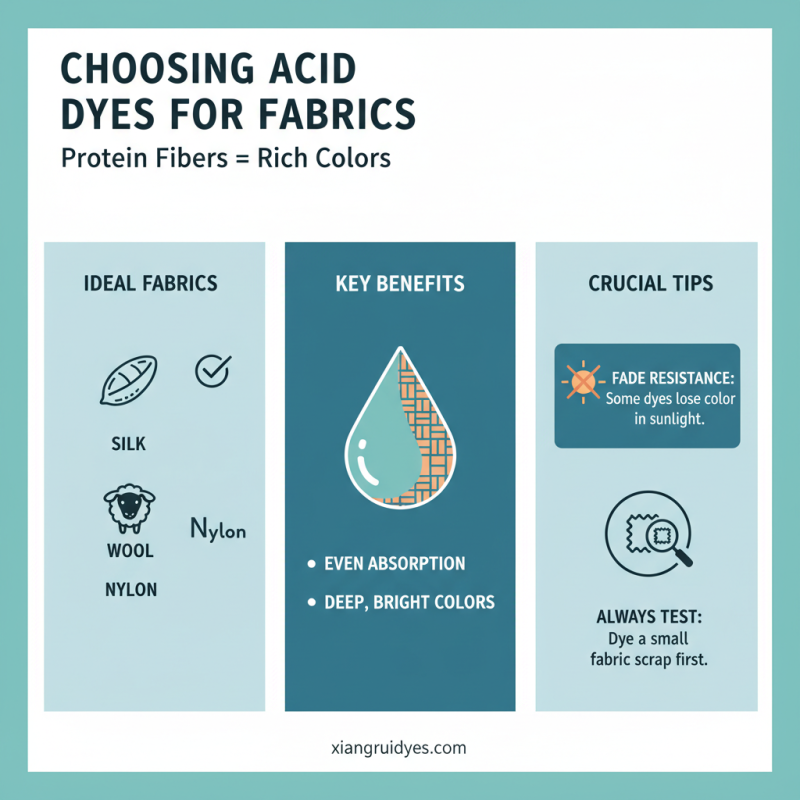
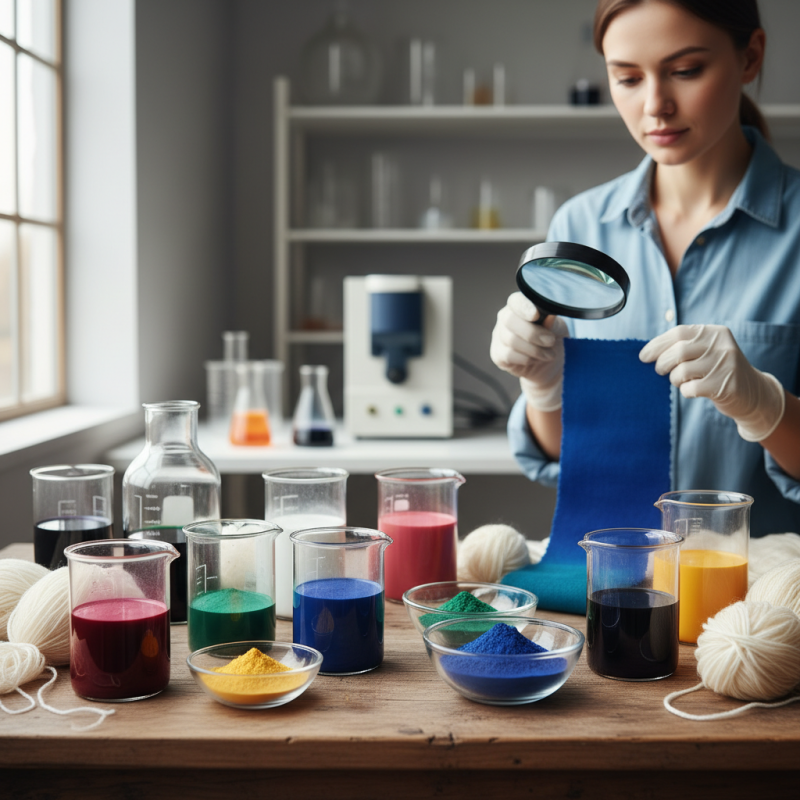
Choosing the right acid dye for different fabrics is crucial for achieving the best results. Acid dyes work wonderfully with protein fibers like silk, wool, and nylon. These fabrics absorb dyes evenly, producing vibrant colors. Yet, not all acid dyes suit every protein fiber. For instance, some Acid Dyestuff may fade quickly in sunlight. Always test dye on a fabric scrap before the main project.

When working with wool, consider the dye's heat tolerance. Boiling dye baths can damage delicate fibers. For silk, a cooler dyeing process is advisable. Use a pH-neutral dye to prevent fabric damage. Experimenting with ratios and timing is essential; results might vary.

Tip: Always document your process. Jot down dye concentrations and times. This way, you can replicate or adjust your results later. Remember, practice makes perfect. Each project can teach you what works best. Don't hesitate to reflect on your outcomes and improve for next time.

Considerations for Colorfastness in Acid Dye Selection

When selecting an acid dye for your projects, colorfastness is crucial. Colorfastness refers to how well a dye retains its color after exposure to various conditions. Poor colorfastness can lead to disappointing results. Fabrics can fade or change, especially under sunlight or after washing. Understanding the lightfastness and washfastness of a dye helps make better choices.

Tips for evaluating colorfastness:
- Look for dyes with high ratings for both light and washfastness.
- Test swatches of your dye on a small piece of fabric to verify performance.
- Consider the environment your dyed items will be exposed to.

Not all acid dyes perform the same. Some may look vibrant but fade quickly. Research is essential. Each project's needs differ. For instance, a dye suited for a scarf may not work for a denim jacket. Pay attention to how dyes interact with different fibers. The fabric's natural color can also influence the final result, leading to unexpected shades.

Evaluating the Environmental Impact of Acid Dyes

How to Choose the Best Acid Dye for Your Projects?

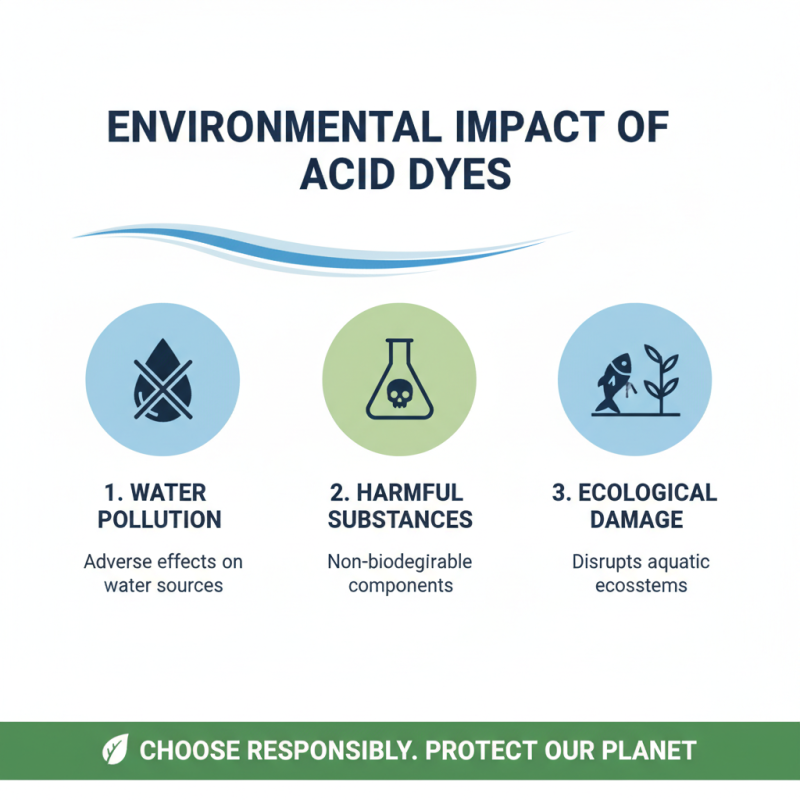
When selecting an acid dye for your projects, it’s crucial to consider its environmental impact. Acid dyes can have adverse effects on water sources. These dyes often contain harmful substances that are not easily biodegradable. Their release into wastewater can lead to significant ecological damage. Understanding this aspect is vital for responsible crafting.

Mdf Dye, though effective, may pose risks to local ecosystems. Many artisans do not realize the long-term consequences of using such dyes. It's essential to research alternatives that are more eco-friendly. Some dyes offer vibrant colors while being less harmful. However, they may not always deliver the same results as traditional acid dyes.

Evaluating the sourcing and disposal methods of dyes is also important. Proper waste management can mitigate some negative impacts. Being informed allows creators to make better choices. Reflecting on the overall footprint of acid dye use can lead to more sustainable practices. Ultimately, the choice of dye is not just about aesthetics but also about the planet’s health.

Application Techniques for Acid Dyes on Fibers

When applying acid dyes to fibers, the choice of technique can greatly influence the final appearance. One popular method is the immersion dyeing process. In this approach, the fabric is submerged in a dye bath, allowing the fibers to absorb the color evenly. It's essential to maintain the correct temperature during this process. A too-hot bath can cause the dye to strike too quickly, leading to uneven color.


Spray application is another effective technique. This method involves using a spray bottle to apply the dye directly onto the fabric. It allows for more control over the dye placement and intensity. A skilled hand can create unique patterns, but inconsistency may arise. It’s a balancing act between precision and artistry.


Remember to test your chosen method on a small fabric piece first. This can reveal unexpected results. Acid dyes can behave differently based on the fiber content and the dye concentration. Experimentation often leads to the best outcomes. Keep detailed notes of your processes, especially when using Ink Dye. These notations will help refine your techniques and ensure consistent results over time.

Safety Precautions When Working with Acid Dyes

When working with acid dyes, safety is paramount. These dyes can be hazardous if proper precautions are not taken. Always wear protective gear such as gloves, goggles, and masks. Skin contact should be avoided at all costs. The chemicals can irritate or harm your skin and eyes.

Ensure good ventilation in your workspace. Working in a well-ventilated area minimizes the risk of inhaling harmful fumes. If possible, use a fume hood. This is especially important when mixing or applying the dyes. Store acid dyes in tightly sealed containers, away from direct sunlight and heat sources.

Always have a safety data sheet (SDS) for the dye you choose. This document provides crucial information on handling, storage, and emergency procedures. Accidents can happen, so be prepared. Have an eye wash station and a first aid kit nearby. This can make a difference in case of exposure or spills. Remember, safety should never be overlooked, even in creative pursuits.

How to Choose the Best Acid Dye for Your Projects? - Safety Precautions When Working with Acid Dyes

Dye Name Color Application Heat Resistance Safety Precautions
A1 Acid Dye Yellow Protein Fibers High Wear gloves; use in well-ventilated area.
B2 Acid Dye Blue Silk and Wool Medium Avoid skin contact; use mask.
C3 Acid Dye Red Nylon Low Use goggles; dilute before use.
D4 Acid Dye Green Clothing High Keep away from children; flush with water.
E5 Acid Dye Purple Leather Medium Store in a cool, dry place; avoid inhalation.

Exploring the Global Demand and Supply Trends of Dye Intermediates in the Textile Industry: Insights from Market Reports (2023)

Dye intermediates play a crucial role in the textile industry, primarily defined as various aromatic hydrocarbon derivatives used in the production of dyes and organic pigments. These essential compounds serve as the building blocks for synthesizing a wide range of colorants, thus facilitating the vibrant outcomes that we see in textiles today. The terminology “dye intermediate” stems from its initial application, which focused predominantly on dye manufacturing. Over time, the significance of dye intermediates has grown, revealing their versatility and importance beyond the textile sector.

The expansion of dye intermediates into various other applications marks a significant evolution in the chemical industry. As technology and processes advance, these intermediates are now prevalent in the production of pharmaceuticals, pesticides, resins, plastics, and fragrances. This diversification not only highlights the adaptability of dye intermediates but also reflects the increasing global demand in multiple sectors. Consequently, insight into current market trends shows a robust growth trajectory, driven by rising consumer preferences and the need for innovative materials across numerous applications. Understanding these dynamics is essential for stakeholders navigating the future landscape of the dye intermediary market in the textile industry and beyond.

FAQS

: What are acid dyes used for?

: Acid dyes are primarily used for dyeing protein fibers and nylon. They are water-soluble and create vibrant colors.

Why is testing important before dyeing?

Always test dye on a scrap piece first. This helps avoid unexpected results and ensures the right color choice.

What factors affect the dyeing process?

Temperature control and pH levels are crucial. They significantly influence the final color and dye absorption.

How do different types of acid dyes vary?

Small molecular dyes penetrate deeply for rich hues. Pre-metalized dyes bond with metal ions for brilliant shades and stability.

What is colorfastness and why does it matter?

Colorfastness measures how well a dye retains its color. Poor colorfastness can lead to fading after exposure to light or washing.

How can I evaluate a dye's colorfastness?

Check for high light and washfastness ratings. Testing swatches on fabric helps verify how well the dye performs.

Can all fibers absorb acid dyes equally?

No, not all fibers absorb them the same way. Some may yield unexpected results, requiring adjustments in technique.

What should I reflect on when dyeing?

Reflecting on past dyeing experiences helps improve skills. Each project teaches something valuable, leading to unique outcomes.

Is it common to experience unexpected results with dyeing?

Yes, unpredictable results are common. Embrace these moments as learning opportunities for better future projects.

How do the final shades depend on the fabric?

A fabric's natural color influences the final dye shade. Always consider this before committing to a specific dye choice.

Conclusion

Acid dyes are a specific class of dyes that are ideal for coloring protein fibers such as silk, wool, and nylon. Understanding the characteristics and types of acid dyes is essential for selecting the best option for your projects. Each dye type offers unique properties and can yield different results based on the fabric used. It is crucial to consider factors such as colorfastness and environmental impact when choosing an acid dye, as these elements can significantly affect the outcome and sustainability of your dyeing process.

When working with acid dyes, various application techniques can be employed to achieve the desired coloration, ensuring that safety precautions are also followed to protect both the user and the environment. By thoroughly evaluating these aspects, one can make informed decisions that enhance the overall quality and longevity of the dyed fabric.


Oliver

Oliver

Oliver is a dedicated marketing professional at Xiangrui, where his expertise lies in the manufacture and supply of a comprehensive array of dyes, pigments, chemical auxiliaries, and intermediates. With a solid background in the industry, Oliver possesses an in-depth understanding of the products,......
Previous 2026 Top Pottery Pigments for Global Buyers Best Choices?