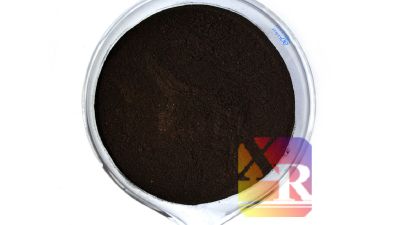
Choosing the right Reactive Dye can really make a difference for your business. It’s not just about picking any dye—it affects the quality of your final product and how happy your customers are. Honestly, it’s pretty important to understand the different types of Reactive Dyes out there. Each one has its own quirks and is better suited for certain fabrics and purposes.
In the dyeing world, not all Reactive Dyes are created the same. Some might give you really vibrant colors but may not hold up well after washing. Others might stick nicely but produce a more muted look. So, you’ve got to weigh these things carefully. Oh, and don’t forget to think about the environment, too. Are these dyes eco-friendly? It’s becoming a big deal these days.
Getting feedback from your customers can help you make smarter choices. Chatting with suppliers like Dyed Right or ColorTech can give you some useful insights. With the right dye and a little guidance, your business can really thrive. At the end of the day, focusing on high-quality Reactive Dyes is key for long-term success. The main goal? Making beautiful textiles while keeping things reliable and sustainable — you know, do good by your customers and the planet too.

Understanding Reactive Dyes: Definition and Characteristics
Reactive dyes are vital in the textile industry, prized for their vivid colors and strong bonding capabilities with fiber. These dyes chemically react with the fabric, resulting in colors that are more durable and resistant to fading. Understanding the characteristics of Reactive Dyestuff is essential for businesses aiming for high-quality textile production.
When choosing a reactive dye, consider factors like colorfastness, ease of application, and environmental impact. The market for eco-friendly dyes is growing, with a report from Smithers noted a 4.5% annual increase by 2026. Businesses must balance quality with sustainability. Specific formulations can affect the dyeing process significantly. Not all reactive dyes suit every fabric, and misalignment can lead to disappointing results.
Tips: Experiment with small batches before fully committing to a dye. Also, always check the compatibility of the reactive dyestuff with your fabric type. Regular quality checks during production help prevent color discrepancies in final products. Investing time in research can save costs and increase customer satisfaction, leading to better long-term relationships.
Types of Reactive Dyes and Their Applications in Textile Industry
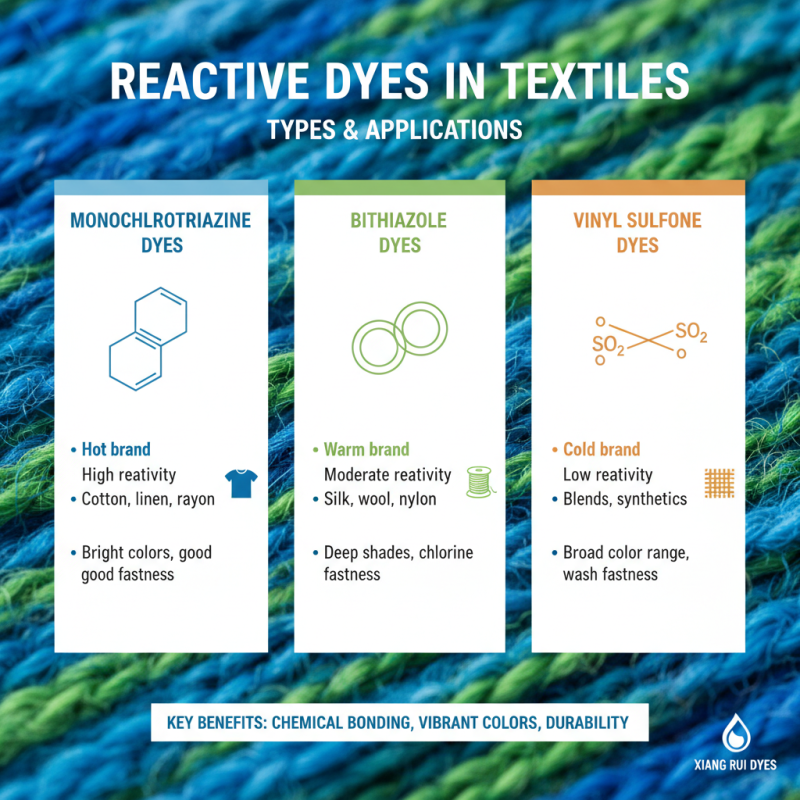
When selecting Reactive Dyes for textile production, understanding their types is essential. Reactive dyes are popular for their vibrant colors. They bond chemically with fibers, providing excellent wash and light fastness. There are three primary types of reactive dyes: monochlorotriazine, bithiazole, and vinyl sulfone dyes.
Monochlorotriazine dyes are widely used for cotton and cellulosic fibers. They produce bright shades and are cost-effective. However, these dyes can be sensitive to application conditions like pH levels. Bithiazole dyes offer stability in acidic conditions but may not be as bright. They are suitable for various blends. Vinyl sulfone dyes are versatile, often used for both cellulosic and protein fibers, offering good washfastness. Yet, their application can be complex and requires precise control.
Each dye type has unique applications. Choosing the right reactive dye impacts the final product quality. Understanding the limitations of each dye is crucial. Knowing how they interact with different fabrics ensures better results in production. Tailoring dye selection to specific fabric types can lead to improved longevity and appearance of textile products.
Factors to Consider When Choosing Reactive Dyes for Your Business
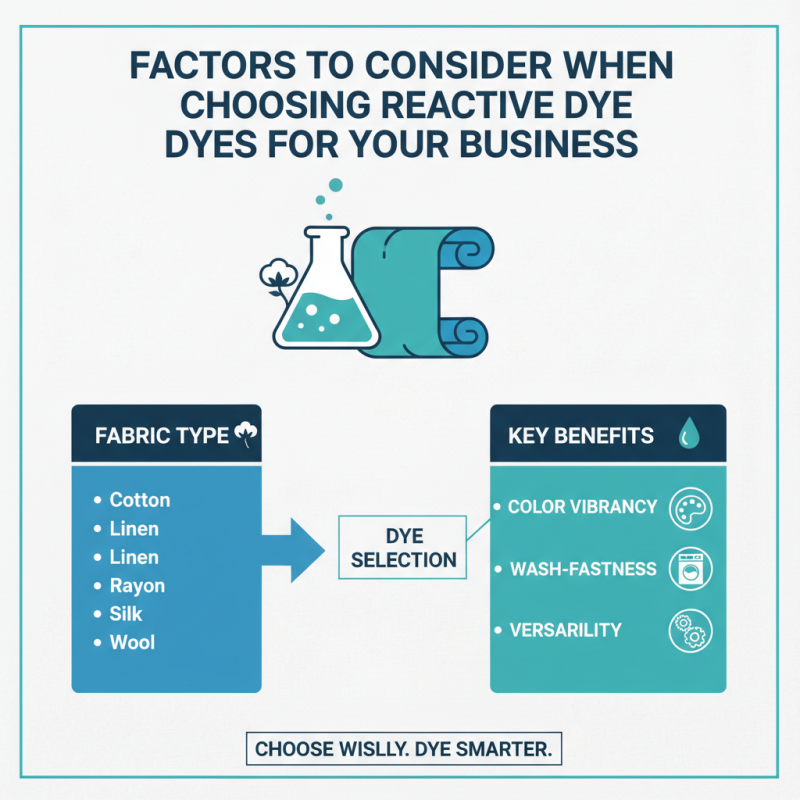
Choosing the right reactive dye is critical for textile businesses. There are several factors to weigh before making a decision. The type of fabric you work with greatly influences your choice of dyes. For example, when dealing with cotton, reactive dyes are preferred for their vibrant colors and excellent wash-fastness.
Another essential factor is the dyeing process itself. Consider whether your process is batch or continuous. This will determine the dye application method. Additionally, assess the compatibility of the dye with your existing machinery. Some dyes work better with specific setups. There might be a learning curve when trying a new dye type, and not every dye will deliver the expected results.
Color consistency is another aspect to reflect on. Variations in batches can lead to significant differences in the final product. Testing small quantities helps pinpoint potential issues before full-scale production. The environmental impact of reactive dyes is also worth evaluating. Sustainable practices are becoming increasingly important in the industry. Therefore, consider choosing dyes that meet eco-friendly standards. By weighing these factors carefully, you can make informed choices about Reactive Dyes for cotton dyeing that align with your business goals.
Comparing Reactive Dyes: Cost, Quality, and Performance Metrics
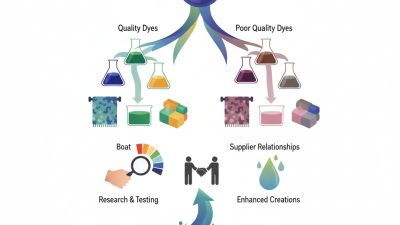
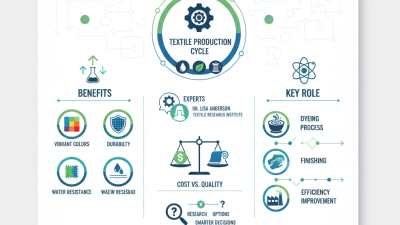
When selecting a reactive dye for your business, consider three key metrics: cost, quality, and performance. The cost of dyes can vary significantly based on their properties and supplier reputation. It’s essential to understand your budget and the long-term implications of choosing cheaper options. Sometimes, lower prices correspond to inferior quality, leading to poor colorfastness and reduced customer satisfaction.
Quality is paramount. Always look for dyes that provide vibrant colors and superior fade resistance. A dye with high quality often yields better results in terms of wash and light fastness. Performance metrics should also include ease of application. Some dyes may require specific conditions or advanced techniques for best results. Testing different dyes in small batches can help you identify the most effective options for your products.
Tips: Evaluate suppliers based on their expertise and adherence to industry standards. Engaging with experienced professionals can provide valuable insights. Do not hesitate to ask for samples before committing. Trial runs can reveal issues that are not evident at first glance, like color distortion or staining during wash cycles. Taking the time to test and compare can prevent costly mistakes in the long run.
Comparison of Reactive Dyes: Cost, Quality, and Performance Metrics
Sustainability in Reactive Dyes: Eco-Friendly Options and Practices
Sustainability is a pressing concern in textile dyeing. The choice of reactive dyes significantly impacts environmental health. Studies indicate that traditional dyeing processes can consume up to 200 liters of water per kilogram of fabric. This is not sustainable. However, eco-friendly reactive dye options are emerging.
Water-based reactive dyes are gaining traction. They contain fewer harmful solvents and dyes, reducing pollution. In addition, manufacturers are exploring natural sourcing for these dyes. For instance, plant-based options not only reduce environmental footprints but also align with consumer preferences. Reports show that 73% of consumers are willing to pay more for sustainable products. This presents a unique opportunity for businesses to adapt.
While eco-friendly options exist, challenges remain. Developing consistent quality in natural dyes can be tricky. There is also a need for awareness in the industry about these sustainable practices. Some companies still rely on conventional reactive dyes for convenience. Embracing sustainable practices requires commitment and ongoing reflection on current methods. Balancing quality and sustainability in Reactive Dyes for textile dyeing is essential.
How to Choose the Best Reactive Dye for Your Business Needs?
| Dye Type |
Eco-Friendly Rating |
Color Fastness |
Applications |
Environmental Compliance |
| Reactive Dye A |
High |
Excellent |
Cotton, Silk |
OEKO-TEX, GOTS |
| Reactive Dye B |
Medium |
Good |
Cotton, Wool |
ISO 14001 |
| Reactive Dye C |
Very High |
Excellent |
Blended Fabrics |
GOTS, REACH |
| Reactive Dye D |
Low |
Fair |
Polyester |
None |
Testing and Sampling: Ensuring Compatibility with Your Materials
When selecting a reactive dye, it’s vital to test and sample extensively. This ensures compatibility with your materials, especially when dealing with varying fabric compositions. A report from the Textile World indicates that improper dye selection can lead to a staggering 30% increase in production costs due to rework and waste.
Sampling provides a firsthand look at how the dye interacts with different textiles. Small-scale tests help identify issues early on. It’s not uncommon for dyes to behave unpredictably depending on specific fabric blends. For example, cotton-polyester blends may not absorb dyes in the same way as 100% cotton. If a dye bonds poorly, the end product can exhibit fading or uneven color.
Additionally, testing under specific conditions is essential. Not all dyes perform well in high heat or humidity. The AATCC’s studies show that testing these factors can drastically improve colorfastness results. Material compatibility should always be evaluated with a critical eye. Each dye should enhance the textile's desired qualities without compromising its integrity.
Provider Selection: Finding Reliable Suppliers for Reactive Dyes
When selecting suppliers for reactive dyes, reliability is critical. A 2022 industry report highlighted that 70% of companies experience issues due to inconsistent dye quality. Such problems can lead to production delays and financial losses. A reliable supplier provides consistent quality, which is essential for maintaining customer satisfaction.
Trade shows and industry networks are excellent resources for finding trustworthy suppliers. Engage in discussions with peers and industry veterans. Many have valuable insights into potential suppliers' performance and credibility. A report from Textile World suggests that 65% of businesses rely on peer recommendations for supplier selection. This approach can save time and reduce risk.
Also, consider the supplier’s certifications and compliance with industry standards. A reputable supplier should have certifications related to environmental safety and quality management. This is not just about regulations; it reflects a supplier's commitment to sustainability. As the demand for environmentally friendly dyes grows, aligning with such suppliers will be increasingly beneficial.
Enhancing Cotton Dyeing with High-Wet-Fastness Reactive Dyes: Insights from Industry Reports on Performance and Sustainability Trends
The use of high-wet-fastness reactive dyes in cotton dyeing not only enhances the aesthetic quality of textiles but also aligns with industry trends focused on sustainability and performance. Reactive dyes work through covalent bonding with fiber molecules, which allows for a stronger and more permanent color application compared to conventional dyeing methods. This intrinsic bond ensures that the dye becomes a part of the fiber itself, significantly improving the durability of the color and minimizing the risk of fading over time.
One of the standout features of these reactive dyes is their incredibly high wet fastness. This characteristic is vital for maintaining the vibrancy of colors during repeated washing and wear, making them ideal for everyday textiles. The dyes are primarily used for cellulosic fibers, such as cotton, linen, and viscose, but they also adapt well to protein fibers like wool and silk, as well as certain polyamide fibers. This versatility expands the range of applications, allowing manufacturers to create a diverse array of products that cater to consumer preferences for bright and lasting colors.
Moreover, high-wet-fastness reactive dyes offer a complete spectrum of vibrant hues, especially in reds, yellows, and blues. This extensive color palette appeals to designers and consumers alike, making these dyes a popular choice in the textile industry. As the demand for eco-friendly and high-performance dyeing solutions grows, the industry continues to see advancements driven by innovative reactive dye technology that meets both aesthetic and sustainable goals.
FAQS
: Evaluate the fabric type, dyeing process, and compatibility with machinery.
For cotton, reactive dyes are often preferred for their vibrant colors and wash-fastness.
Determine if you use batch or continuous dyeing, as this affects the application method.
Variations can lead to differences in the final product, which may affect customer satisfaction.
Start by testing small quantities before full-scale production to identify any problems.
Lower costs may lead to inferior quality, poor colors, and reduced customer satisfaction.
High-quality dyes provide vibrant colors and fade resistance, improving overall product appeal.
Consider ease of application, as some dyes require specific conditions for optimal results.
Conduct trial runs to reveal issues like color distortion or staining before finalizing choices.
Yes, evaluate their expertise and ask for samples to ensure dye quality meets your needs.
Conclusion
Choosing the right Reactive Dye for your business requires a comprehensive understanding of its definition, characteristics, and various types suited for different applications in the textile industry. Factors such as cost, quality, and performance metrics must be taken into account to ensure that the selected dye meets specific business needs. Additionally, the sustainability of Reactive Dyes plays an important role, with eco-friendly options becoming increasingly popular among businesses focused on environmentally conscious practices.
Testing and sampling are critical steps in determining the compatibility of Reactive Dyes with your materials, ensuring optimal results in the final product. Moreover, identifying reliable suppliers is essential for sourcing high-quality Reactive Dyes that align with your operational requirements. In summary, a thoughtful evaluation of these considerations can lead to an informed decision that enhances both product quality and sustainability in your textile operations.