Textile auxiliaries are pretty important in the textile world. I remember reading a quote from Dr. Lisa Anderson at the Textile Research Institute—she mentioned that choosing the right auxiliaries can really boost fabric performance and make things more eco-friendly. That's a big deal, considering how much they help streamline processes like dyeing and finishing, making everything run smoother.
When it comes to textile manufacturing, using top-notch dye auxiliaries can seriously make a difference. They help ensure colors stay vibrant, fabrics last longer, and water resistance improves. But honestly, picking the perfect auxiliaries isn’t always straightforward. Not every product checks all the boxes, and it’s easy to get overwhelmed.
Plus, there's always that balancing act between cost and quality. Many manufacturers find themselves stuck between wanting to keep expenses down but still deliver great results. To navigate this, it’s super helpful to stay updated on new industry innovations and carefully evaluate options. Doing your homework really pays off because it leads to smarter choices and better production outcomes.
Remember, textiles aren’t just about functionality—they’re also a reflection of a brand’s identity. So, investing in the right auxiliaries isn’t just smart; it’s essential if you’re aiming for long-term success in the industry.

Definition of Textile Auxiliaries and Their Role in Textile Industry
Textile auxiliaries play a critical role in the textile industry. These substances enhance the properties of textiles at various stages of production. They are not the primary fibers, but they make a significant impact on the final product. Common types of textile auxiliaries include surfactants, softeners, and dyes. Each of these additives has specific functions that improve the efficiency and quality of fabrics.
Understanding textile auxiliaries is crucial for manufacturers. They can help achieve the desired finish, such as softness or colorfastness. Paint Auxiliaries, for example, can enhance the adhesion of pigments in textile printing, resulting in vibrant colors that last. Proper use of these additives can reduce production costs and waste. However, not all auxiliaries are suitable for every fabric. The selection process must consider fiber type, end use, and environmental regulations.
Tip: Always conduct tests with different auxiliary combinations. This experimentation can provide insights into achieving optimal results. Sometimes, too much reliance on these additives can lead to undesirable effects, like changes in texture or weight. It's essential to maintain a balance and assess the effects on the overall quality of production.
Types of Textile Auxiliaries and Their Specific Functions
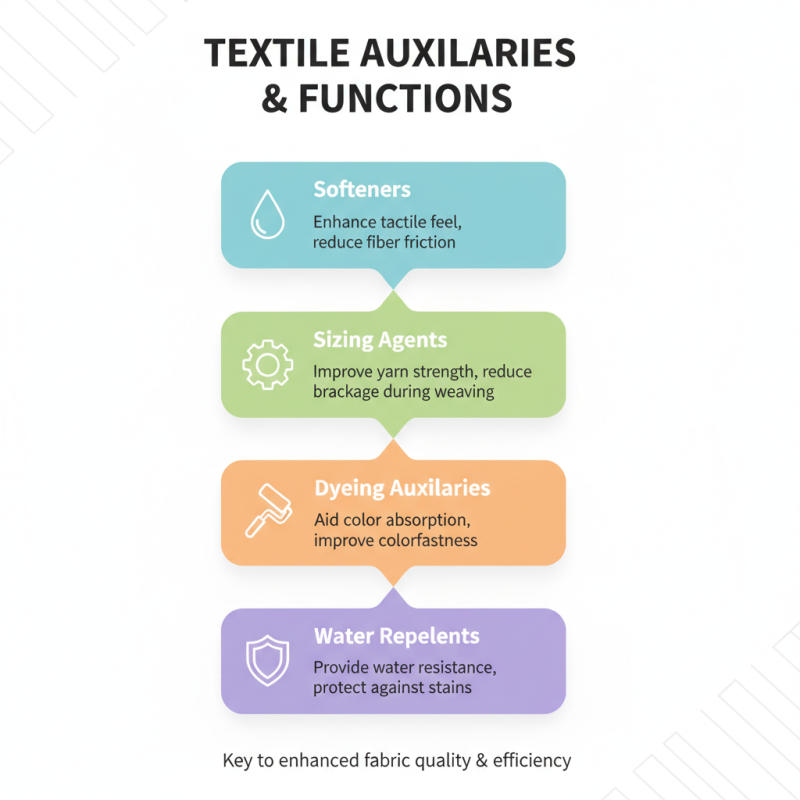
Textile auxiliaries play a vital role in the fabric production process. They enhance quality and efficiency. Various types of auxiliaries target specific functions. For instance, softeners improve the tactile feel of textiles by reducing friction between fibers. This can lead to higher customer satisfaction.
According to recent industry data, functional finishes enhance fabric properties such as stain resistance and water repellency. Approximately 30% of textiles are treated with these chemical solutions. Moreover, dyeing auxiliaries help achieve consistent coloration across different fabrics. They help fix dyes to the fibers better, which minimizes color fading.
Despite their benefits, the use of auxiliaries can raise questions. Environmental concerns about chemical waste are significant. Moreover, incorrect application can lead to undesirable effects, such as fabric stiffening or uneven dyeing. Understanding the balance between quality and sustainability is crucial for manufacturers. They must continually assess the impact of these auxiliaries on their production processes.
Benefits of Using Textile Auxiliaries in Production Processes
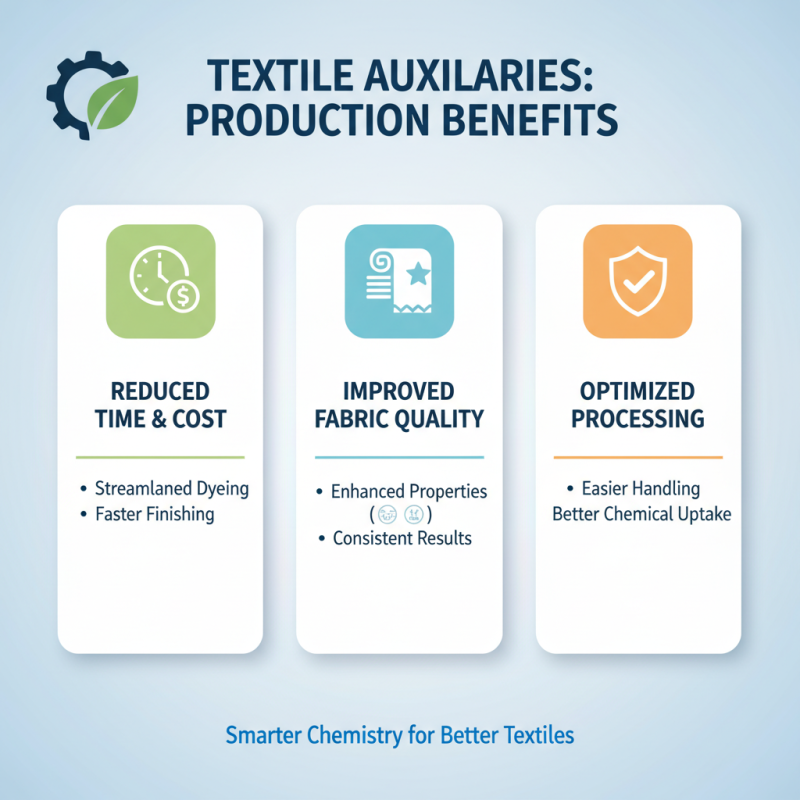
Textile auxiliaries play a crucial role in the production process. These are chemical agents that enhance the processing of textiles. They can improve fabric properties and ensure better quality in the final product. One major benefit is that they help reduce production time and costs. Efficient use of textile auxiliaries can streamline various stages, from dyeing to finishing.
Another advantage is their ability to enhance fabric performance. For instance, some auxiliaries improve water repellency or softness. Fabrics treated with appropriate auxiliaries often have better color retention and durability. This ultimately leads to satisfied customers and fewer returns. However, it is important to properly evaluate the right auxiliaries.
Not every auxiliary will suit every fabric type. Misapplication can lead to adverse effects, such as stiffening of the fabric. Producers should thoroughly test and analyze which textile auxiliaries to use. Balance is necessary; while they can greatly beneficiate production, improper use may ruin quality. In the end, proper management of textile auxiliaries can lead to significant improvements in production and product excellence.
Impact of Textile Auxiliaries on Fabric Quality and Performance
Textile auxiliaries play a crucial role in enhancing the quality and performance of fabrics. These substances are not merely additives; they bring out the best in textiles. For instance, softeners impart a silky feel, while water repellents make fabrics resistant to moisture. This creates more durable and versatile textiles.
However, the impact of these auxiliaries is not without challenges. Overusing certain chemicals can lead to issues like stiffness or reduced breathability. Each auxiliary must be selected carefully. Understanding the balance between performance and fabric integrity is essential for manufacturers. The knowledge of how each auxiliary interacts with specific materials can make a significant difference.
Moreover, the performance of textile auxiliaries can vary based on environmental factors. Temperature and humidity affect how these chemicals behave during production. Attention to these details is vital. Failing to consider these aspects may compromise the final product, making it crucial for producers to innovate and adapt continually. This ongoing journey illustrates the complexity of textile production and the precise role of auxiliaries within it.
Environmental Considerations in the Use of Textile Auxiliaries
Textile auxiliaries play a crucial role in the textile industry. Their environmental impact, however, is an important aspect to consider. Manufacturers often overlook the potential consequences of using certain chemicals. When applied without care, these substances can harm ecosystems and water sources.
Many Textile Dye processes use synthetic auxiliaries that may release harmful substances. Choosing eco-friendly alternatives can mitigate these risks. Biodegradable and non-toxic auxiliaries are making waves in the industry. A shift towards sustainable options can enhance production efficiency while protecting the planet.
Awareness of environmental issues should lead to better practices. Textile dyeing can be cleaner and greener if producers actively seek sustainable solutions. The challenge lies in balancing production demands with ecological responsibility. Continuous improvement is essential in this evolving landscape.
Textile Auxiliaries Impact on Production Efficiency
Future Trends in Textile Auxiliaries and Innovations
The future of textile auxiliaries is filled with promising innovations. Recent developments focus on sustainability, efficiency, and enhanced performance in textile production. New formulations are designed to minimize environmental impact, helping manufacturers meet stringent regulations while optimizing their processes. One exciting trend is the use of bio-based Textile Pigments, which are eco-friendly and offer vibrant colors. This shift not only helps brands promote sustainability but also appeals to a growing market of environmentally conscious consumers.
As these trends evolve, companies must stay informed about breakthroughs in textile auxiliaries. Incorporating cutting-edge technologies can lead to significant improvements in production quality. For example, advancements in enzymatic treatments can enhance fabric properties without harmful chemicals. Regularly revisiting your auxiliary strategies might be beneficial. Consider testing different formulations on small batches before larger-scale production. This trial-and-error approach can uncover potential challenges early.
Tips: Keep an eye on sustainability reports from industry leaders. They often share valuable insights on effective innovations. Engage with forums or webinars focused on textile auxiliaries; these platforms can provide expert opinions and cutting-edge information. Networking with professionals can also generate new ideas that might elevate your production game.
Choosing the Right Textile Auxiliaries for Your Production Needs
Choosing the right textile auxiliaries is crucial for optimizing production processes in the textile industry. Different auxiliaries serve unique purposes, from improving dye uptake to enhancing the softness of fabrics. A report by the Textile Chemicals Association indicates that the proper selection of these chemicals can boost overall production efficiency by up to 20%. This statistic highlights the importance of informed choices in auxiliary use.
However, not all textile auxiliaries are equal. Each product has its specific applications, and using the wrong one may lead to issues such as poor color fastness or fabric damage. For instance, a study in the Journal of Textile Science found that improper pH levels during processing can reduce fabric strength by as much as 15%. Therefore, producers must evaluate their unique requirements closely before making decisions.
Additionally, sustainability has become an increasingly pressing concern. Reports show that around 70% of textile manufacturers are now focusing on eco-friendly auxiliaries. Investing in such options may require a higher upfront cost but can lead to substantial long-term savings and environmental benefits. It's essential to reflect on both quality and sustainability when selecting auxiliaries, as the right balance can significantly enhance production output and brand reputation.
What is Textile Auxiliaries and How Do They Benefit Your Production?
| Auxiliary Type |
Description |
Benefits |
Recommended Usage |
| Wetting Agents |
Reduce surface tension to enhance wetting of fabrics. |
Improves dye uptake and uniformity. |
Pre-dyeing treatment for synthetics. |
| Softeners |
Add softness and flexibility to textiles. |
Enhances hand feel and drapability. |
Last finishing step after dyeing. |
| Detergents |
Clean fabrics and remove contaminants. |
Prepares textiles for further processing. |
Used during washing and cleaning processes. |
| Anti-foaming Agents |
Control foam formation in textile processes. |
Improves efficiency and quality of dyeing. |
During dyeing, printing, and finishing processes. |
| Fungicides |
Prevent fungal growth on textiles. |
Ensures longevity and hygiene of fabrics. |
Post-manufacturing treatment. |
Innovative High Color Fastness Vat Dyes for Superior Textile Coloring Solutions
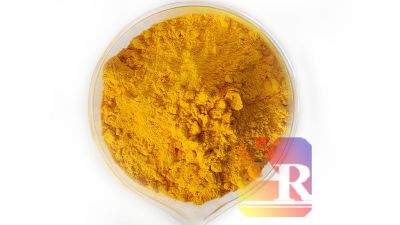
Innovative high color fastness vat dyes offer exceptional solutions for textile coloring, combining vibrant hues with unmatched durability. These dyes, which are initially insoluble in water, undergo a unique transformation process. They are reduced in an alkaline solution to become soluble leuco forms for effective dyeing of fibers. Once the dyeing process is complete, the colors are oxidized back to their original state, providing a remarkable depth of color that enhances the aesthetic appeal of textiles.
One of the standout features of vat dyes is their superior colorfastness. They exhibit an impressive resistance to sunlight, washing, and rubbing, making them a preferred choice for high-quality textile applications. This remarkable fastness ensures that the colors remain vibrant and consistent over time, even with regular use. Additionally, vat dyes enable the creation of a wide spectrum of unique colors, particularly rich blues, lush greens, and earthy browns, catering to diverse design preferences in the textile industry.
Furthermore, the durability of textiles dyed with vat dyes contributes to their long-lasting appeal. Fabrics treated with these dyes demonstrate great resistance to fading, maintaining their visual impact and functionality throughout their lifecycle. As textile manufacturers look for innovative solutions to meet evolving consumer demands, vat dyes represent a sustainable and effective choice that marries aesthetic excellence with high-performance standards.
FAQS
: They enhance production processes, improving dye uptake and fabric quality.
Some chemicals can harm ecosystems and water sources when misused.
They reduce environmental risks and promote sustainability, potentially increasing efficiency.
It can lead to issues like poor color fastness and fabric damage.
They should closely evaluate their unique production requirements before choosing.
Incorrect pH can reduce fabric strength by up to 15%.
Around 70% of manufacturers now focus on eco-friendly options for long-term benefits.
Yes, but they can lead to significant long-term savings and environmental rewards.
Yes, it ensures balance between production demands and ecological responsibility.
The right balance of quality and sustainability can significantly enhance it.
Conclusion
Textile auxiliaries play a crucial role in the textile industry by enhancing the production process and improving fabric quality. These substances are categorized into various types, each serving a specific function such as scouring, dyeing, finishing, and fabric treatment. By employing the right textile auxiliaries, manufacturers can achieve superior fabric performance, ensuring better durability, appearance, and functionality of the end products.
Moreover, the benefits of using textile auxiliaries extend beyond quality enhancement; they also contribute to more efficient production processes. However, it is essential to consider the environmental impact of these additives, prompting a shift towards sustainable practices. As the industry evolves, future trends in textile auxiliaries will likely focus on innovation and eco-friendliness, aligning with increasing demand for sustainable textile solutions. Selecting the appropriate textile auxiliaries is vital for meeting production needs while ensuring compliance with environmental standards.