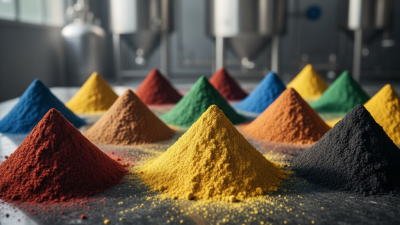
Lately, there’s been quite a buzz around the demand for high-quality Inorganic Pigments in China. Numerous manufacturers are really stepping up their game when it comes to producing vibrant colors that suit a wide range of industries. What’s pretty impressive is how durable and stable these pigments are — they’re basically the go-to for things like coatings, plastics, and even construction materials.
You’ve probably heard of companies like Hongya Group and Shijiazhuang Shuangzheng—they’ve really built a solid reputation in this space. They focus a lot on innovation and quality control, which is part of why they’re considered leaders now. But here’s the thing: with so many producers out there, choosing the right supplier can be kinda tricky. It’s definitely worth taking the time to check out product specs and make sure the supplier has good credentials.
Also, lots of suppliers might give you a pretty tempting price, but don’t forget—quality really should come first. Going for the cheapest option could end up costing you more down the line if the product doesn’t meet standards. Do your homework, do a bit of research, and you’ll find those reliable sources that not only meet your quality needs but also fit your specific requirements. Trust me, it pays off in the long run.
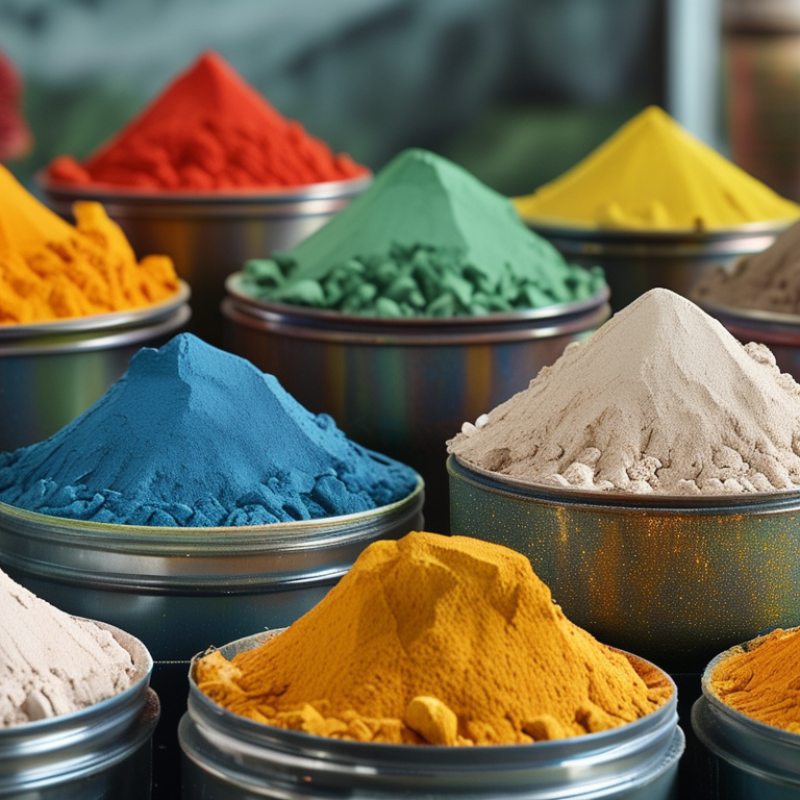
Overview of Inorganic Pigments in China
Inorganic pigments play a crucial role in various industries, particularly in paints, coatings, and plastics. They are known for their stability and durability. In China, the production of high-quality inorganic pigments has seen significant growth. Manufacturers focus on product consistency and performance. This focus gives these pigments a competitive edge in the global market.
China is home to several unique inorganic pigments. These include titanium dioxide, iron oxide, and chromium oxide. Each pigment has distinct properties. For example, titanium dioxide offers excellent opacity and brightness. Iron oxide pigments are valued for their excellent weather resistance. Moreover, chromium oxide is known for its vibrant green color and chemical stability. Such variations cater to diverse applications. However, ensuring quality control remains a challenge. Manufacturers must uphold stringent standards for consistency.
The market for inorganic pigments in China is evolving. Increasing demand for eco-friendly products is influencing production methods. Companies are investing in sustainable practices. However, the balance between quality and environmental responsibility is a pressing issue. Continuous innovation is needed to meet future demands while ensuring reliability. Pigment Inorganic formulations must adapt to these changing requirements. Collaboration between researchers and manufacturers will support this evolution.
Criteria for High-Quality Inorganic Pigments
When searching for high-quality Inorganic pigments, several criteria come into play. Quality can be gauged by the pigment's color consistency and stability. Additionally, the lightfastness and weather resistance are crucial for various applications. These factors determine how long pigments will retain their hue and integrity in different environments.
Tip: Always ask for samples before purchasing. This allows for real-world testing of the pigments in your specific application.
Another key aspect is particle size distribution. Fine, uniform particles lead to better dispersion and coverage. Coarser particles may create a gritty texture. Also, check the purity levels of the pigments. Impurities can lead to unexpected results and affect the final product's quality.
Tip: Investigate the manufacturing process. Reliable suppliers should be transparent about their production methods.
Finally, consider the environmental impact. Eco-friendly production techniques and sustainable sourcing can enhance the overall value of the inorganic pigments. It’s essential to weigh these aspects against your needs and budget. Balancing cost with quality may not always be straightforward, but it's crucial for long-term satisfaction.
Top Producers of Inorganic Pigments in China
China is a significant player in the global inorganic pigments market. Many producers excel in quality and offer a diverse range of products. These pigments are crucial in various industries, including coatings, plastics, and paints. High-quality inorganic pigments contribute to vibrant colors and improved durability.
When choosing a supplier, consider factors such as production capacity and quality control. Look for companies with ISO certifications. Diverse product lines offer more options for different applications. Quality varies, so thorough research is essential. Reach out to multiple producers and request samples for evaluation.
Tips: Always verify the producer's track record. Industry reputation can indicate reliability. Comparison among different suppliers helps make an informed choice. Stay updated on market trends to anticipate shifts in demand and supply. A well-researched approach may lead to unexpected partnerships or insights. Be prepared for fluctuating prices; factors in raw material availability often affect costs.
Applications of Inorganic Pigments in Various Industries
Inorganic pigments play a vital role in various industries, providing color and stability. They are commonly used in coatings, plastics, and even construction materials. A recent report from Grand View Research highlights that the global inorganic pigments market is expected to reach $20 billion by 2025. This growth is driven by the increasing demand for paints and coatings, particularly in emerging markets.
In the automotive and aerospace sectors, inorganic pigments enhance durability and thermal stability. These pigments can withstand harsh environmental conditions, making them ideal for exterior applications. Industries are also utilizing Synthetic Inorganic Pigments for their excellent opacity and tinting strength. However, the reliance on certain raw materials can lead to price volatility and supply chain issues. Such challenges require ongoing assessment and strategic sourcing.
Tips: Choose pigments wisely. Look for those with low environmental impact. Always consider regulatory guidelines in your sourcing process. Monitoring market trends can help mitigate risks associated with changing costs. Engaging with reliable suppliers can ensure consistent quality and availability of needed pigments.
Environmental Regulations Affecting Pigment Production
Environmental regulations play a significant role in the production of inorganic pigments in China. These regulations aim to minimize pollution and promote sustainable practices within the industry. Manufacturers must comply with strict standards related to emissions and waste disposal. The development of eco-friendly pigments has gained momentum in recent years. Many companies are exploring alternatives that reduce environmental impact.
The Chinese government has implemented various policies to enforce these regulations. Compliance often requires additional investments in technology and processes. Companies that do not adapt risk facing penalties. However, these challenges also present opportunities for innovation. New methods and materials can lead to improved products that fulfill regulatory demands. It is a complex balance between cost and environmental responsibility.
Despite advancements, some manufacturers may struggle to meet these regulations. There are still gaps in understanding sustainable practices among smaller producers. This could lead to inconsistency in quality. The industry must continually evolve and educate its workforce. Overall, environmental regulations shape the future of pigment production, pushing for higher standards and better practices.
Trends in the Inorganic Pigment Market in China
In recent years, the inorganic pigment market in China has shown remarkable growth. According to a report from ResearchAndMarkets, the market is projected to reach $5.5 billion by 2027, with a CAGR of 3.4%. This growth is fueled by increasing demand in end-user industries such as construction, automotive, and coatings. China's commitment to environmental sustainability has also sparked innovation in the production of Inorganic Color Pigments. Manufacturers are adopting eco-friendly practices and reducing toxic emissions.
The key trends influencing the inorganic pigment market include the shift towards non-toxic and durable formulations. Customers favor pigments that offer long-lasting performance and vivid hues. However, the market faces challenges, such as fluctuating raw material costs. This instability often affects pricing strategies for manufacturers. Moreover, there is a growing awareness of the environmental impact of production processes, leading to stricter regulations. Companies must navigate these changing dynamics to remain competitive while ensuring product reliability and safety.
Innovation is crucial for staying relevant in the inorganic pigment industry. With advancements in technology, new applications for inorganic color pigments are emerging. These advancements enable the creation of unique, high-quality colors that meet diverse consumer needs. Nonetheless, some manufacturers struggle to keep pace with rapid changes. This gap highlights the need for ongoing research and development to foster sustainable growth in this evolving market.
Top 10 High Quality Wholesale Inorganic Pigments in China
| Rank |
Pigment Type |
Color |
Common Uses |
Market Trends |
| 1 |
Titanium Dioxide |
White |
Coatings, Plastics |
Increasing demand for eco-friendly products |
| 2 |
Iron Oxide Red |
Red |
Construction, Paints |
Stable pricing and high-quality standards |
| 3 |
Yellow Iron Oxide |
Yellow |
Plastics, Inks |
Growing usage in non-toxic materials |
| 4 |
Chromium Oxide Green |
Green |
Ceramics, Coatings |
Hybrid formulations on the rise |
| 5 |
Carbon Black |
Black |
Rubber, Coatings |
Sustainable alternatives gaining traction |
| 6 |
Cobalt Blue |
Blue |
Glazes, Plastics |
Robust demand in artistic applications |
| 7 |
Bismuth Vanadate Yellow |
Yellow |
Coatings, Inks |
Sought after for its brightness and opacity |
| 8 |
Zinc Oxide |
White |
Cosmetics, Paints |
Increasing use in personal care |
| 9 |
Manganese Violet |
Purple |
Art Supplies, Plastics |
Niche applications driving demand |
| 10 |
Cadmium Orange |
Orange |
Artistic Paints, Coatings |
Increasing regulatory challenges affecting supply |
Tips for Sourcing Wholesale Inorganic Pigments in China
Sourcing wholesale inorganic pigments in China requires careful consideration and strategic planning. The Chinese pigment market is large and diverse, accounting for over 40% of the global pigment production. The industry produces a wide range of pigments that are used in coatings, plastics, and construction materials. Understanding the local market dynamics is essential for any buyer.
When sourcing, examine supplier certifications and quality control measures. Reliable suppliers often follow international standards such as ISO 9001. You can request samples to evaluate color consistency and performance. According to a recent industry report, approximately 30% of buyers noted quality inconsistencies as a primary challenge when sourcing pigments. This highlights the need for thorough supplier vetting.
Pricing structures can vary significantly among suppliers. Be wary of prices that seem too low, as they may indicate lower quality or less reliable sourcing. A report from a market analysis firm indicates that effective negotiation skills can lead to a cost reduction of 15-20%. Transparency in pricing from suppliers fosters trust and long-term partnerships. Doing background checks on potential suppliers can help mitigate risks and ensure product reliability.
Market Dynamics and Growth Projections of Pigment Intermediates: Insights from Recent Industry Reports and Data Analysis
The market dynamics of pigment intermediates are significantly influenced by the increasing demand in various industries, particularly in textiles, coatings, and plastics. Benzene-based intermediates, for instance, serve as the primary raw materials for the production of azo pigments, prominently covering the yellow, orange, and red spectrum. This widespread utilization stems from their cost-effectiveness and vibrant color properties, making them a staple in many applications. As innovations in color development continue, the need for high-quality benzene-based intermediates is poised to rise, which will in turn drive market growth.
Naphthalene-based intermediates, including compounds like 2-naphthol and Tobler acid, play a crucial role in synthesizing phenolic azo pigments and various acidic pigments. As manufacturers seek to improve the performance characteristics of pigments—such as durability and fastness—these intermediates are becoming increasingly vital. Additionally, advancements in the production technologies for these intermediates could create new opportunities and efficiencies within the market.
Moreover, anthraquinone-based intermediates, such as anthraquinone and its derivatives, are essential for producing high-performance anthraquinone reducing pigments. These pigments are known for their excellent fastness properties, making them ideal for commercial applications. The growth of industries that require durable and vibrant color solutions suggests a burgeoning demand for anthraquinone-based intermediates, reinforcing their position in the pigment intermediary market. As these trends continue, the insights from recent industry reports highlight a positive outlook for the growth of pigment intermediates in the coming years.
FAQS
: China produces over 40% of global inorganic pigments. It's crucial for various industries like coatings and plastics.
Look at production capacity, quality control, and ISO certifications. These ensure you are getting reliable products.
Request samples for evaluation. Comparing colors and performance helps identify reliable suppliers.
There is a shift toward non-toxic, durable formulations. Customers want long-lasting pigments with vivid colors.
Fluctuating raw material costs affect pricing. Environmental regulations are also becoming stricter, creating additional hurdles.
Careful planning and understanding local dynamics are key. Vet suppliers and check for certifications to reduce risks.
Conduct thorough supplier vetting. It’s crucial for avoiding problems later in the sourcing process.
Effective negotiation can lower costs by 15-20%. Transparency in pricing builds trust between you and suppliers.
Prices that seem too low may indicate poor quality. Compare pricing structures among suppliers to find the best value.
Keeping pace with technology advancements is vital. Some manufacturers lag behind, highlighting the need for ongoing development.
Conclusion
In China, inorganic pigments play a crucial role in various industries due to their stability, durability, and vibrant colors. This article provides an overview of the current inorganic pigment market, outlining key criteria that define high-quality pigments, including color consistency, particle size, and environmental compliance. Additionally, it highlights top producers in China and the diverse applications of inorganic pigments in sectors such as plastics, coatings, and construction.
Moreover, the article discusses how environmental regulations are shaping pigment production and the latest trends influencing the market, such as the shift towards more sustainable practices. For businesses looking to source wholesale inorganic pigments, understanding the market dynamics, regulatory landscape, and sourcing tips is essential for making informed decisions.