In the lively world of color production, China truly stands out as a major hub for Oxide Pigments. These pigments are super important across lots of industries—think coatings, plastics, even construction. They’re not just about adding color; they also bring key properties like stability and durability, which are obviously crucial. If you're in the biz, knowing who the top manufacturers are can really make a difference when you're choosing high-quality products.
Some of the big players you’ll hear about include companies like Hubei Jusheng Technology Co., Ltd. and Lomon Billions Group. These guys are leading the charge with their innovative ways of doing things. Plus, they really care about quality and making sure their products meet international standards. That said, it’s also super important for businesses to look into how these pigments are made—making sure the environmental impact is considered. Being transparent about sourcing and manufacturing isn’t just a good practice; it helps build trust.
Of course, while oxide pigments offer tons of benefits, it’s smart to stay a bit cautious when dealing with suppliers. Not everyone plays by the same rules or holds the same level of responsibility. Doing your homework and digging into the background of your suppliers can help you avoid any surprises down the road. Connecting with trustworthy vendors really is the key to ensuring you get quality products in this busy, competitive market.
Overview of Oxide Pigments and Their Applications
Oxide pigments, often referred to as Hyrox Pigments, play a crucial role in various industries. They are widely used in coatings, plastics, and construction materials due to their durability and vibrant colors. According to a recent industry report, the global oxide pigments market is projected to grow at a CAGR of 5.1% from 2023 to 2030. This increasing demand highlights their importance and adaptability across multiple applications.
These pigments offer excellent opacity and UV resistance, making them ideal for exterior applications. They are preferred for their non-toxic properties and environmental safety. Yet, the production processes of these pigments warrant scrutiny. Some manufacturers may not adhere to stringent environmental standards, leading to potential pollution issues. Addressing these concerns is vital for sustainability in the industry.
In the coatings sector alone, oxide pigments account for nearly 40% of the market usage. Their ability to provide vibrant and stable colors under different conditions is unmatched. However, the market faces a challenge with counterfeit products, which may not meet quality standards. Consumers must remain vigilant to ensure they select high-quality Hyrox Pigments for their needs.
Key Features of High-Quality Oxide Pigments
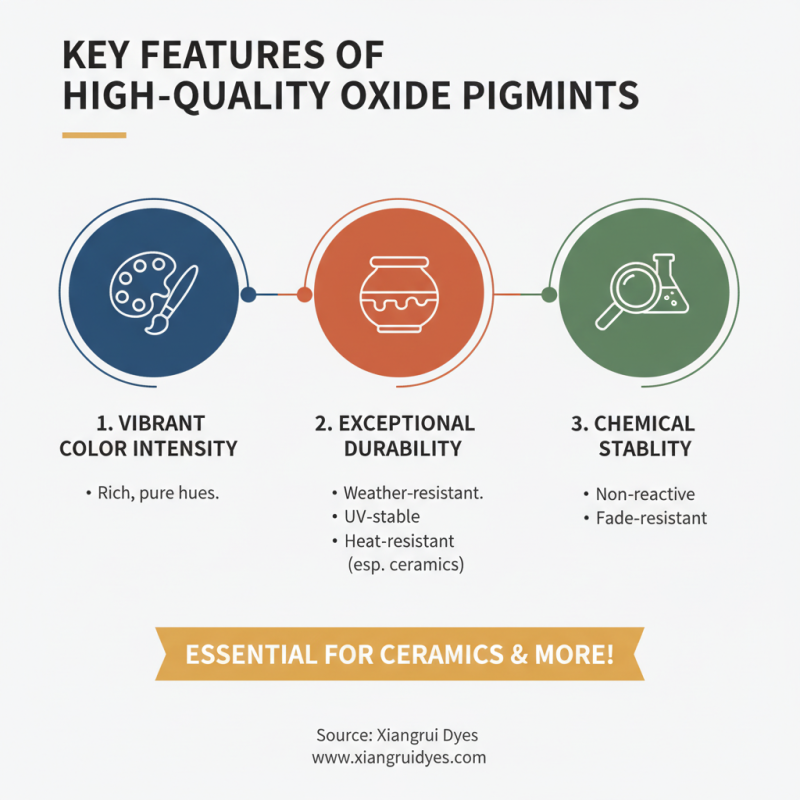
High-quality oxide pigments play a crucial role in various applications, especially in the ceramics industry. Pottery Pigments rely heavily on these pigments for their vibrant colors and durability. When evaluating oxide pigments, there are several key features to consider.
One important aspect is color stability. High-quality pigments maintain their hue under different environmental conditions, ensuring consistent results. The ease of dispersion also matters. Good oxide pigments mix well with other materials, enhancing the final product's quality. In the pottery sector, this means the colors must blend seamlessly into the clay body, providing an appealing aesthetic.
Another feature is resistance to fading. Quality oxide pigments withstand UV exposure without losing vibrancy. This factor is essential for items exposed to sunlight, like outdoor pottery. Additionally, safety remains a priority. Ensuring that pigments are non-toxic and environmentally friendly is increasingly vital for manufacturers today. As the industry evolves, recognizing these features becomes essential for artisans and producers alike. Engaging in this reflection can help improve sourcing choices and enhance overall product quality.
Criteria for Evaluating Manufacturers of Oxide Pigments
When choosing oxide pigment manufacturers, consider several critical factors.
Research their production methods and raw materials. Quality assurance processes are vital. Reliable manufacturers often implement
strict quality control to ensure consistency. Look for transparency in sourcing materials and production practices.
Examine their product range as well. A diverse selection usually indicates experience and adaptability in the market.
Pay attention to certifications and industry standards. These demonstrate a commitment to safety and quality.
Manufacturers who provide relevant certifications are often more trustworthy. Additionally, inquire about their environmental practices.
Sustainable methods indicate a responsible approach to production.
Customer feedback is essential. Reviews and testimonials can reveal strengths and weaknesses. Manufacturers that prioritize
client satisfaction tend to have better reputations. Explore their responsiveness to inquiries and support services.
After all, effective communication builds trust. For instance, companies offering
Lip Safe Pigments
often highlight their commitment to non-toxic and safe products.
This dedication can set them apart in a crowded market.
Finding the right manufacturer requires a careful evaluation of these aspects to make an informed choice.
Leading Oxide Pigment Manufacturers in China
When exploring the oxide pigment market in China, a few manufacturers consistently stand out for their expertise and innovation. The country has become a leading producer, contributing over 40% to global oxide pigment supply. Reports indicate that the market is projected to grow at a CAGR of 5.5% from 2021 to 2026, driven by the rising demand across industries like coatings, plastics, and construction.
One notable aspect is the emphasis on quality and sustainability. Many Chinese manufacturers are investing in advanced technologies to enhance production efficiency while minimizing environmental impact. This transition is crucial, as approximately 35% of pigment producers report challenges related to raw material sourcing. Addressing this issue could significantly improve overall quality and reliability in the supply chain.
Despite these advancements, some manufacturers still face hurdles in maintaining consistent product quality. Variability in raw materials can lead to fluctuations in pigment performance. Continuous improvement practices are essential here. The industry's focus on certifications and quality standards remains paramount. Upholding these standards not only enhances credibility but also ensures that the products meet international market demands.
Comparative Analysis of Pigment Quality and Pricing
The competitive landscape of the oxide pigments market in China is marked by varying pigment quality and pricing. According to recent reports, the price of high-quality
Inorganic pigments
can range significantly. Some manufacturers offer products at lower costs, but this often correlates with a drop in quality. The market shows that over 30% of buyers prioritize quality over cost when selecting pigment suppliers.
Quality assessments usually focus on factors such as color consistency, dispersion rate, and durability. For example, data indicates that effective dispersibility is essential for applications in coatings and plastics. Pigments with superior performance have been reported to enhance the longevity and brightness of the final product. However, some manufacturers struggle to maintain these standards, leading to inconsistency in their offerings. This gap raises concerns about reliability in sourcing.
The pricing strategy among top manufacturers often reflects their quality assurance measures. High-end producers invest significantly in R&D, ensuring their inorganic pigments meet rigorous industry standards. Yet, this investment comes at a cost. It can result in a price premium that not all customers are willing or able to pay. Thus, the decision-making process for buyers becomes increasingly complex as they weigh the trade-offs between quality and cost. Ensuring consistent quality while keeping prices competitive remains a challenge for many manufacturers in the oxide pigments industry.
Sustainability Practices Among Top Manufacturers
Sustainability practices are increasingly important among top oxide pigment manufacturers in China. Reports indicate that the global demand for sustainable pigments has risen by 20% in recent years. Manufacturers are responding to this shift with innovative approaches.
Many companies focus on reducing their carbon footprint. They are adopting eco-friendly materials and energy-efficient technologies. Various reports highlight that about 40% of these manufacturers have implemented waste recycling programs. These initiatives not only lower environmental impact but also enhance operational efficiency.
Tips: Consider supporting manufacturers that prioritize sustainability. Look for certifications that indicate eco-friendly practices. Always check for transparency in their supply chains.
However, challenges remain. Some companies struggle with the high costs of sustainable raw materials. This can lead to compromises in product quality or increased prices. The balance between sustainability and profitability is a crucial conversation in the industry. Manufacturers must continually assess their strategies to meet both market demands and environmental responsibilities.
Future Trends in the Oxide Pigment Industry in China
The oxide pigment industry in China is on the verge of significant transformation. Innovations in production methods are emerging. Manufacturers are now focusing on sustainable practices. This shift is driven by the growing demand for eco-friendly materials. Enhanced durability and vivid colors are also key aspects. Consumers are becoming more aware of their choices. They often seek high-quality, non-toxic pigments.
Digital technologies are shaping the landscape too. The use of artificial intelligence in production can enhance efficiency. However, not all manufacturers have embraced these advancements. Some still rely on traditional methods. This gap presents a challenge for the industry. As environmentally-conscious consumers look for better options, businesses must adapt.
Regulatory compliance is another critical consideration. Stricter environmental regulations are being implemented. Companies must ensure their products meet these standards. Failure to do so may result in significant penalties. The future of oxide pigments in China appears promising. However, ongoing challenges require vigilance and adaptation. The industry must balance innovation with sustainability to thrive in a competitive market.
Top High Quality China Oxide Pigments Manufacturers You Should Know
| Manufacturer Type |
Production Capacity (tons/year) |
Export Markets |
Certification |
Key Products |
| Organic Pigments Manufacturer |
20,000 |
Asia, Europe, North America |
ISO 9001, REACH |
Red Oxide, Yellow Oxide |
| Inorganic Pigments Producer |
30,000 |
South America, Africa |
ISO 14001, OHSAS 18001 |
Black Oxide, Green Oxide |
| Specialty Pigments Corporation |
15,000 |
Middle East, Europe |
FSC, CE |
High-performance Yellow, Gray Pigments |
| Colorant Manufacturing Group |
10,000 |
Asia, Australia |
ISO 9001, RoHS |
Opaque Pigments, Transparent Pigments |
Conclusion
Oxide pigments are essential coloring agents widely used across various industries, including paints, coatings, plastics, and cosmetics. This article provides a comprehensive overview of oxide pigments and highlights their key applications, emphasizing the significance of quality in achieving desired color stability and performance. High-quality oxide pigments are characterized by their durability, consistency, and environmental safety, making them crucial for manufacturers.
When evaluating oxide pigment manufacturers, several criteria should be considered, such as production capabilities, quality control processes, and sustainability practices. The article also explores leading manufacturers in China, comparing their product quality and pricing strategies while addressing the growing trend towards sustainable production methods. As the oxide pigment industry in China evolves, future trends suggest an increasing focus on innovation and eco-friendly practices to meet global demands.