




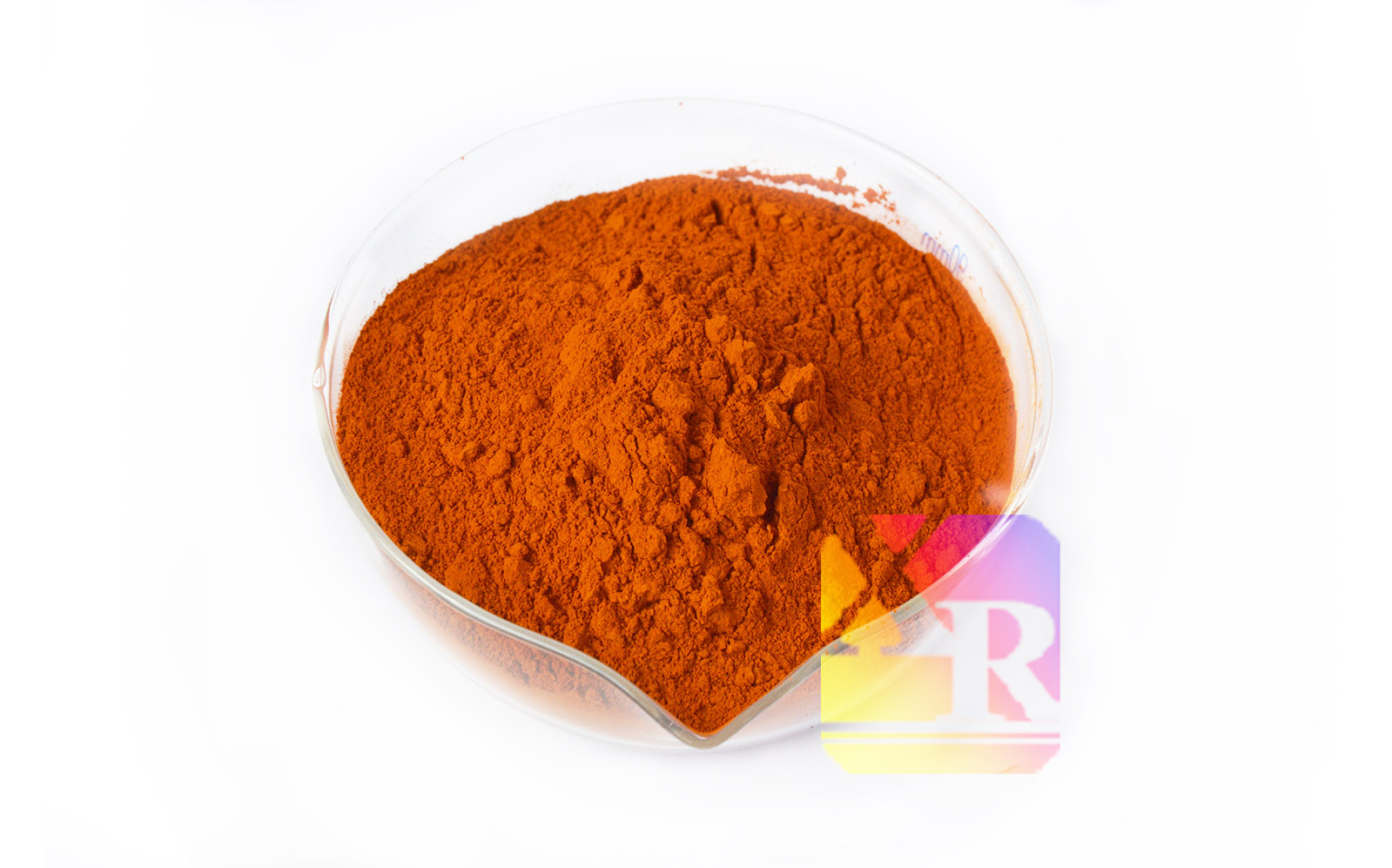
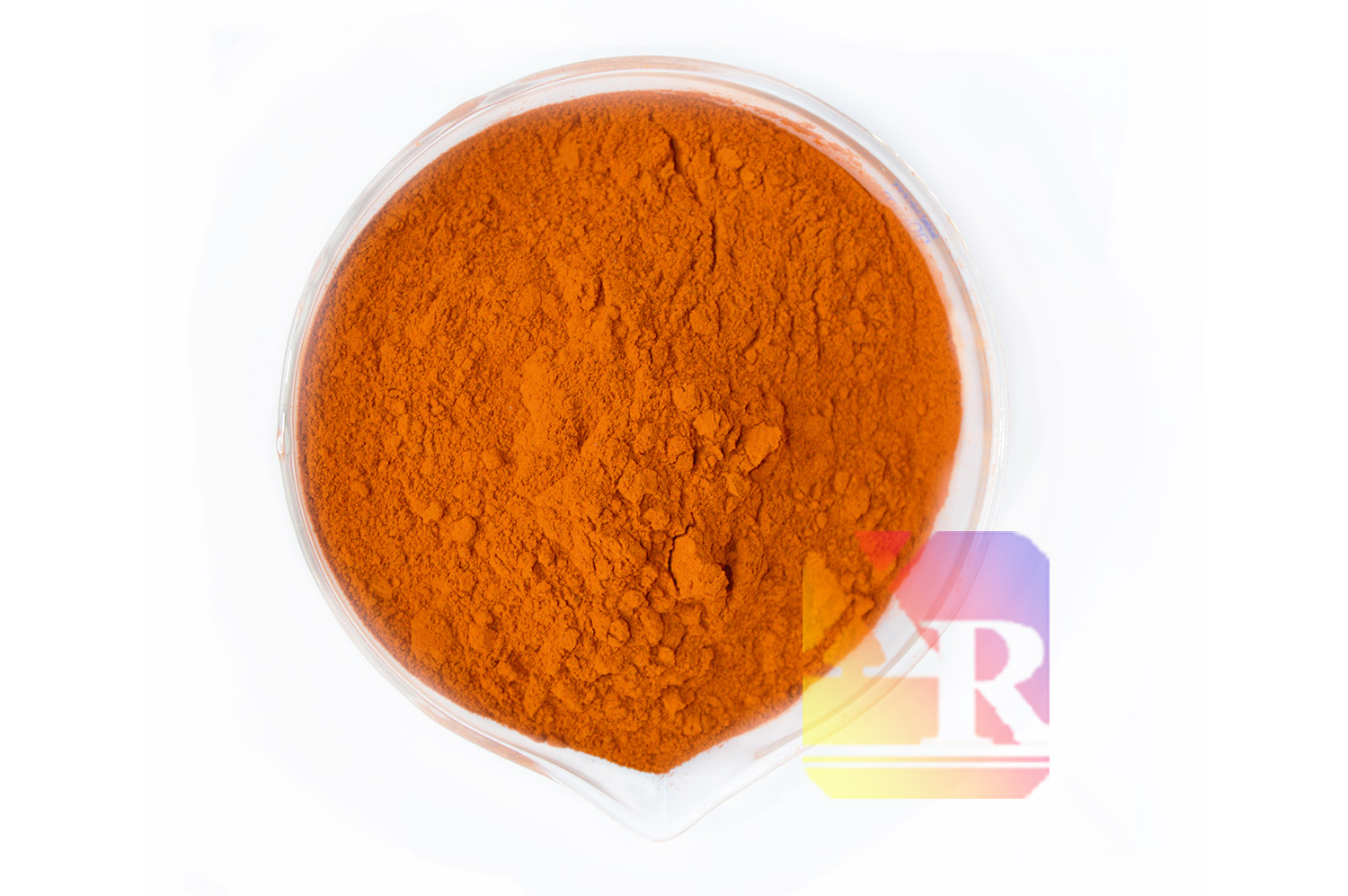
Chemical Fertilizer Dye Acid Golden Yellow G Acid Yellow 36
Basic Information
Product Name: Acid Golden Yellow G/Acid Yellow 36
C.I. No.: Acid Yellow 36
CAS No.: 587-98-4
Chemical Formula: C18H14N3NaO3S
Molecular Weight: 375.377
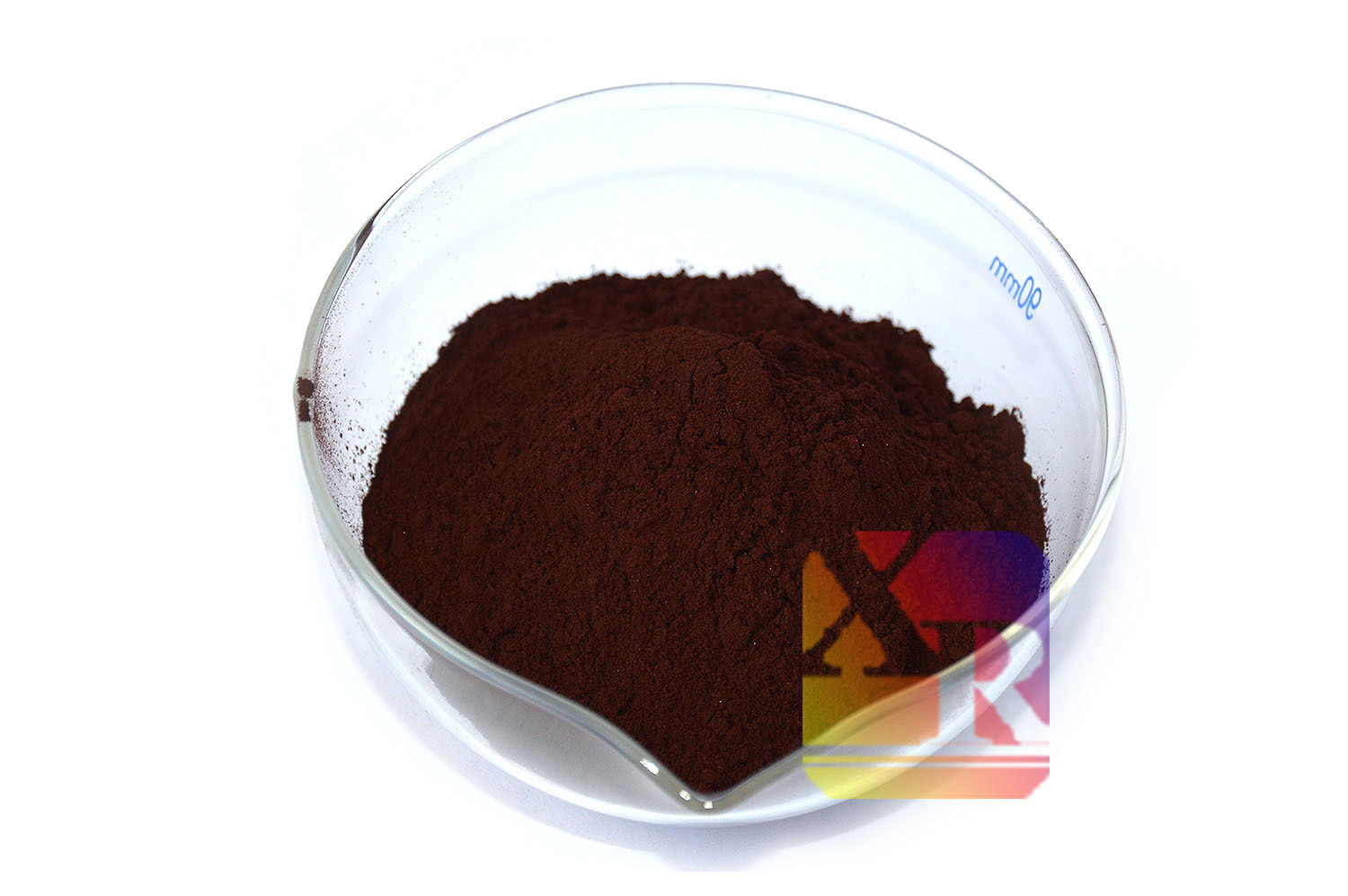
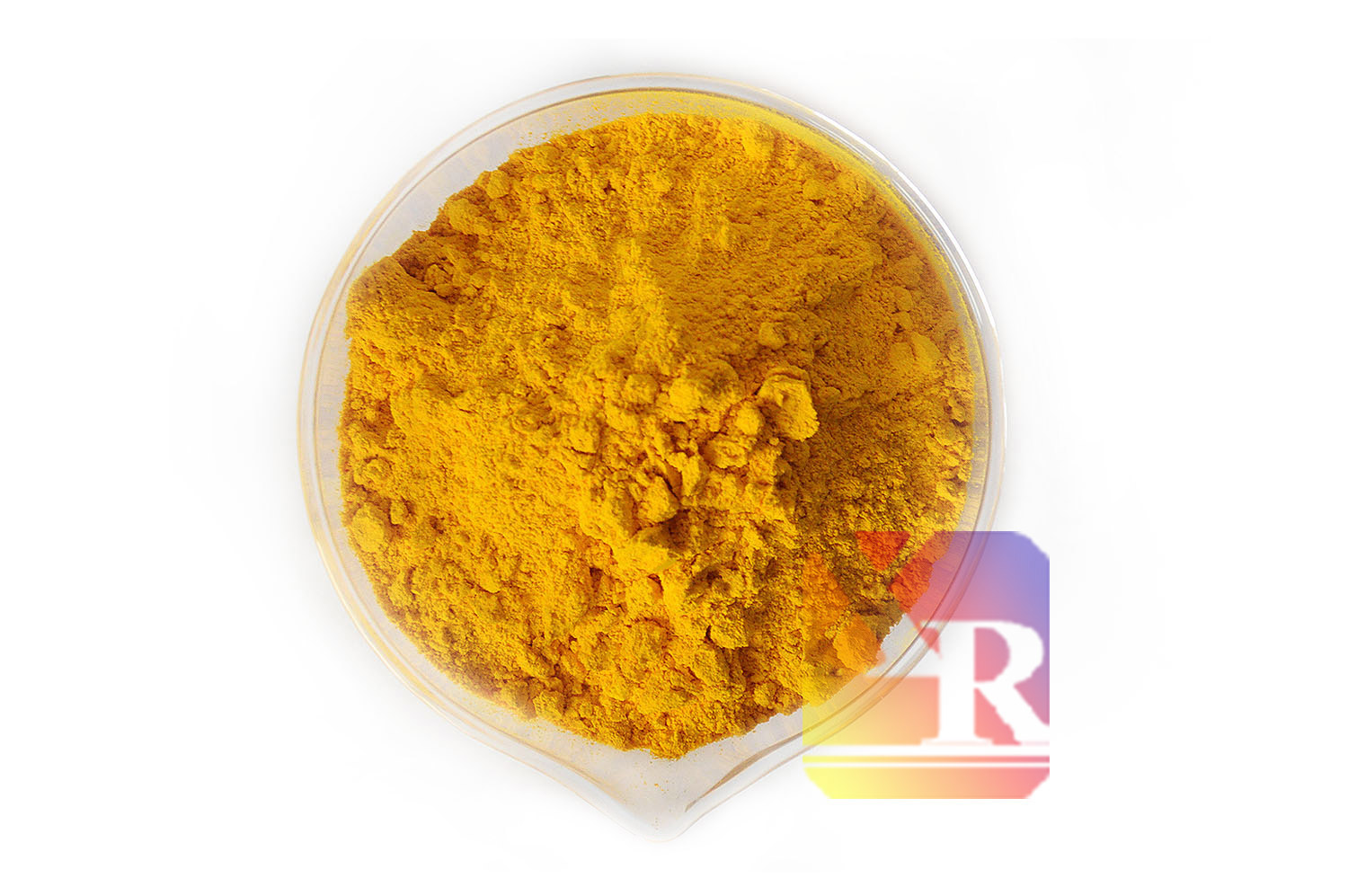
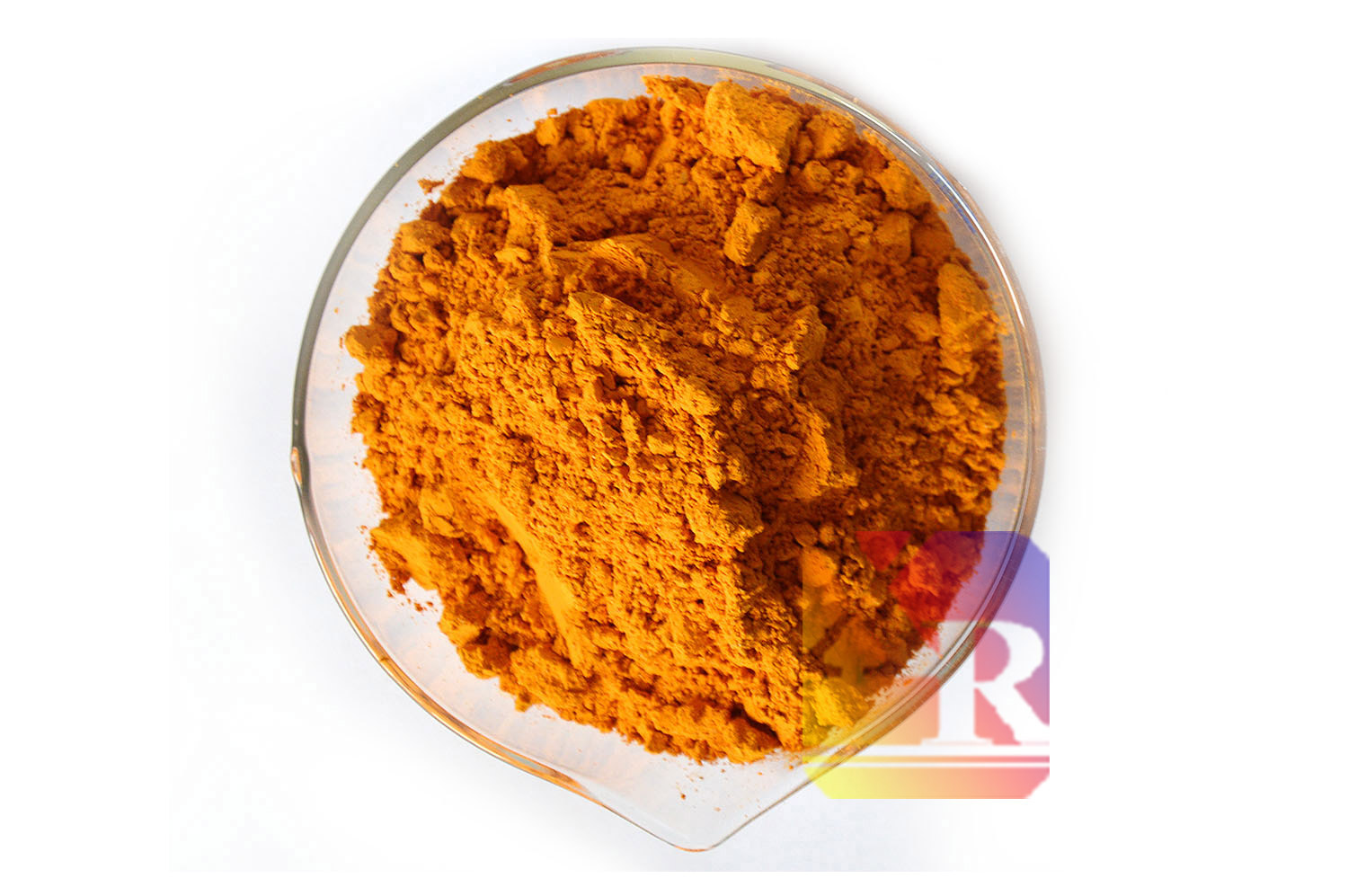
Appearance: Yellow powder
Product Characteristics
Acid Golden Yellow G is a monoazo dye with a non-anthraquinone structure.
Basic Physicochemical Properties
1. Solubility
Acid Golden Yellow G is readily soluble in cold and hot water, forming a clear orange-yellow aqueous solution; it is also soluble in ethanol, and slightly soluble in acetone and benzene-type solvents.
2. Solvent Color Reactions
Concentrated sulfuric acid: turns purple; upon dilution with water, red precipitate forms.
Concentrated nitric acid: initially blue, gradually turning orange.
Aqueous solution + concentrated hydrochloric acid: turns red with precipitation.
Acid Yellow 36 + sodium hydroxide solution: color remains nearly unchanged; excess alkali causes yellow precipitate to form.
3. Influence of Metal Ions
In the presence of copper ions, the hue darkens and becomes greenish; iron ions cause the color to fade; chromium ions have minimal effect on color tone.
4. Standard Quality Specifications
Moisture content: ≤5%
Water-insoluble matter: ≤1%
Color shade: similar to standard – slight difference
Dye strength: 100–150 points
Dyeing Performance
1. Suitable dye bath for Acid Yellow 36: strong acidic conditions; recommended pH = 2–4 for wool dyeing, using sulfuric acid for acid adjustment.
2. Dyeing temperature: 90–98°C, boil-dyeing process.
3. Levelness: Acid Golden Yellow G exhibits excellent leveling properties, with smooth dye uptake and low batch-to-batch variation; good stripping performance, suitable for printing discharge processes.
4. Fastness (on wool substrate):
Lightfastness: Grade 3 (moderately low)
Washing fastness: Grade 2–3
Wet rubbing fastness: Grade 3
Disadvantages: Poor wash and light fastness; prone to fading under prolonged exposure to sunlight; not suitable for products exposed to long-term outdoor sun.
Main Application Fields
1. Textile Dyeing & Printing: Used for dyeing wool, silk, and nylon fabrics, as well as direct printing. Acid Yellow 36 is often blended with Acid Red and Acid Lake Blue to produce gold, olive green, and other complex shades. Not suitable for direct dyeing of pure cotton or polyester.
2. Industrial Coloring: Leather, electroplated aluminum, anodized aluminum, and wood coloring.
3. Other Industries: Soap coloring, paper products, incense coloring, industrial inks, pigment preparation; Acid Yellow G can also be used as an acid-base indicator.
Advantages and Disadvantages
Advantages
1. Acid Yellow 36 has excellent water solubility, dissolves quickly, and resists clumping.
2. Bright, vivid golden-orange hue with high transparency; strong blending capability; preferred acid yellow dye for creating gold tones.
3. Excellent leveling, uniform dye uptake, good reproducibility, and superior discharge effects in printing.
4. High dyeing efficiency and cost-effectiveness.
Disadvantages
1. Acid Yellow 36 has relatively poor lightfastness; avoid use in outdoor or high-sunlight-exposure applications.
2. Moderate wet washing fastness; deep shades may show slight bleeding during washing.
3. Avoid using equipment with copper components during dyeing to prevent hue darkening.