








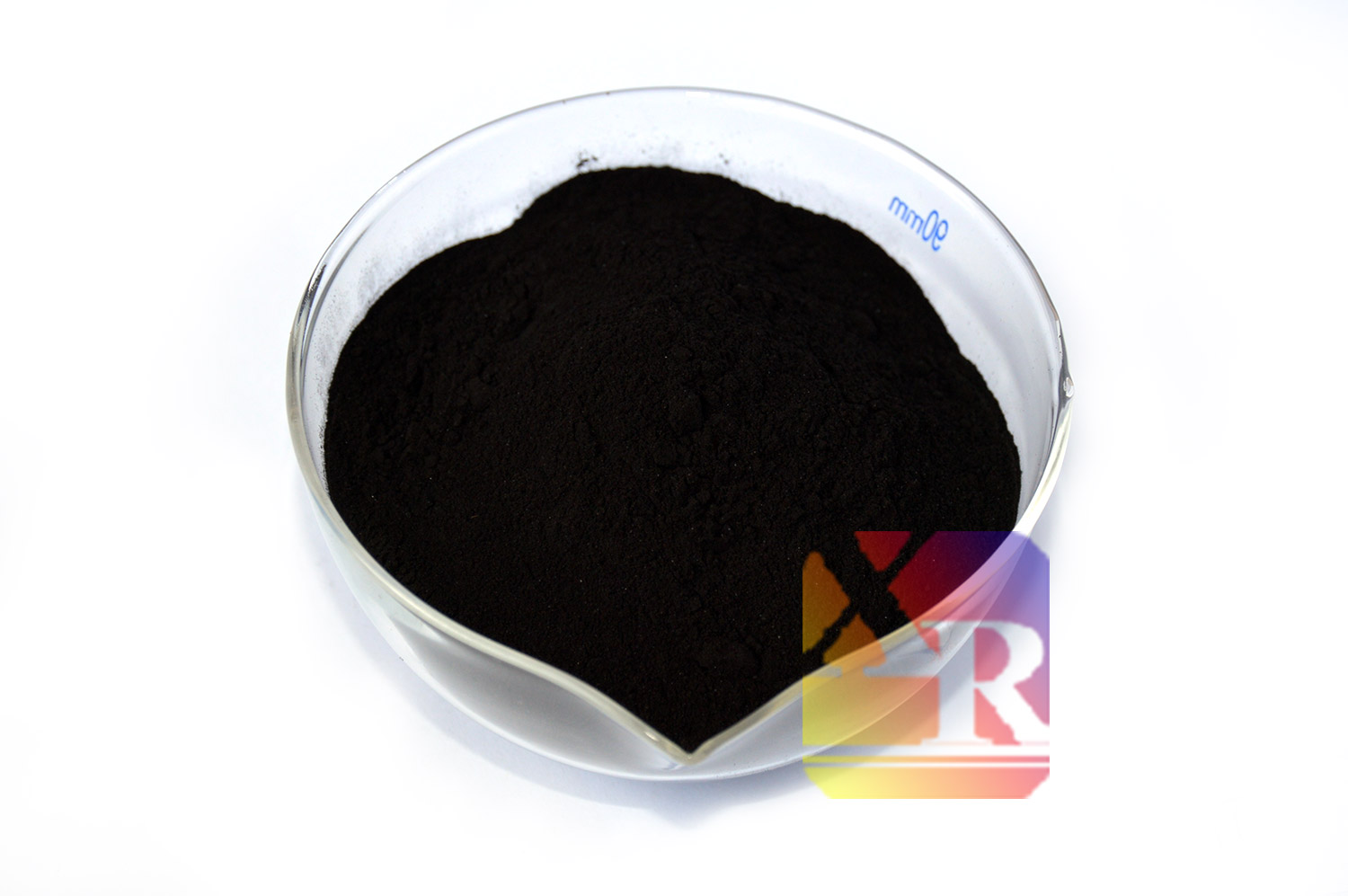
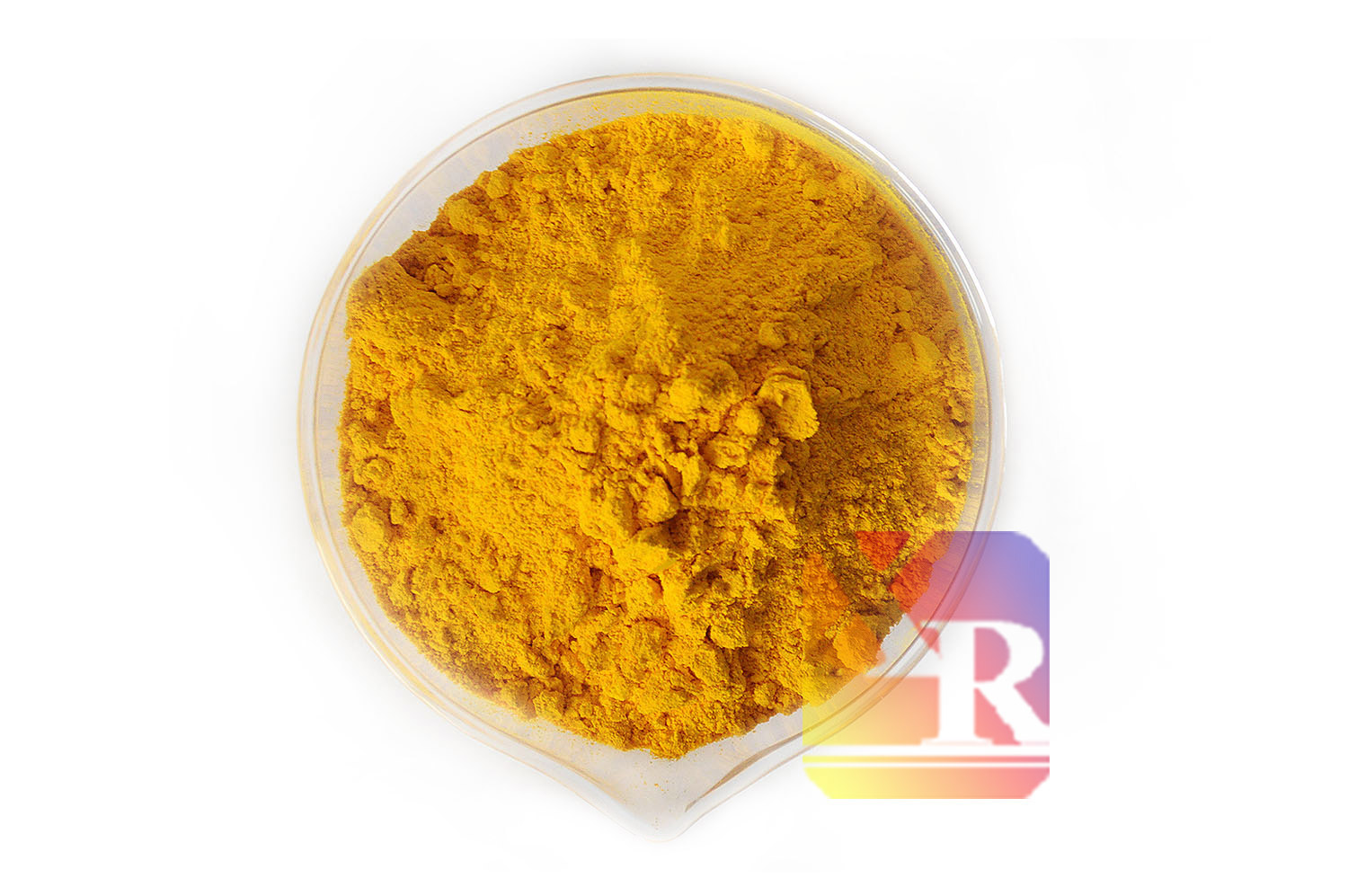
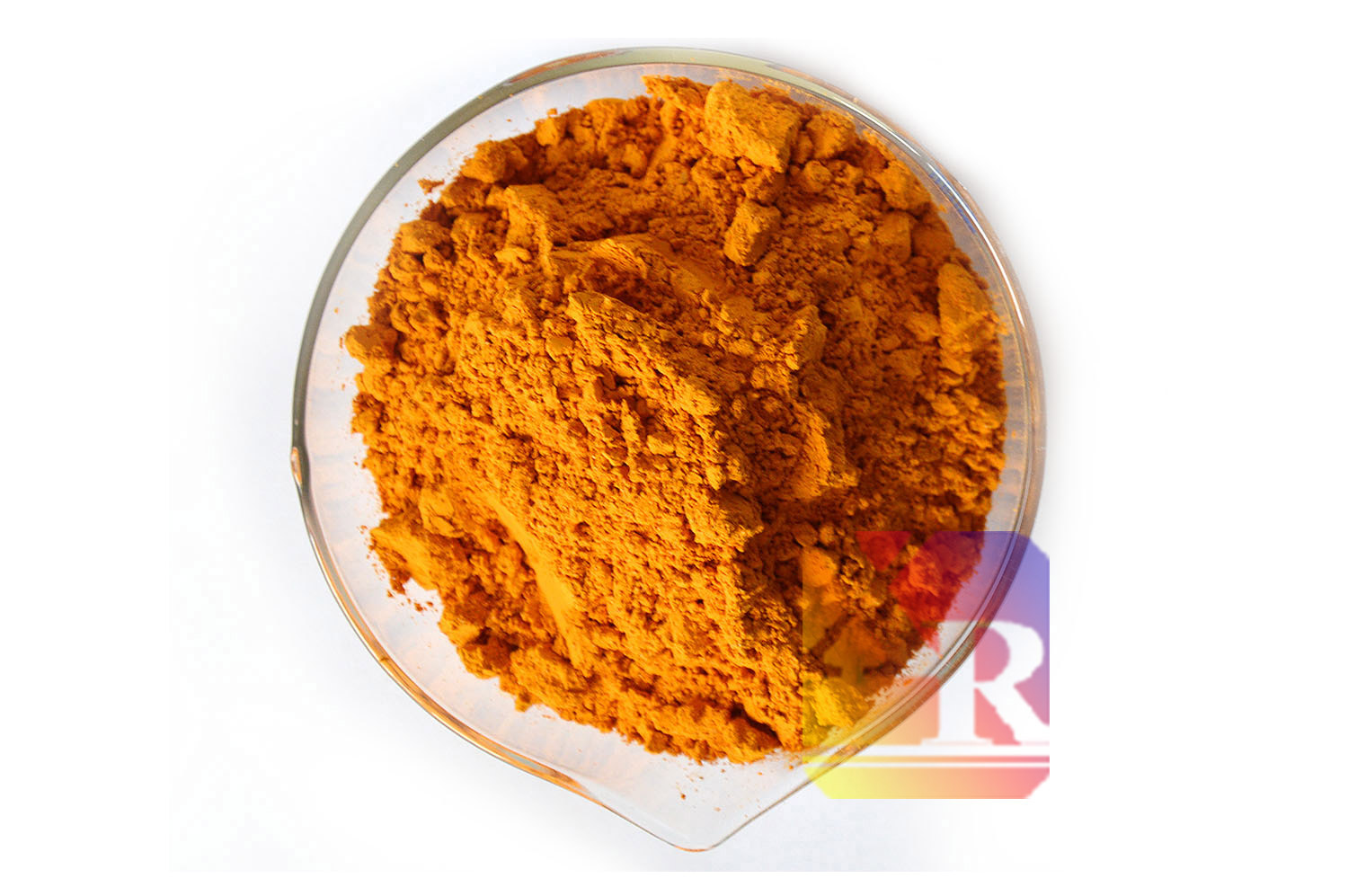
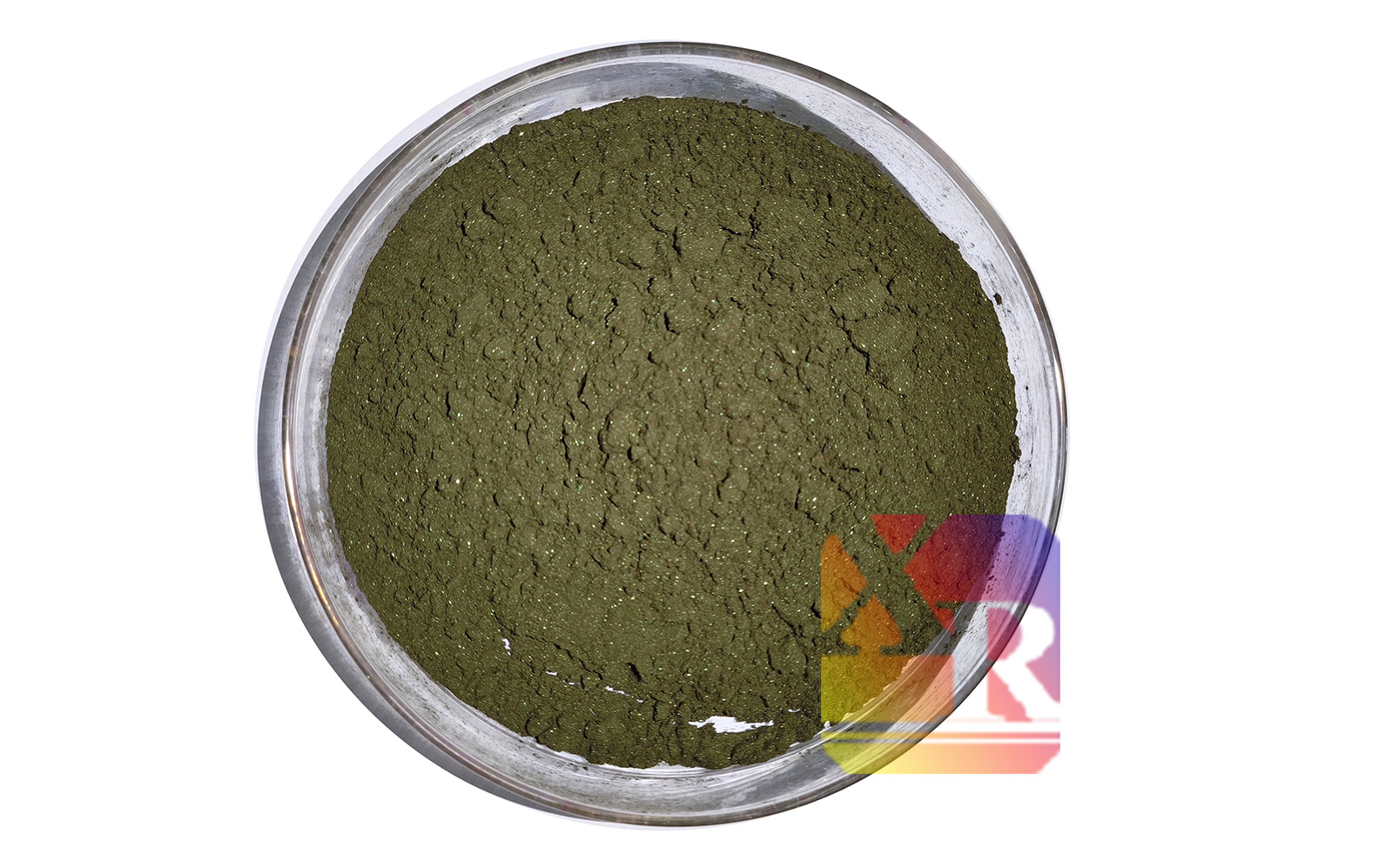
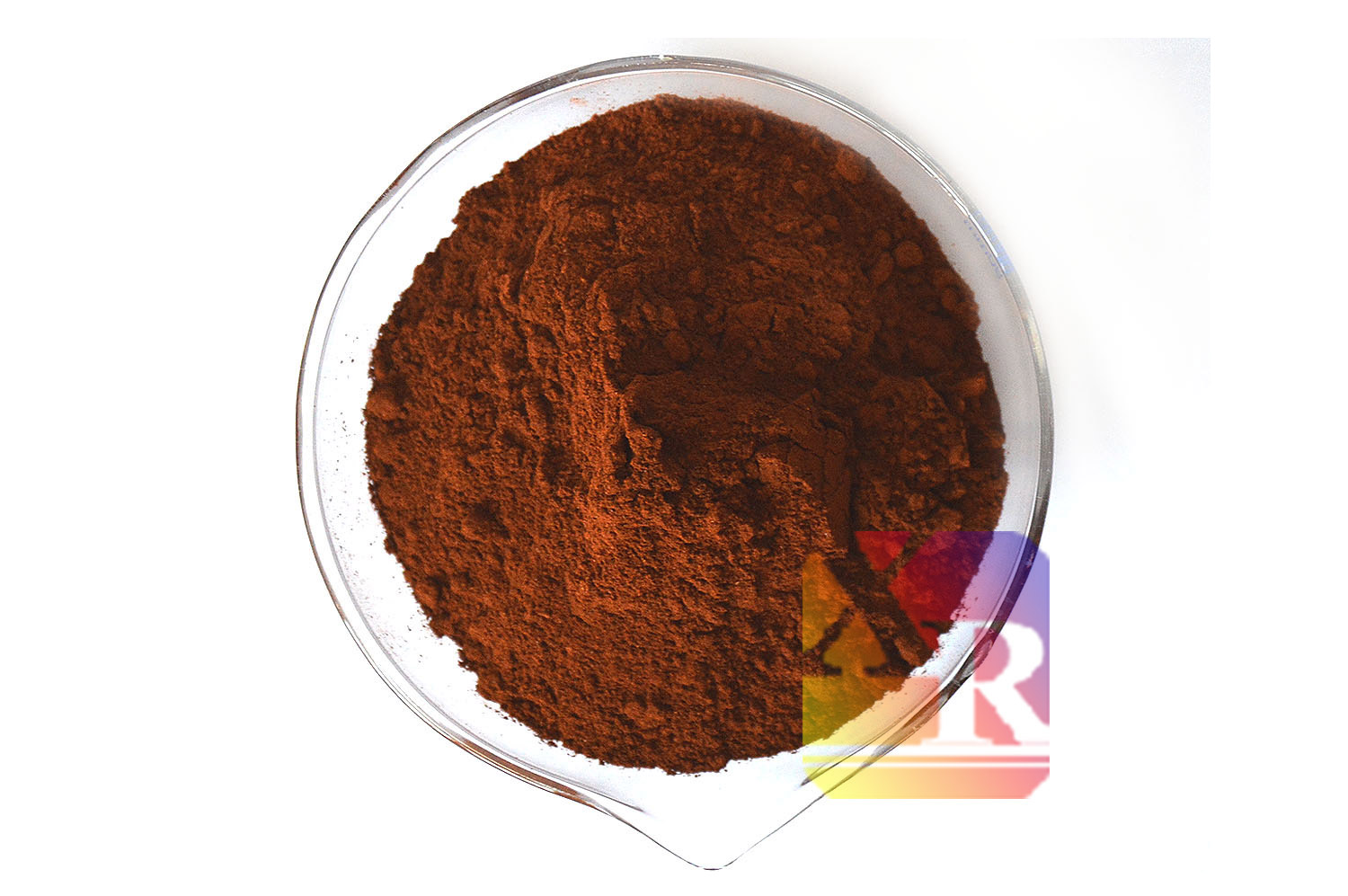
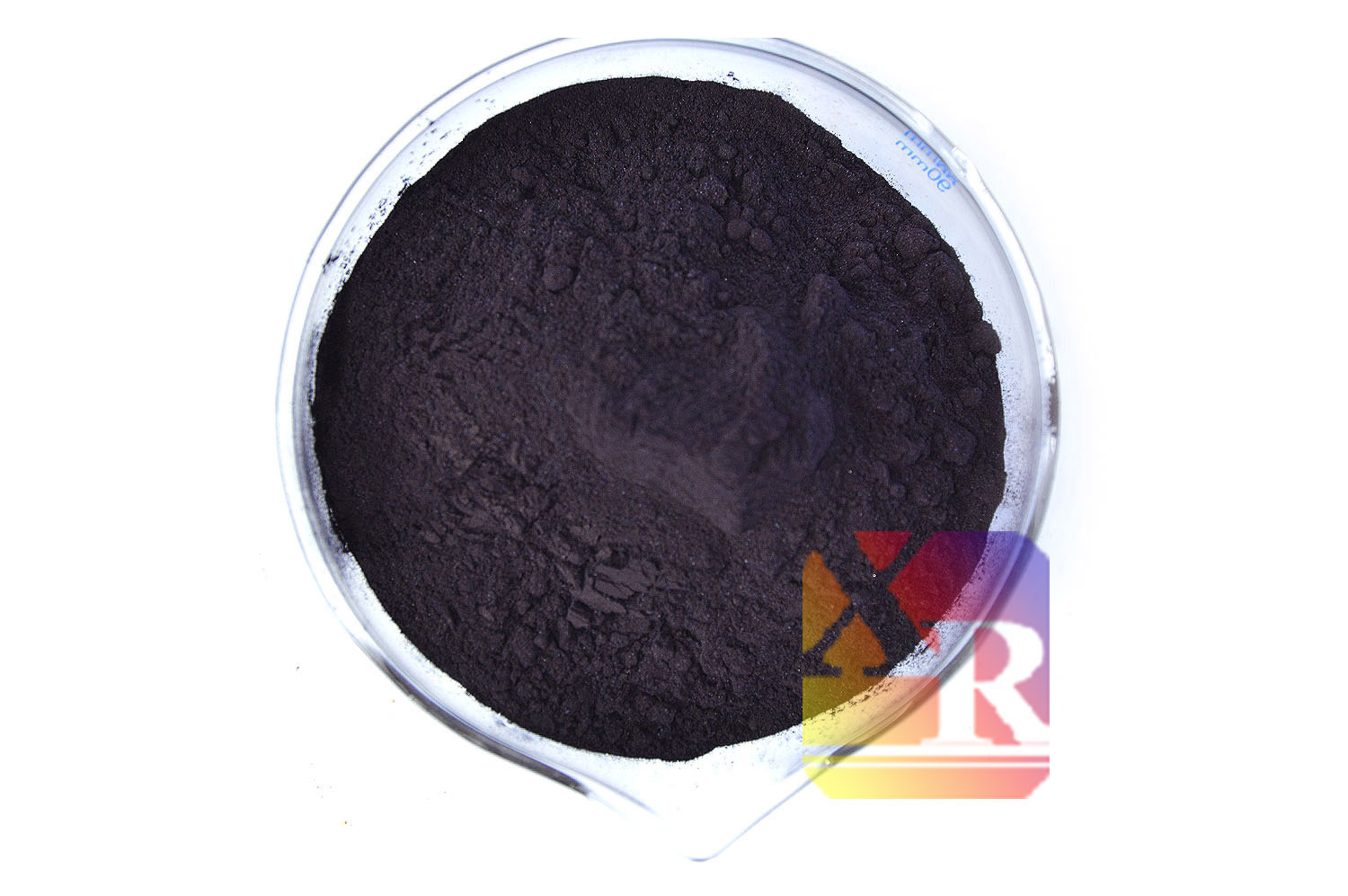
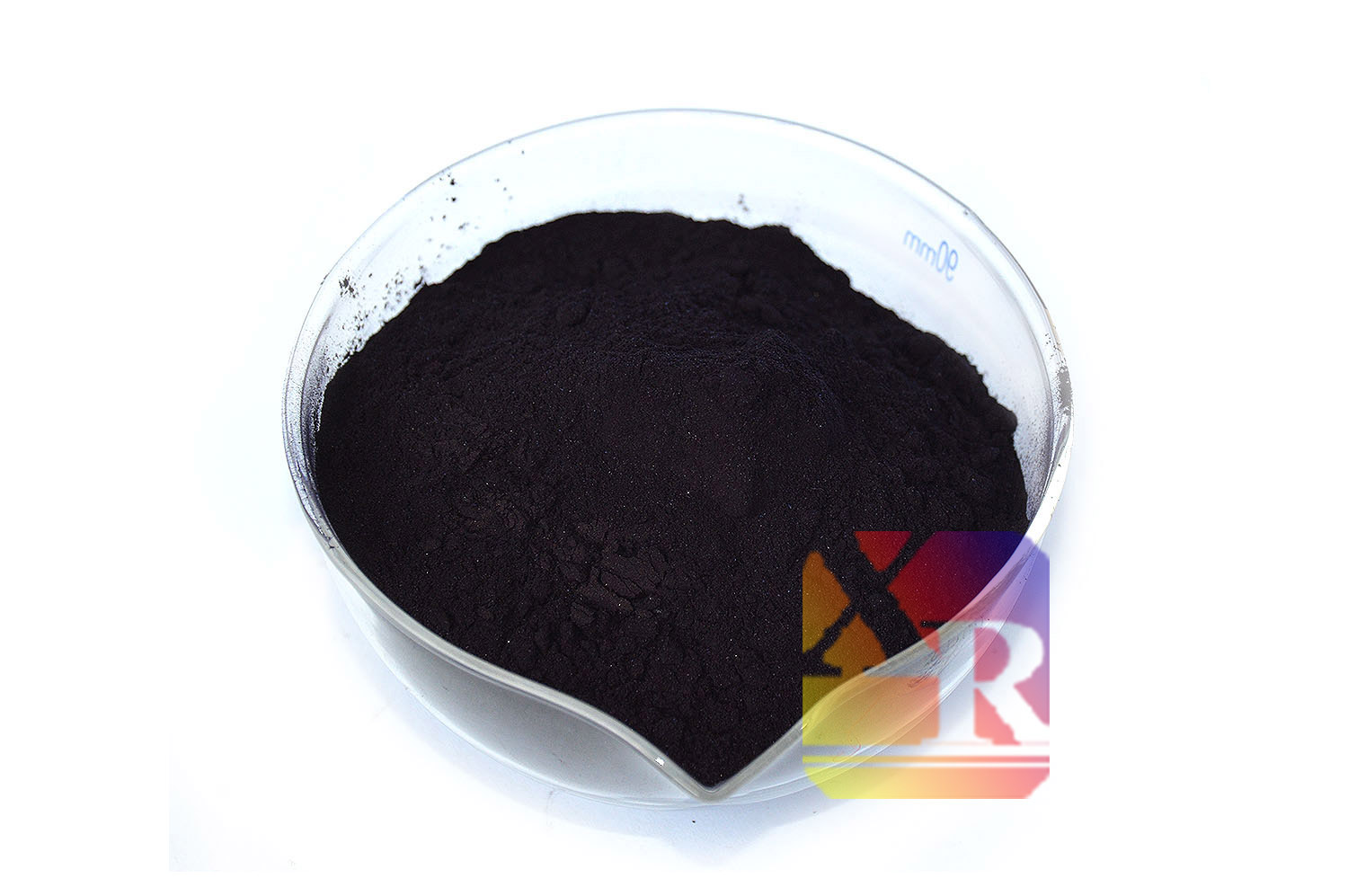
China Direct Blue 108 Suppliers - Environmentally Friendly Dye from Reliable Factory
Product Characteristics
Physical and Chemical Properties
1. Solubility Profile
Water Solubility: Moderate solubility; dissolves significantly better in hot water than cold water. Aqueous solutions display a bright, vivid blue hue.
Solvent Resistance: Slightly soluble in ethanol; strictly insoluble in concentrated hydrochloric acid, caustic soda, and common organic solvents.
Method: Dissolve in 60–80℃ warm water. Avoid cold water for initial preparation.
2. Acid-Base Stability
Alkali Resistance: Weak alkali stability. Operating systems with pH > 9 induce precipitation. Best suited for neutral to slightly alkaline ranges (pH 7–9).
Sulfuric Acid Reaction: Forms a dark black solution in concentrated sulfuric acid, converting to blue-purple upon dilution.
Ion Sensitivity: Sensitive to iron ions (causes darkening and yellowish cast); copper ions induce minor shade variations.
3. Dyeing Behavior
Color Light: Pure and bright blue without red undertones; clear, vivid, and highly transparent.
Fiber Affinity: Exceptional affinity for cotton, viscose, linen, and non-woven cellulosic materials.
Dyeing Rate & Mix: Medium strike rate with uniform coverage and balanced migration. Blends steadily with direct sunfast yellow to produce clean green shades.
Color Fastness Indicators (Reference)
| Fastness Evaluation Metric | Standard Grade Level | Performance Assessment |
|---|---|---|
| Sunlight Fastness | Grade 6–7 | Excellent sunfastness; highly resistant to fading in outdoor environments |
| Water Wash Fastness | Grade 3–4 | Moderate to good color retention after aqueous washing cycles |
| Dry Friction Fastness | Grade 4–5 | Superior rub resistance under dry mechanical contact |
| Wet Friction Fastness | Grade 3 | Standard industrial rating under damp or moist rubbing conditions |
Core Advantages & Limitations
Key Advantages
- Superior Sun Resistance: Rated at Grade 6–7 sun exposure, substantially outperforming standard direct blues for outdoor articles.
- Luminous Color Profile: Features a pure, transparent bright blue shade that delivers noticeably higher vibrancy than Direct Blue 71.
- Uniform Dye Absorption: Excellent consistency with no significant blotching or uneven color bleeding during application.
Operational Limitations
- Weak Alkali Tolerance: Incompatible with high alkali media (pH ≥ 10); leads to precipitation in typical alkaline vehicle detergents.
- Temperature-Dependent Dissolution: Requires 60–80℃ warm water; forms agglomerated lumps when dispersed in cold liquid.
- Metal Ion Sensitivity: Demands softened water and non-metallic equipment to prevent iron-induced dulling and discoloration.
Application Scope
1. Industrial Coloring
Household & Automotive Liquids: Ideal for neutral car washing fluids, windshield washer solutions, perfumes, and neutral laundry detergents. Strictly prohibited in strong alkaline systems.
Specialty Substrates: Extensively utilized for paper manufacturing (art paper, luxury packaging board), leather finishing (shoe uppers), and water-based color pastes.
2. Textile Printing & Dyeing
Natural & Cellulosic Fibers: Designed for bright blue dyeing of cotton, viscose, hemp, linen, pure silk, and mixed blends.
Blend Formulations: Suitable for high-temperature dyeing of blended fibers in tandem with disperse dyes, yielding a rich tone with a delicate reddish nuance under specific thermal conditions.
Usage Process & Handling Guidelines
Mixing & Dilution
Stir thoroughly in 60–80℃ warm water. Filter prior to system addition. Never dissolve using strong alkaline water.
Standard Dosage
Add 2–4 ppm (0.2–0.4 g/kg). A conventional ratio of 3 ppm produces an optimal, brilliant blue transparency.
pH Supervision
Strictly regulate the operating environment within pH 7–9. Deviations above pH 9 trigger precipitation.
Compatibility
Highly stable alongside non-ionic surfactants. Avoid direct blending with high-concentration strong anionic additives.
Frequently Asked Questions (FAQ)
Direct Blue 108 should be dissolved in warm water maintained at 60–80℃. It possesses moderate water solubility and will readily lump if dispersed directly into cold water.
No. Direct Fast Blue FFRL exhibits weak alkali resistance. When the operating pH exceeds 9, the dye will precipitate and settle out. It is strictly recommended for neutral car washes and washer fluids (pH 7–9) rather than alkaline cleaners (pH ≥ 10).
It achieves a high lightfastness rating of Grade 6–7. This makes it an ideal direct dye for outdoor textiles and sun-exposed surfaces, significantly outlasting conventional direct blue varieties.
Direct Blue 108 is sensitive to metal ions. Contact with iron ions turns the dye shade noticeably darker and yellowish, whereas copper ions cause minor shade shifts. Soft water and non-iron equipment prevent color alteration.
The typical dosage level is 2–4 ppm (0.2–0.4 g/kg). A dosage of approximately 3 ppm is standard to obtain a vivid, clear, and transparent bright blue solution.
It demonstrates outstanding compatibility with non-ionic surfactants. However, formulating it directly alongside high-concentration, strongly anionic additives should be avoided to preserve solution stability.