








Hot Products
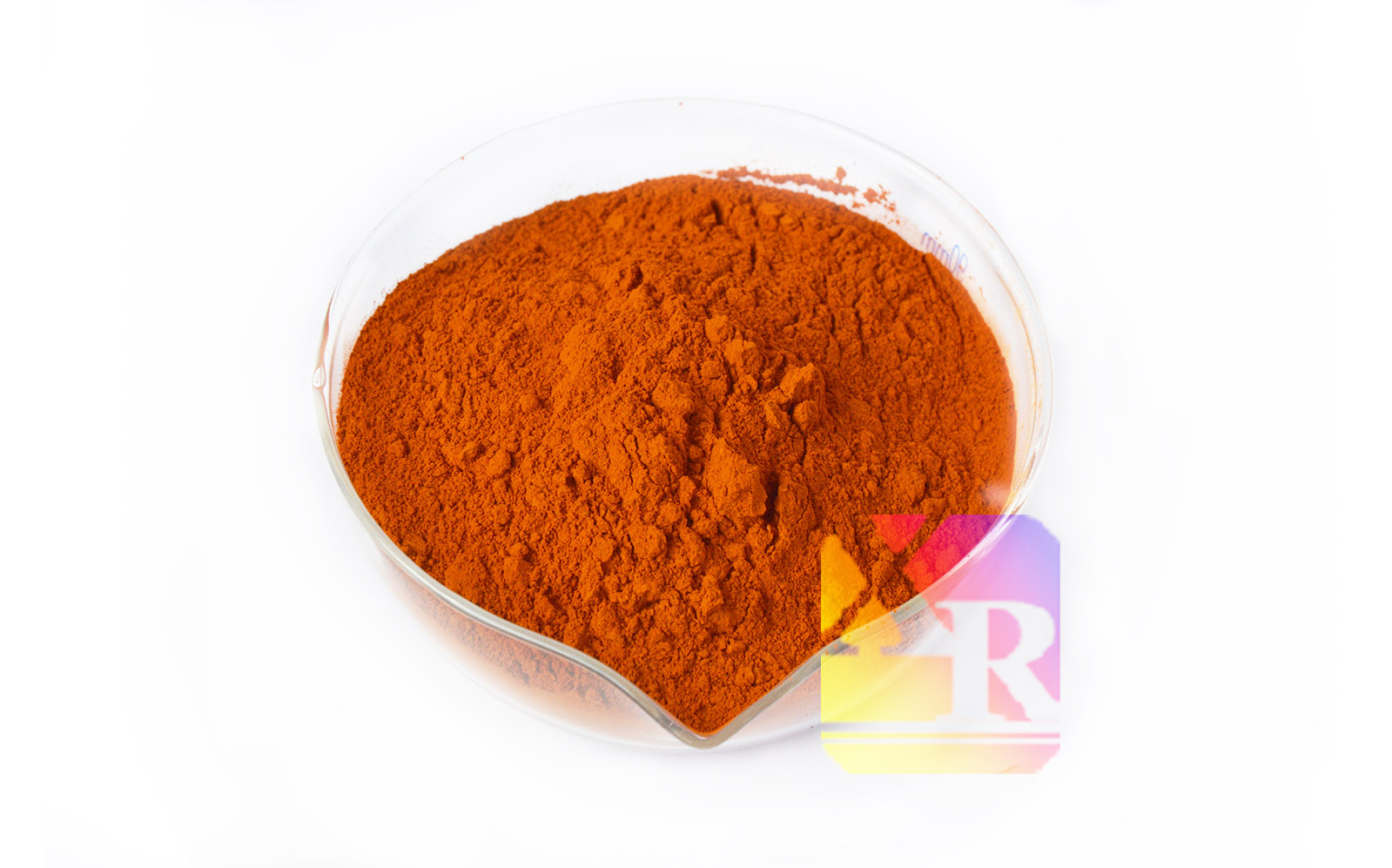
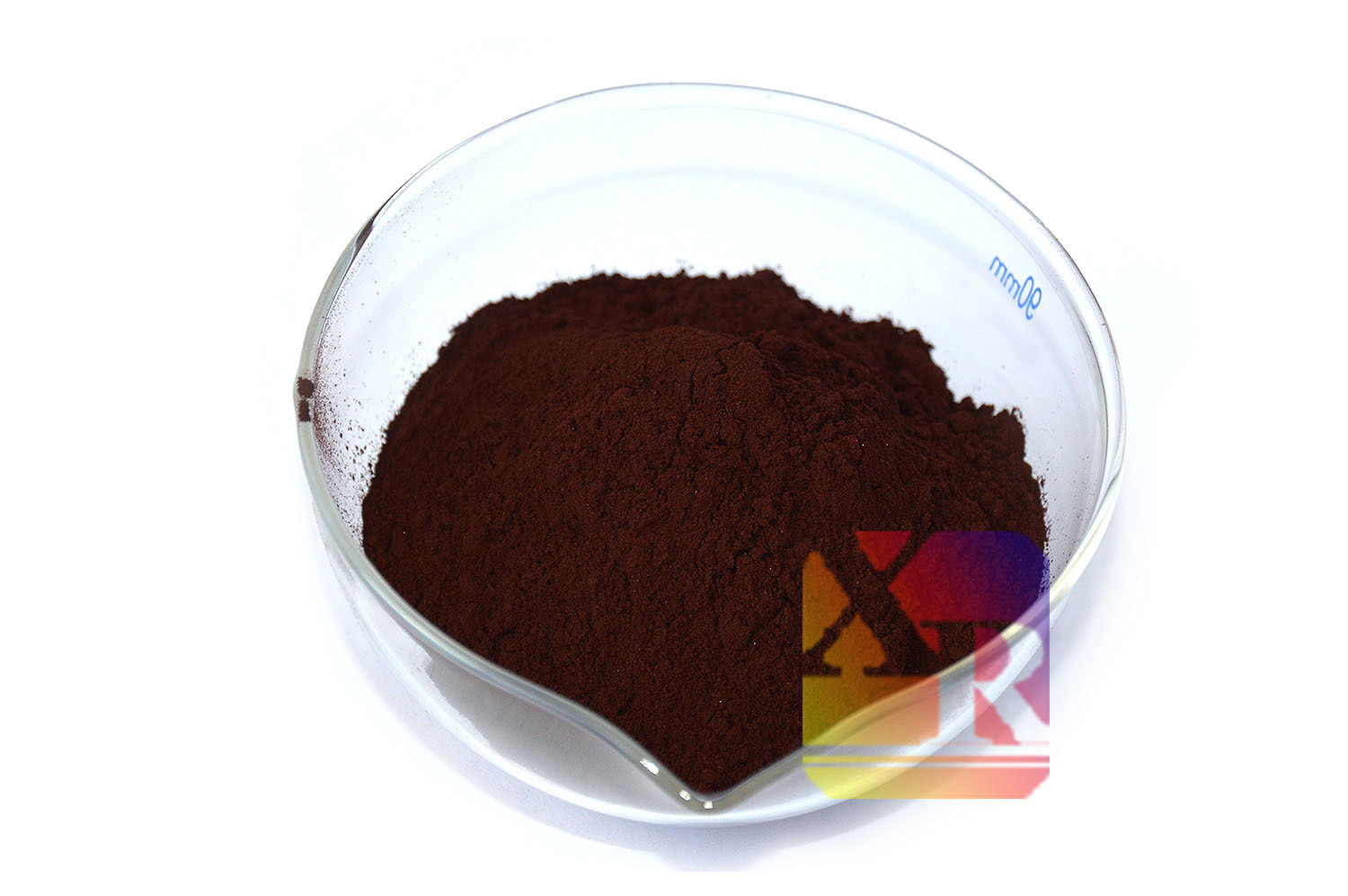
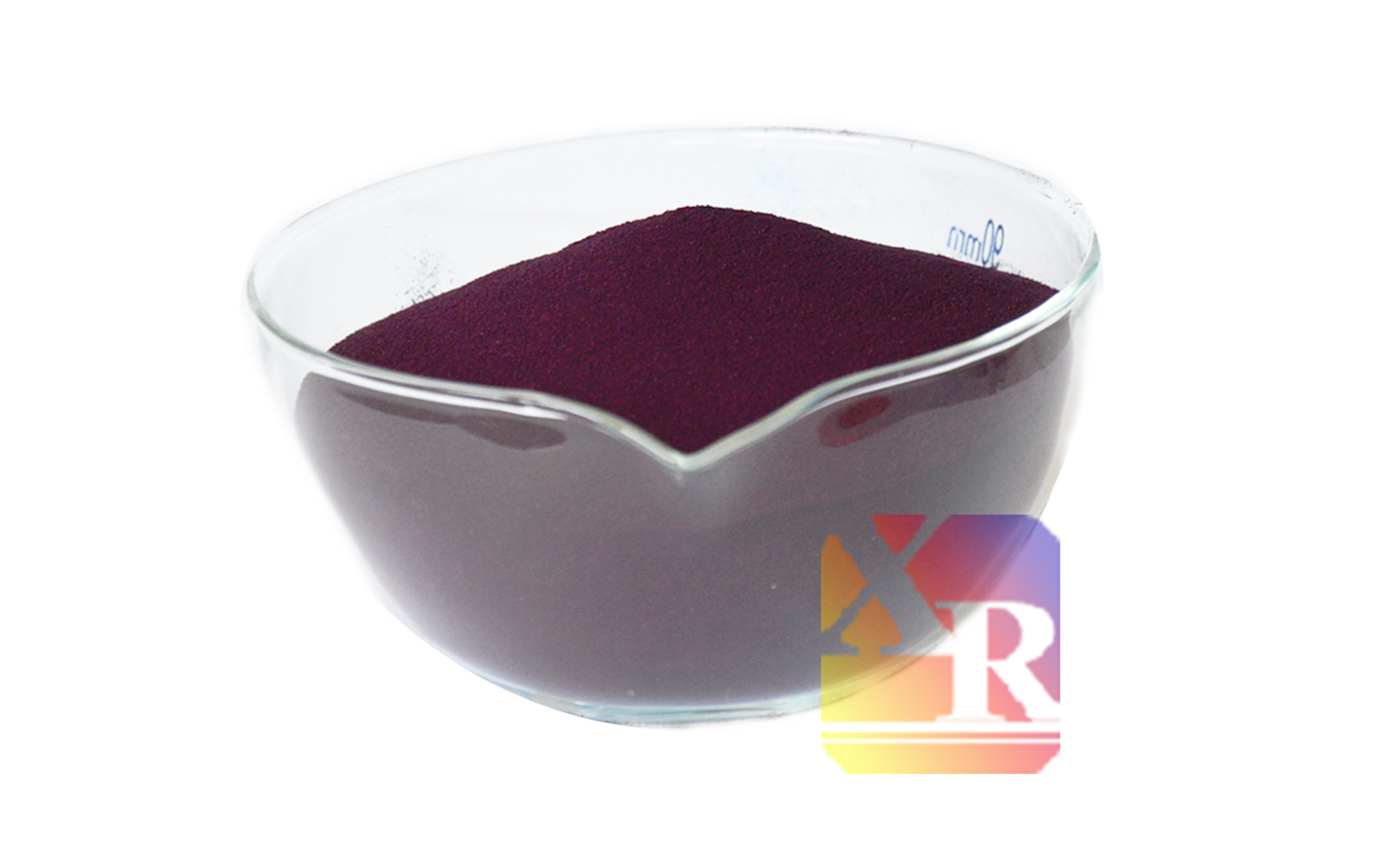
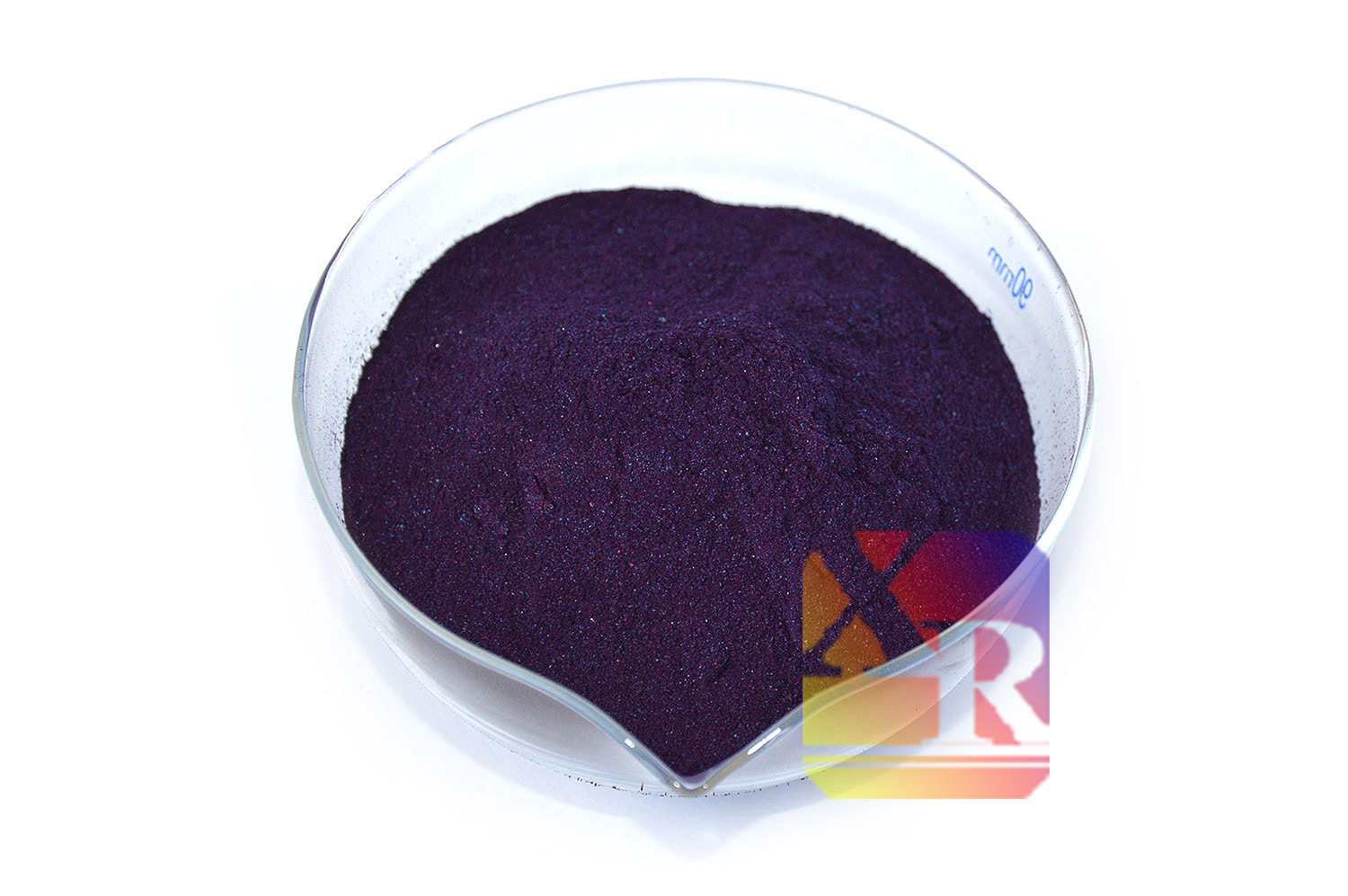
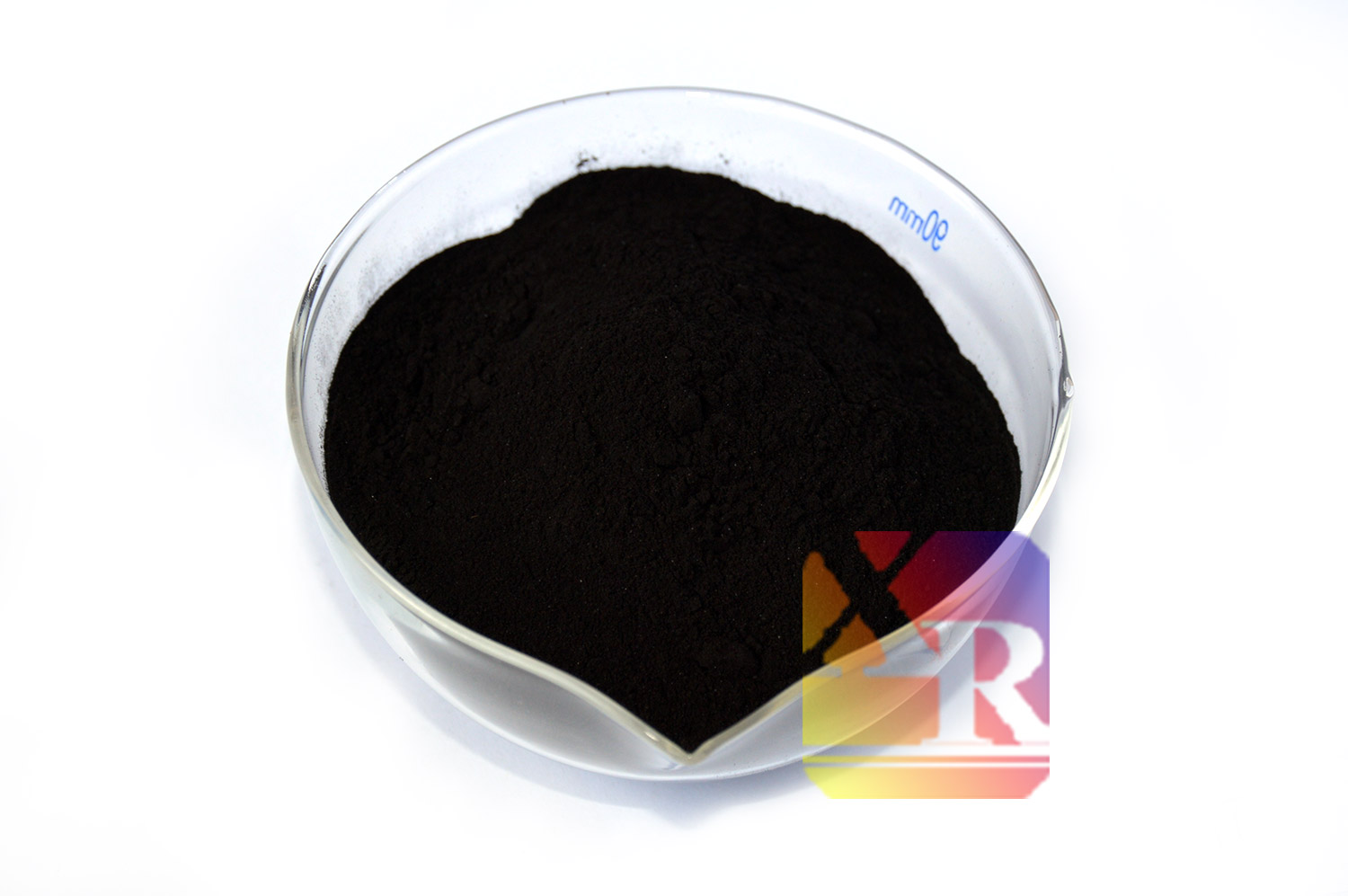
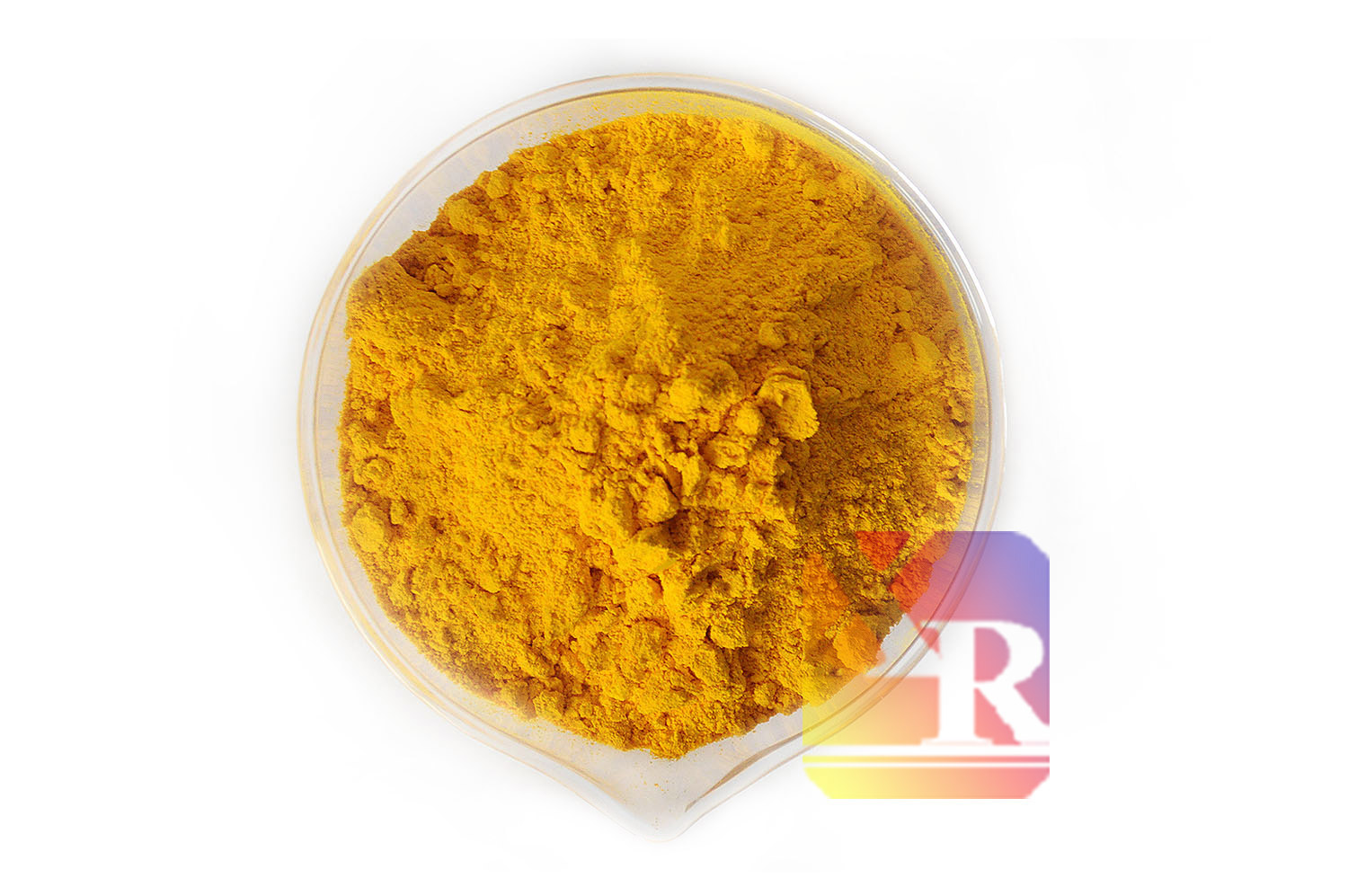
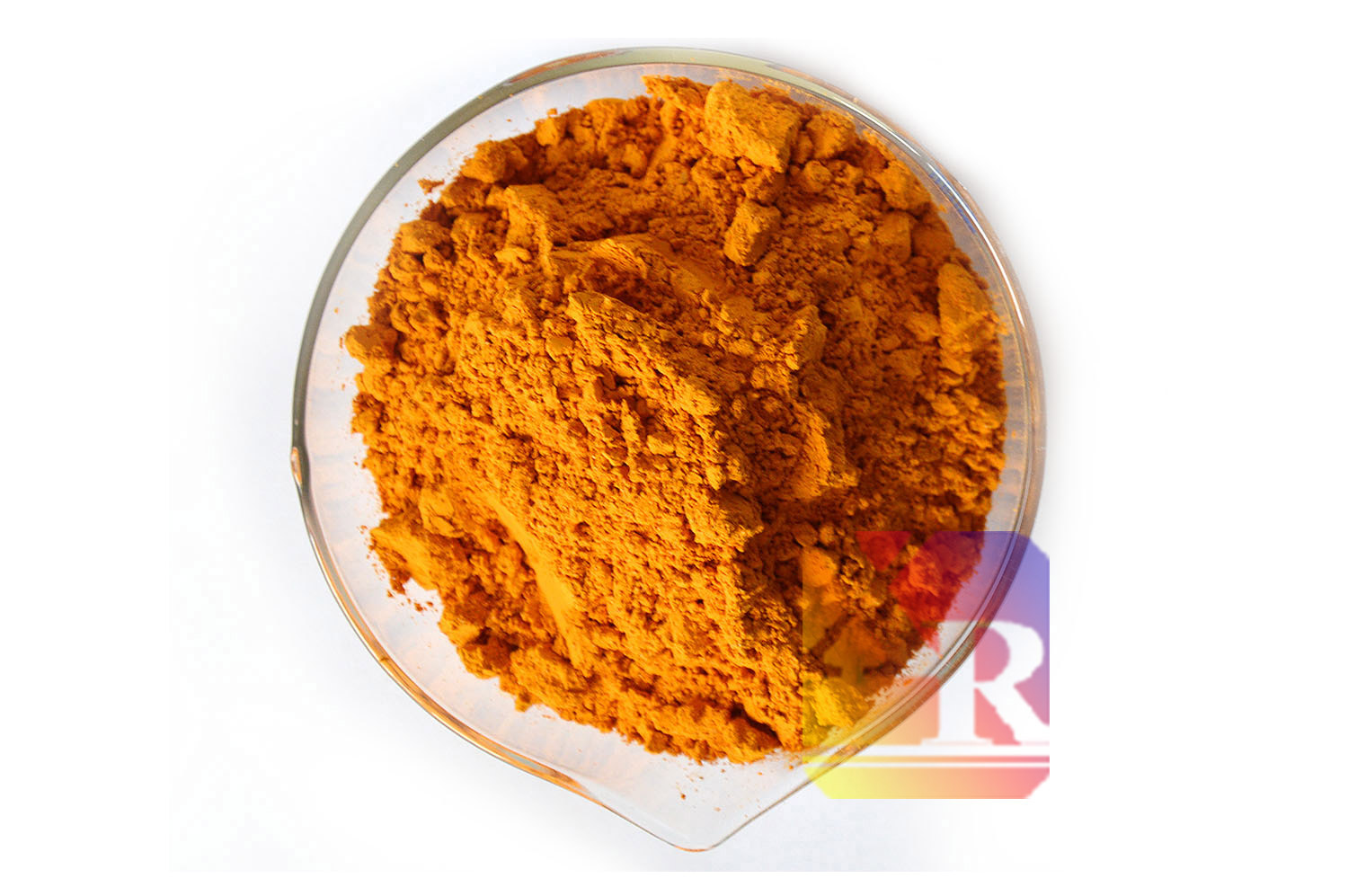
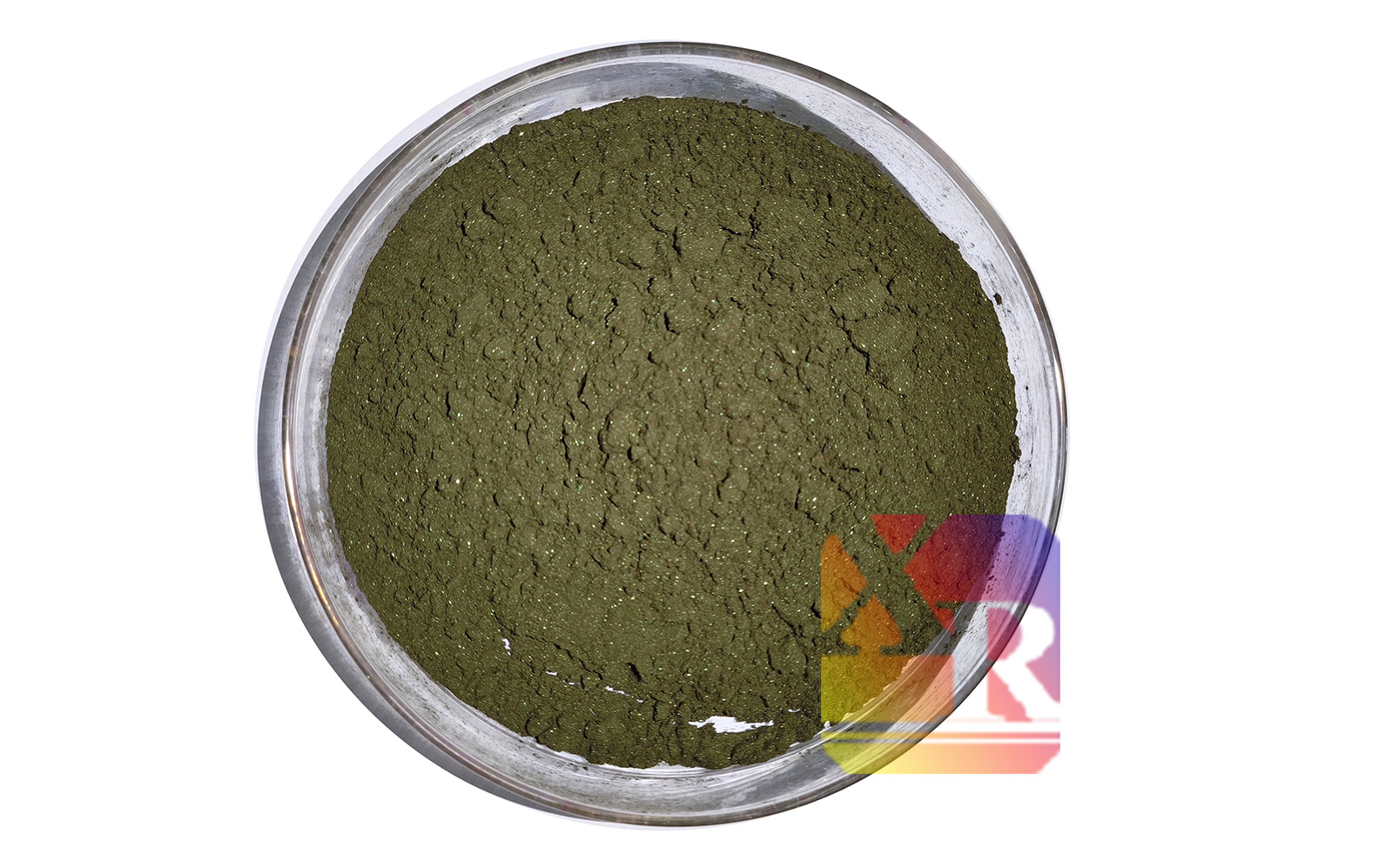
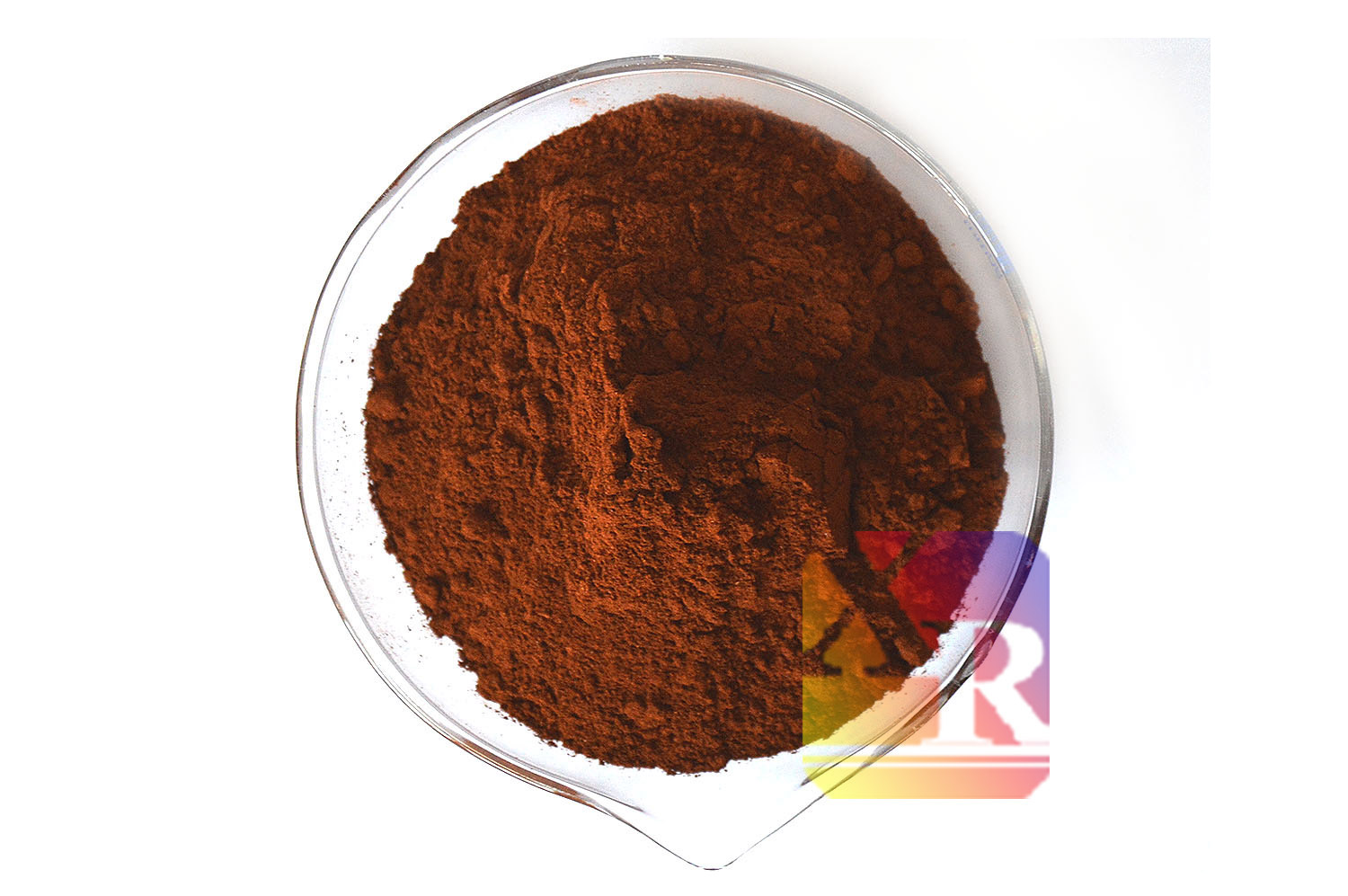
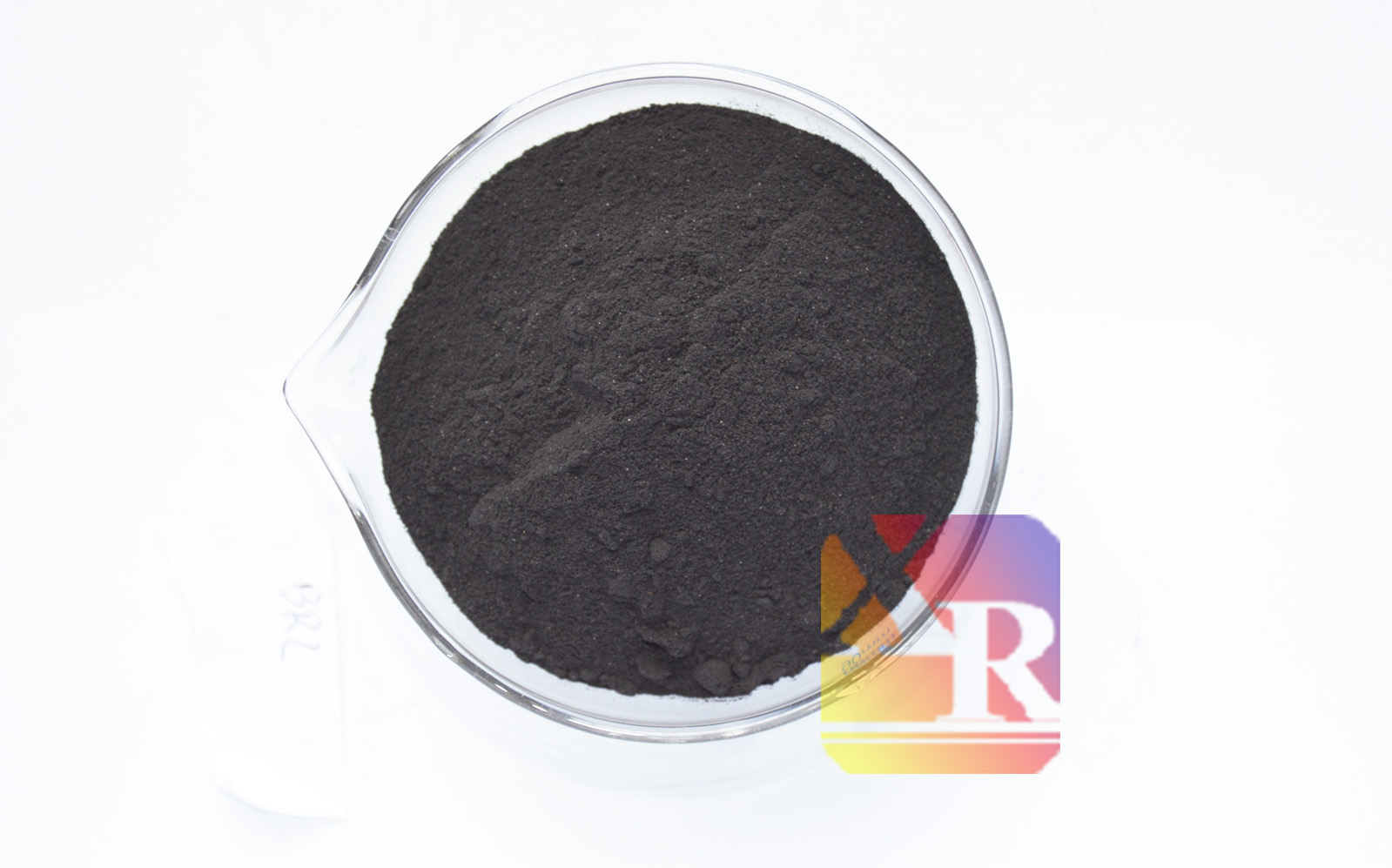
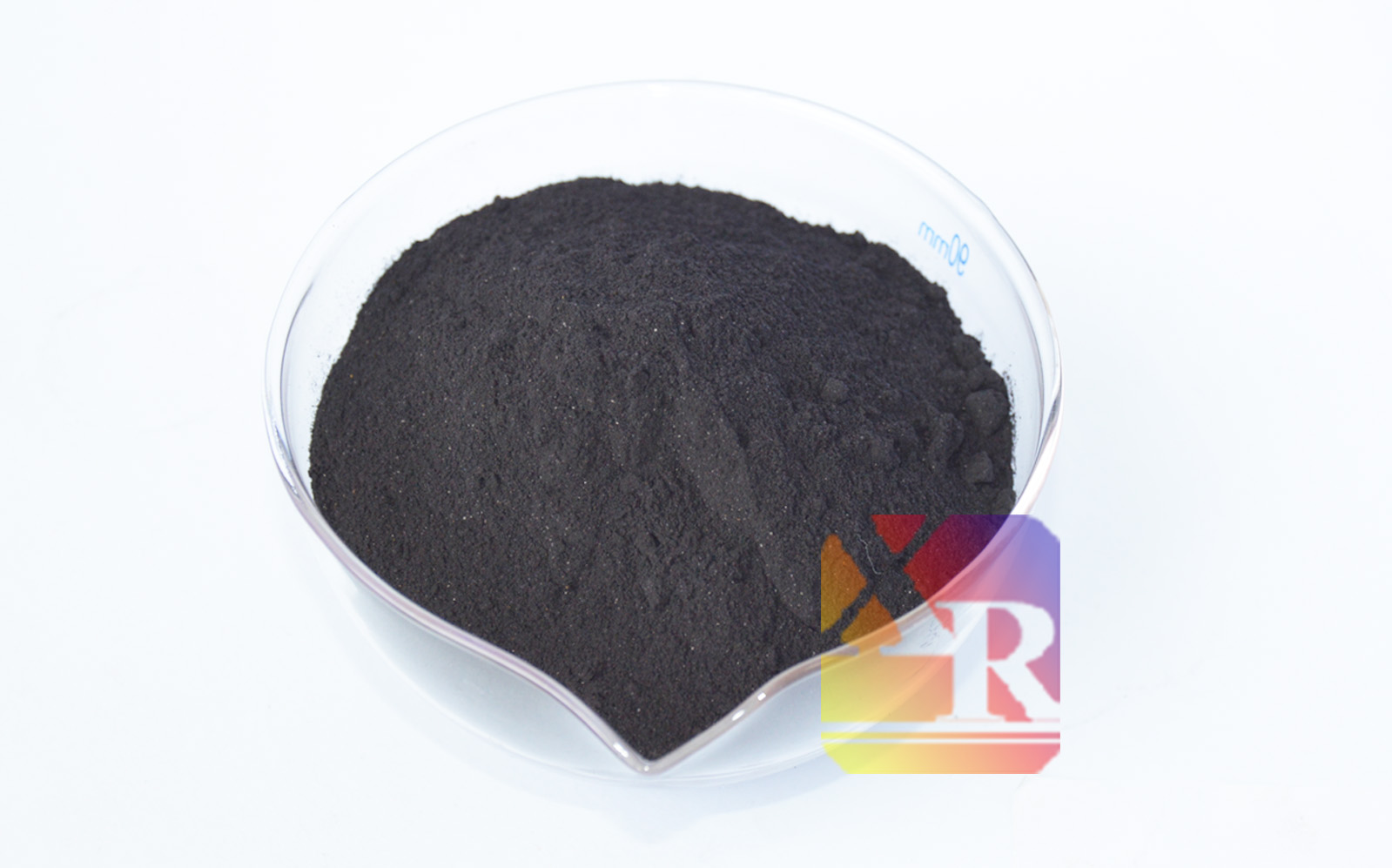
China Direct Blue 151 Suppliers - High-Quality Direct Copper Blue 2R from Trusted Factory
Product Characteristics
1. Solubility
- Water: Direct Blue 151 is highly soluble in water, presenting a blue-purple solution.
- Ethanol: Direct Blue 151 is slightly soluble in ethanol, showing a red-purple color.
- Organic Solvents: Direct Blue 151 is insoluble in other organic solvents.
2. Acid-Base Reaction
- Reacts with concentrated sulfuric acid to form a greenish-blue color, and turns purple after dilution.
- Aqueous solution reacts with concentrated hydrochloric acid to produce a purple precipitate.
- Turns wine red when encountering concentrated sodium hydroxide solution.
3. Dyeing Characteristics
- Direct Blue 151 belongs to the azo direct dye category.
- Displays good absorption capacity for cellulose fibers.
- Direct Copper Blue 2R combines with fibers through hydrogen bonds and van der Waals forces.
- Exhibits excellent color fastness performance:
Light Fastness (Xenon): Grade 5
Dry Friction: Grade 4-5
Wet Friction: Grade 3
4. Strength Specifications
- Available standard specifications include 100% and 200% relative strength.
Application Scope
Direct Copper Blue 2R is widely used in the following fields:
| Application Field | Specific Usage |
|---|---|
| Textile Printing and Dyeing | For dyeing cotton, linen, viscose, silk, nylon, and other fibers. |
| Mixed Fabrics | For dyeing viscose/jute mixed fabrics. |
| Paper Dyeing | For coloring cultural paper, packaging paper, etc. |
| Leather Dyeing | For coloring various leather products. |
| Biological Dyeing | For microscopic observation dyeing of laboratory tissue sections. |
| Analytical Chemistry | pH indicators, specific ions, and compounds detection. |
Dyeing Usage Methods
1. Dissolution Method
- Direct Blue 151 is fully dissolved in 80–90℃ hot water.
- Recommended to mix into a paste with a small amount of wetting agent first, then add hot water to dilute.
- After complete dissolution, filter the solution and add it to the dyeing tank.
2. Textile Dyeing Process
- Dyeing Temperature: 80–100℃
- Dyeing pH: Neutral or slightly alkaline
- Boosting Agent: Salt or alumina hydrate, added in multiple portions
- Fixation Treatment: Solidifying agent Y can be applied to enhance water wash fastness
3. Paper Dyeing
- Add dissolved dye to the pulp pulping or blending stage of paper manufacturing.
- Adjust dosage according to target shade, starting with small-scale testing.
4. Leather Dyeing
- Perform dyeing in a weakly acidic or neutral bath.
- Direct Copper Blue 2R can be combined with other direct dyes or acid dyes for nuanced shading.
Precautions for Using Direct Blue 151
Metal Ion Influence
Direct Copper Blue 2R is sensitive to copper and iron ions. Stainless steel equipment should be utilized throughout the application.
Dispersion Control
The dispersion property of direct dyes is relatively poor. Ensure salt is added in multiple portions to evenly control the dyeing exhaustion rate.
Sample Testing
Before starting mass production, conduct sample testing to confirm that the color shade and intensity strictly meet specifications.
Safety & Handling
This is an industrial product. Operators must wear standard protective equipment to avoid inhaling dye dust.
Storage Requirements
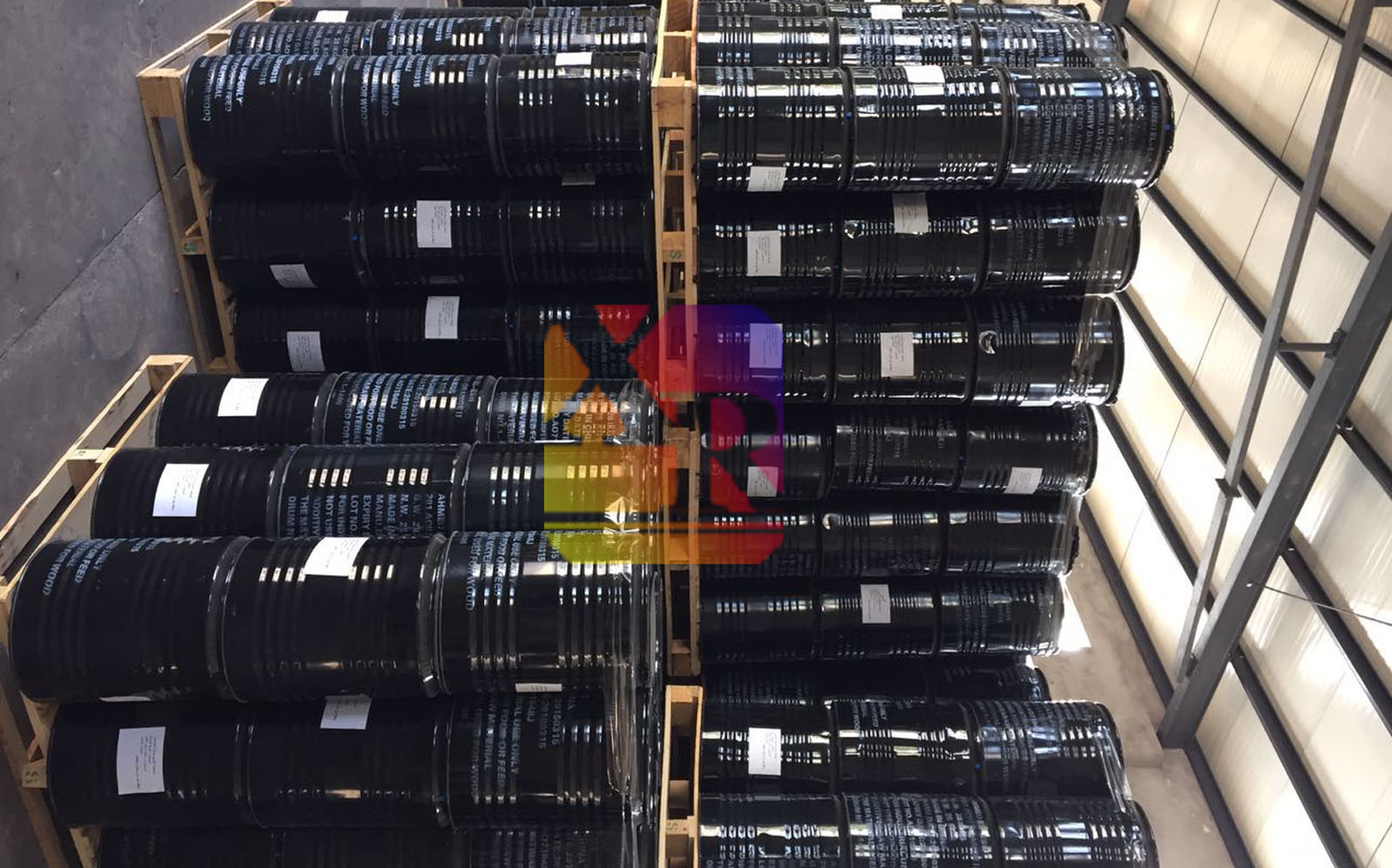
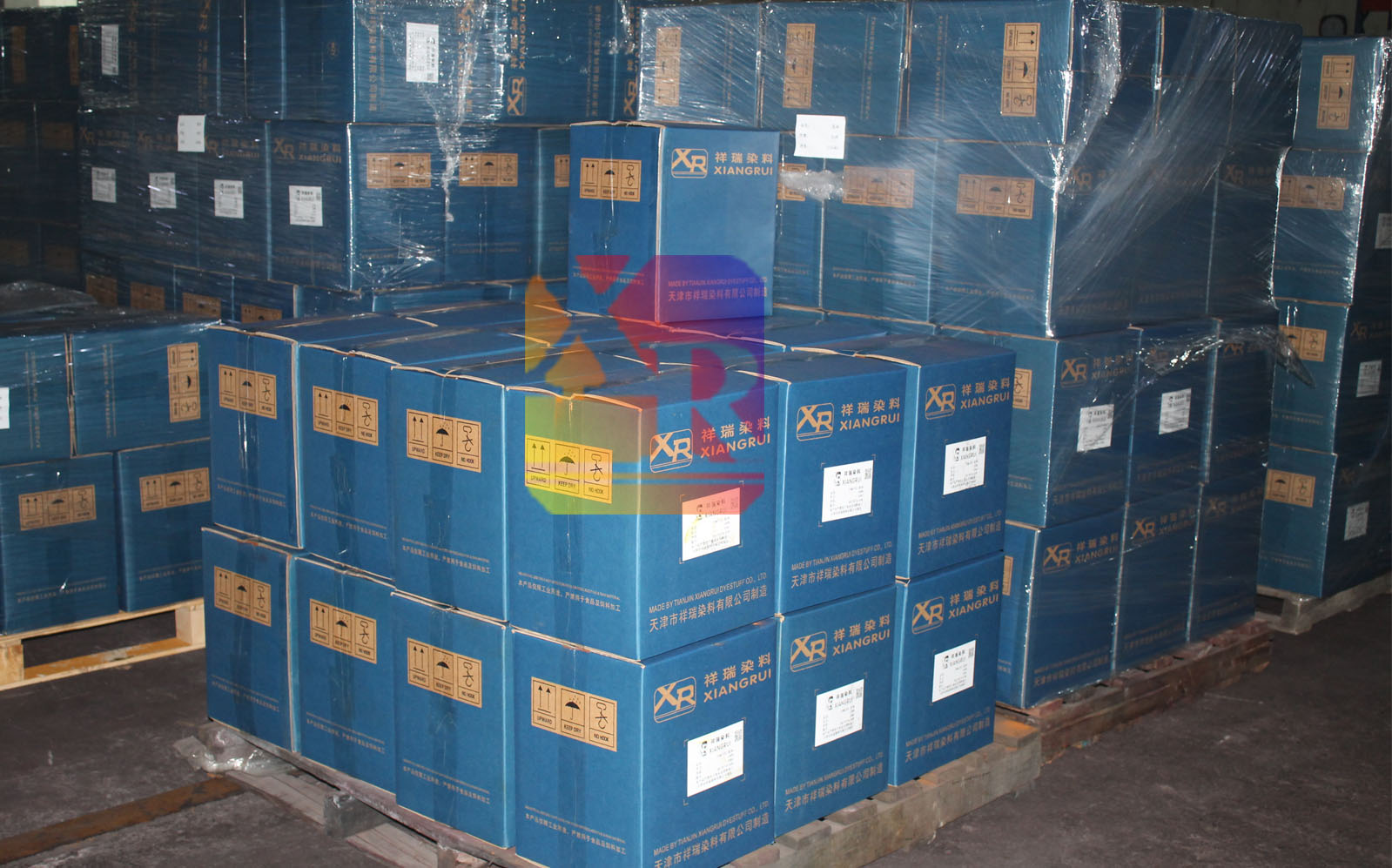
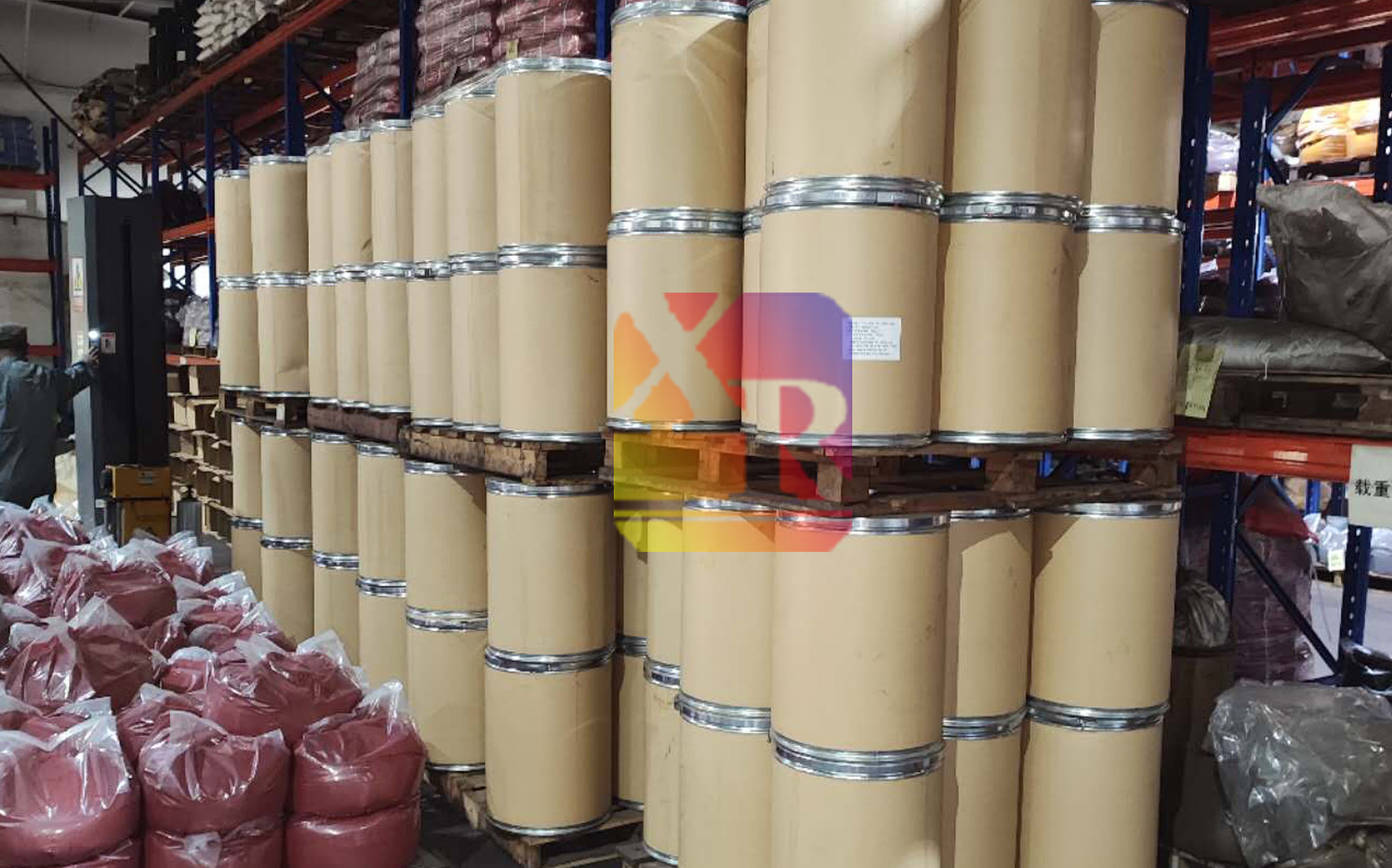
Store Direct Blue 151 in a dry, well-ventilated, and sealed container; protect from moisture and humidity.
Frequently Asked Questions (FAQ)
What fibers are most suitable for dyeing with Direct Blue 151?
Direct Blue 151 (Direct Copper Blue 2R) offers high affinity and absorption capacity for cellulose fibers including cotton, linen, and viscose, as well as protein and synthetic fibers like silk and nylon.
How does Direct Copper Blue 2R dissolve best in industrial preparation?
It is recommended to form a smooth paste using a small amount of wetting agent first, then fully dissolve it with hot water at 80–90℃ and filter before transferring it into the dyeing bath.
What equipment material is recommended when applying Direct Copper Blue 2R?
Stainless steel equipment is strongly advised because Direct Copper Blue 2R is sensitive to metallic impurities, particularly copper and iron ions, which can alter the shade.
How can the wash fastness of Direct Blue 151 be improved on textiles?
Applying an after-treatment with a suitable fixative, such as Solidifying Agent Y, significantly enhances the water washing fastness on cellulosic substrates.
What are the primary non-textile applications for Direct Blue 151?
Beyond textiles, Direct Blue 151 is commonly applied in paper pulp coloring, leather dyeing, tissue section biological staining, and as a component in analytical chemistry testing.
What available commercial strength specifications exist for this dye?
The product is typically supplied in standardized concentrations of 100% and 200% relative strength to suit various formulation requirements.