








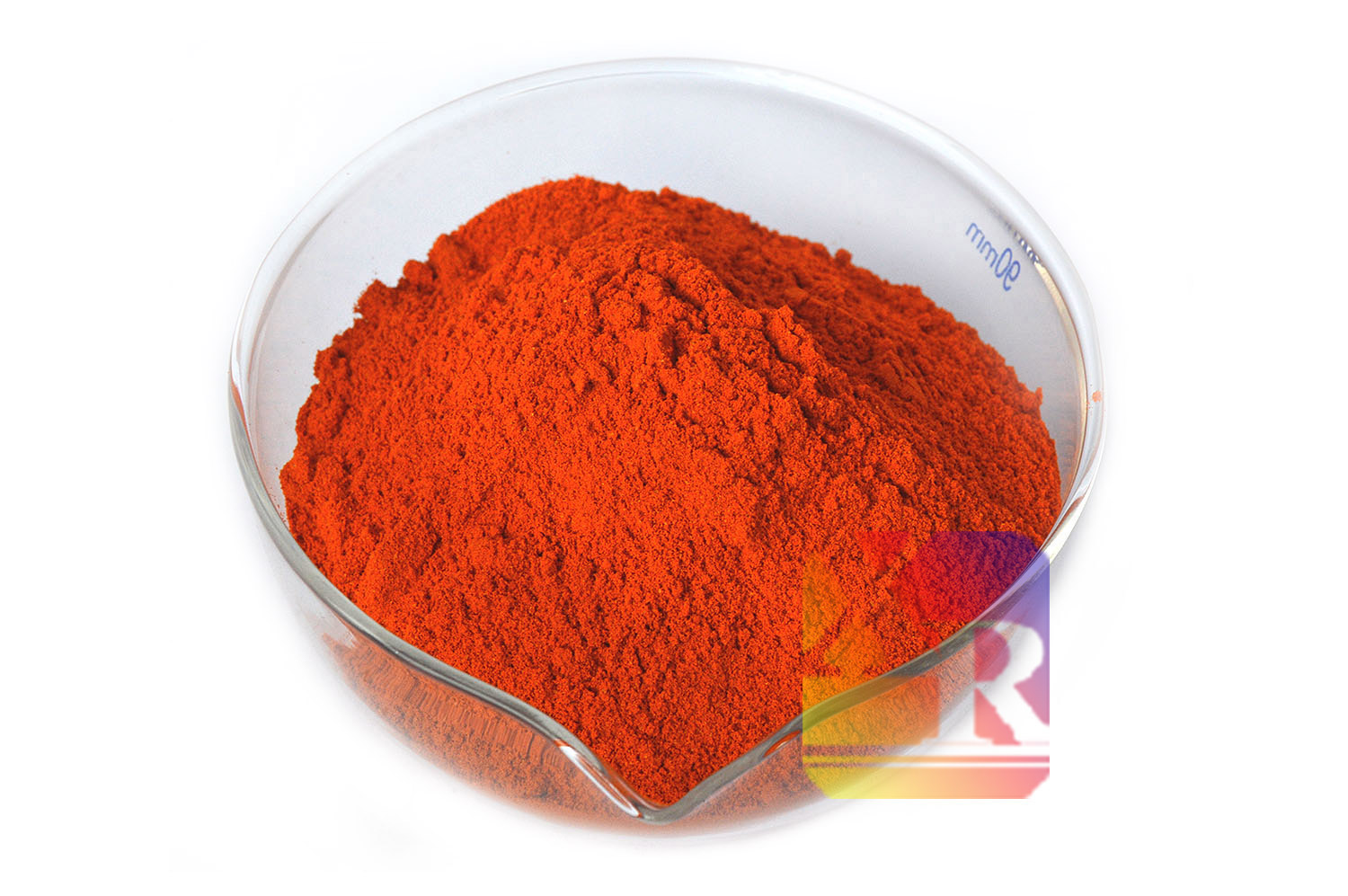
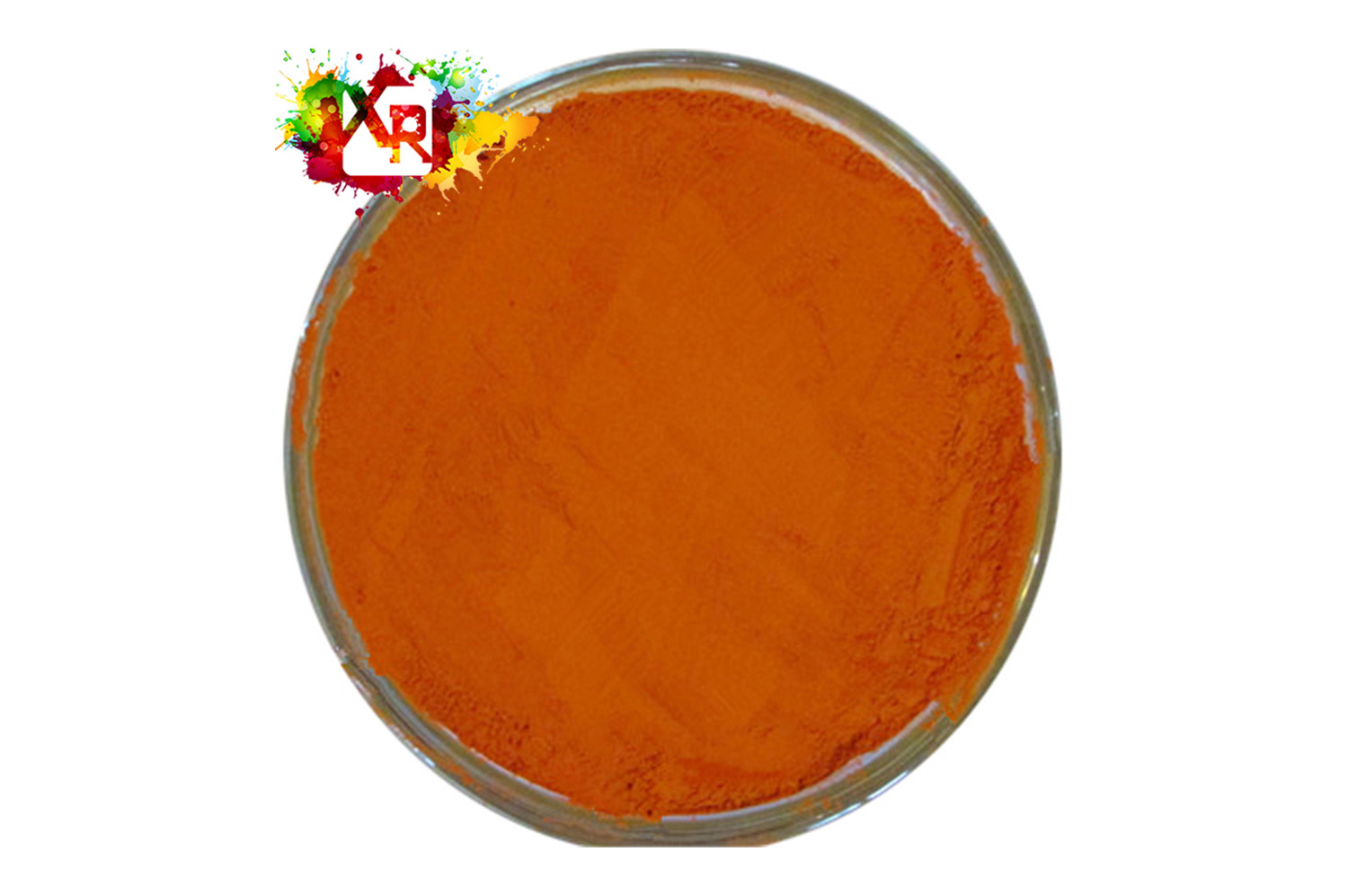
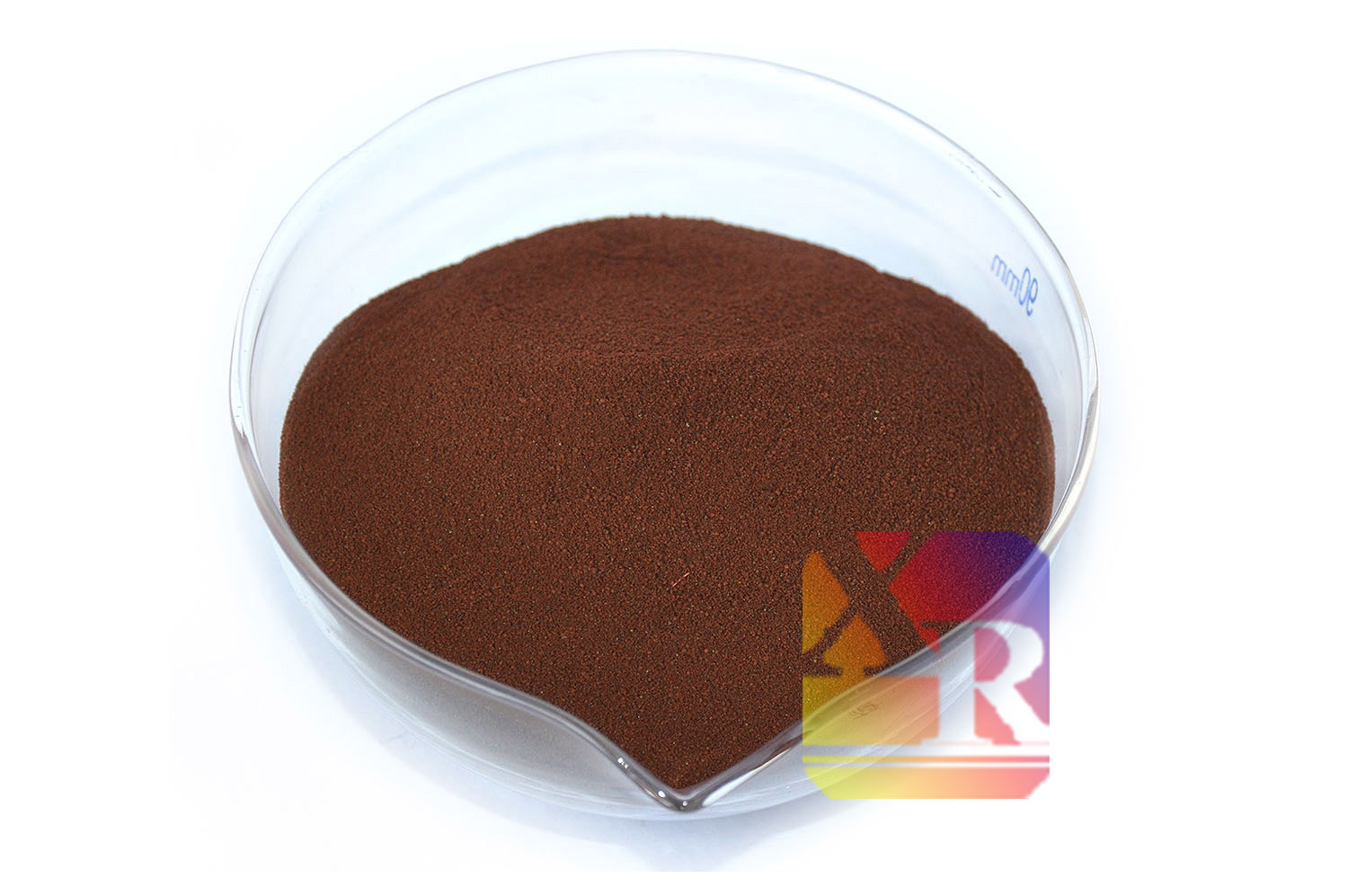
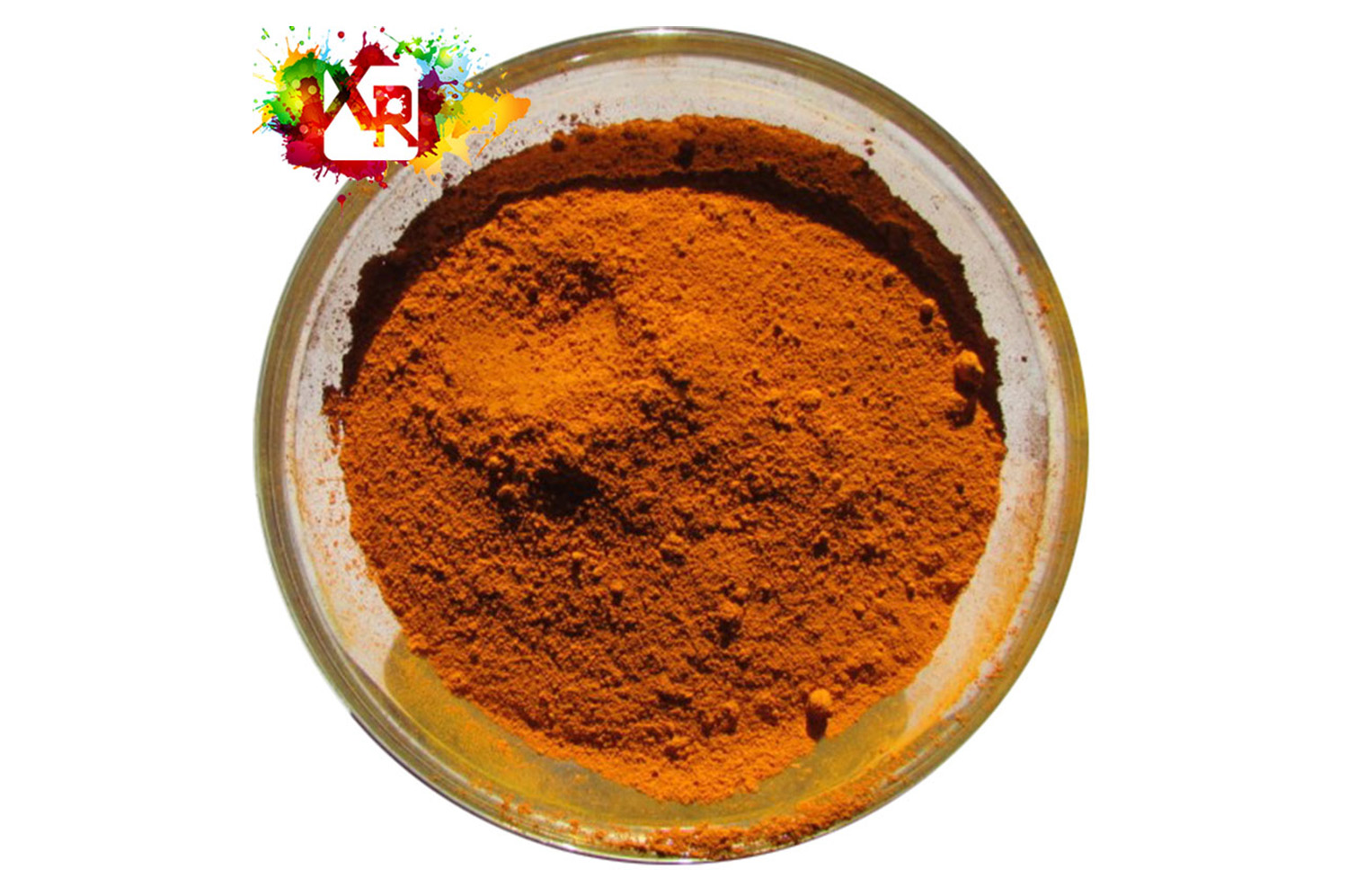
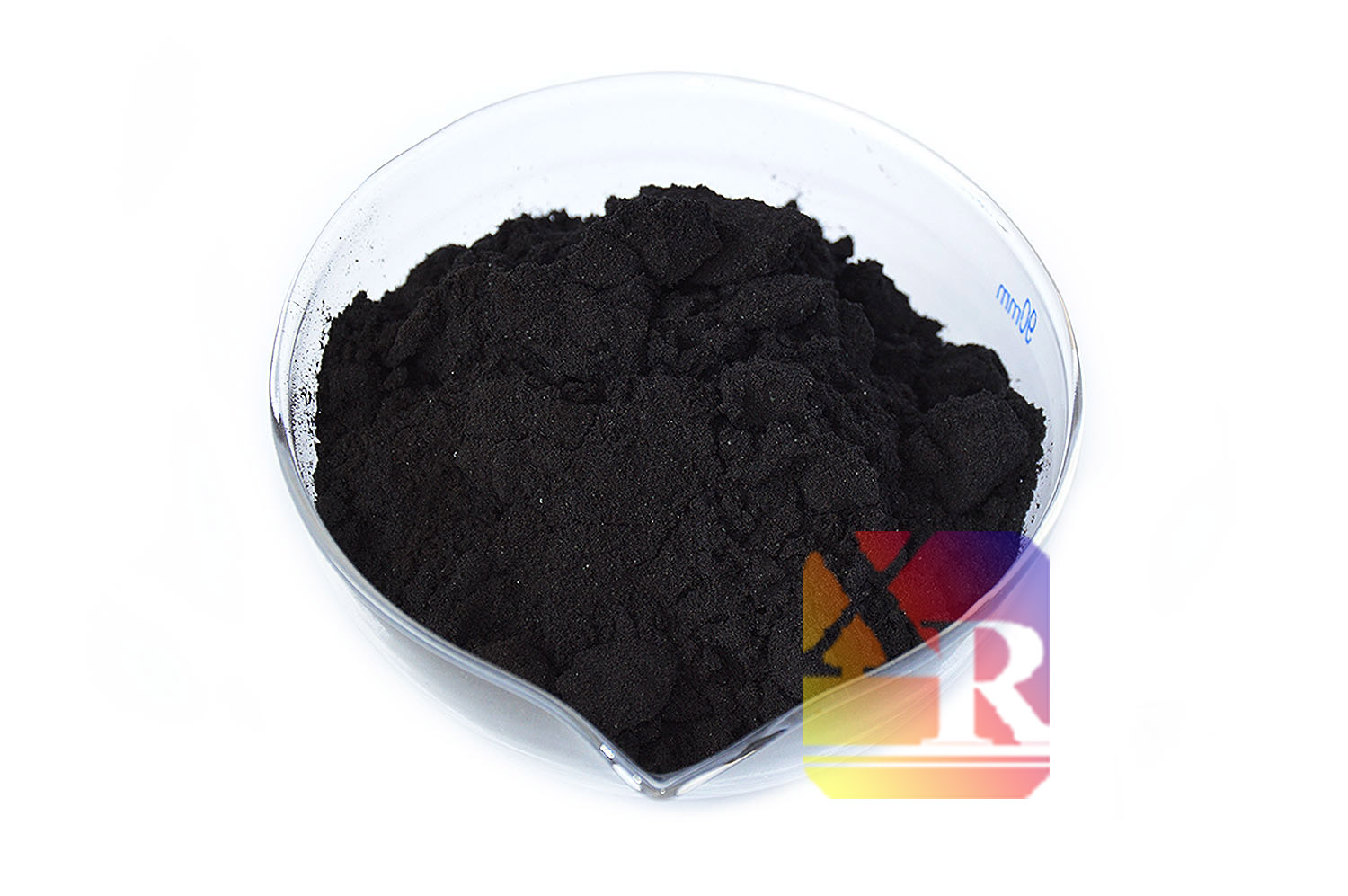
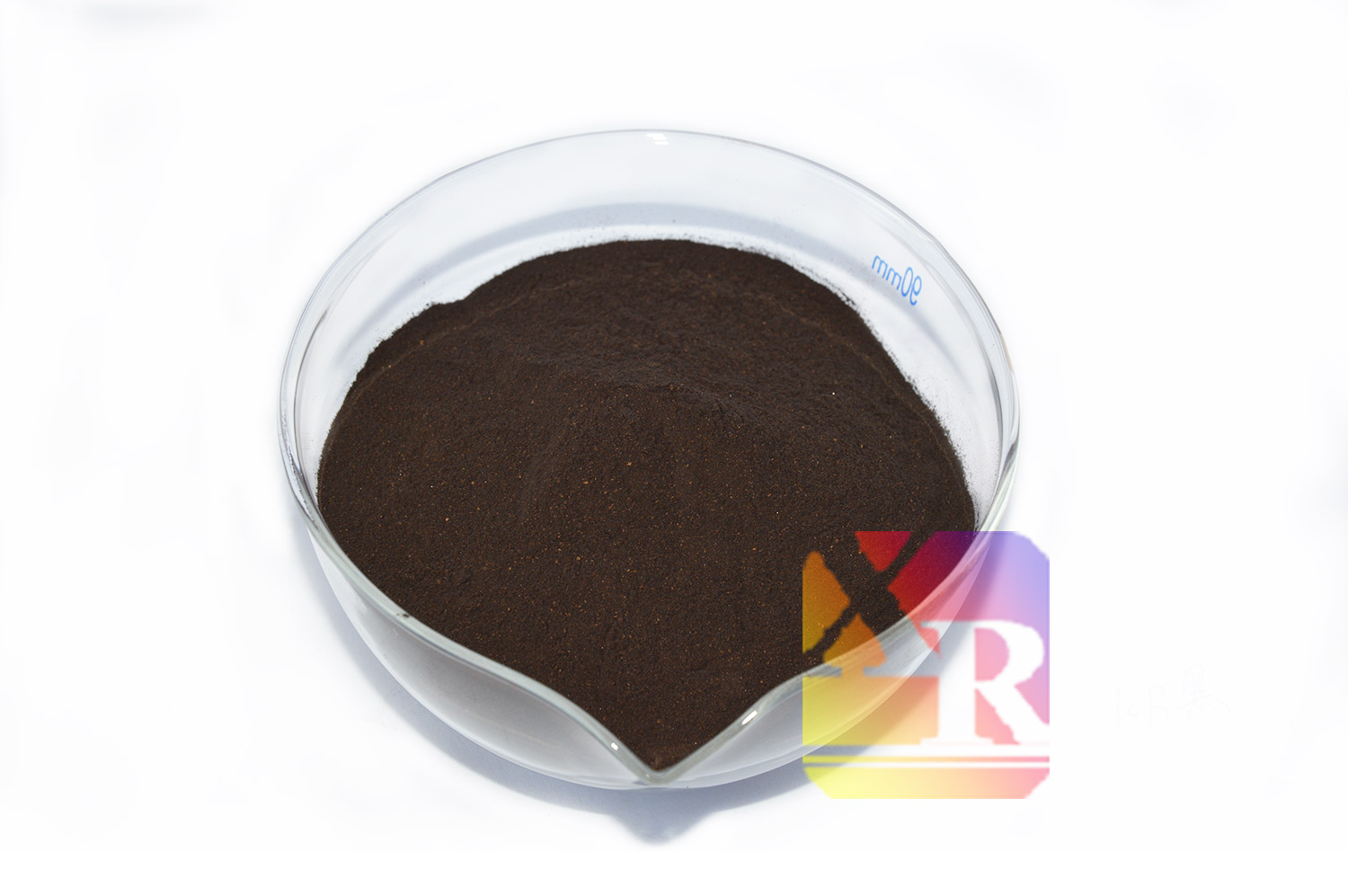
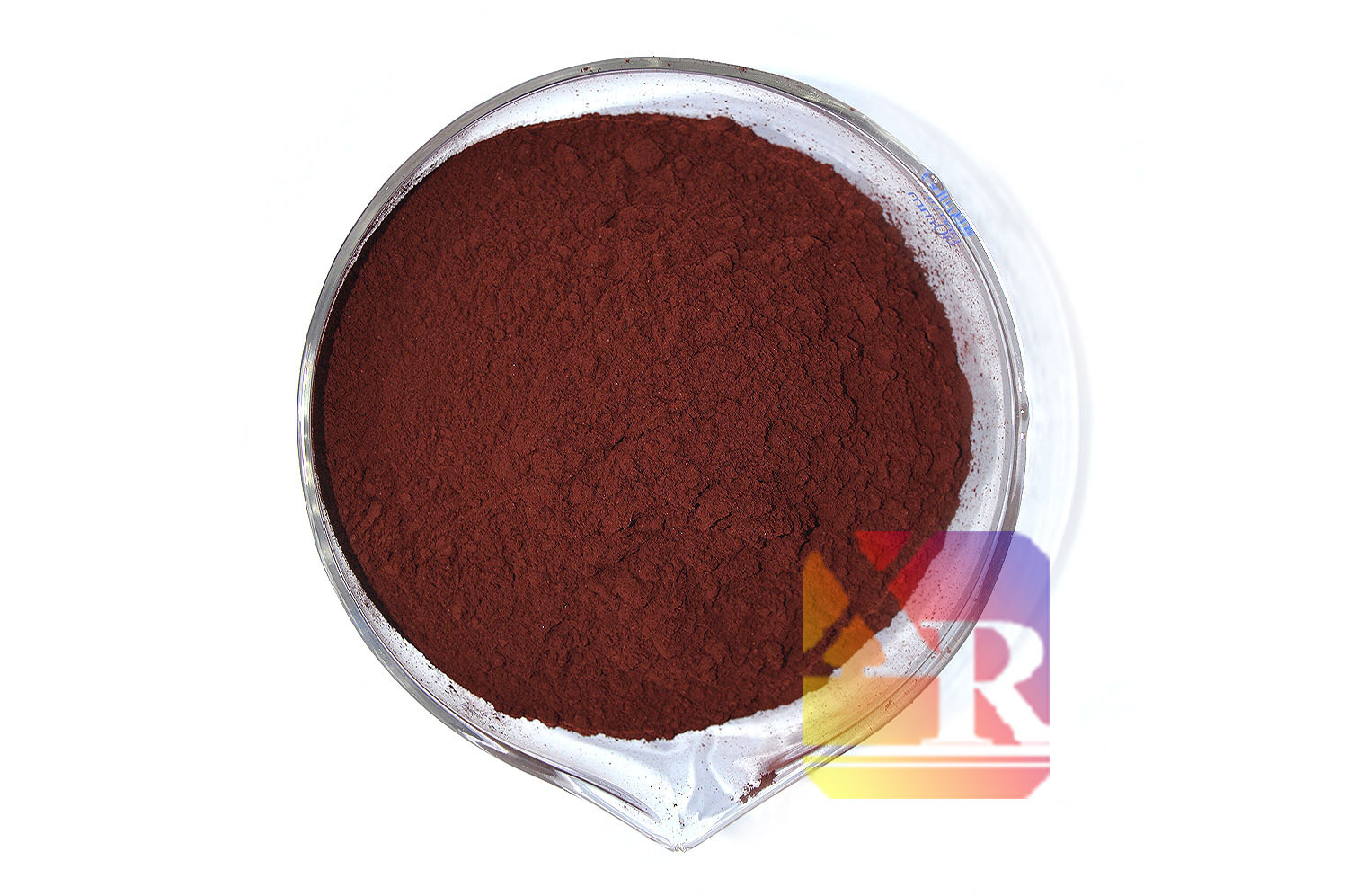
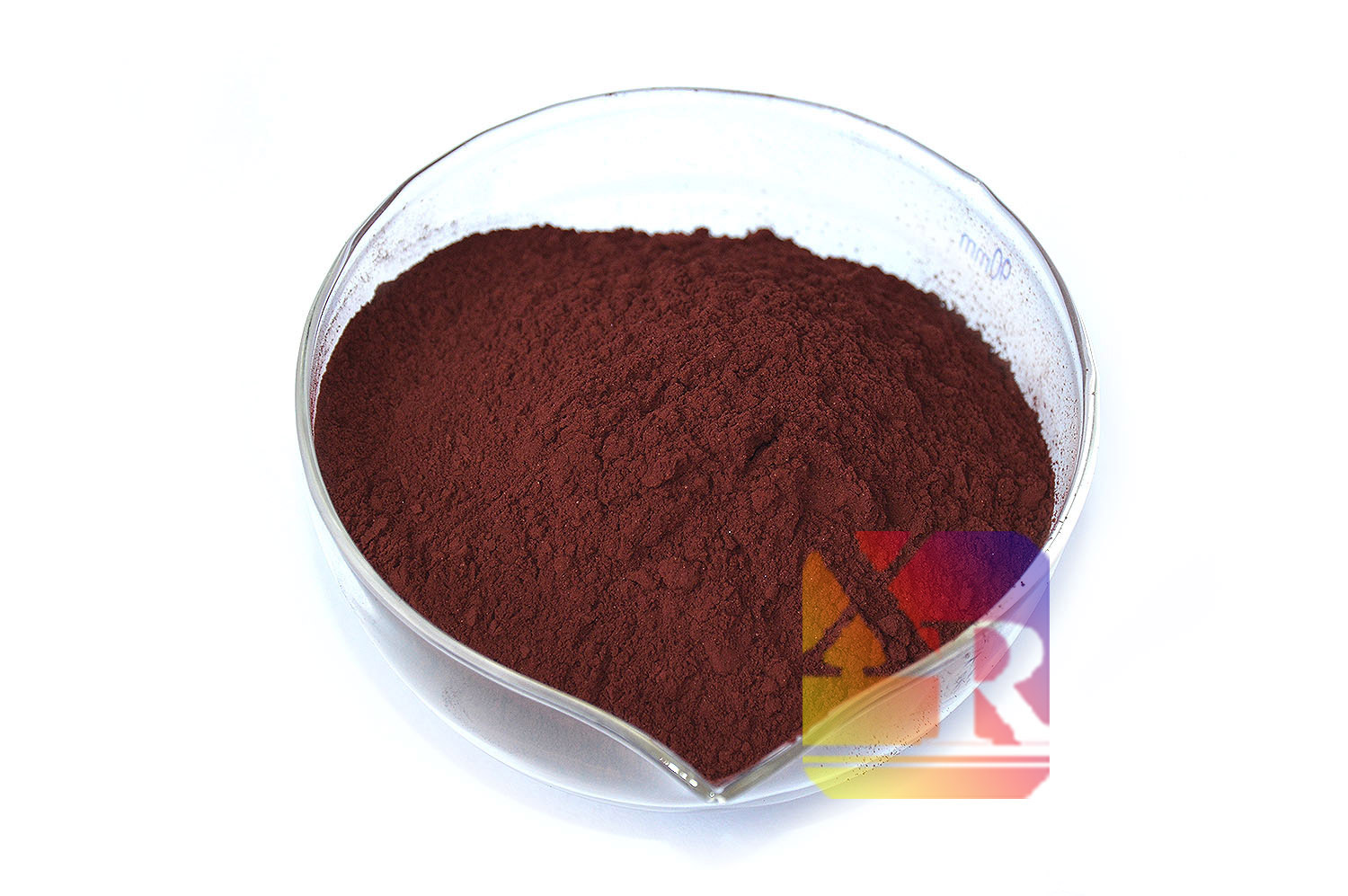
China Direct Yellow Brown D3G/Direct Brown 1 Suppliers - Quality Textile Dye from Factory, CAS 3811-71-0
Product Characteristics
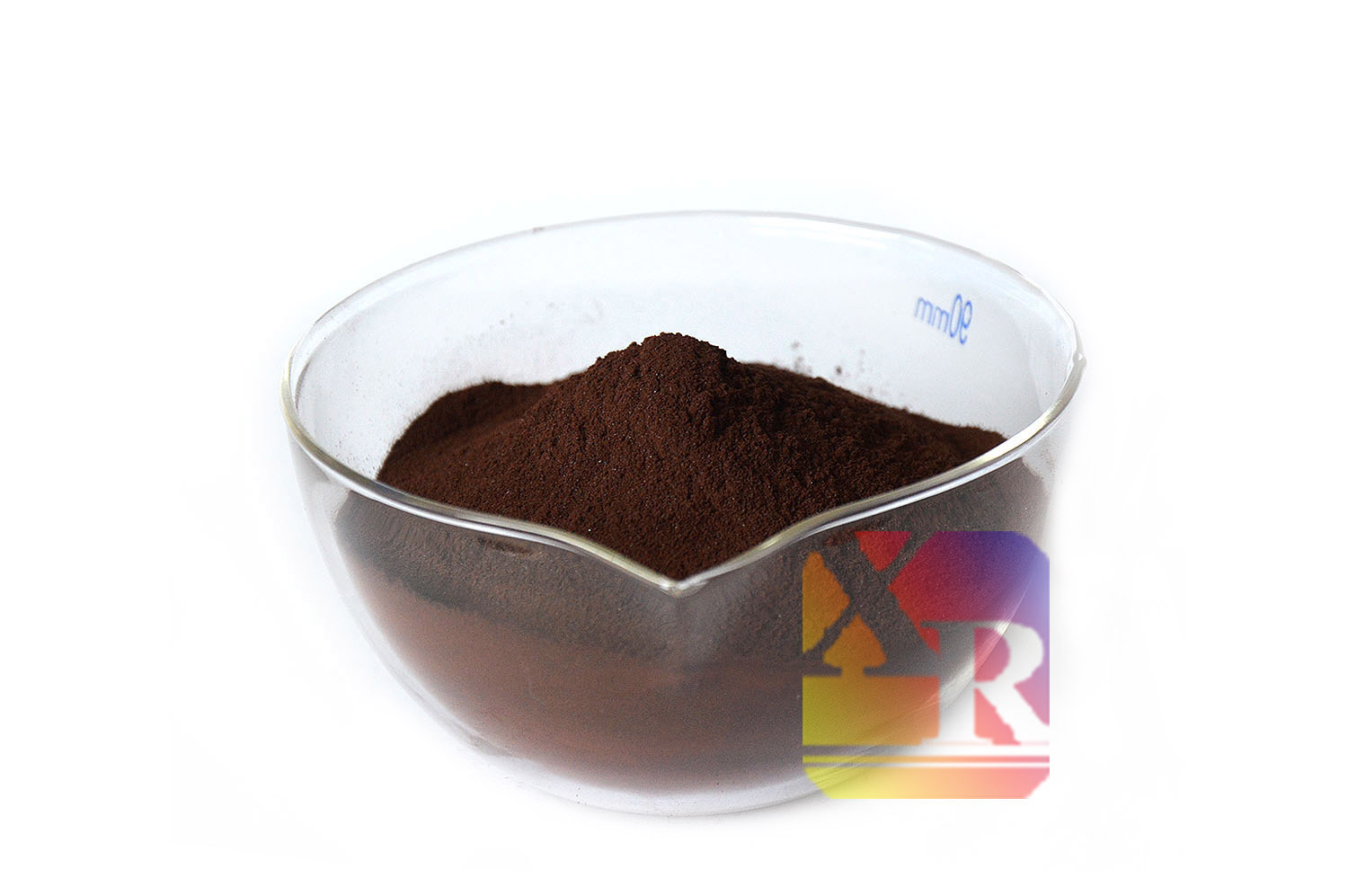
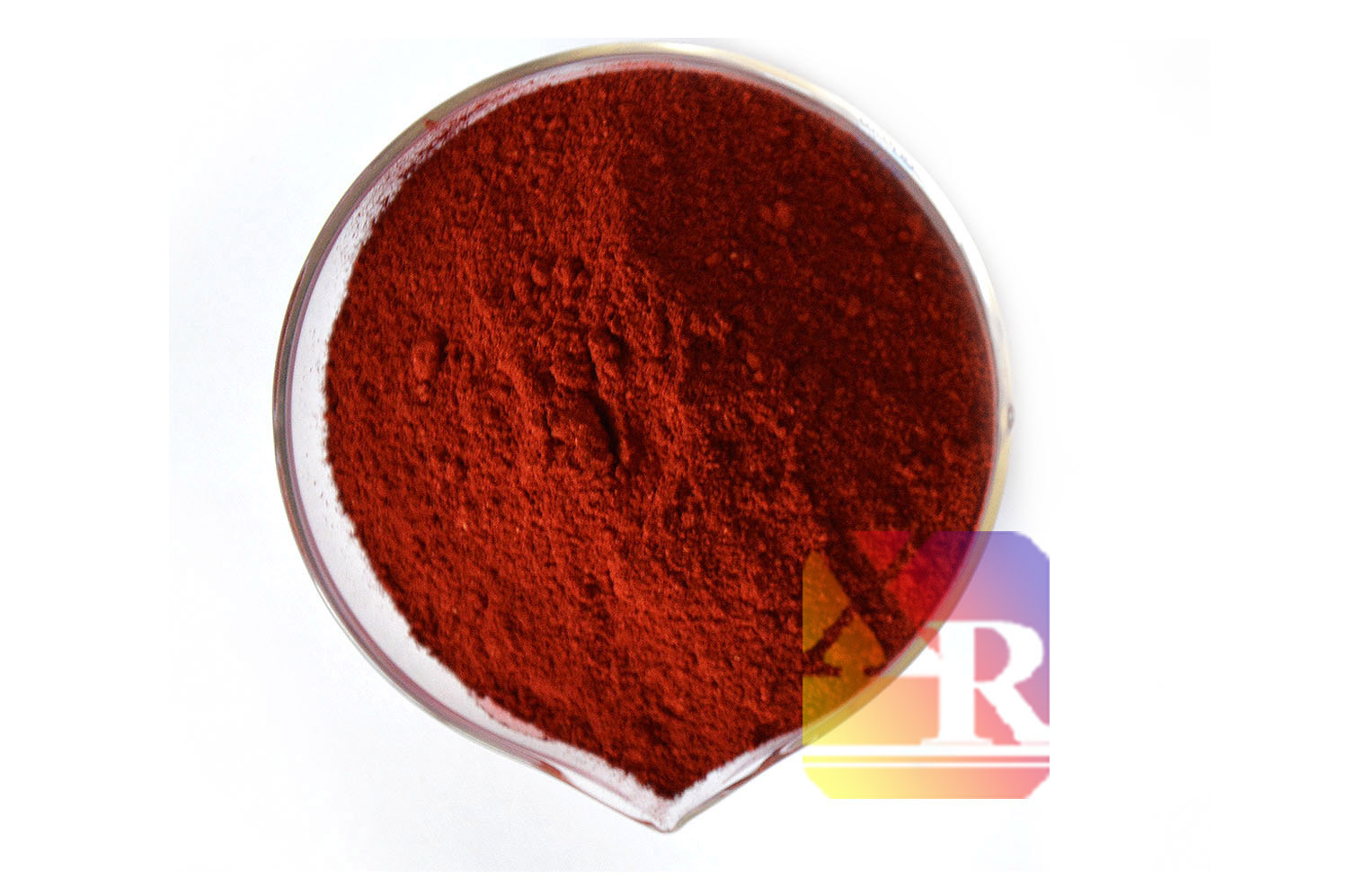
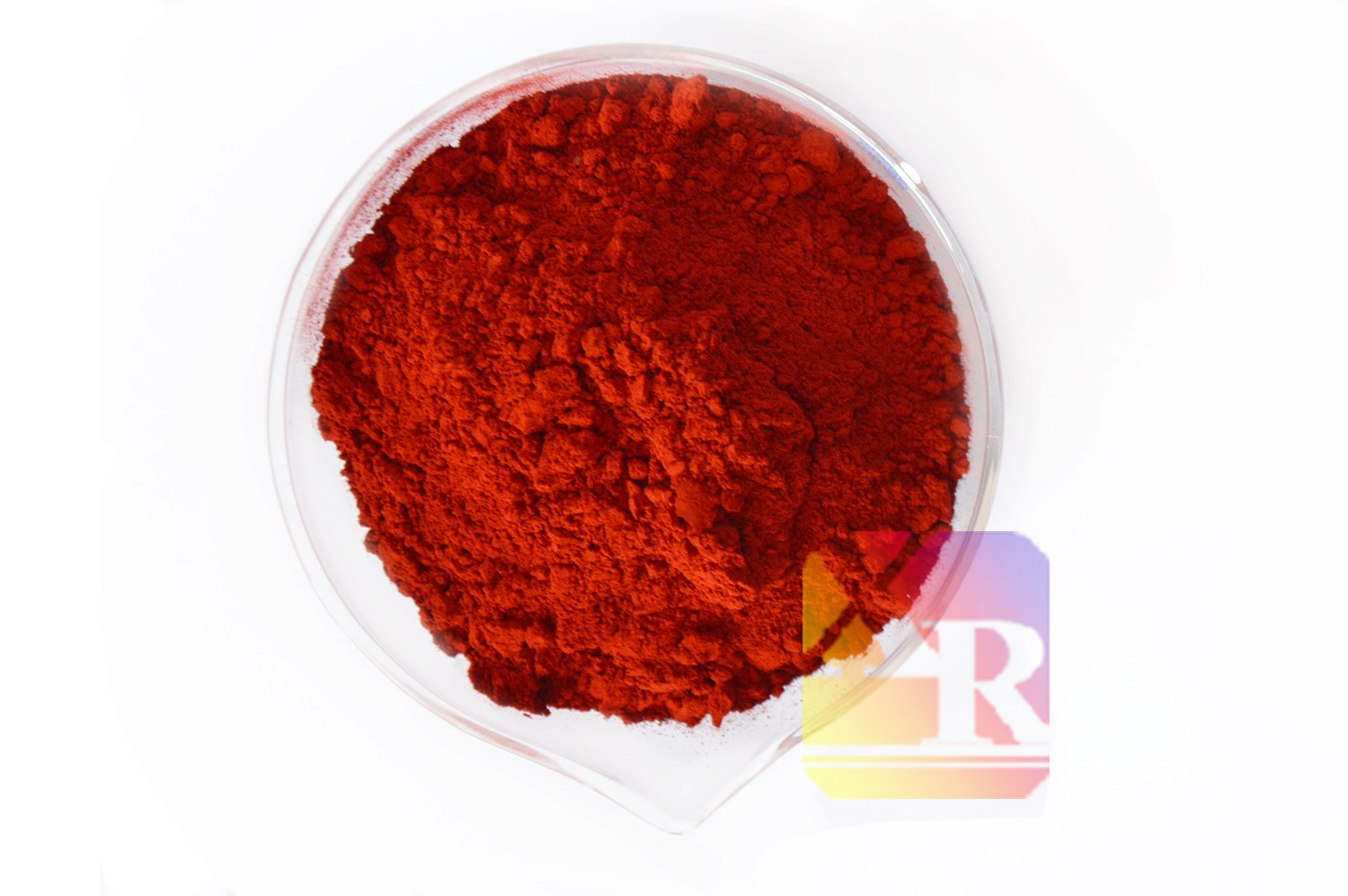
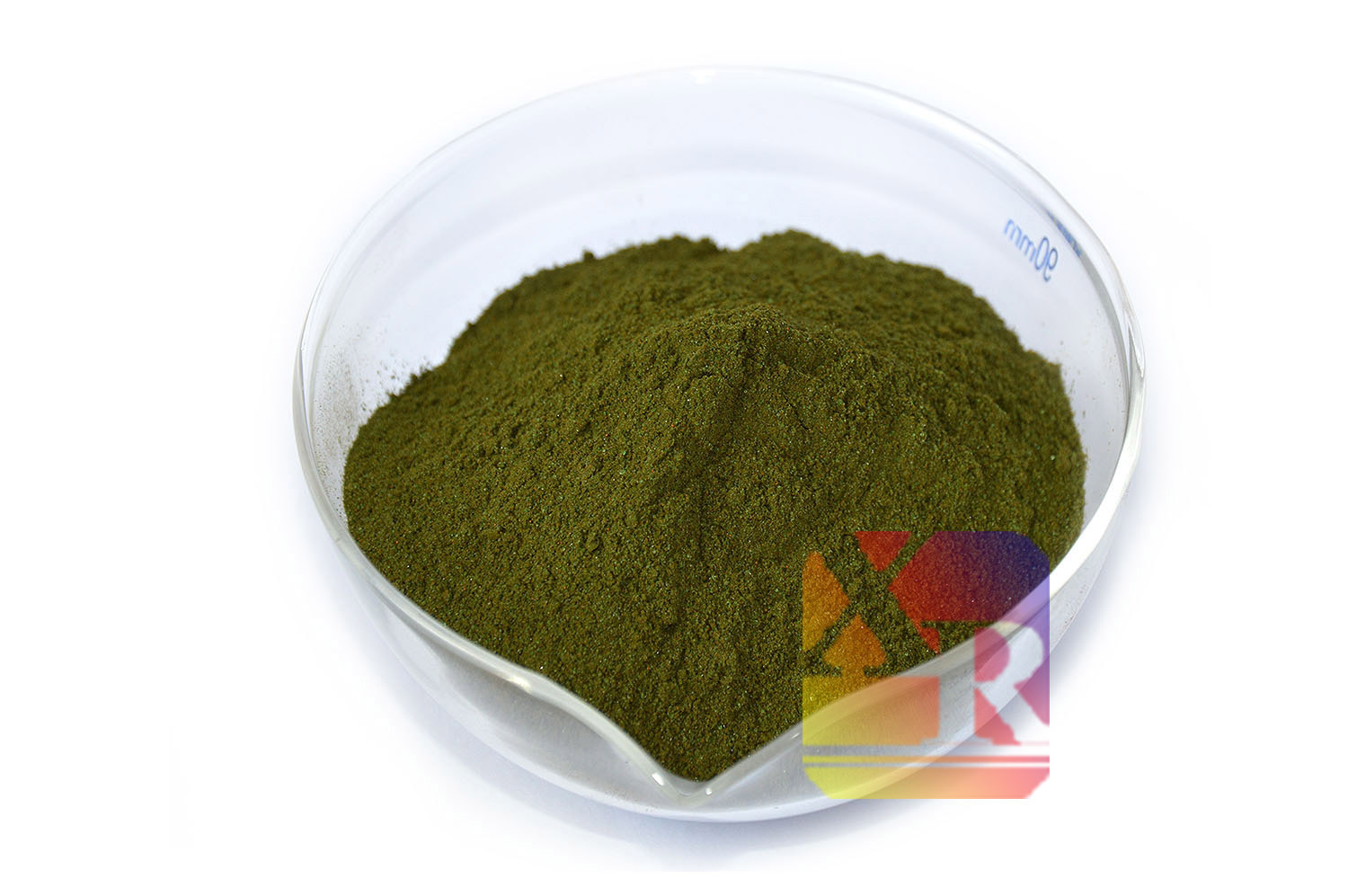
Direct Brown 1 is a type of trisulfone-based ordinary direct dye. Its core features include a yellow-brown color tone, good water solubility, easy dyeing at low temperatures, low cost, suitability for cellulose fibers and indoor industrial coloring, and relatively poor sun resistance.
Physical and Chemical Properties
Solubility
- Direct Brown 1: Soluble in cold water / warm water (25°C solubility ≥ 15g/L), yielding a clear orange-brown solution.
- Direct Yellow Brown D3G: Soluble in ethanol, slightly soluble in acetone, and insoluble in other organic solvents.
Acid-Base Reaction
- Concentrated sulfuric acid: Light purple to purple-black; brown precipitate formed after dilution.
- 10% Caustic soda: Yellow-brown solution (demonstrates color stability).
- Concentrated hydrochloric acid: Brownish-brown precipitate.
Stability
- Direct Yellow Brown D3G: Moderate alkali resistance (pH 7–10 stable; strong alkali easily precipitates).
- Direct Brown 1: Sensitive to copper / iron ions (turns dark yellow when exposed to copper, light yellow when exposed to iron; requires soft water and chelating agents).
Color Fastness (General Grade)
| Fastness Type | Rating / Performance | Application Notes |
|---|---|---|
| Sunlight Fastness | Grade 2 (Poor) | Only suitable for indoor use; prone to fading outdoors. |
| Water Wash Fastness | Grade 2–3 (Average) | Requires post-treatment fixation. |
| Dry Friction Fastness | Grade 4 | Good standard mechanical fastness. |
| Wet Friction Fastness | Grade 3 | Moderate wet rub resistance. |
| Sweat Fastness | Grade 2–3 | Standard perspiration stability. |
Application Characteristics
Dyeing Affinity
Direct Yellow Brown D3G has strong affinity for cotton, viscose, linen, and non-woven fabrics, reaching its highest dyeing rate at 80–100°C.
Even Dyeing / Transfer
Direct Brown 1 exhibits good even dyeing performance and medium transfer dyeing, making it ideal for light yellow-brown colorations.
Compatibility
Direct Brown 1 remains stable when paired with direct yellow / red shades, commonly used for dyeing khaki, light brown, and coffee tones.
Industrial Coloring
Direct Yellow Brown D3G is widely utilized in coloring paper, leather, water-based color paste, and bamboo/wood fibers.
Advantages and Disadvantages
Key Advantages
- Convenient Dissolution: Direct Yellow Brown D3G dissolves rapidly in cold water with simple mixing and does not easily form lumps.
- Bright Color Tone: Direct Brown 1 delivers a light yellow-brown shade that is clean, transparent, and ideal for light color schemes.
- High Cost-Performance: Low unit cost combined with good level dyeing properties, optimal for large-scale medium-light color production.
- Good Bleaching Performance: Direct Yellow Brown D3G can be effectively bleached, making it well-suited for printing processes.
Limitations & Precautions
- Poor Sun Resistance (Grade 2): Strictly prohibited for outdoor use; significantly lower light fastness compared to Direct Brown 95 (Grade 5–6).
- Weak Water Wash Fastness: Direct Brown 1 requires a fixing agent post-treatment to improve overall wet fastness.
- Metal Ion Sensitivity: Direct Brown 1 is prone to shade shifting in the presence of copper/iron ions; water quality and chelating agents must be strictly controlled.
Frequently Asked Questions
Direct Brown 1 (Direct Yellow Brown D3G) has strong affinity for cellulose fibers such as cotton, viscose, and linen, as well as non-woven fabrics, paper, leather, water-based color pastes, and bamboo/wood fibers.
The optimal dyeing rate is achieved at temperatures between 80°C and 100°C, offering good even dyeing performance and reliable transfer dyeing for light to medium shades.
No. Direct Brown 1 has a sunlight fastness rating of Grade 2 (poor), making it susceptible to rapid fading under direct sunlight. It is recommended strictly for indoor goods.
Since its natural water wash fastness is rated at Grade 2–3, applying a suitable cationic or polyfunctional fixing agent after dyeing is required to achieve satisfactory wet fastness.
Direct Brown 1 is sensitive to trace heavy metal ions. It shifts toward dark yellow when contaminated with copper ions and toward light yellow with iron ions, necessitating water softening and chelating additives.
It offers stable compatibility when combined with standard direct yellow and direct red dyes, making it widely used to formulate khaki, light brown, and rich coffee tones.