








China Suppliers Factory of Water-Soluble Cationic Basic Black Dyes - Basic Black BN, 8, and 10B for Industrial Use
Product Introduction
Basic black, also named cationic black, is a water-soluble cationic basic dye. Its molecule contains alkaline amino groups. After dissolving in water, it ionizes into positively charged dye cations, which bind to negatively charged substrates via electrostatic adsorption for coloration. Commercial basic black products are either single-component dyes or blends of basic blue, basic yellow and basic red to formulate pure black shade.
Physical & Chemical Properties
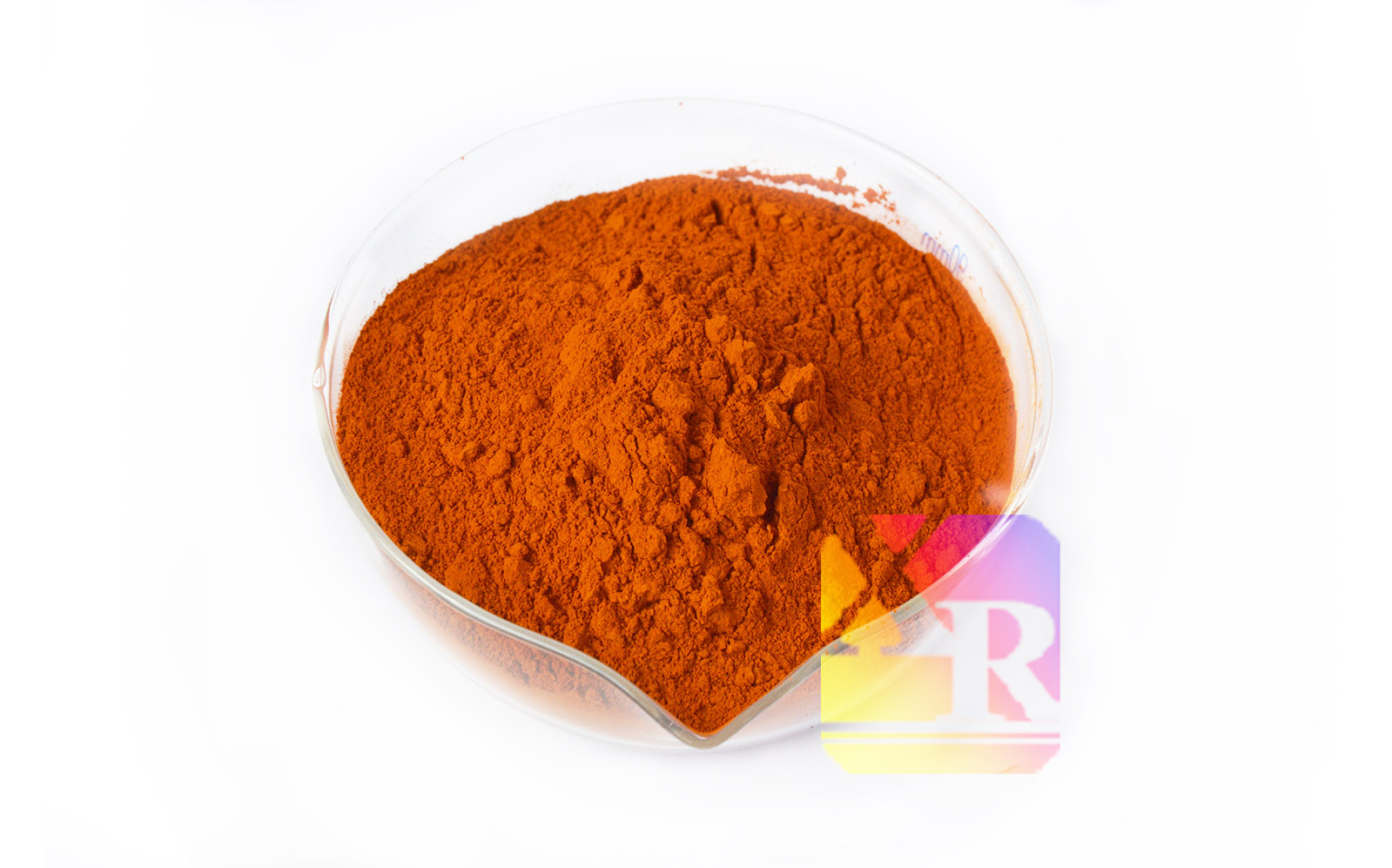
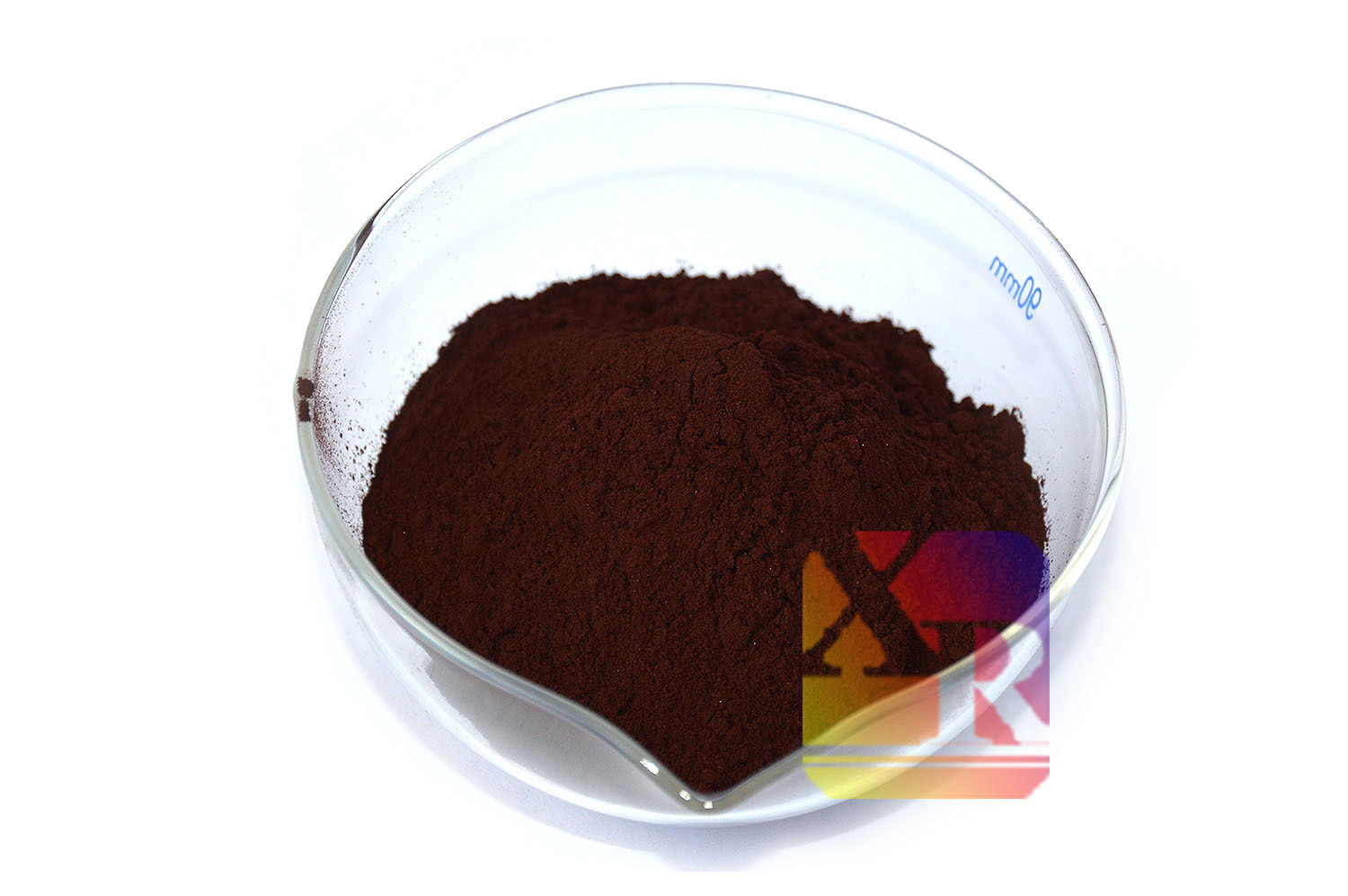
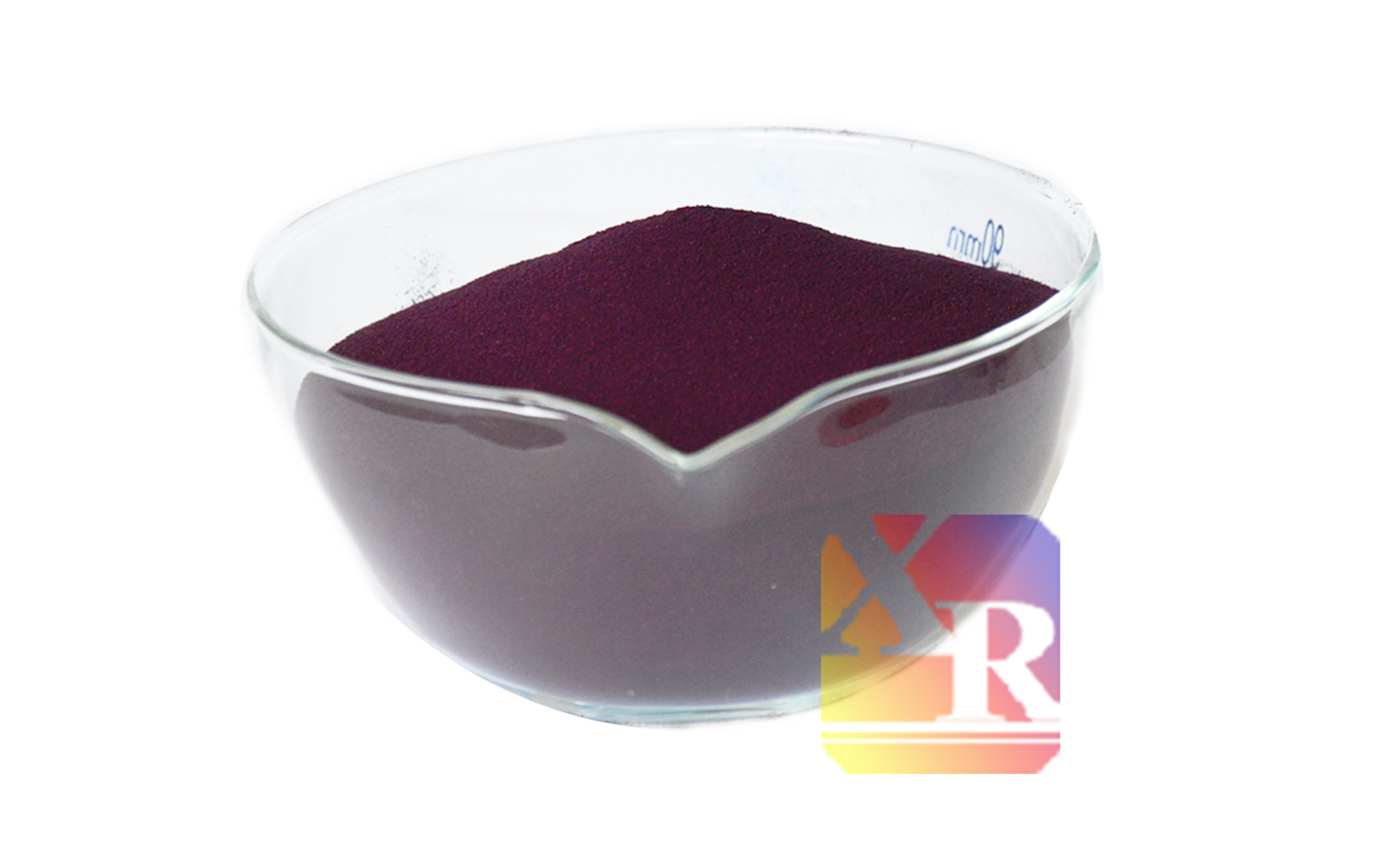
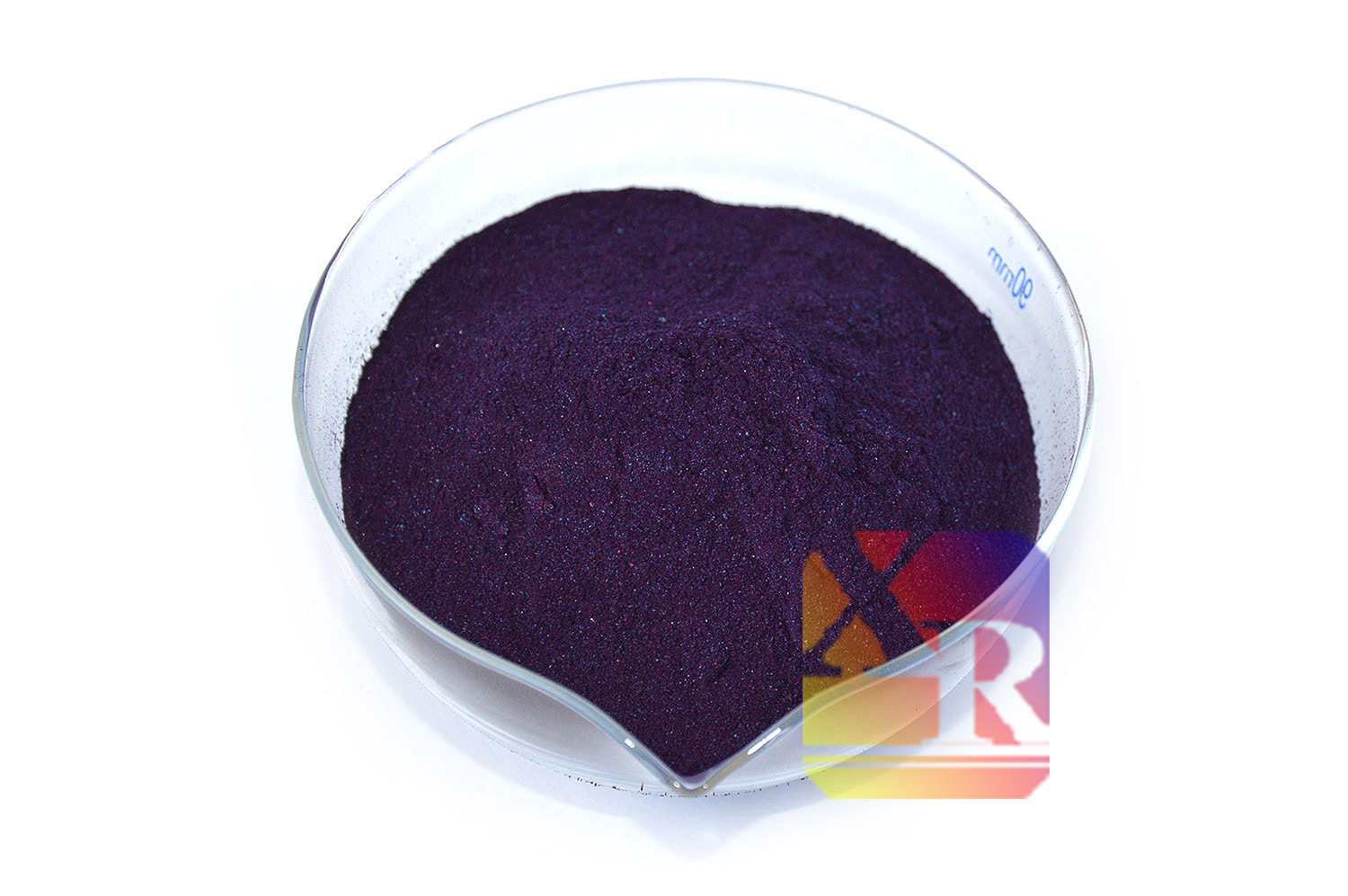
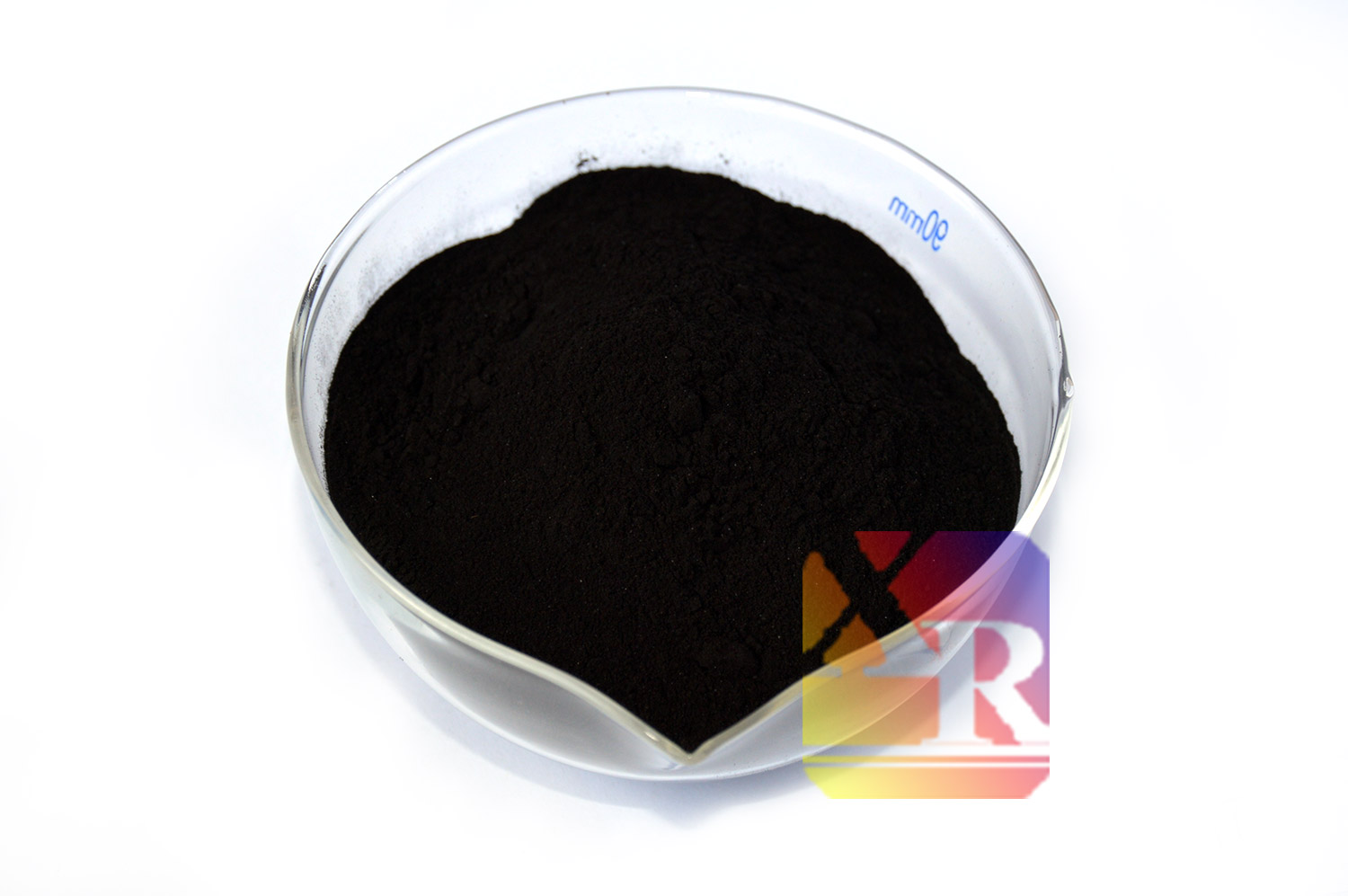
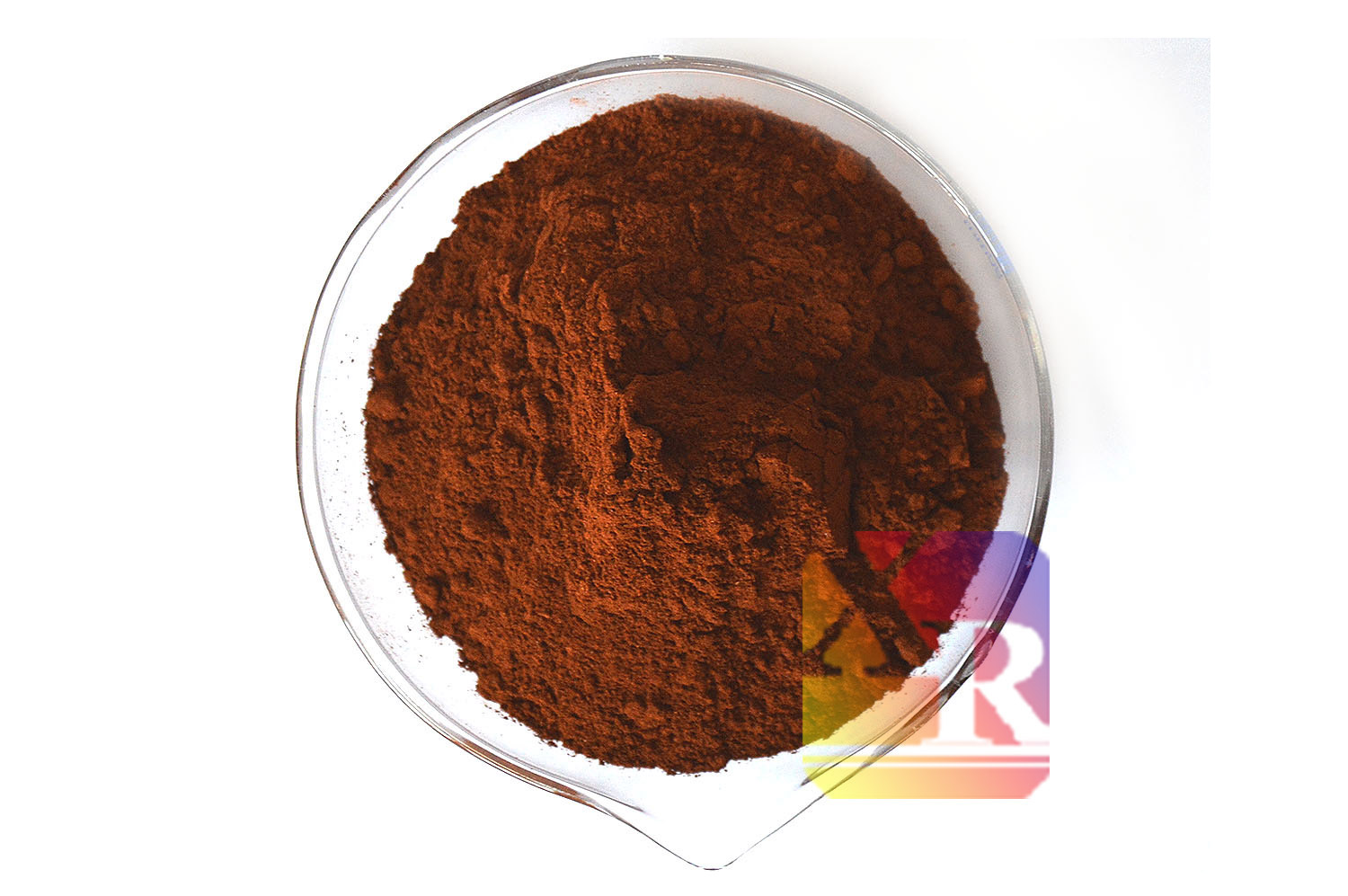
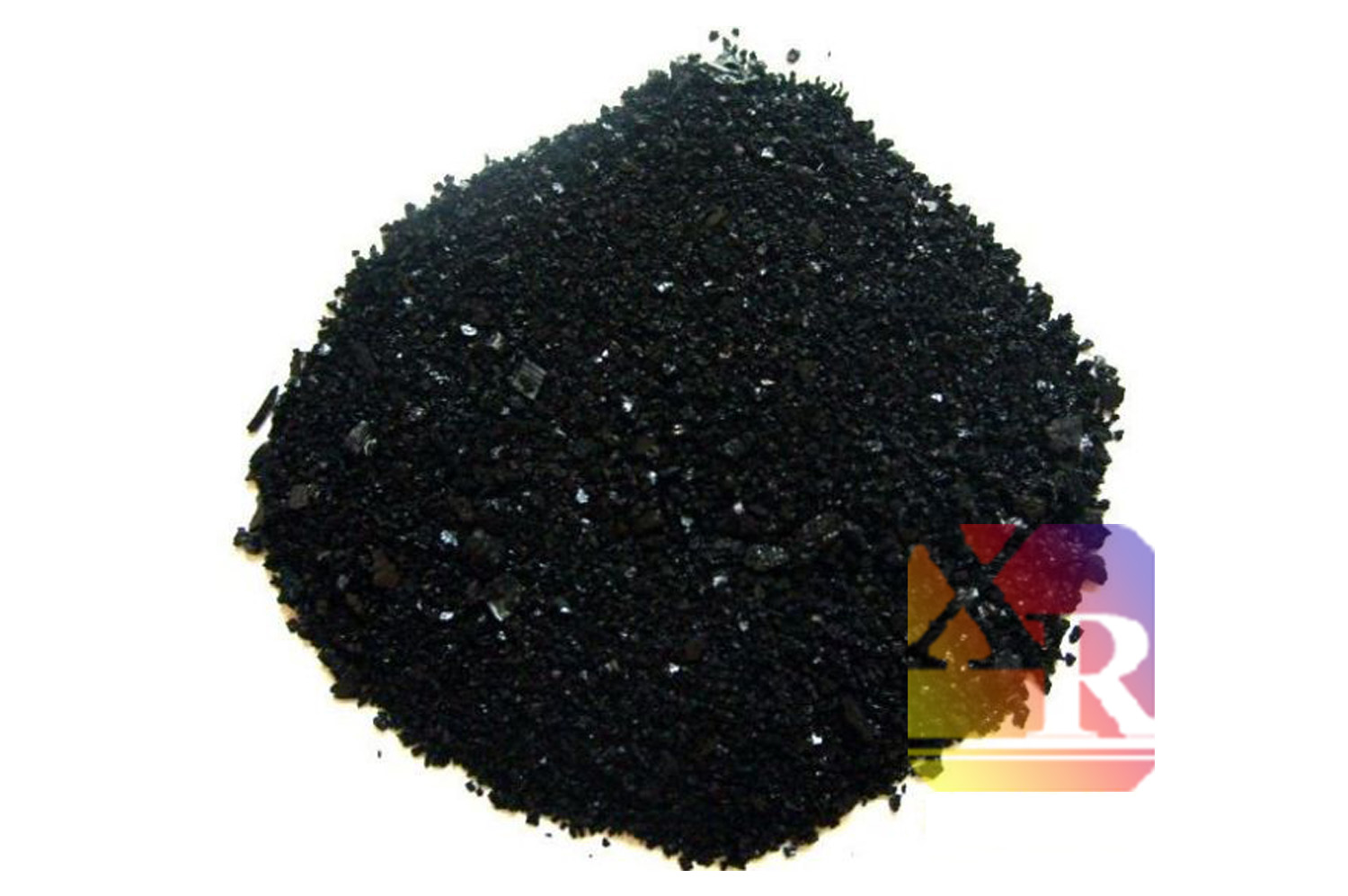
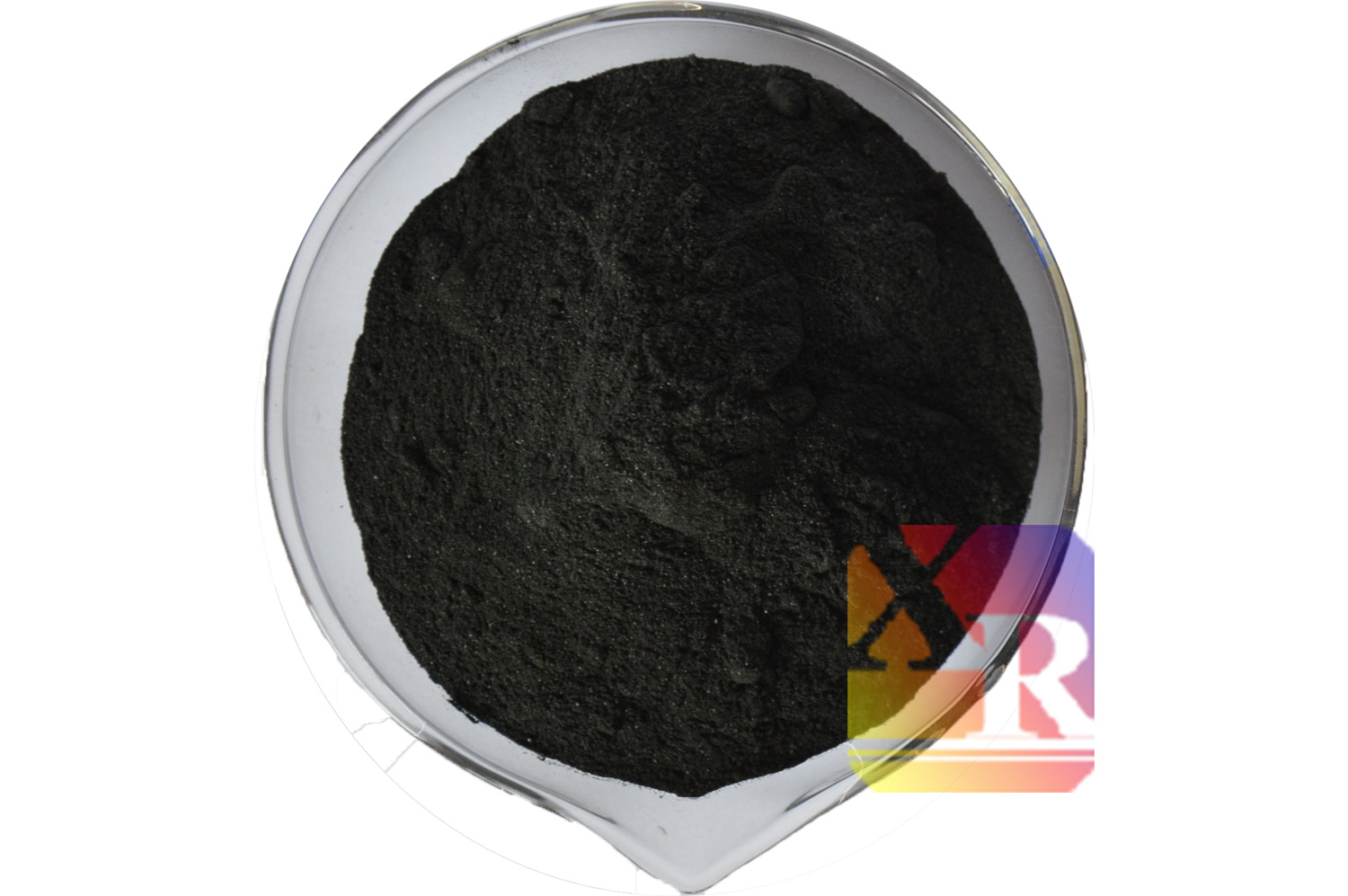
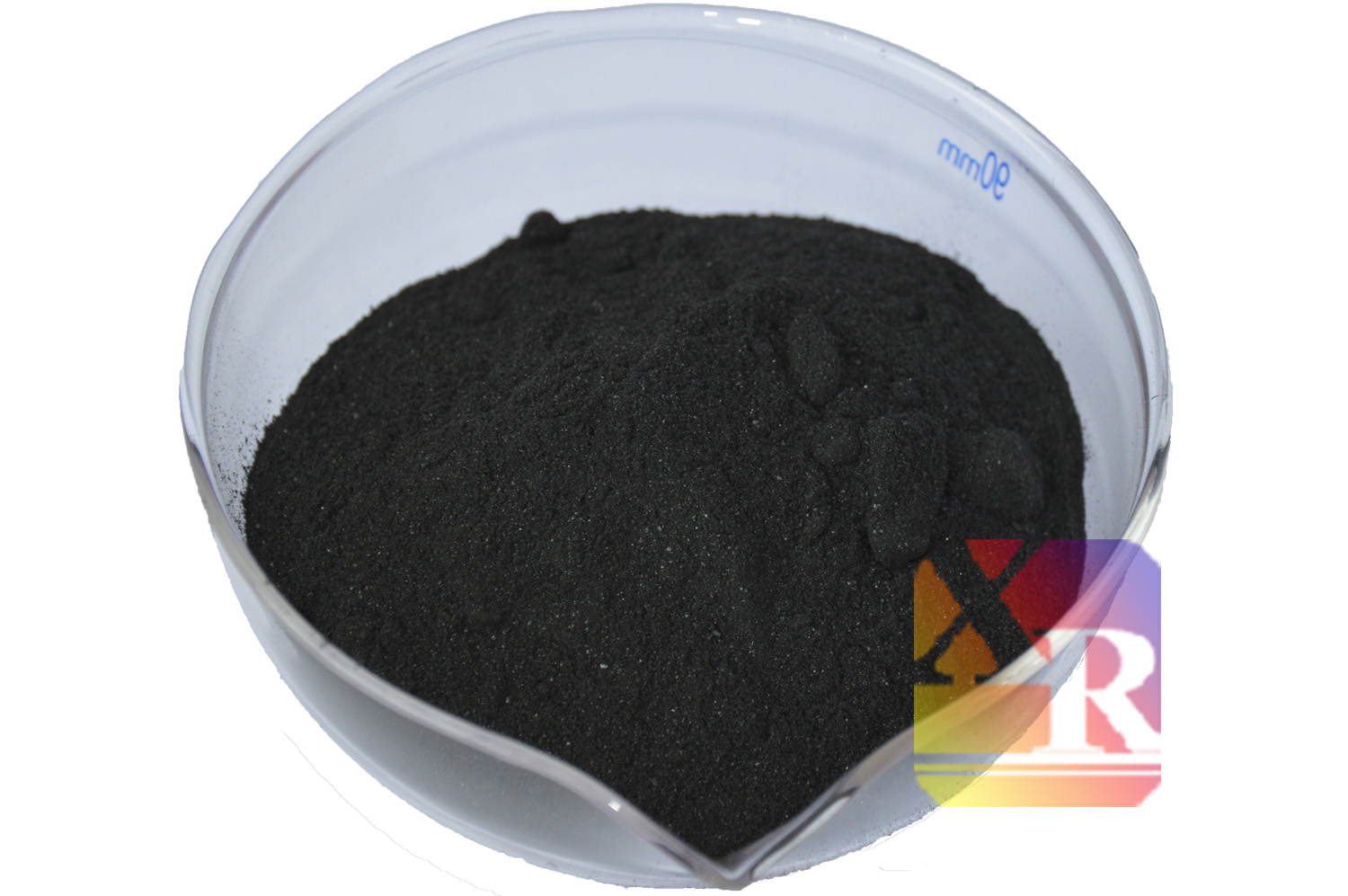
dark black / bluish-black fine powder
highly soluble in cold and hot water, solubility range: 150~300 g/L, aqueous solution shows black color
weakly acidic pH 4.5~6.0; color shade becomes lighter and dye uptake declines under alkaline conditions
extremely high tinctorial strength and fast dyeing speed; light fastness: Grade 4–6, moderate washing & soaping fastness (Grade 3–4). Wet fastness can be improved by applying cationic fixing agent; not resistant to chlorine bleaching.
Frequently Asked Questions (FAQ)
What substrates or materials are best suited for Basic Black (Cationic Black)?
Basic Black is widely used on acrylic fibers (polyacrylonitrile), cationic dyeable polyester (CDP), leather, paper, silk, and wood stains, where negatively charged functional groups attract the dye cations firmly.
Why must the dyeing bath maintain a weakly acidic pH of 4.5–6.0?
A weakly acidic condition ensures full ionization of the dye cations and stabilizes the fiber's negative surface charge. In neutral or alkaline conditions, the dye uptake decreases significantly, resulting in weaker depth and lighter color shades.
How can wet fastness and washing fastness be enhanced?
Post-treatment using specialized cationic fixing agents or tannin-tartar emetic systems creates an insoluble complex on the fiber surface, substantially elevating washing and perspiration fastness levels.
Can Basic Black be combined directly with anionic auxiliaries?
No. Direct mixing with anionic auxiliaries or detergents creates ionic precipitation and dye aggregation. Non-ionic or cationic wetting agents and levelers should always be selected.
What is the correct procedure for dissolving Basic Black powder?
First, mix the fine powder with a small amount of warm water or dilute acetic acid into a smooth paste. Then add hot water (60°C–80°C) while stirring continuously to achieve complete, lump-free dissolution.
Is Basic Black resistant to chlorine bleaching agents?
No, Basic Black has poor resistance to chlorine bleaching. Exposure to sodium hypochlorite or active chlorine compounds will break down the chromophore system and lead to irreversible discoloration.