








Cost-Effective Direct Red 28 Dye from China Suppliers and Factory - High Quality Congo Red C.I. 22120
Basic Product Information
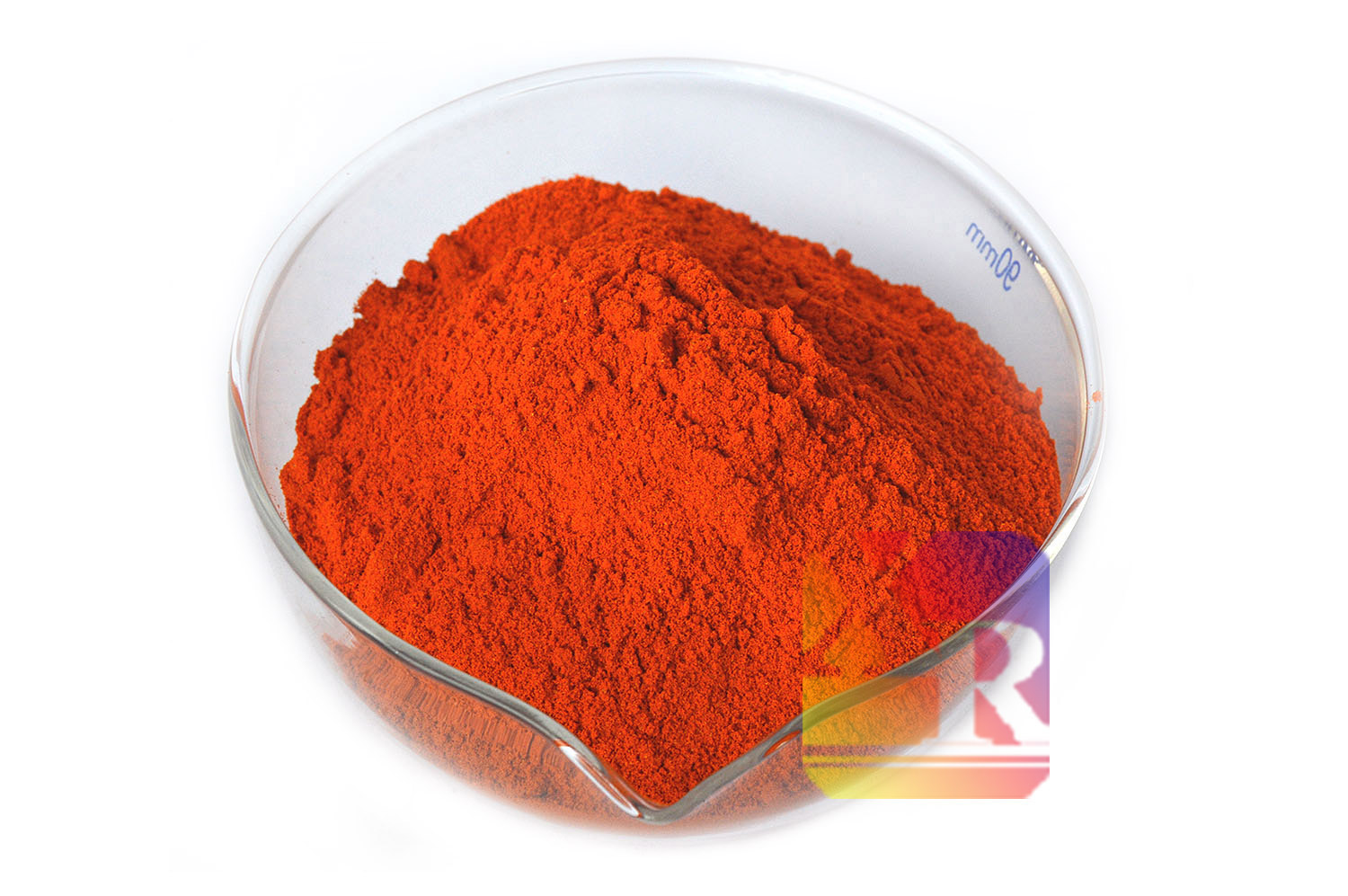
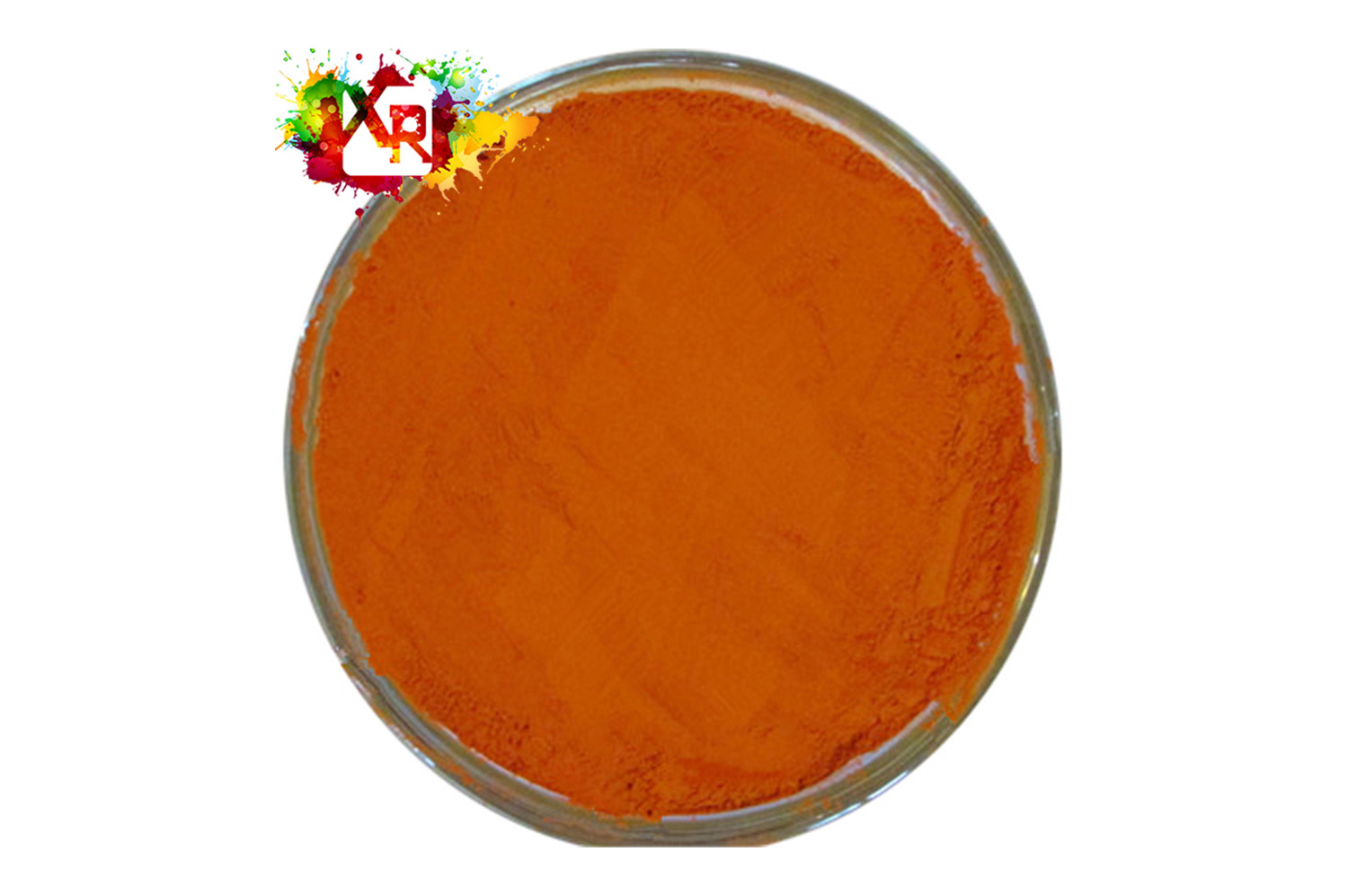
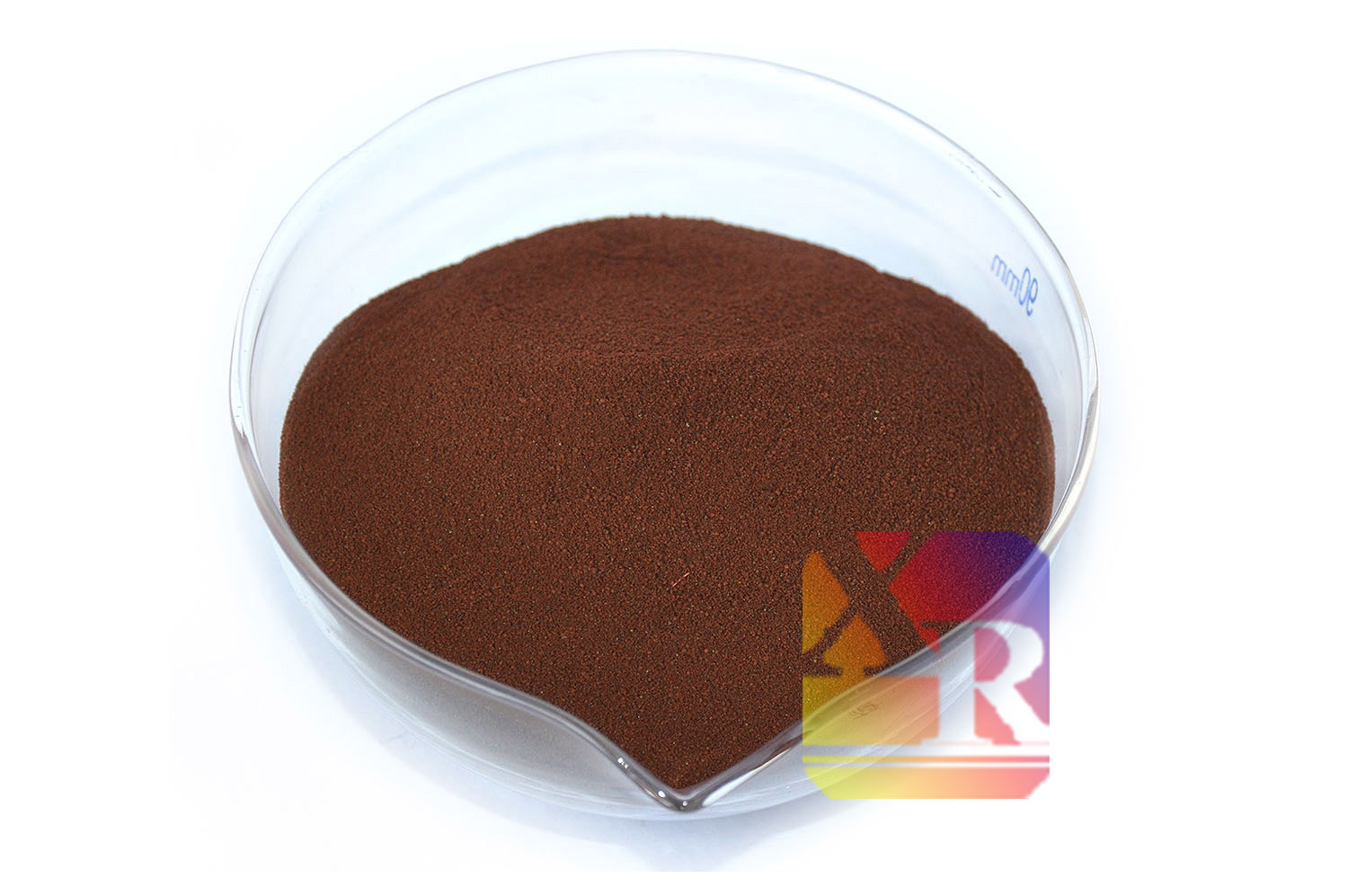
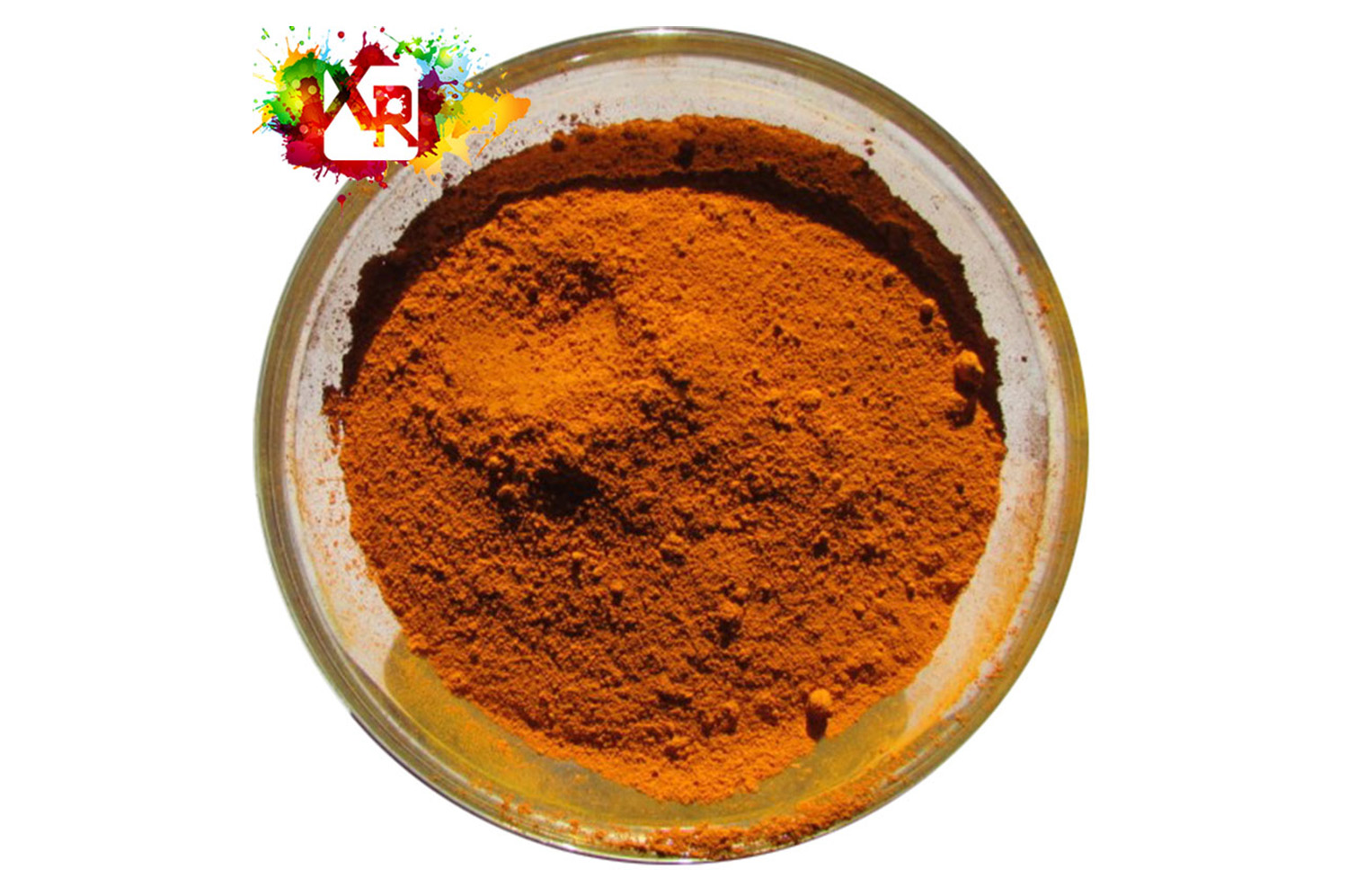
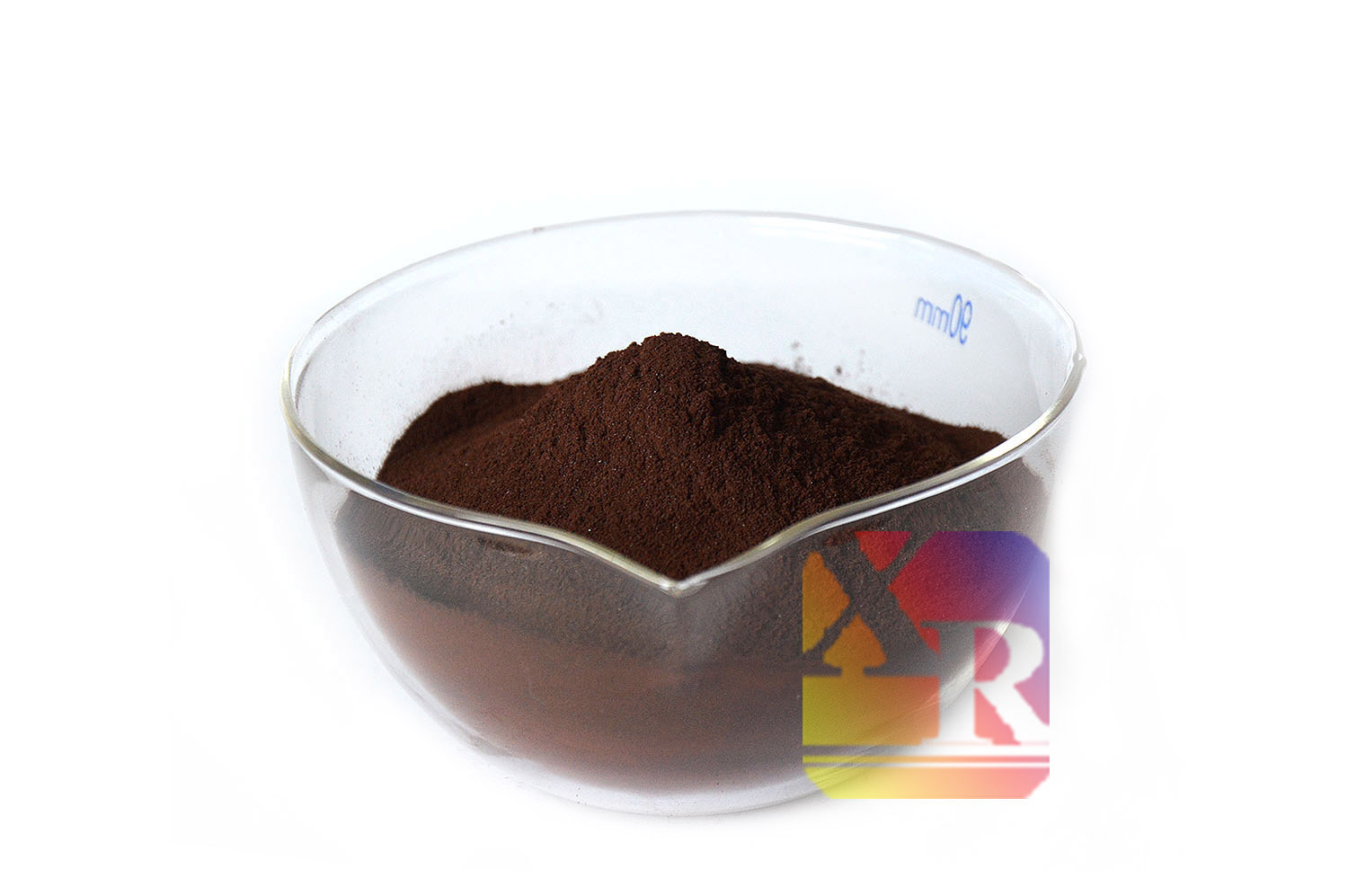
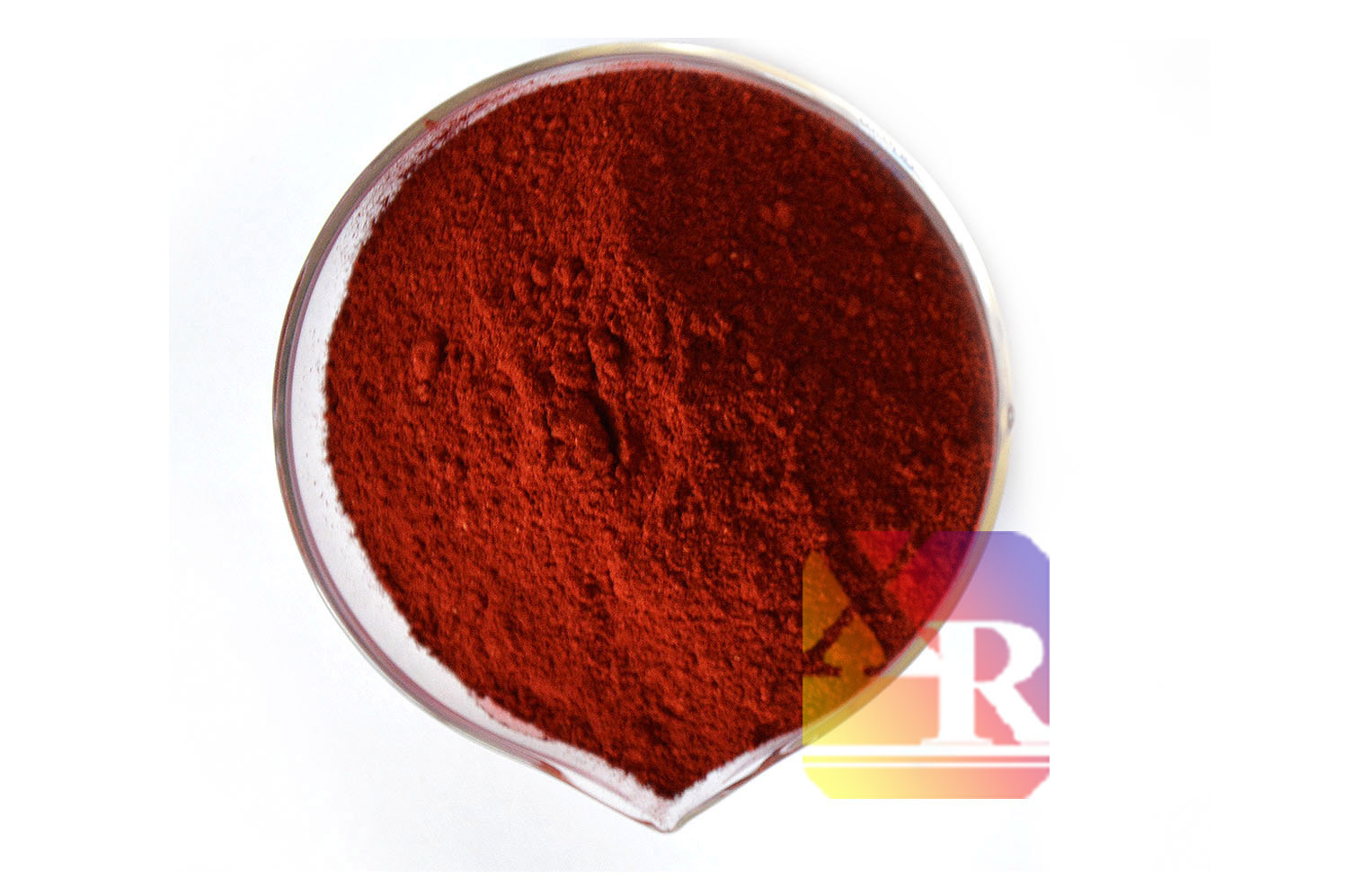
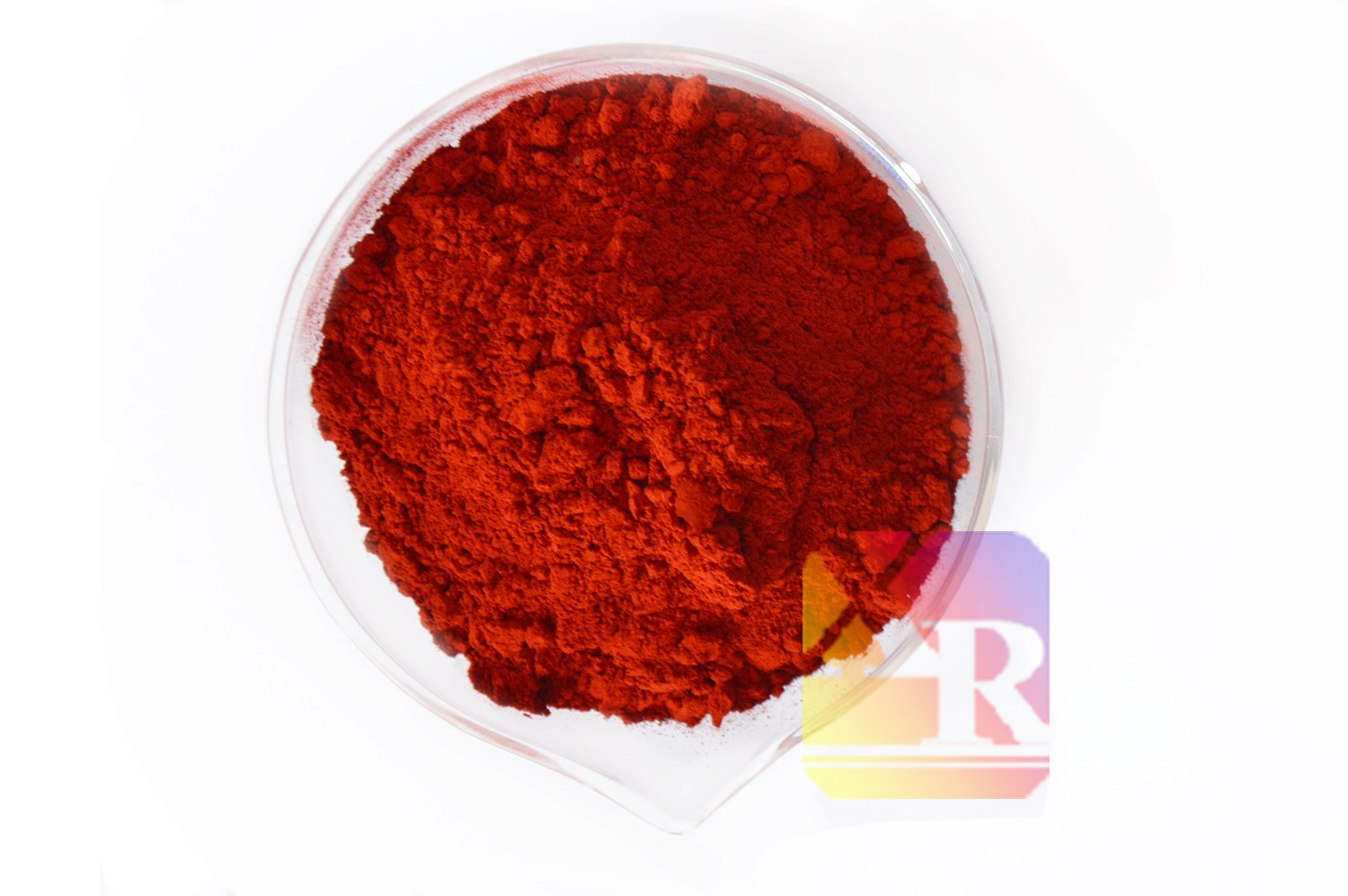
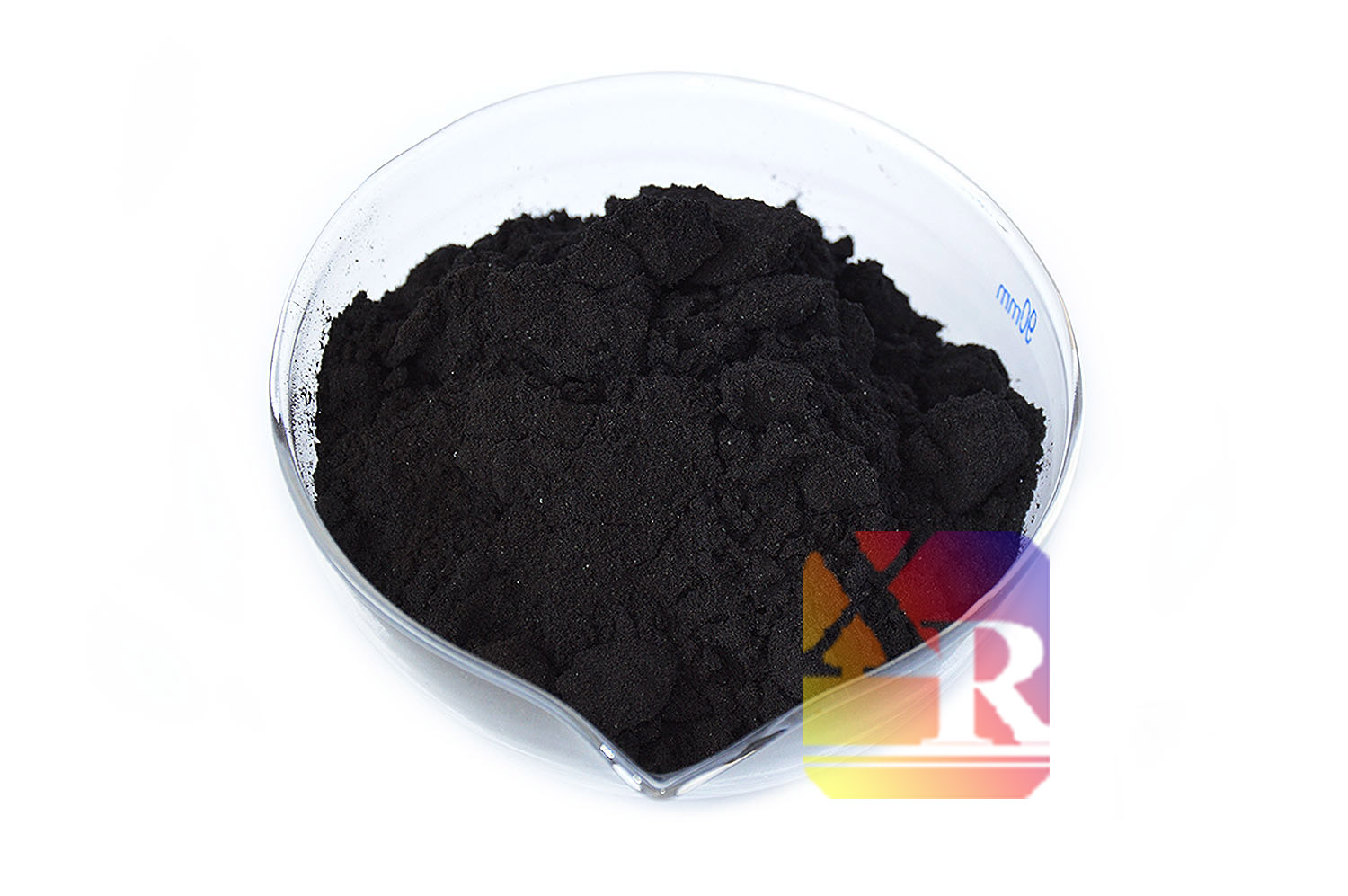
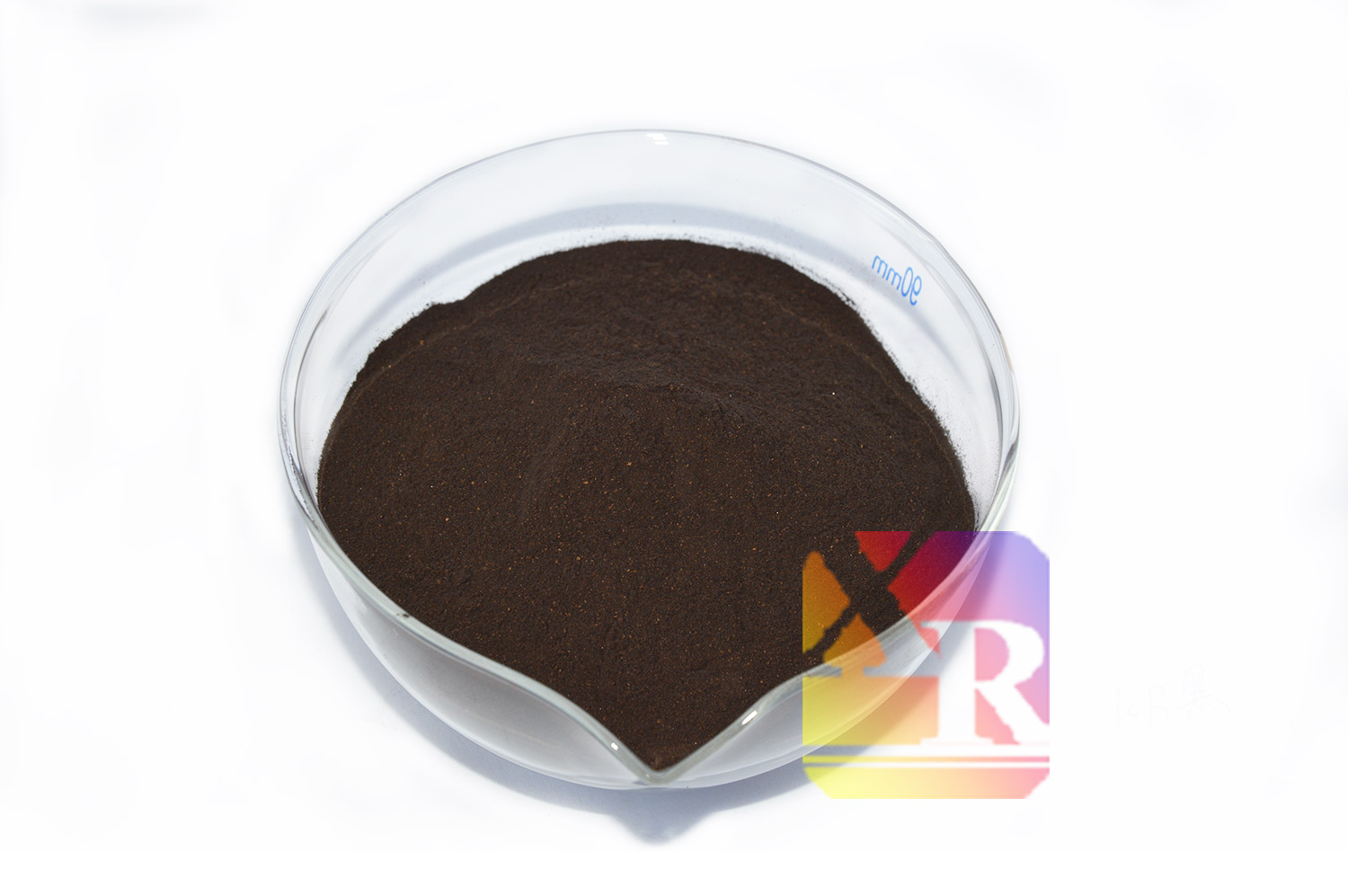
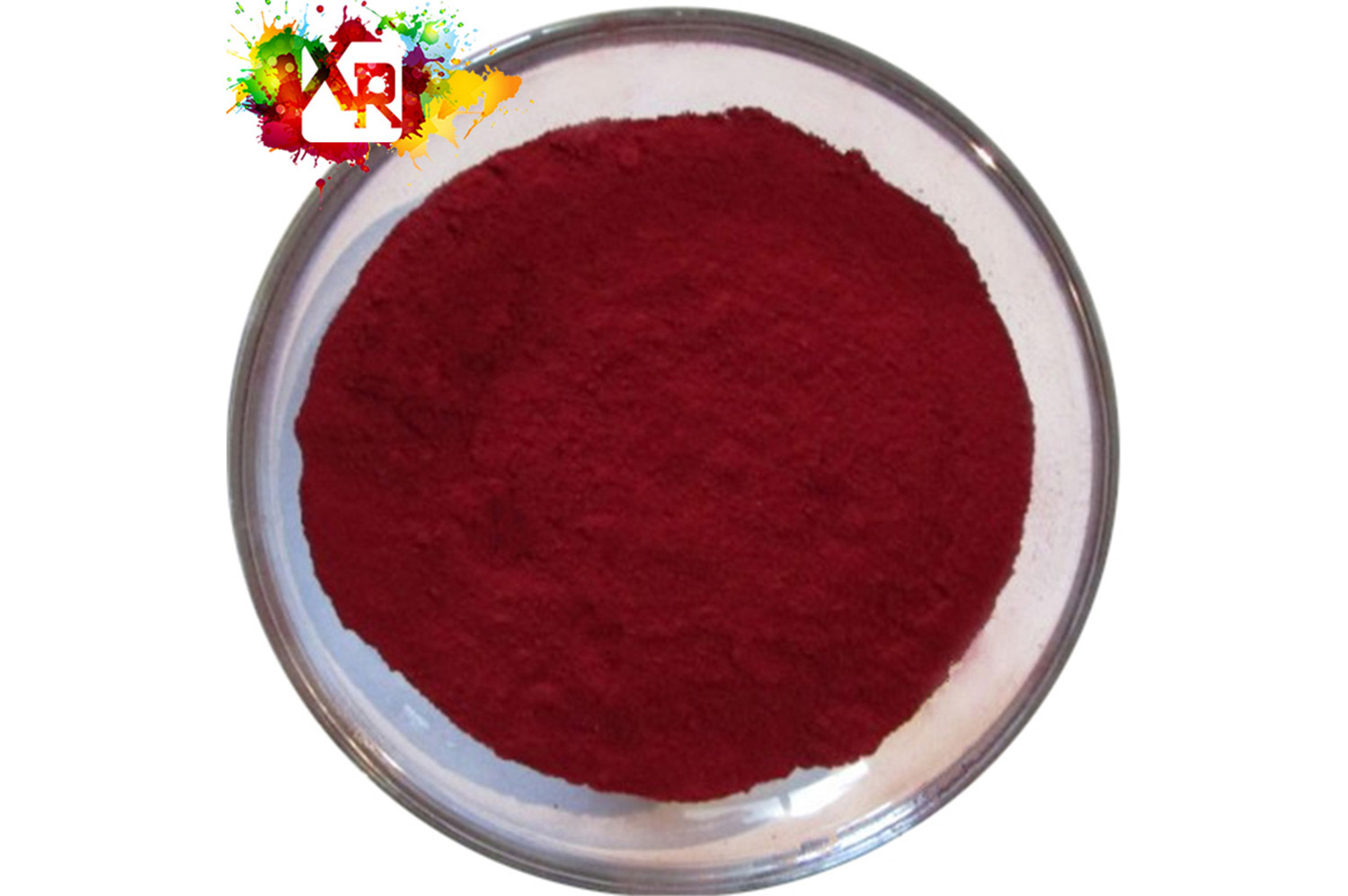
Direct Red 28 (Congo Red), C.I. No. 22120, CAS No. 573-58-0, is a biphenyl disazo water-soluble direct dye. It appears as a brownish-red powder and forms a yellowish-red aqueous solution, delivering a bright scarlet shade on cotton and viscose fibers.
It dissolves easily in cold and hot water, is sensitive to acid and salt, and turns bluish-purple under acidic conditions. It can dye cotton, viscose, silk, polyamide, paper pulp, and leather, and is also widely used as a biological stain and pH indicator (blue-violet at pH 3.0, red at pH 5.2).
Chemical & Physical Characteristics
- Chemical Name / CI: Direct Red 28 / C.I. 22120
- CAS Number: 573-58-0
- Dye Class: Biphenyl disazo water-soluble direct dye
- Appearance: Brownish-red powder
- Solution Appearance: Yellowish-red aqueous solution
- Shade on Cotton/Viscose: Bright scarlet
Properties & Applications
- Solubility: Readily soluble in both cold and hot water
- Sensitivity: Sensitive to acidic conditions and salt
- Substrates Dyed: Cotton, viscose, silk, polyamide, paper pulp, and leather
- Analytical Use: Biological stain and colorimetric pH indicator
- pH Indicator Range: Blue-violet at pH 3.0 → Red at pH 5.2
Frequently Asked Questions (FAQ)
Direct Red 28, commonly known as Congo Red (C.I. 22120, CAS 573-58-0), is a water-soluble biphenyl disazo direct dye supplied as a brownish-red powder that forms a yellowish-red aqueous solution.
It can dye cotton, viscose fibers, silk, polyamide, paper pulp, and leather. On cotton and viscose fibers, it delivers a distinctive bright scarlet shade.
Direct Red 28 dissolves easily in both cold and hot water, making aqueous solution preparation simple and effective.
The dye is sensitive to acid and salt. Under acidic conditions, its color shifts from red to bluish-purple.
Due to its acid sensitivity, it functions as a visual pH indicator, presenting a blue-violet hue at pH 3.0 and turning red at pH 5.2. It is also widely applied in laboratories as a biological stain.