




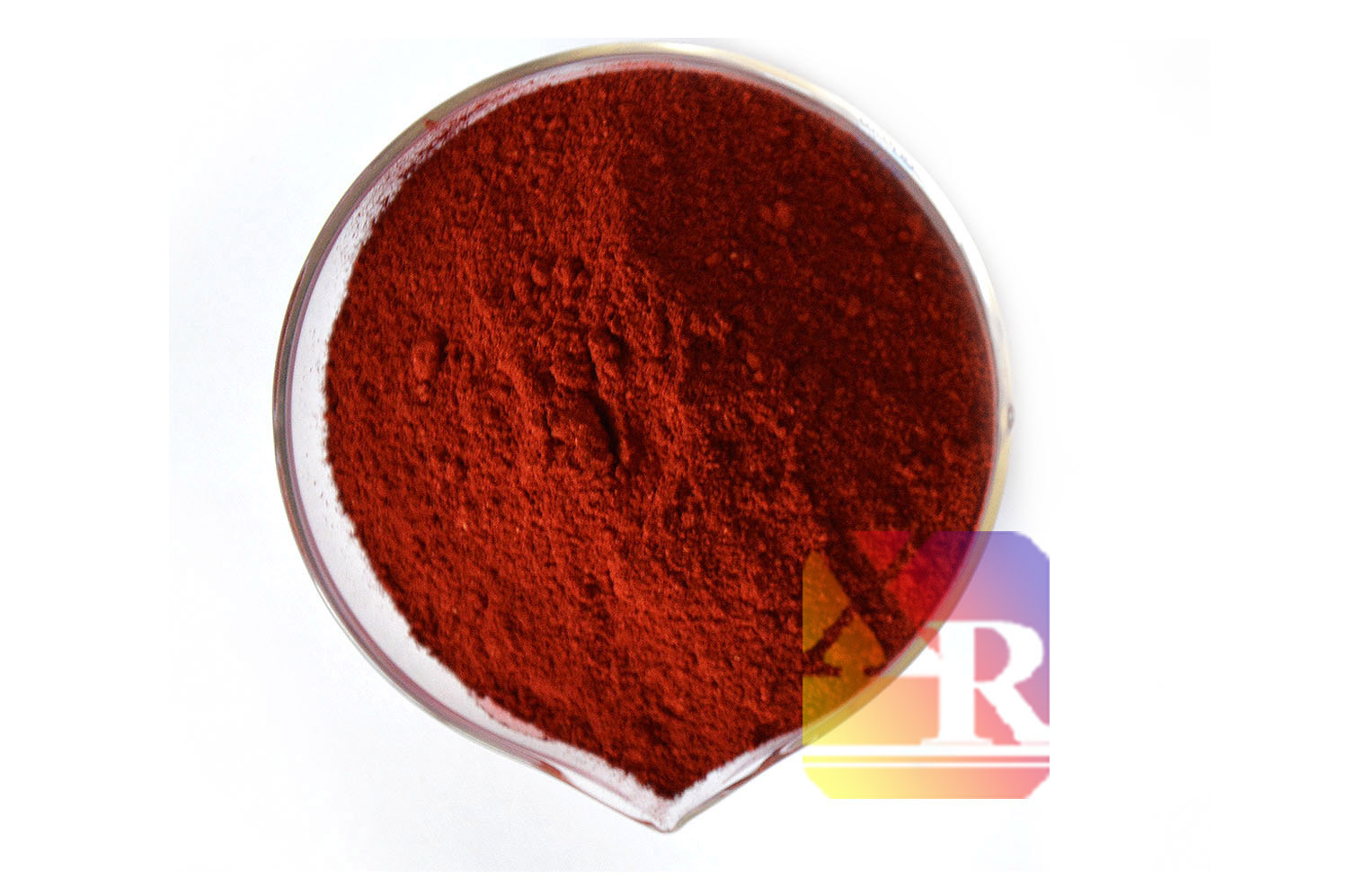
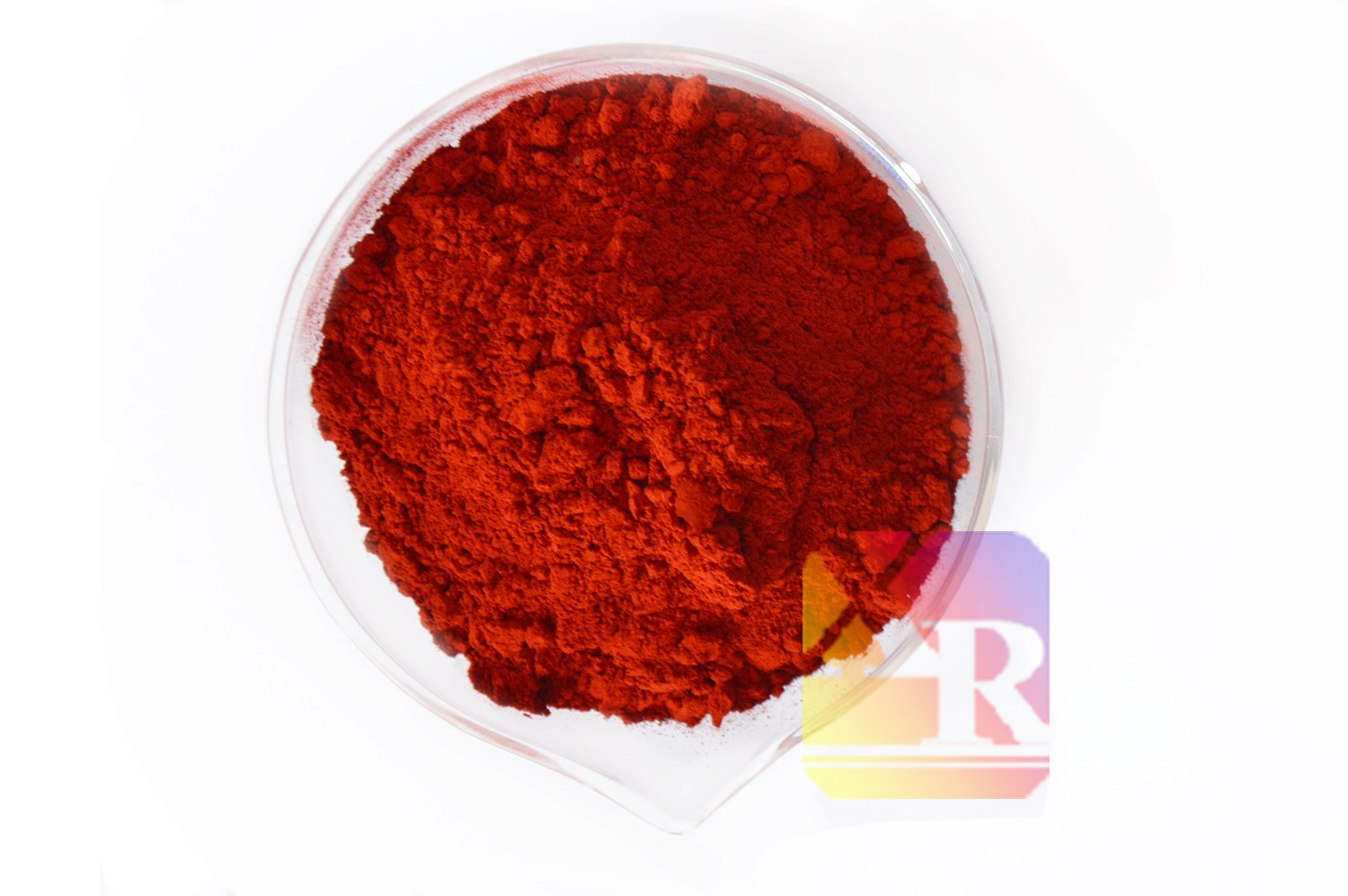
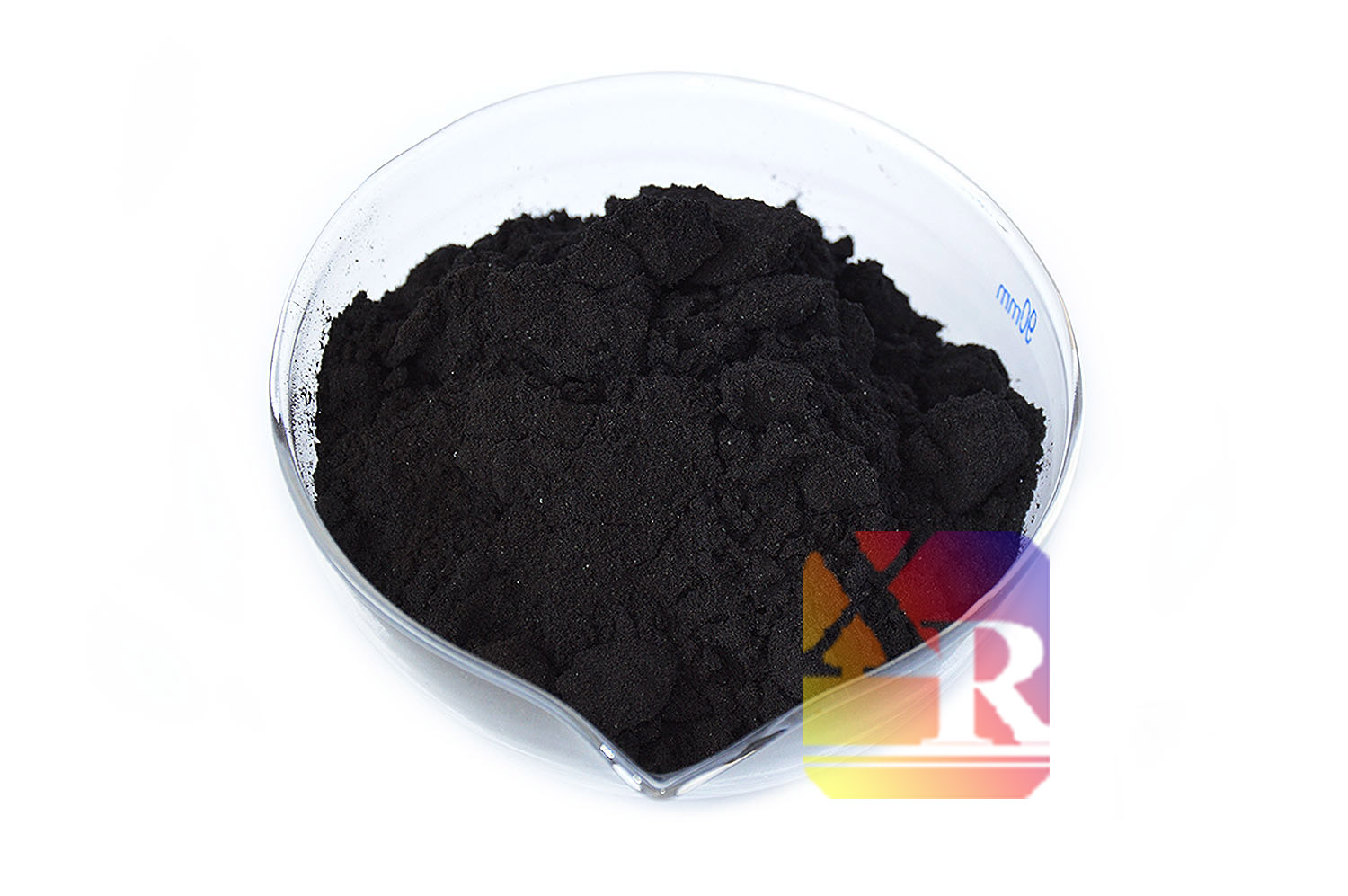
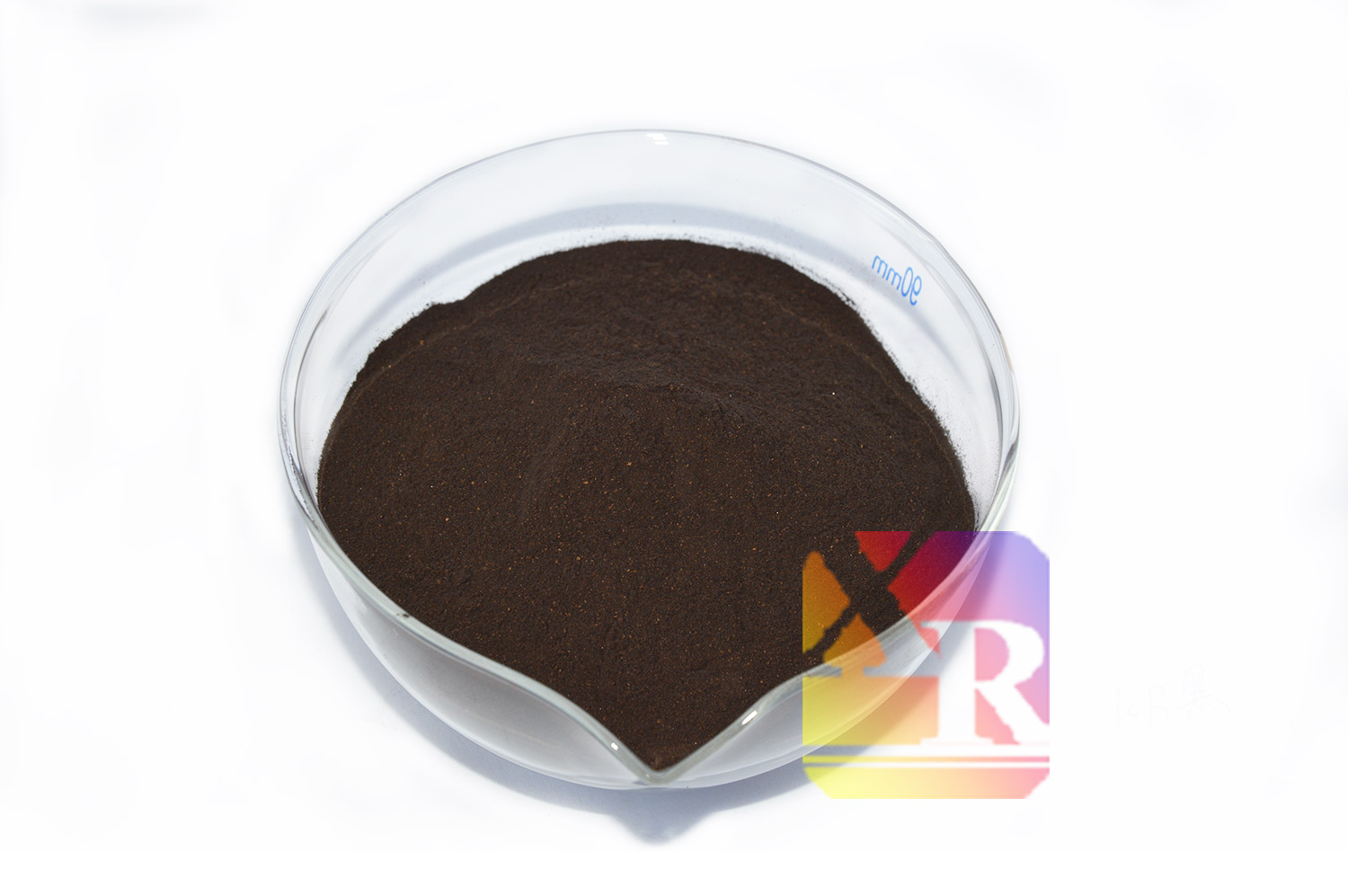
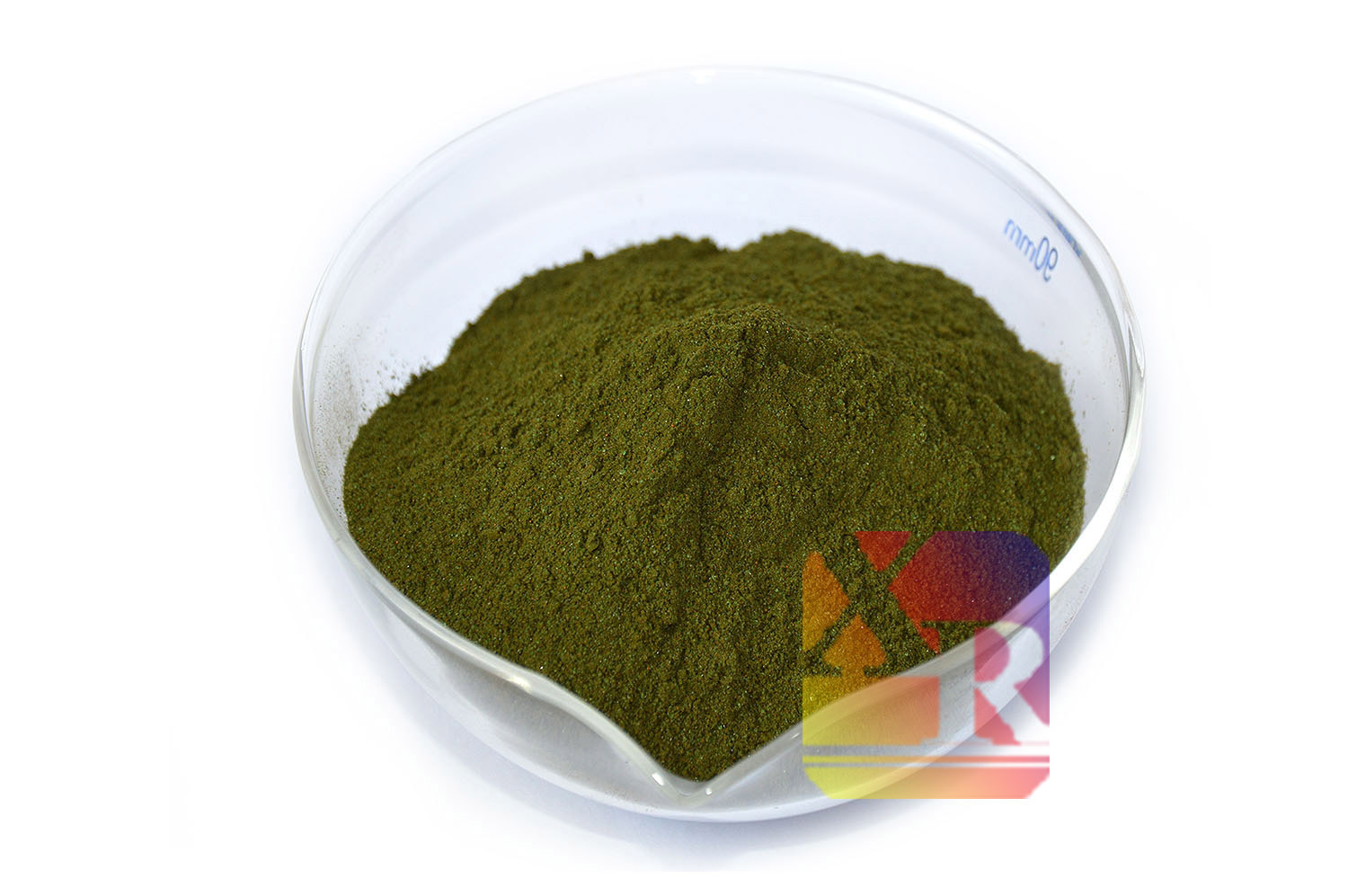
Fertilizer Dye Acid Light Green
Product Characteristics
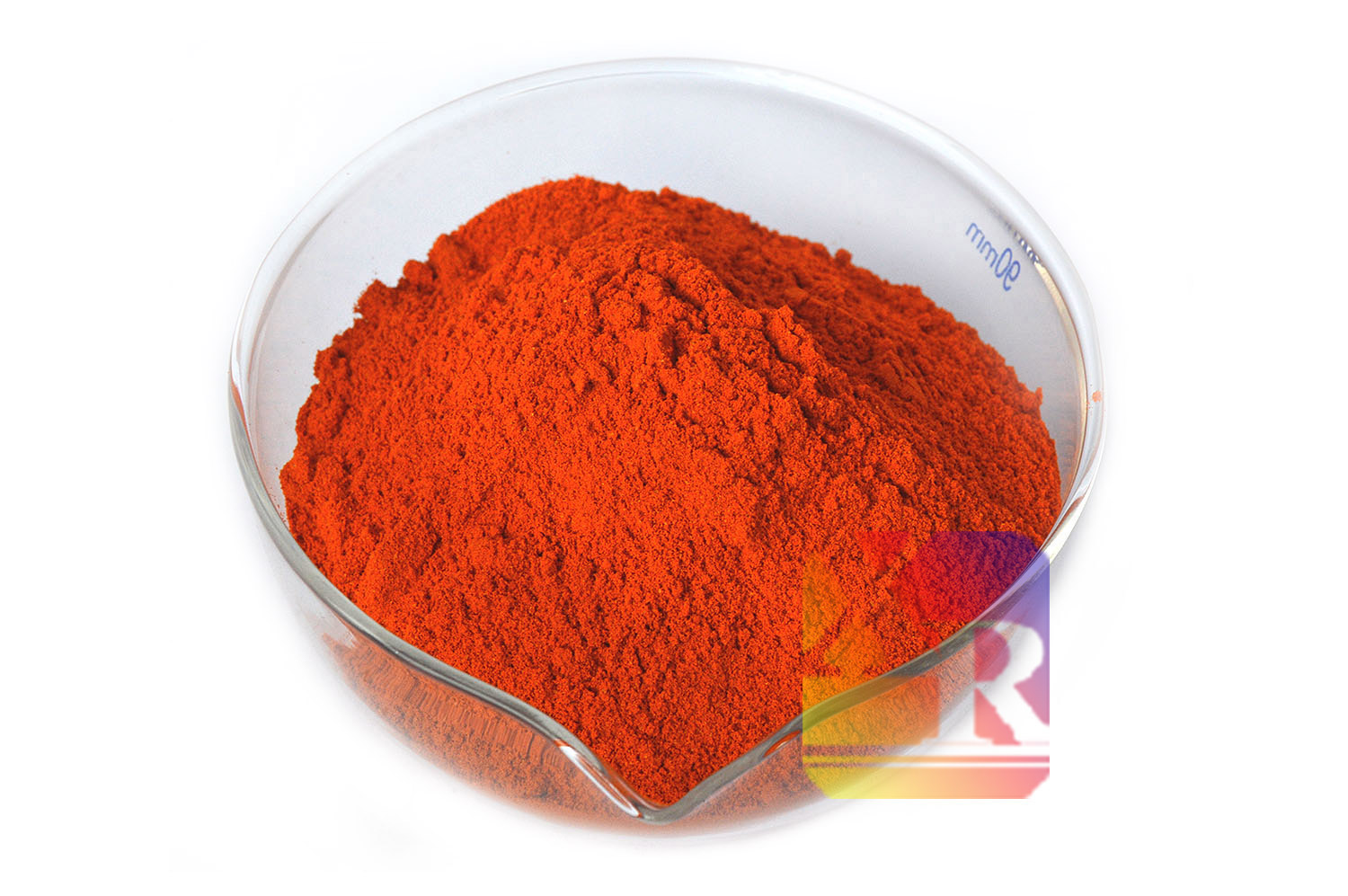
Acid Light Green is an anionic water-soluble acid dye.
Basic Physicochemical Properties
1.Water Solubility: Acid Light Green dissolves easily in both cold and hot water, with faster dissolution in hot water, making it suitable for preparing aqueous master solutions. It is recommended to dissolve in soft water; hard water may cause color spots or slight flocculation.
2.Organic Solvents: Slightly soluble in ethanol; insoluble in acetone, benzene, and other oily solvents.
3.Acid-Base Stability
In acidic conditions: Acid Light Green exhibits excellent lightfastness and is suitable for acid dyeing baths.
In strongly alkaline conditions: Color hue shifts and precipitation occurs; therefore, it should not be used in high pH alkaline systems.
4.Metal Ion Sensitivity: Copper and iron ions can easily cause darkening or graying of the color. Stainless steel is recommended for dye vats and conveying pipes; cast iron and copper equipment are prohibited.
Dyeing Performance and Fastness Parameters (on Wool Substrate)
Recommended Dyeing Conditions
Optimal dyeing pH: 3.5–5.0, using acetic acid–sulfuric acid bath
Dyeing temperature: 90–98°C
Leveling performance: 3–4 grade, good leveling effect; less prone to uneven coloring in light shades; addition of acid leveling agents is recommended to enhance stability.
Discharge performance: Moderate (depends on selected yellow and blue single-component dyes).
Conventional Fastness Ratings (standard depth, light green shade):
Lightfastness: 3–4 grade
Washing fastness: 3–4 grade
Perspiration fastness: 3–4 grade
Dry rubbing fastness: 4 grade; Wet rubbing fastness: 3 grade
Key Points for Textile Dyeing Standards
1.Wool Dyeing: Start dyeing at 40°C, use sodium sulfate as a leveling agent, slowly raise temperature to 95–98°C and hold for 40–60 minutes. For light green shades, reduce dye dosage and strictly control heating rate to prevent inconsistent uptake of yellow and blue components leading to hue deviation.
2.Silk Dyeing: Use acetic acid bath with pH 4.0–4.5, dyeing temperature 85–90°C; minimize strong acids to preserve silk fiber luster.
3.Nylon: Excellent even and full color development under acidic conditions; suitable for direct printing on nylon fabrics.
Application Areas
1.Textile Printing & Dyeing
Wool, cashmere, silk, nylon fabrics, yarns, and rovings; primarily used for light, tender green and grass-green shades; also compatible with blending to adjust yellow-green or blue-green hues.
2.Industrial Coloring
Leather: Water dyeing of shoe uppers and apparel leathers; ideal for light green effects.
Paper: Decorative paper, craft paper, handmade paper coloring.
Water-based Inks: Fountain pen inks, water-based marker dyes; Acid Light Green offers excellent water solubility. When blending dyes, monitor storage stability—long-term storage may lead to slight phase separation or hue shift.
Detailed Advantages and Disadvantages
Advantages
1.Acid Light Green delivers bright, soft, and fresh green tones, especially suitable for producing delicate light greens with just one dye, eliminating the need for on-site mixing; ensures uniform coloration.
2.Excellent water solubility and rapid dissolution, enabling convenient preparation of master solutions.
3.High compatibility when blended with other acid dyes for hue adjustment; readily available and cost-effective.
Disadvantages
1.Acid Light Green is a blend of yellow and blue components, which have different dyeing rates; rapid temperature rise during dyeing may result in head-tail color differences or hue drift.
2.Moderate lightfastness; unsuitable for products exposed to prolonged outdoor sunlight.
3.Sensitive to iron and copper ions; not resistant to strong alkalis.
4.Long-term storage stability in ink formulations is slightly lower compared to single-structure dyes.
Packaging, Storage & Transportation
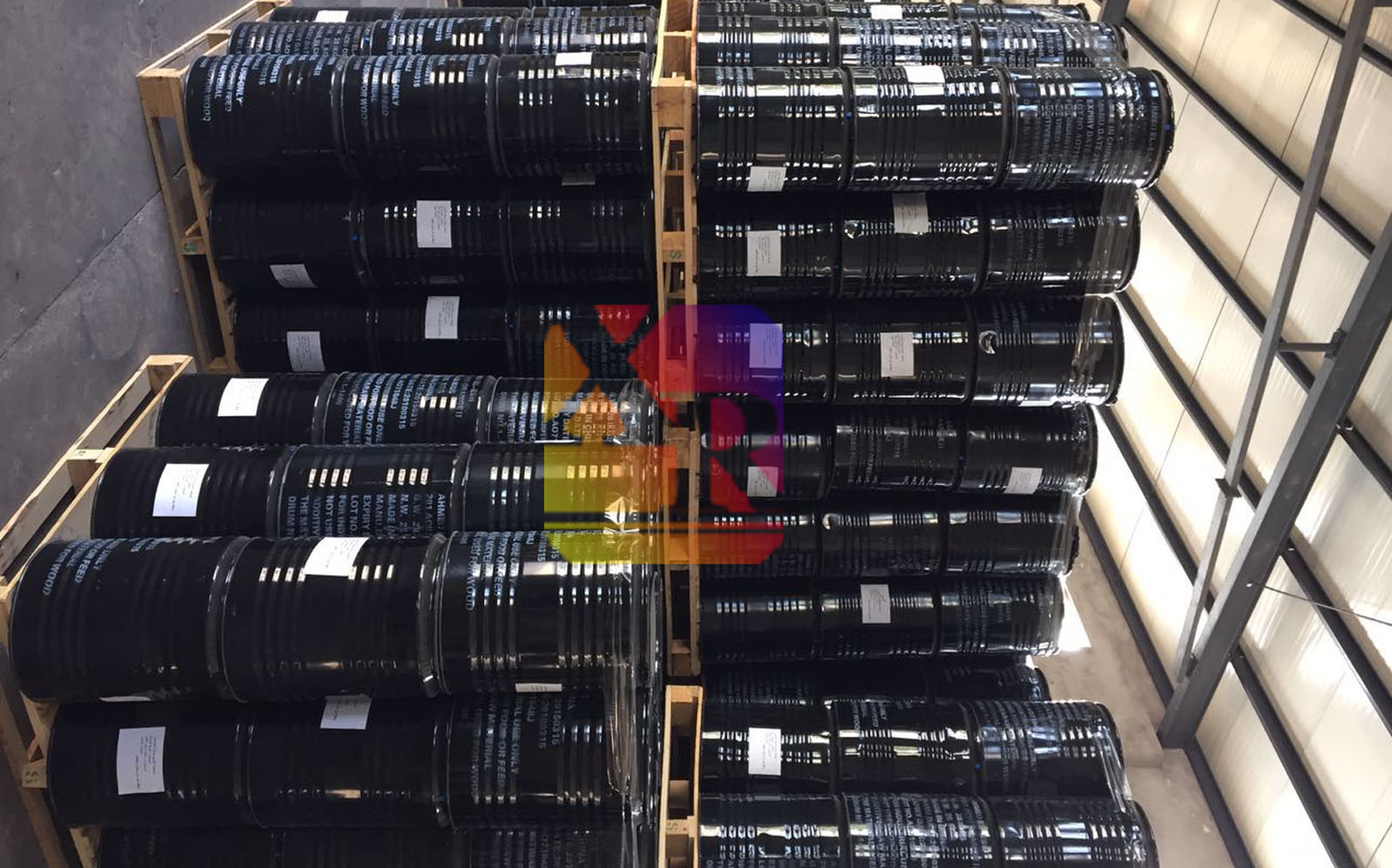
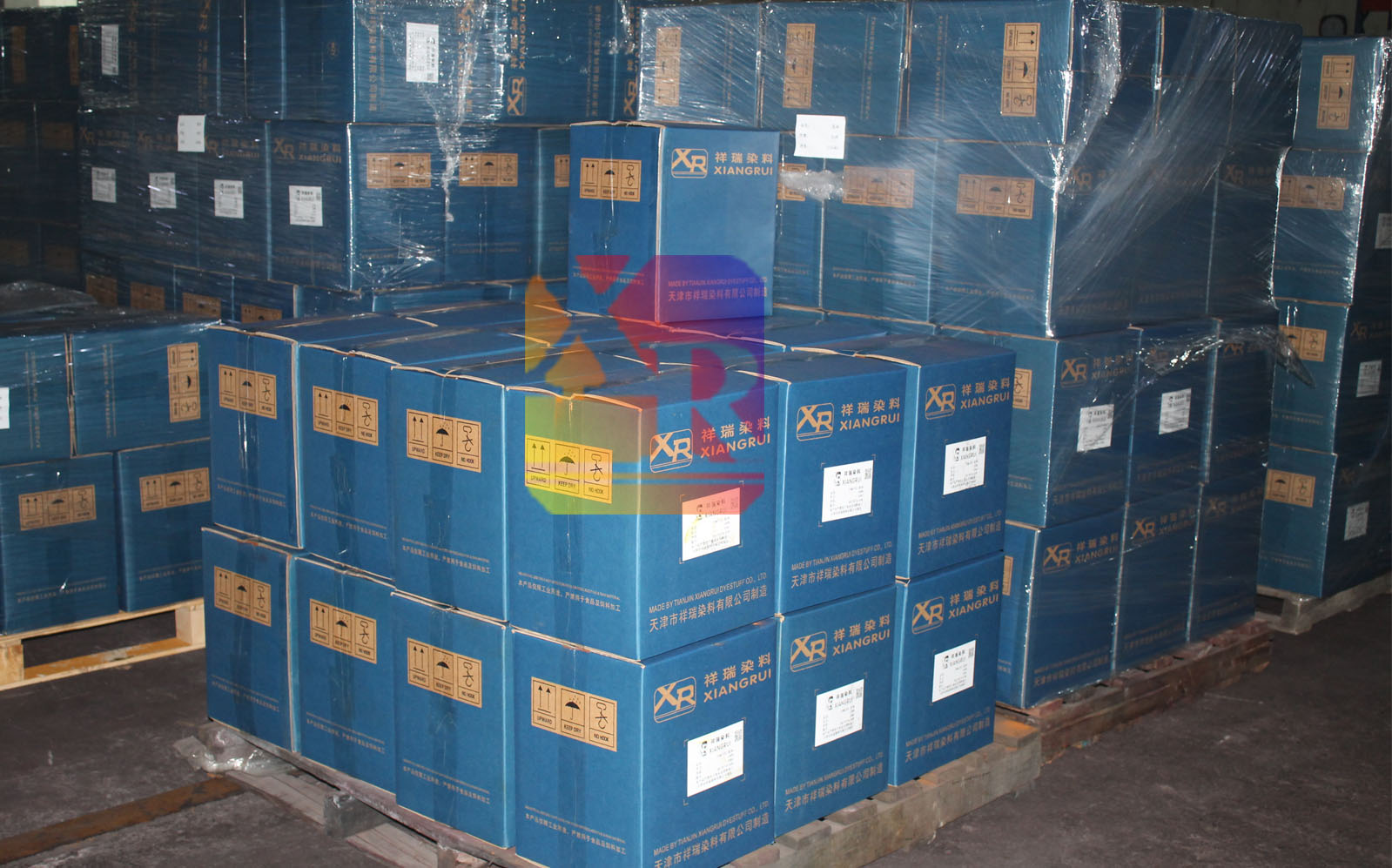
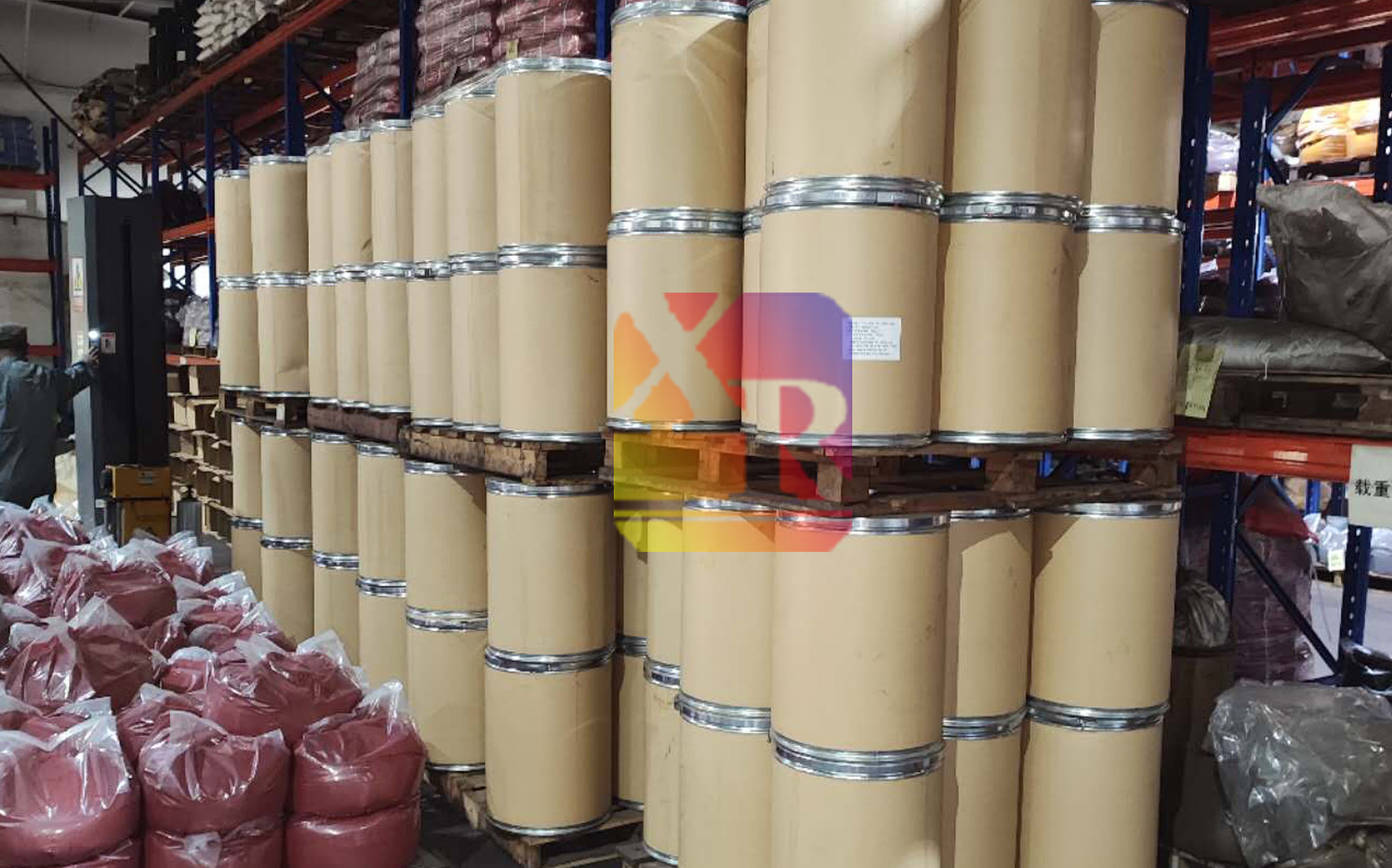
Standard package: 25kg woven bag / fibre drum. Store hermetically, keep dry. Do not store together with strong oxidants.