








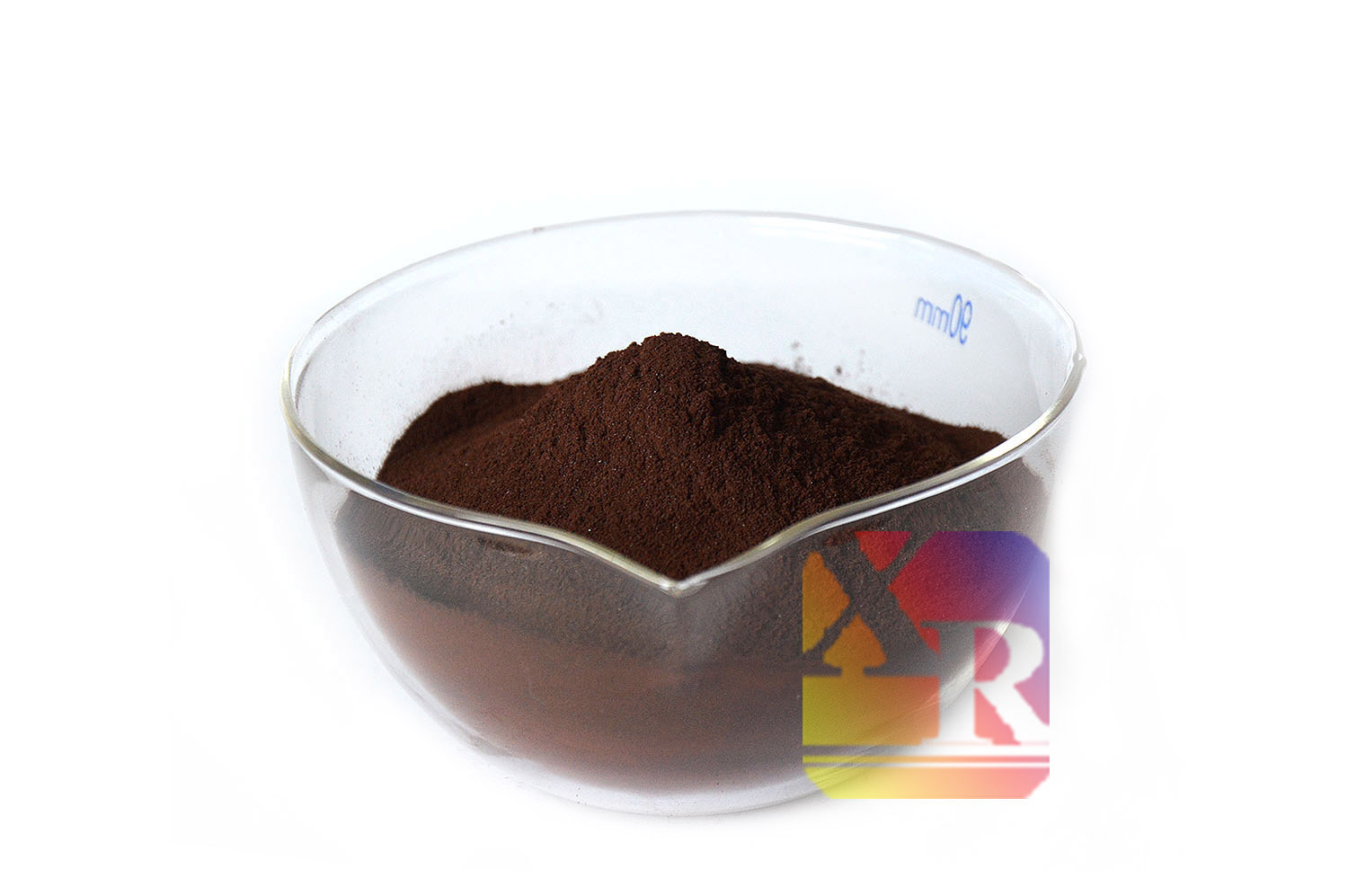
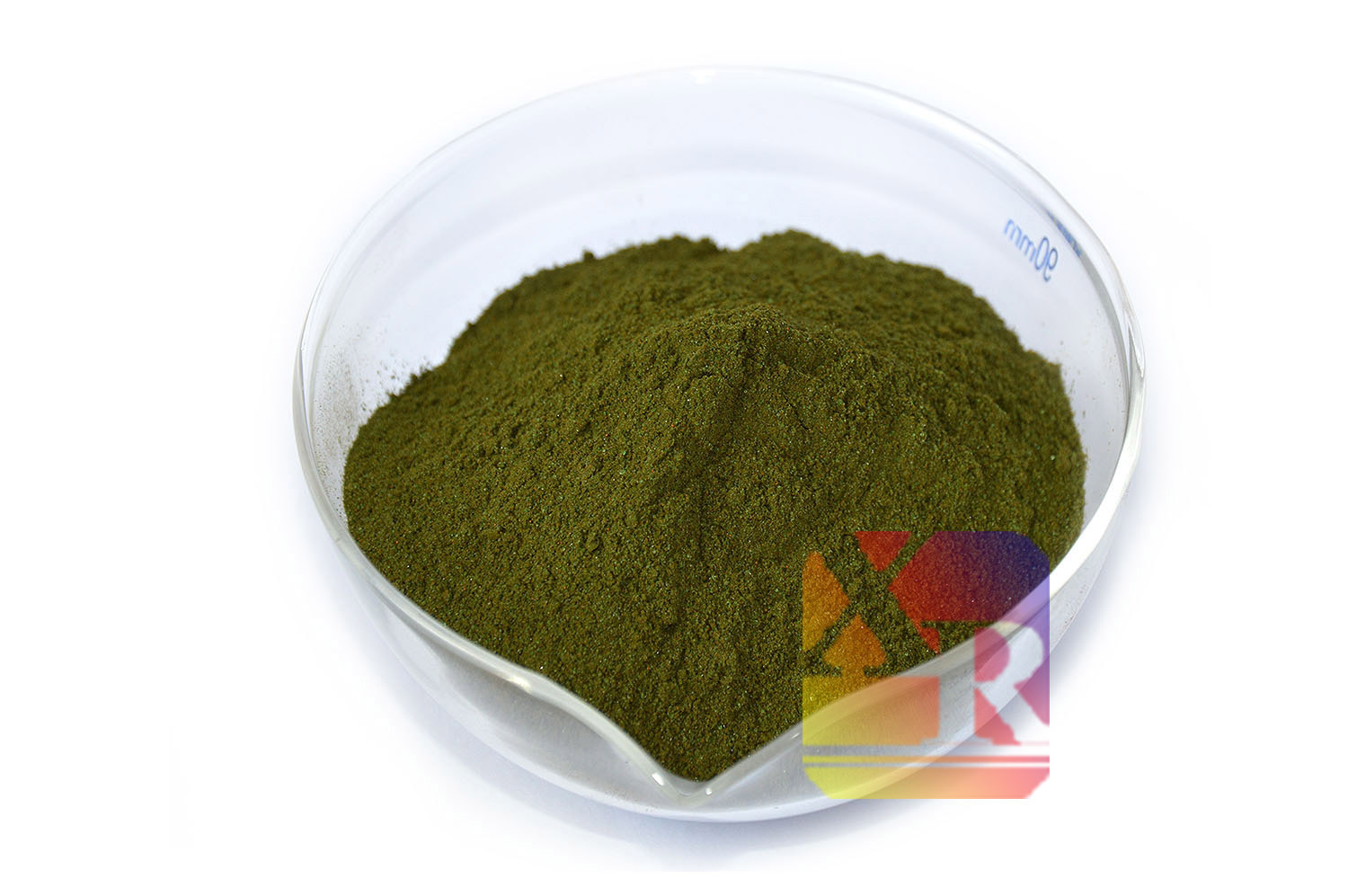
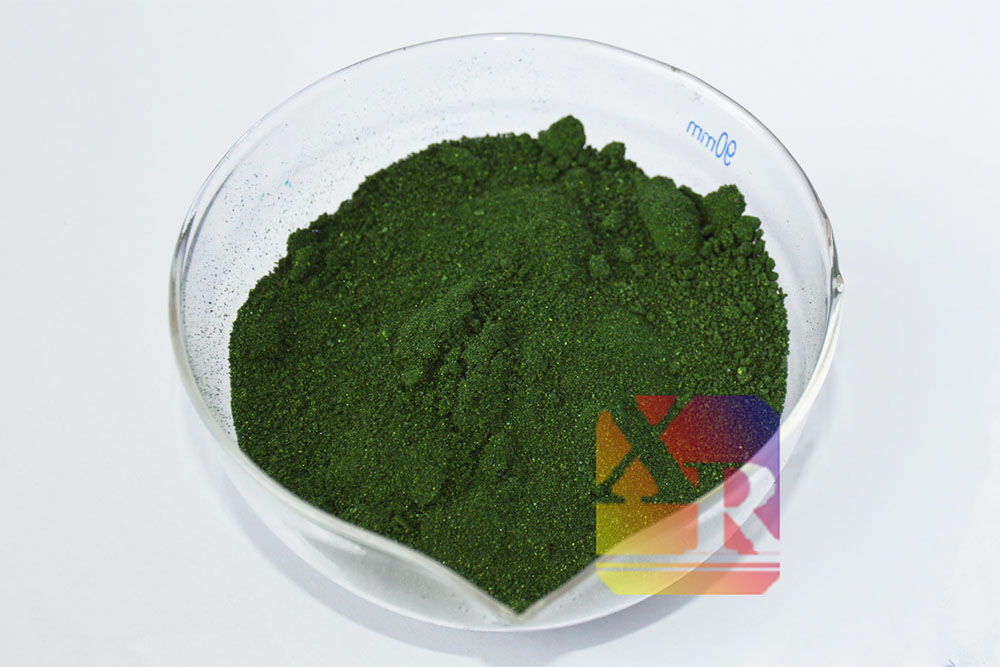
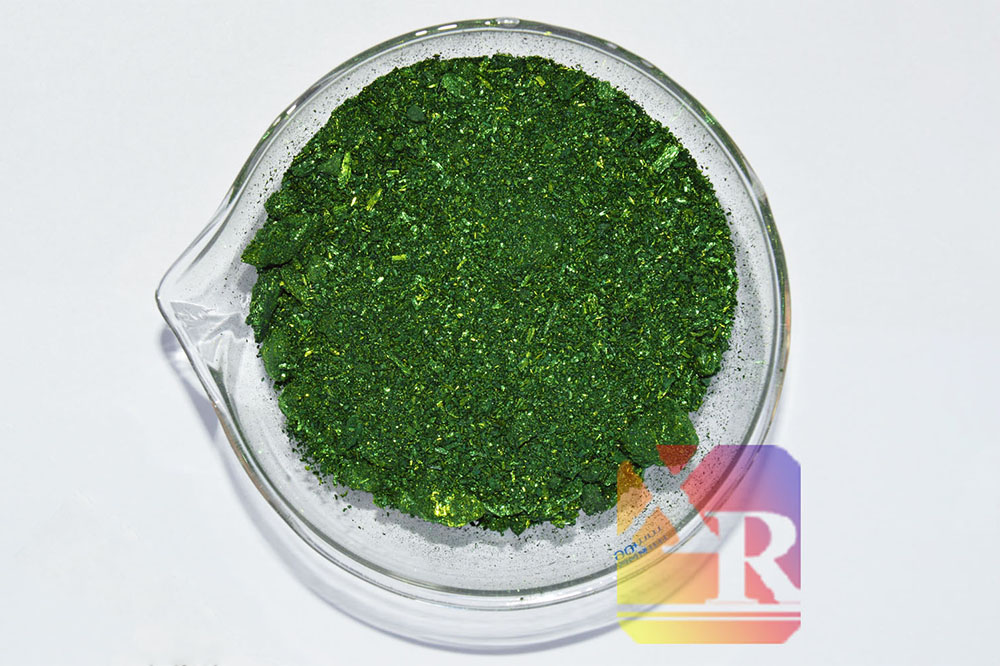
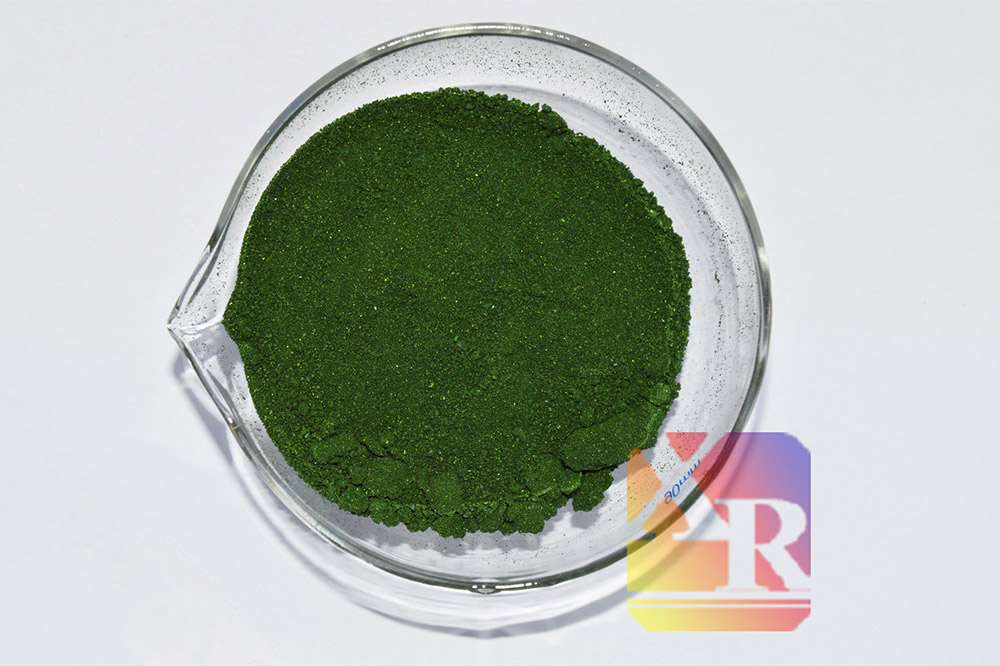
High-Quality Malachite Green (C.I. Basic Green 4) from China Suppliers and Factory - CAS 569-64-2
Introduction
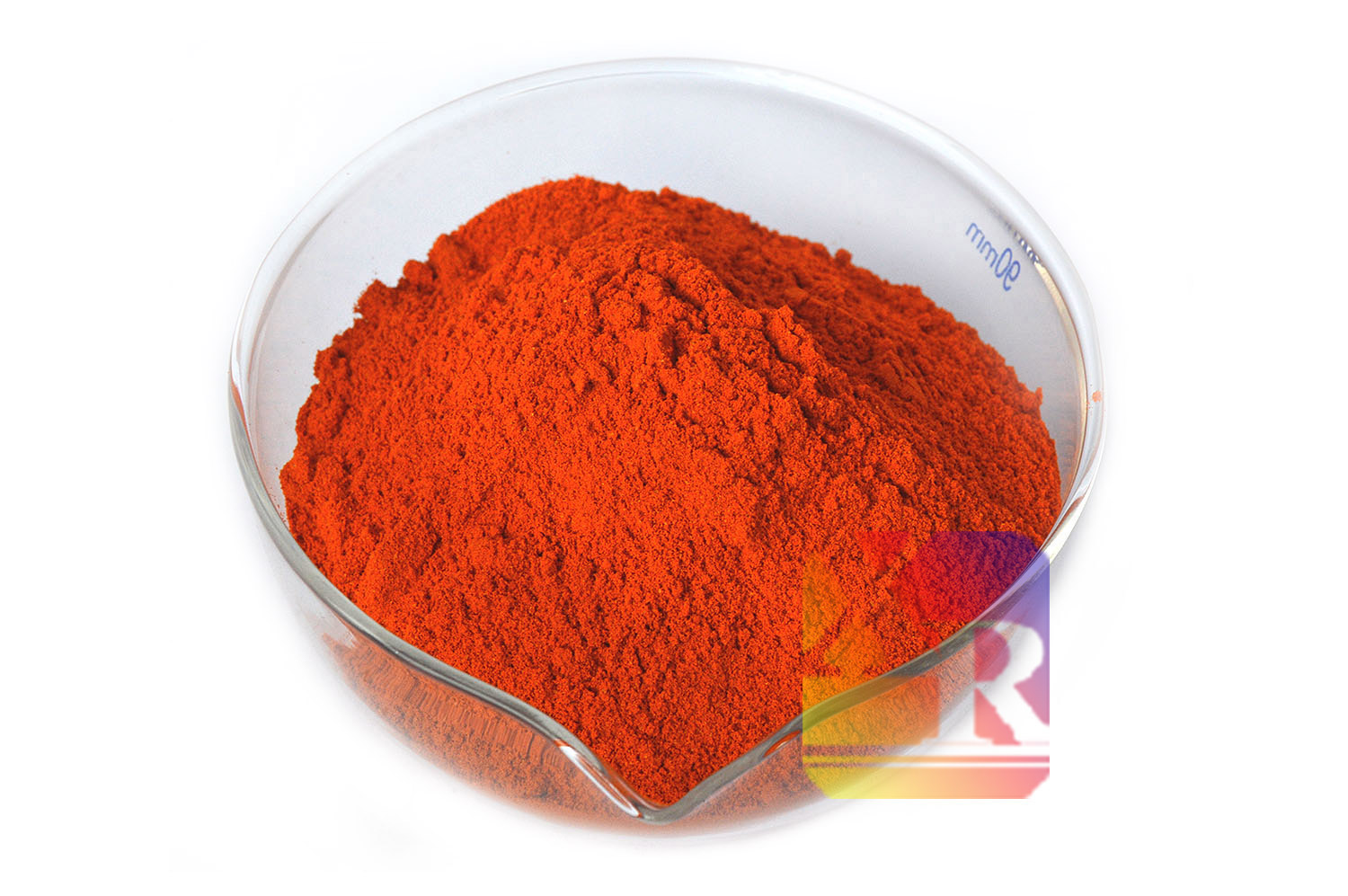
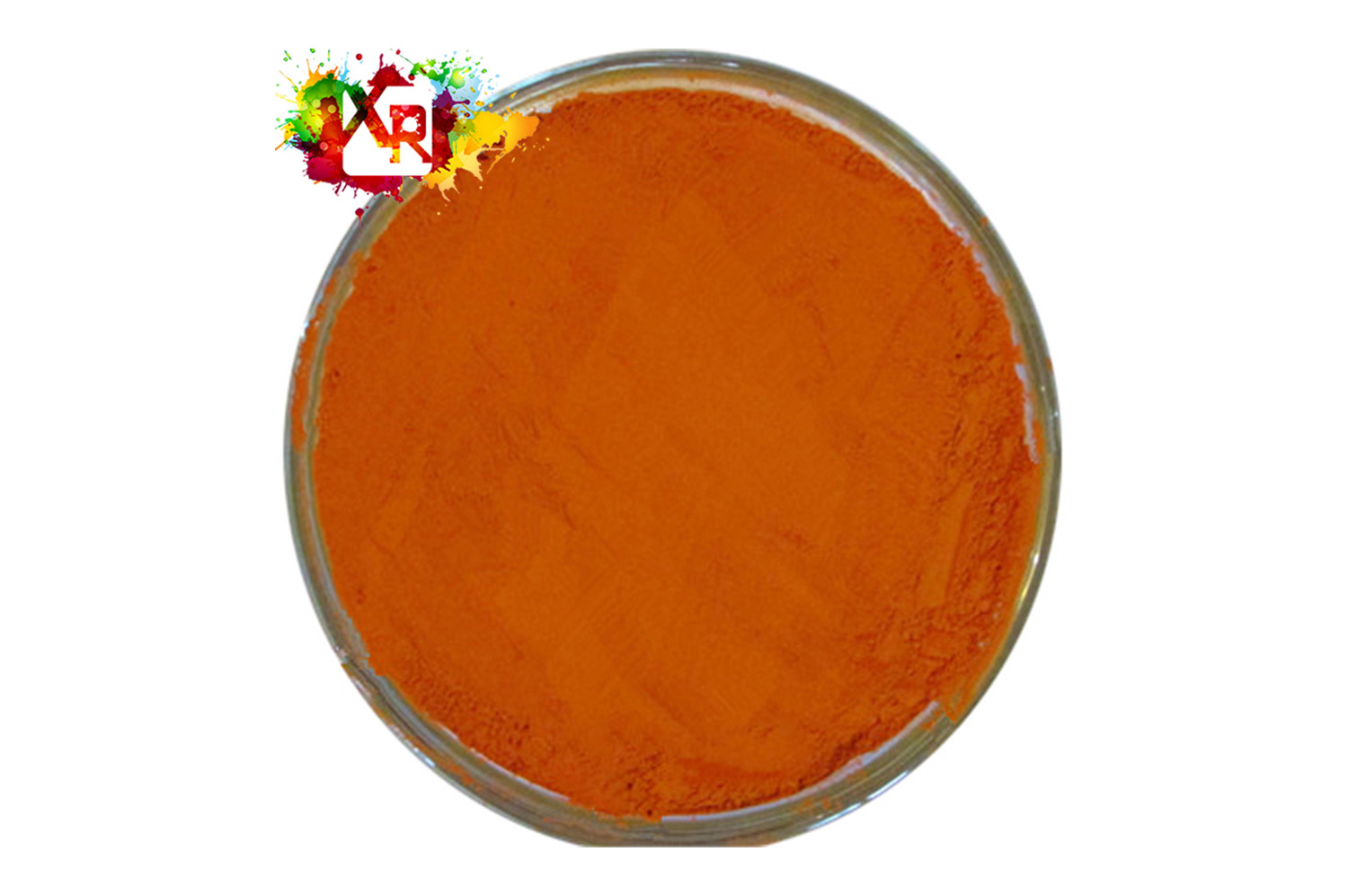
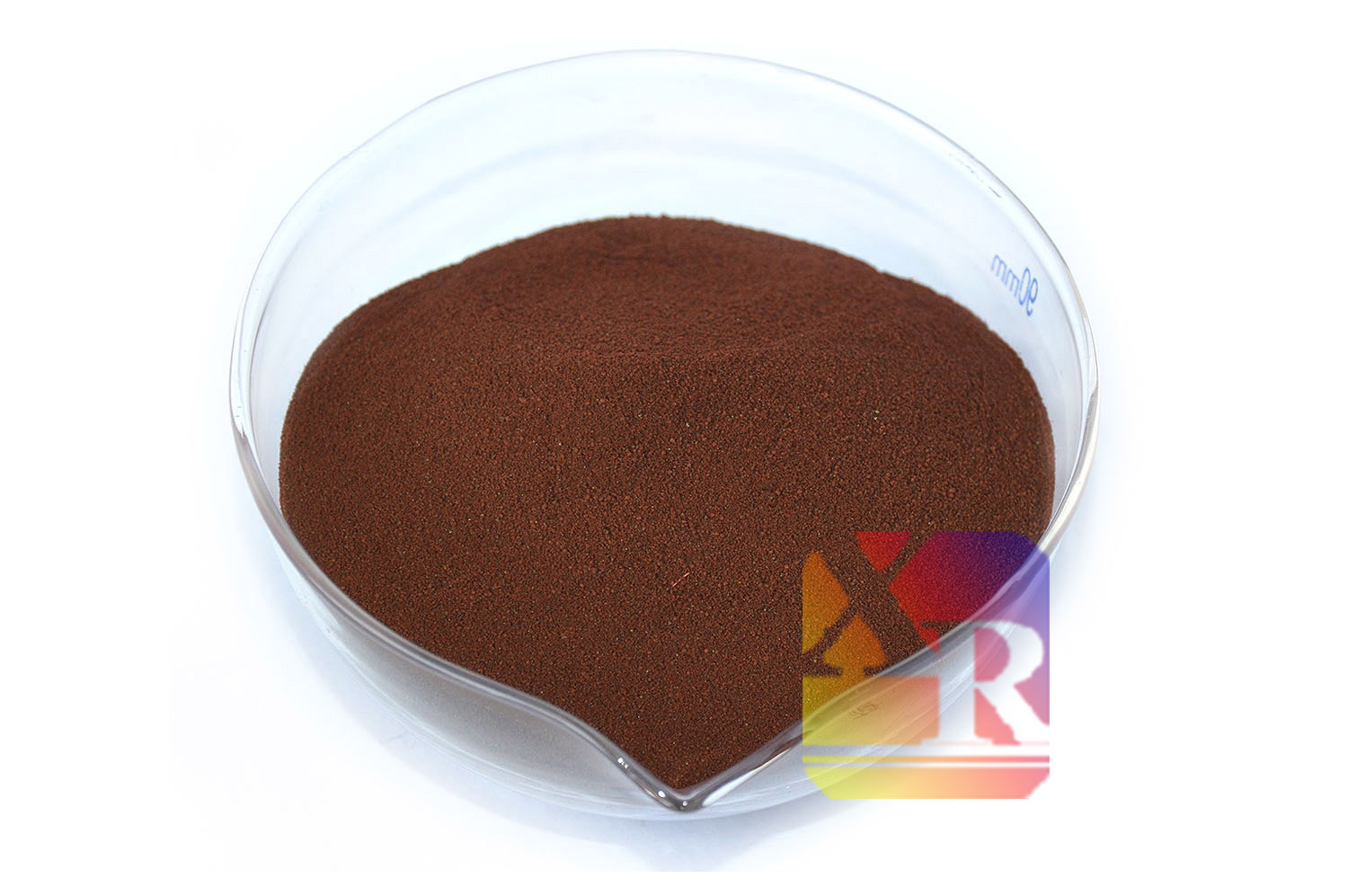
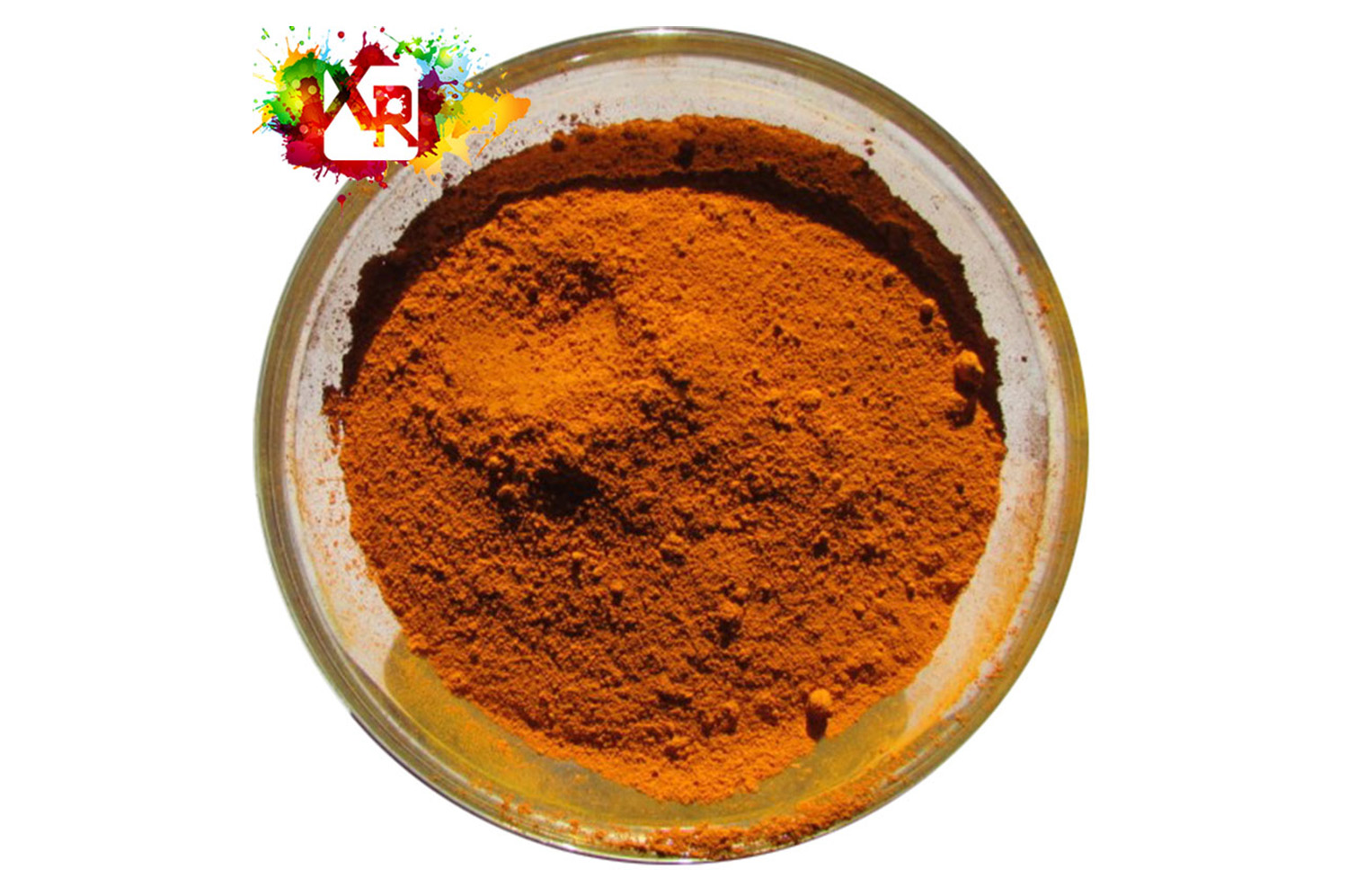
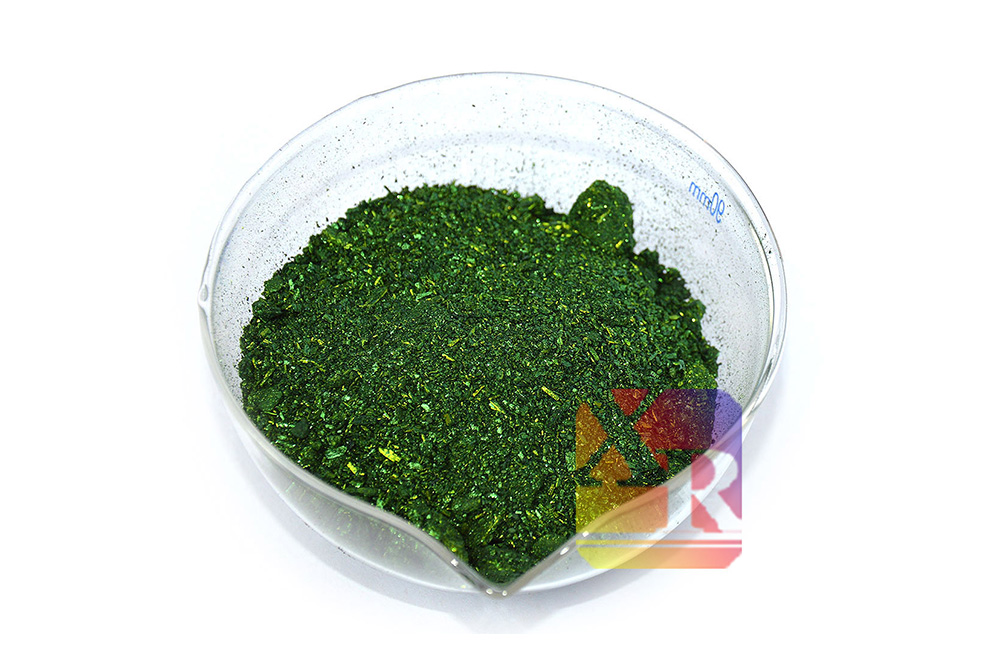
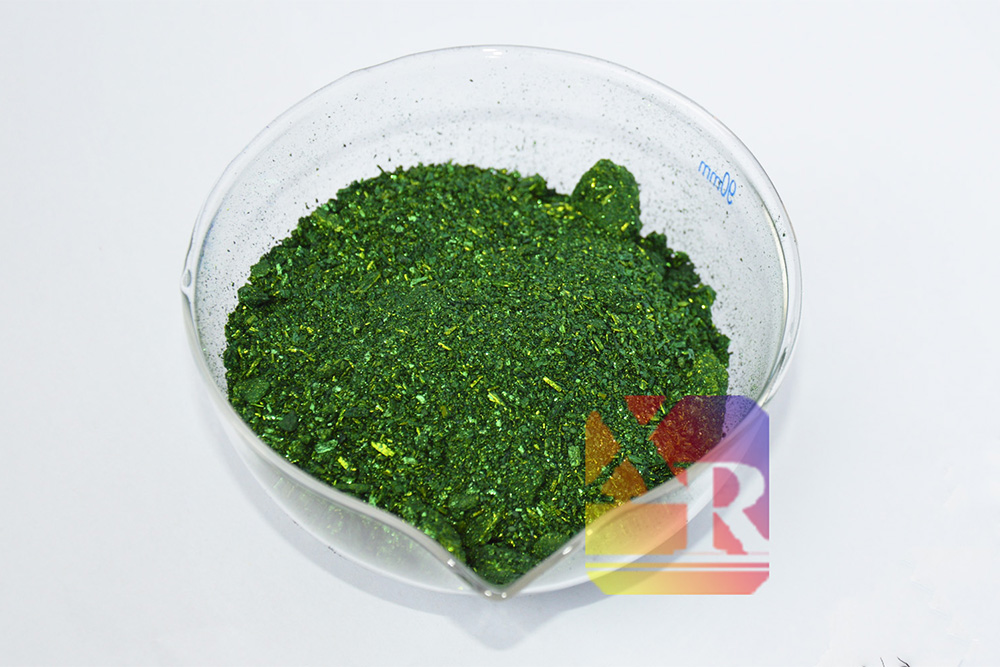
Basic Dye Malachite Green, also known as Basic Green 4, belongs to the family of triphenylmethane basic and cationic dyes.
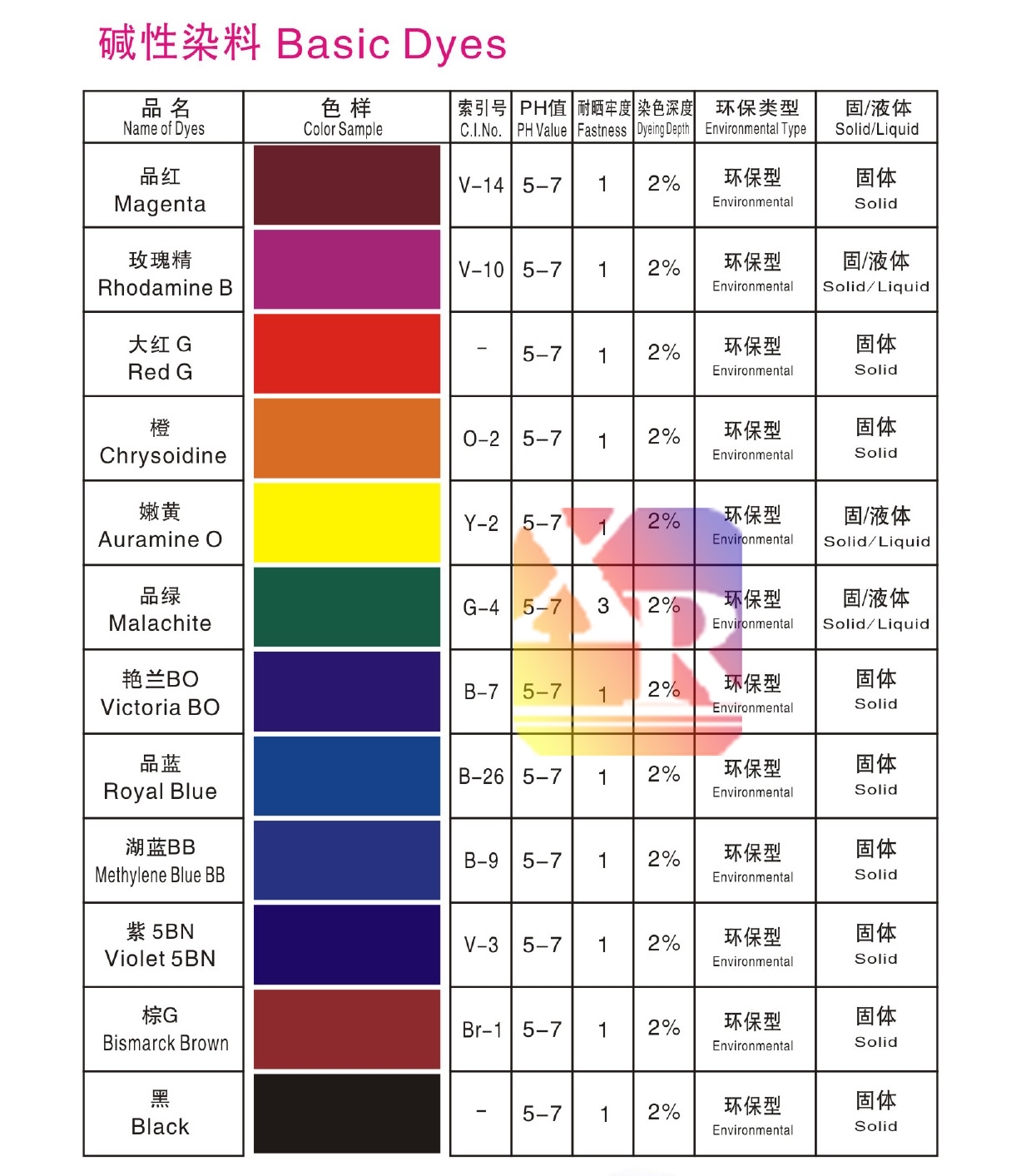
Main Characteristics
It appears yellow in concentrated sulfuric acid and turns dark orange after dilution; it is orange in concentrated nitric acid and turns orange-brown after dilution.
Soluble in water, highly soluble in ethanol, forming an intense blue-green solution color.
When sodium hydroxide is added to its aqueous solution, a distinctive white precipitate with green fluorescence is formed.
Stable shade at high temperature (120°C); delivers high light fastness of grade 4–5 on acrylic fiber.
Legal Industrial Applications
Textile Printing and Dyeing
Exhibits strong tinting power on natural fibers such as cotton, linen, and silk. Light fastness on acrylic and diacetate fibers reaches grade 4–5. Can be blended with basic fuchsin to produce an intense jet black shade.
Biological Stain
Serves as a crucial biological stain for staining cells or tissues blue-green for microscopic evaluation. Widely used in bacterial spore staining and colorimetric determination of serum phosphate concentration.
Other Industrial Uses
Utilized for coloring paper, paints, and inks. Acts as an acid-base pH indicator (yellow to green at pH 0–2; green to colorless at pH 11–13.5) and applied in photocatalysis degradation research.
Illegal Adulteration & Food Safety Risks
Due to its capability to brighten the color of inferior foods, Basic Malachite Green (Basic Green 4) has been frequently abused by illegal vendors.
- Dyed kelp: Illegally soaked into kelp to artificially produce a bright, fresh green appearance.
- Banned fishery drug: Illegally applied for fish disease treatment and preservation during aquaculture transit. Its persistent metabolite, Leucomalachite Green, is linked to increased risk of liver tumors in animal studies.
- Harm to aquatic products: Induces gill and skin inflammation in aquatic life, interferes with enzyme secretion, and creates long-term bioaccumulation that enters the human food chain.
- Other foods: Documented cases include illegal surface dyeing of soft-shelled turtles and other edible aquatic species.
Precautions
- As an industrial chemical dye, it is strictly prohibited from use in food processing, aquaculture, and pharmaceutical production.
- Prevent dust inhalation, skin contact, and eye exposure during handling; certified personal protective equipment (PPE) must be worn.
- Store in tightly sealed containers in a cool, ventilated, dry environment protected from moisture and humidity.
Summary: Basic Green 4 (Basic Malachite Green) is a potent industrial chemical dye with high toxicity. Any contact with food or aquaculture is strictly prohibited. For compliant industrial operations, strict safety protocols and standard protective measures must always be observed.