




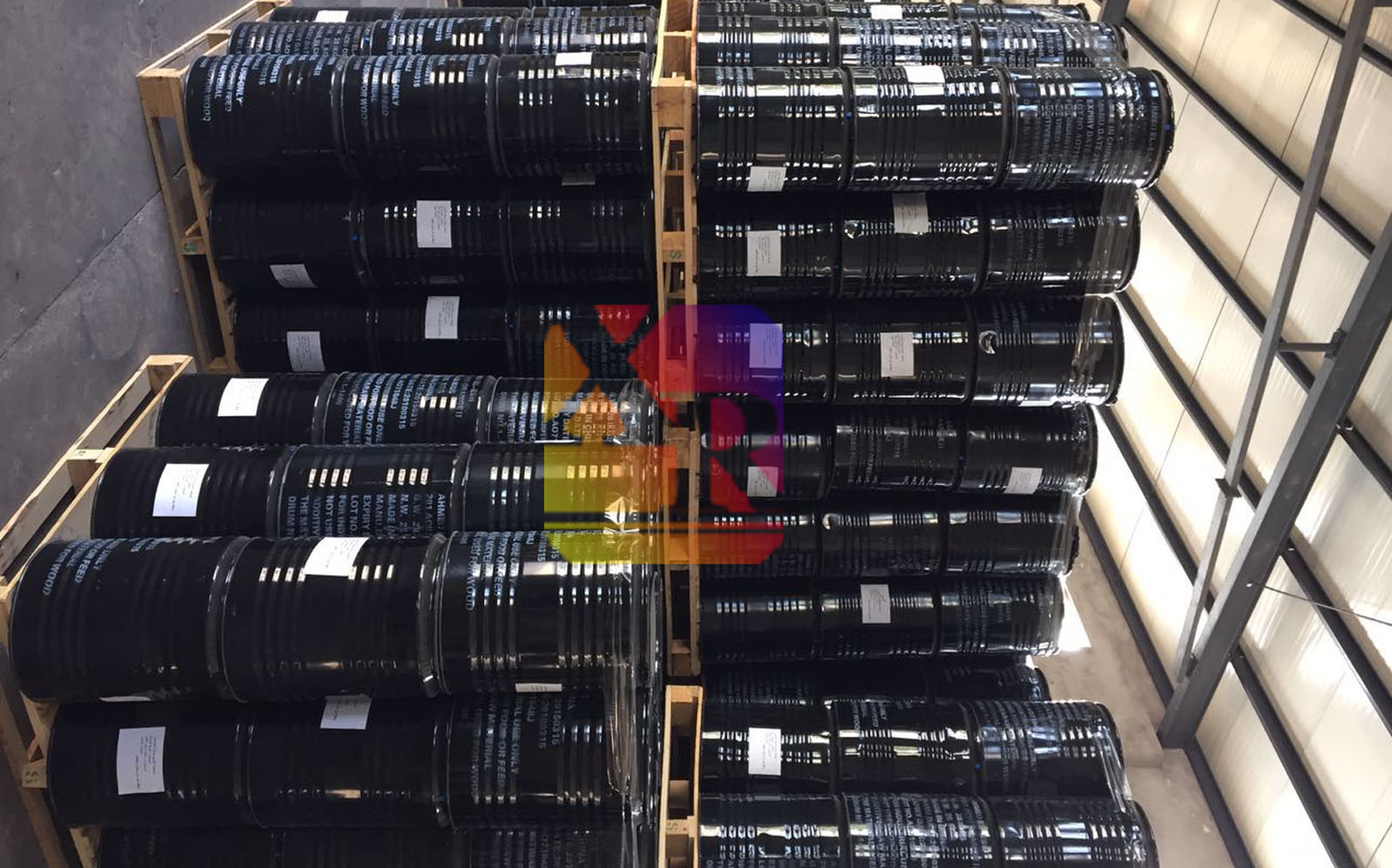
Leather Dye Acid Mordant Brown RH Acid Brown 33
Basic Information
Product Name: Acid Mordant Brown RH/Acid Brown 33
C.I. No.: Acid Brown 33
CAS No.: 3618-62-0
Chemical Formula: C12H10N5NaO6S
Molecular Weight: 375.293
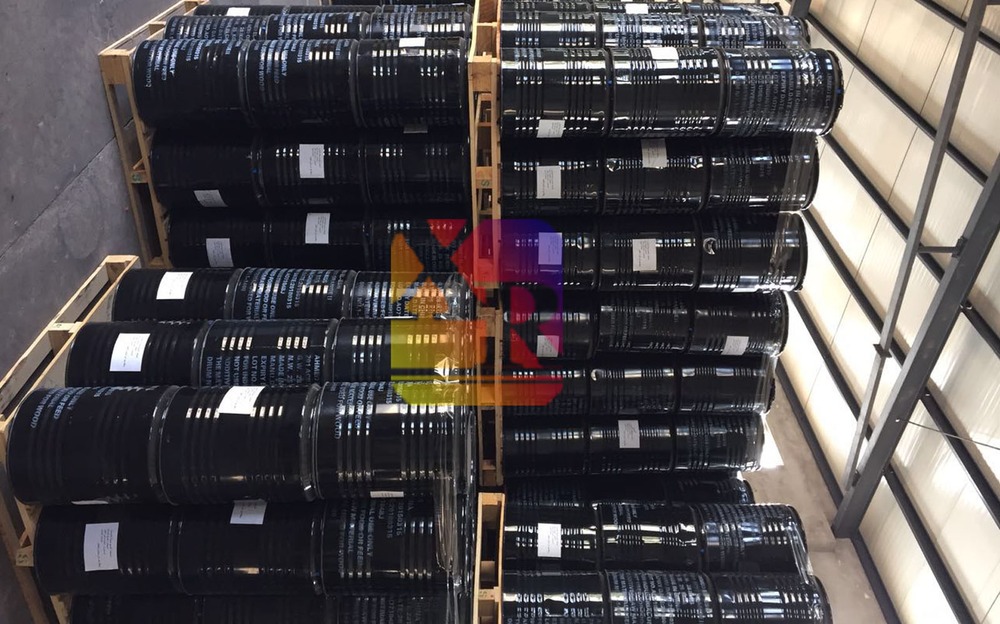
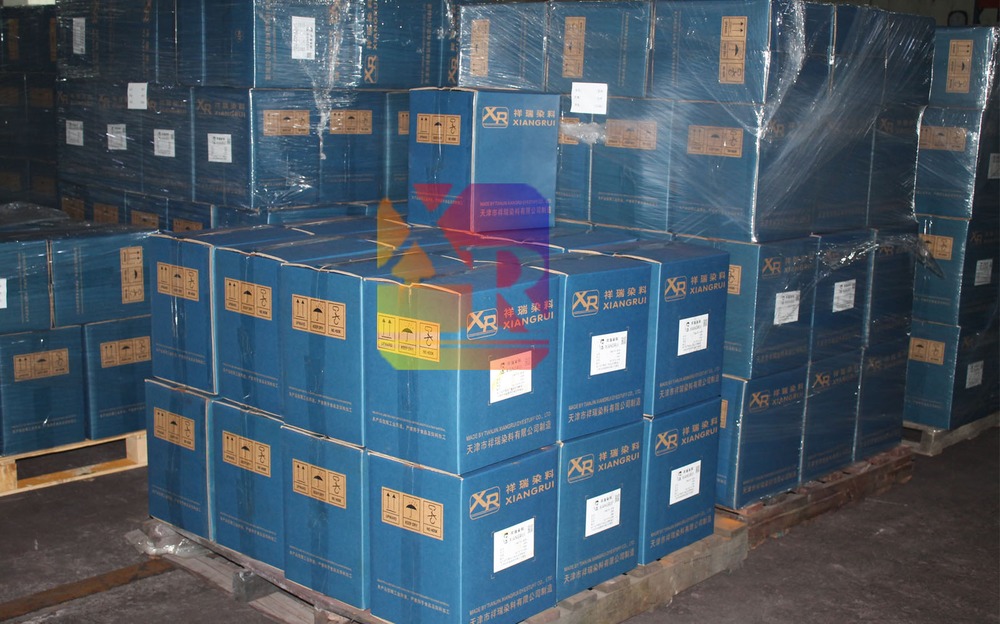
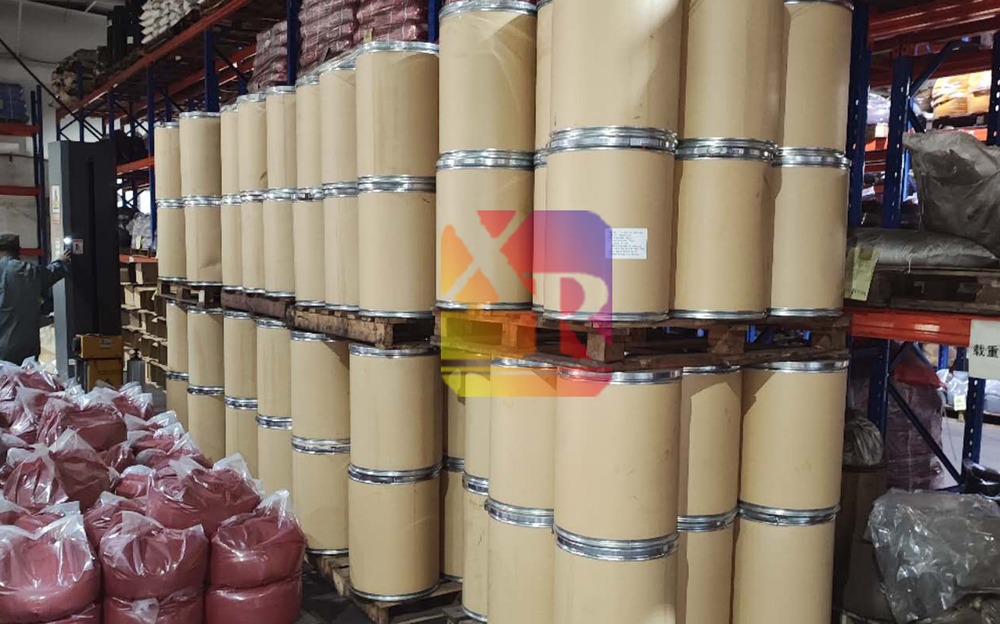
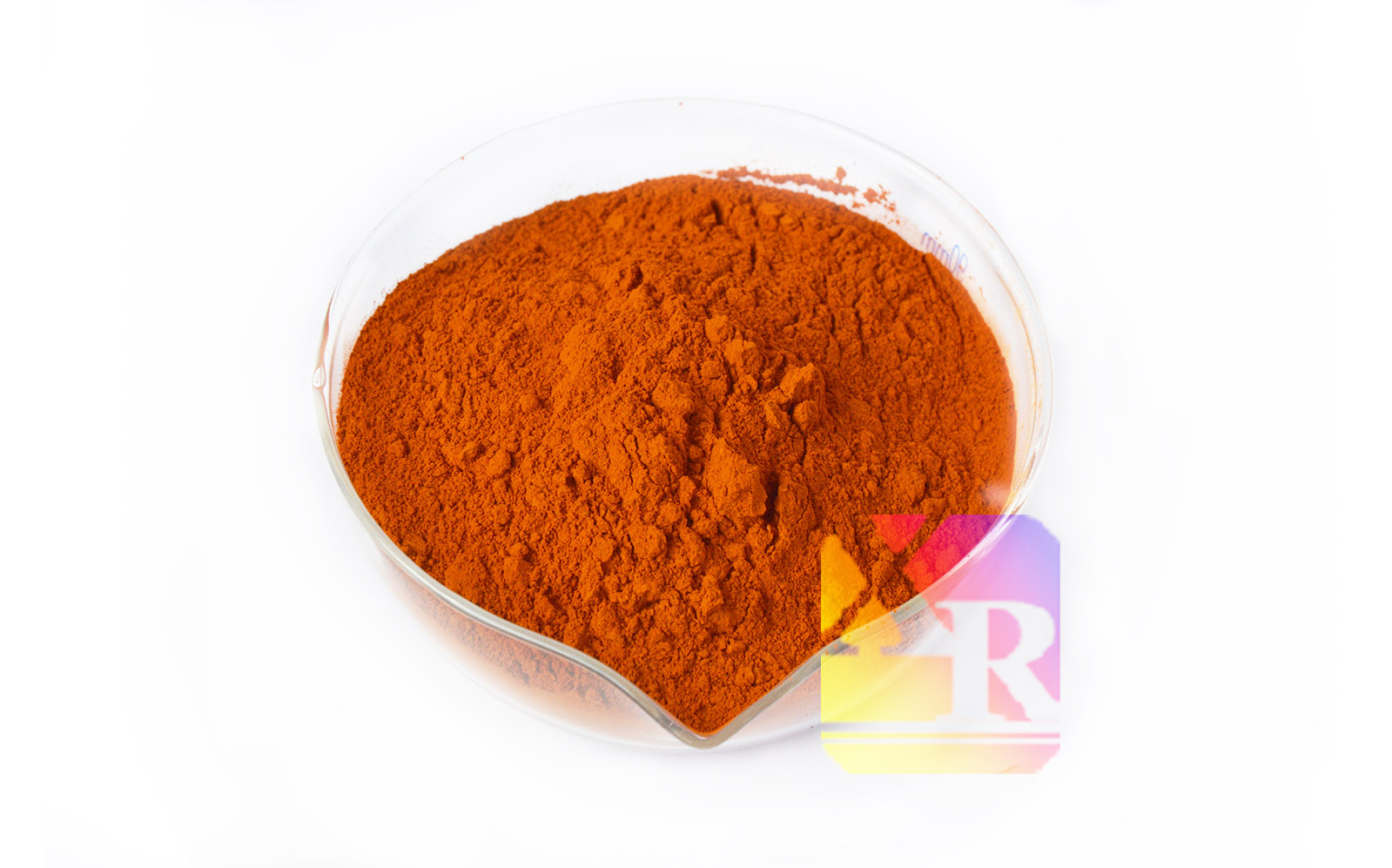
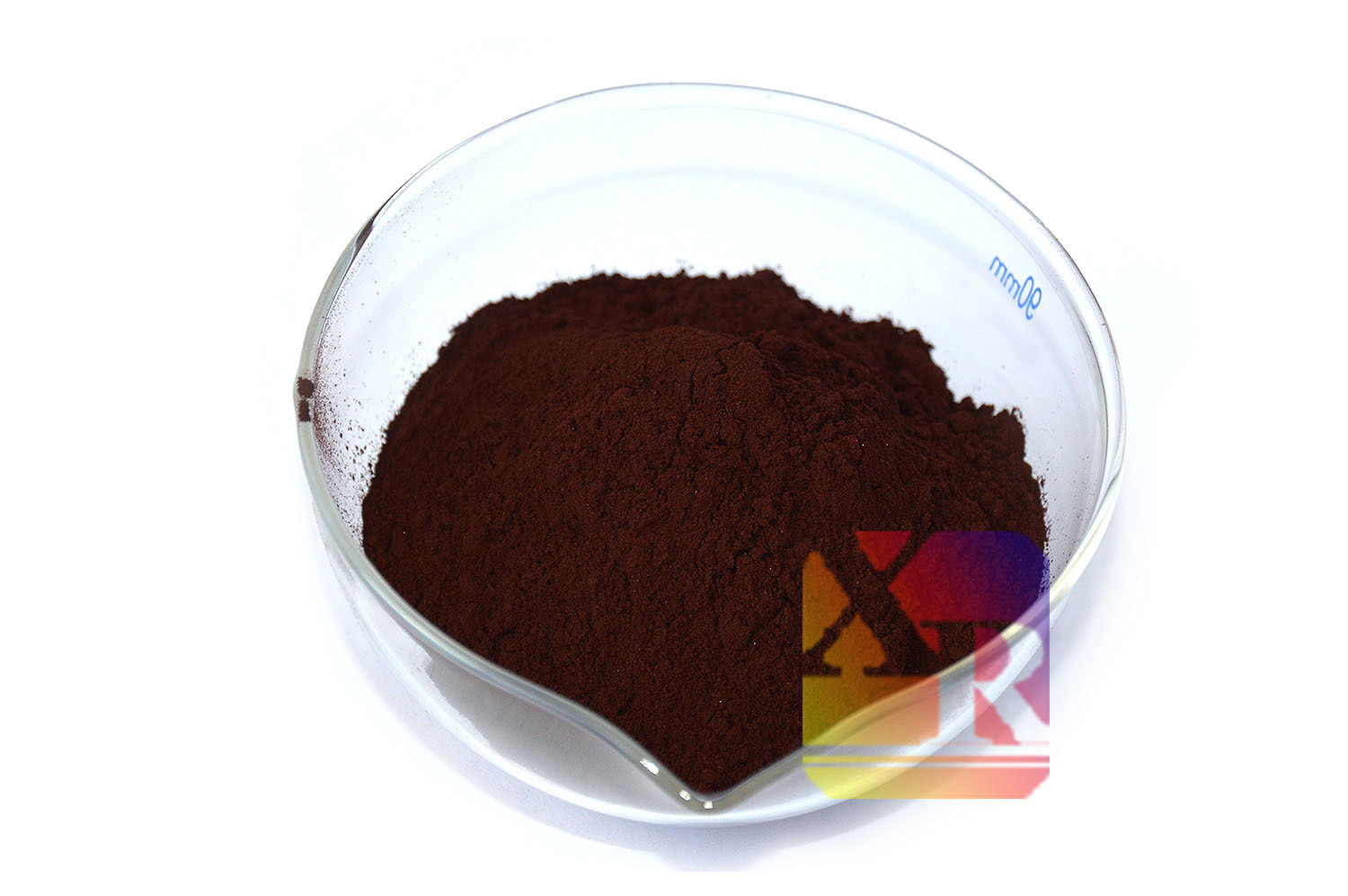
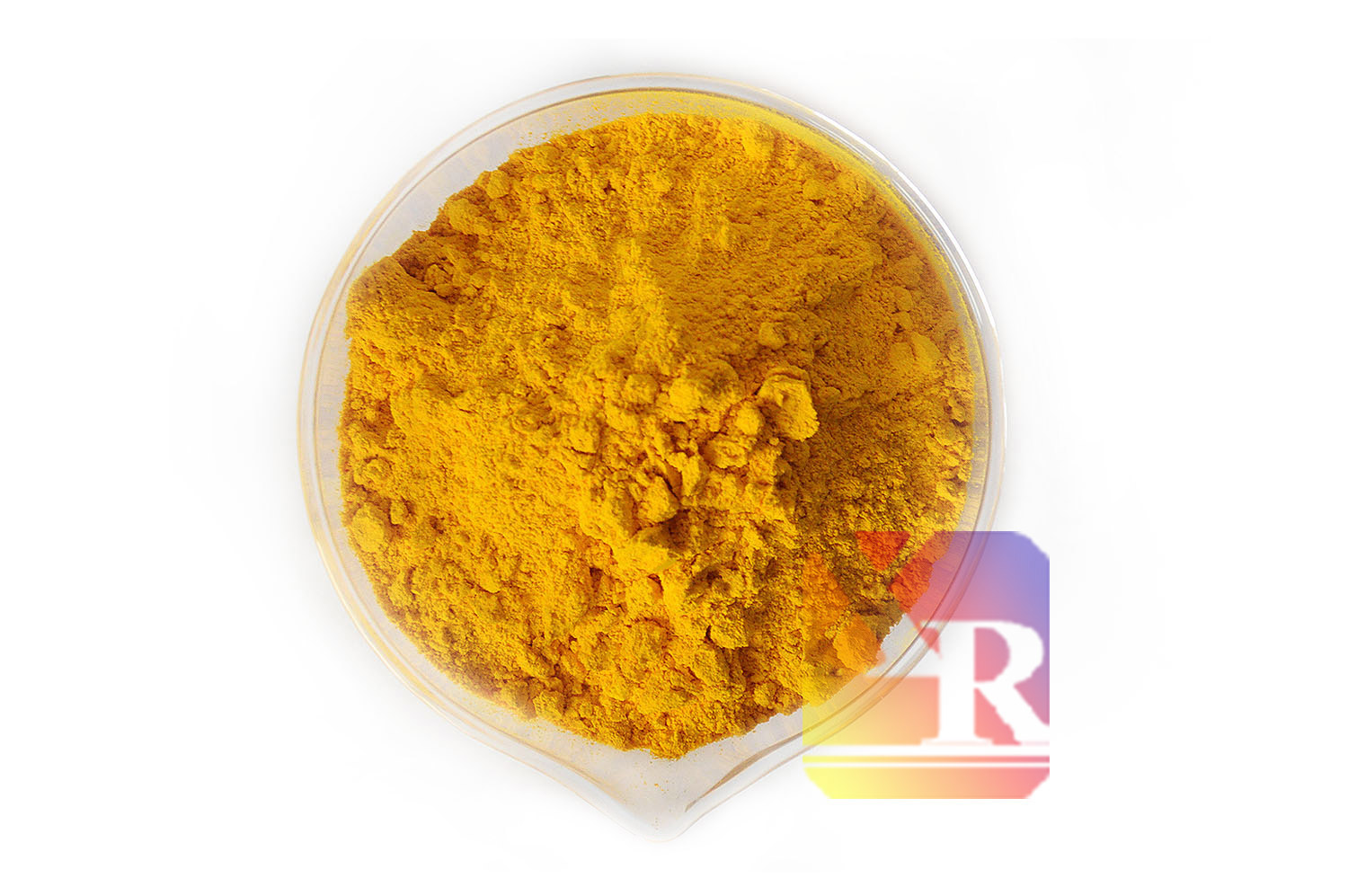
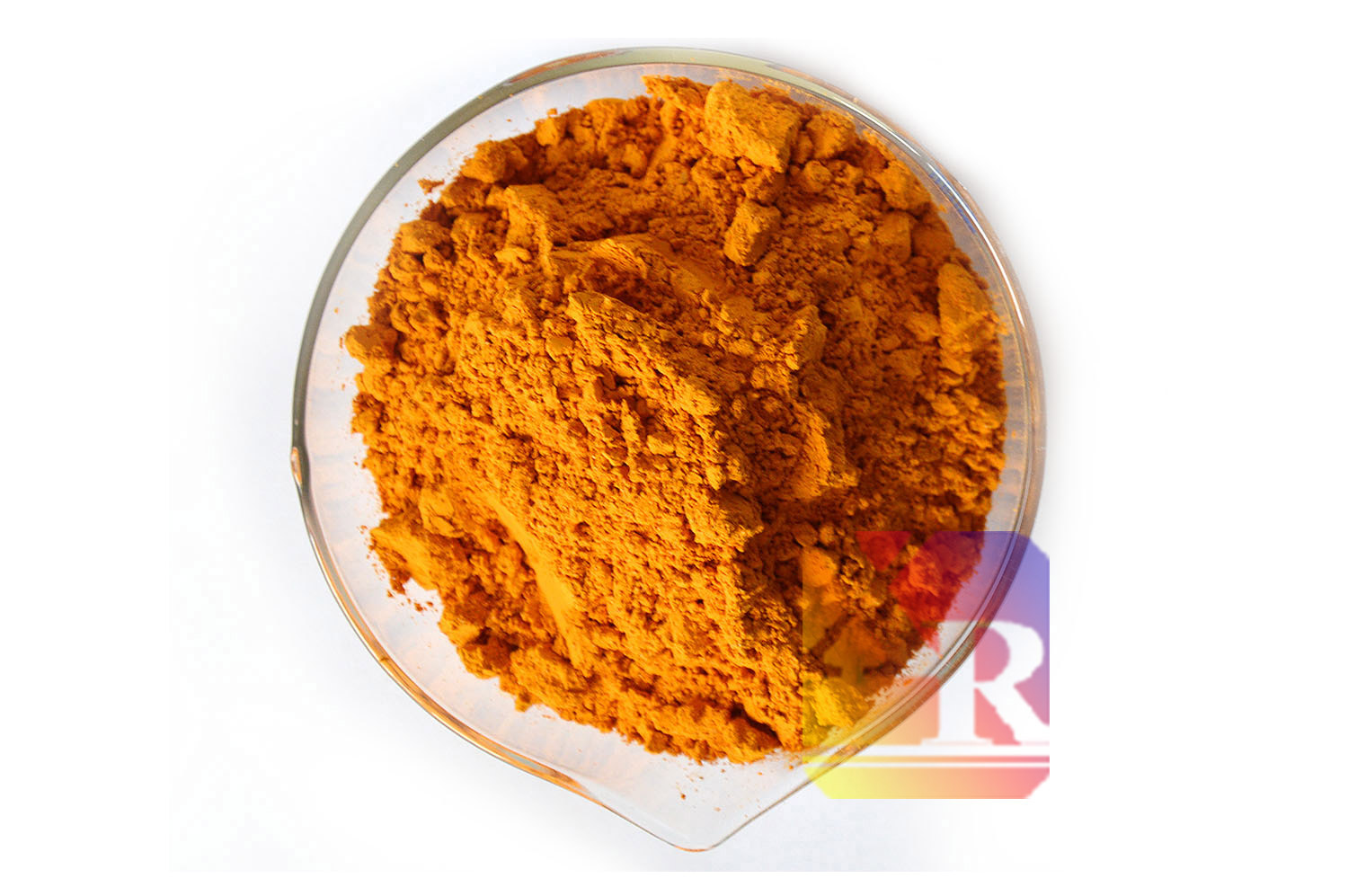
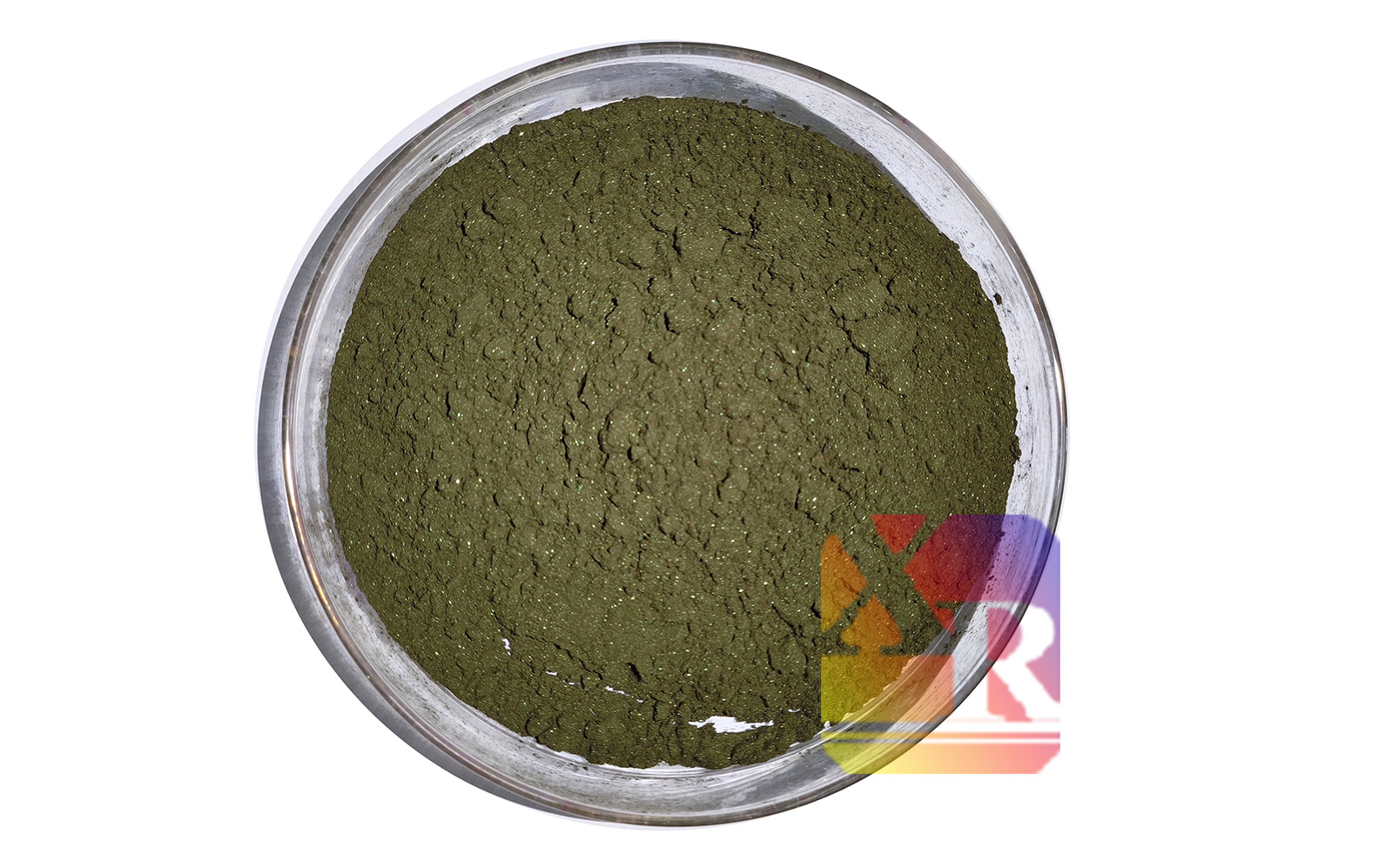
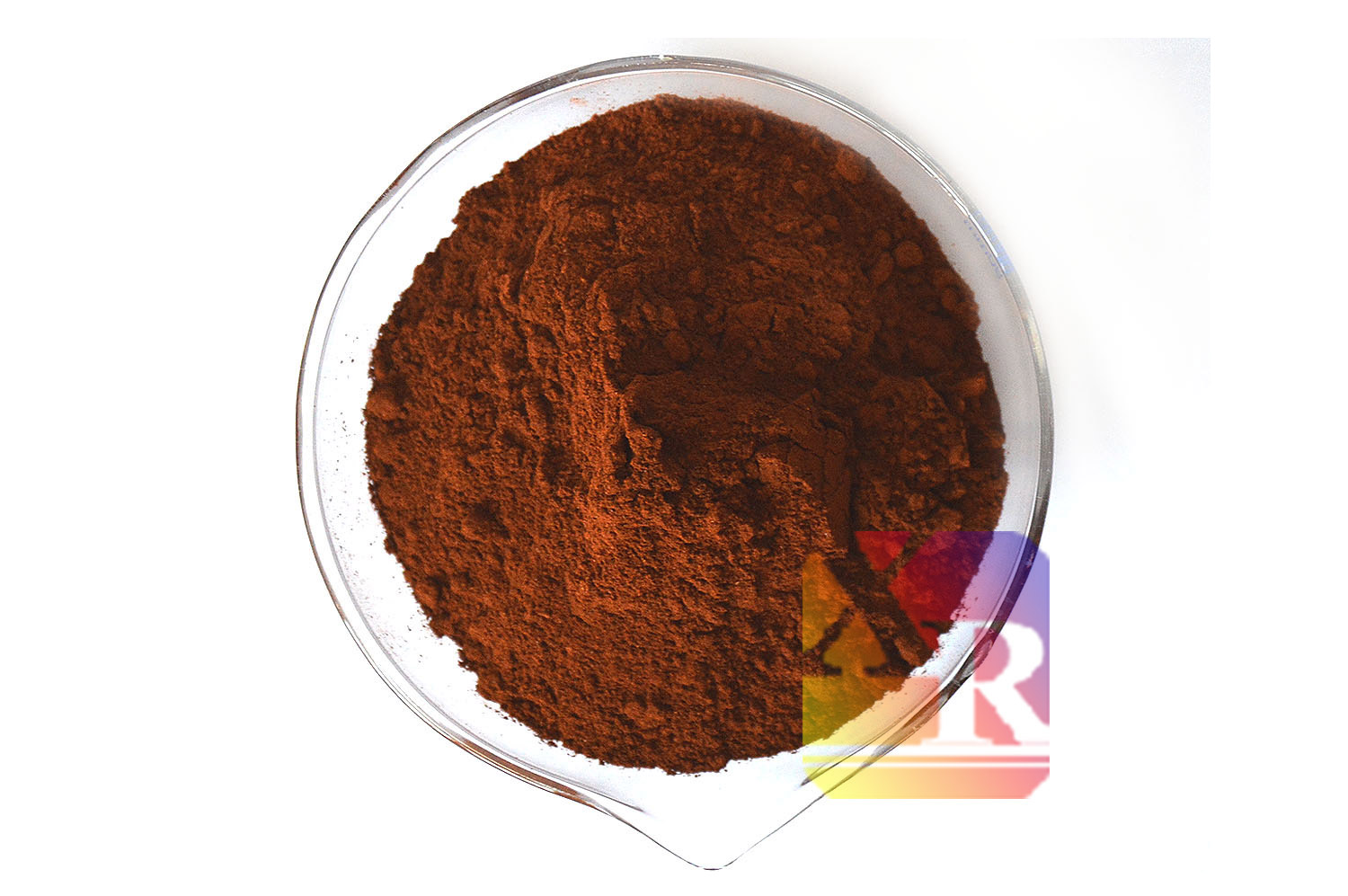
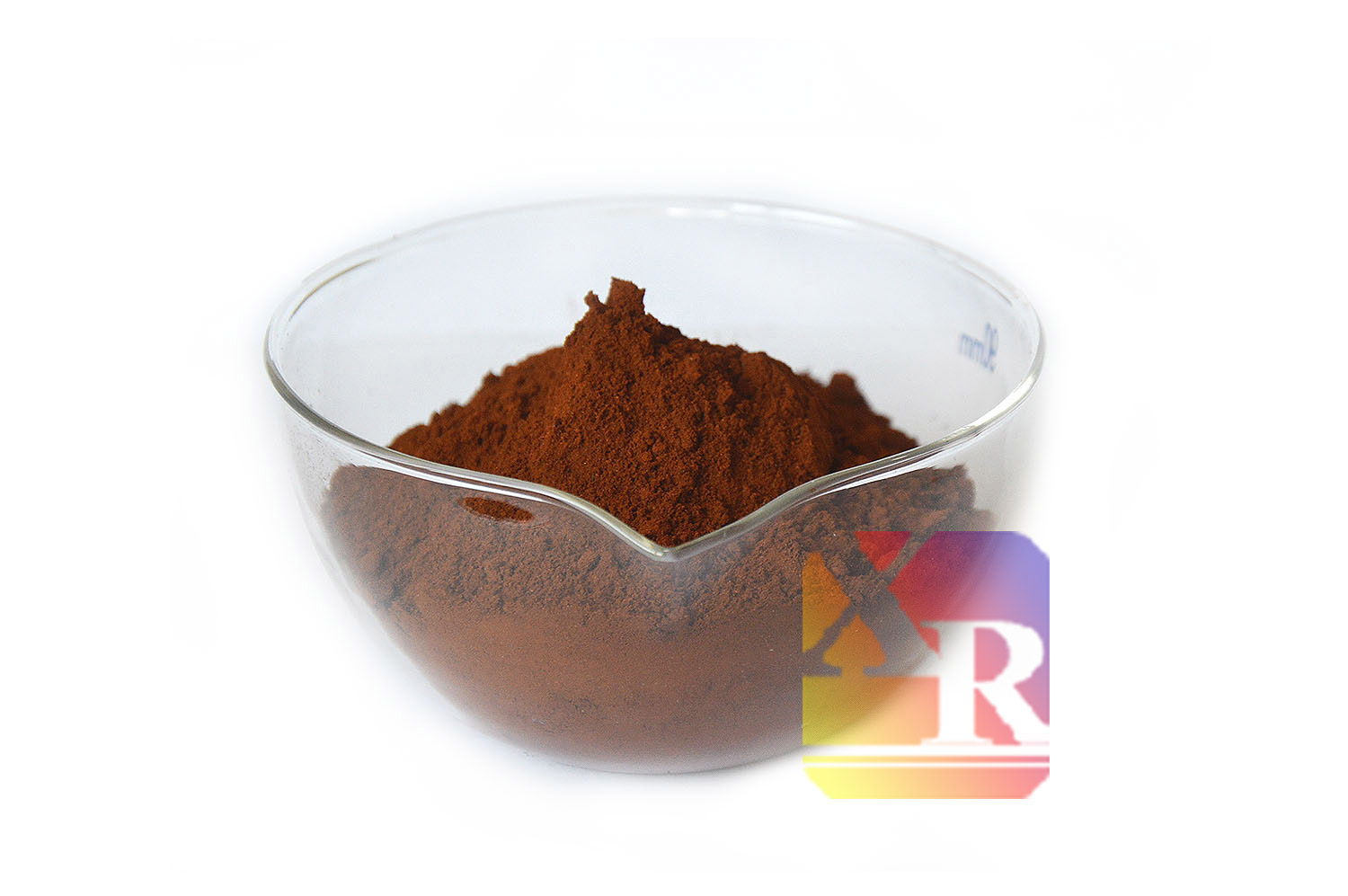
Appearance: Brown powder
Product Characteristics
Acid Mordant Brown RH is an azo-type acidic mordant dye.
Basic Physicochemical Properties
1. Solubility: Acid Mordant Brown RH dissolves in cold water, with improved solubility in hot water—up to 100 g/L at 80°C. The aqueous solution appears yellowish-brown. It is soluble in ethanol and ethylene glycol ether, slightly soluble in acetone, and insoluble in nonpolar solvents such as benzene and diethyl ether.
2. Color Development Reactions with Acids, Bases, and Solvents
In concentrated sulfuric acid: the dye turns red to reddish brown; upon dilution with water, an orange precipitate forms.
In concentrated nitric acid: initially red, then turning yellowish brown.
When concentrated hydrochloric acid is added to an aqueous solution: color changes to brownish orange.
When concentrated sodium hydroxide is added to an aqueous solution: color becomes orange.
3. Influence of Metal Ions: In the dye bath, copper ions darken the hue, while iron ions cause a noticeable shift toward dull yellow. Soft water is recommended for dyeing to minimize interference from heavy metal ions.
4. Chemical Stability: Acid Mordant Brown RH is an anionic dye and remains stable when stored dry and sealed at room temperature. It must never be used together with cationic dyes or cationic surfactants in the same bath, as this may lead to flocculation and precipitation. Strong oxidizing agents can destroy the chromophore groups, causing fading.
Dyeing Performance
1. Hue: After dyeing, Acid Mordant Brown RH produces a yellowish-brown shade. After chrome-mordant complexation, the hue deepens slightly, resulting in a rich, stable brown tone suitable for various earth tones, coffee brown, and dark brown single-color or blended shades.
2. Applicable Substrates: Wool, silk, and nylon; cellulose fibers such as cotton, linen, and viscose generally do not take up the dye. Suitable for fur and chrome-tanned leather coloring.
3. Levelness: Acid Mordant Brown RH exhibits excellent leveling properties, good migration ability, moderate dye uptake rate, and low risk of color unevenness. Ideal for dyeing raw wool, wool top, yarns, and carpet yarns.
4. Discharge Properties: Shows good discharge performance and is suitable for discharge printing on woolen fabrics.
Main Application Areas
1. Wool Textile Industry (Core Application)
Dyeing raw wool, wool top, yarns, fine wool fabrics, and wool carpets. Acid Mordant Brown RH can be used either as a single color for yellowish brown or blended with other acidic mordant dyes to create deep brown, coffee, khaki, grayish brown, and other composite shades.
2. Leather and Fur
Coloring chrome-tanned shoe leathers, luggage leathers, and furs. After mordanting, the dyed products exhibit excellent washfastness and lightfastness.
3. Others
Dyeing silk and nylon fabrics; staining biological specimens and tissues. Not suitable for direct ink formulation, as the chromium chelation required on fibers cannot be achieved in ink systems, leading to poor wet fastness.
Advantages and Disadvantages
Advantages
1. Excellent lightfastness, washfastness, and perspiration fastness after chrome mordanting, making it ideal for weather- and wash-resistant woolen products such as carpets and outerwear.
2. Good leveling, smooth dye uptake, consistent sample reproducibility, and wide compatibility in blending with other dyes.
3. High water solubility, simple preparation, and suitability for high-temperature boiling dyeing processes.
4. Natural brown tone, widely applicable in earth-tone color mixing.
Disadvantages
1. Requires a mandatory chrome mordanting process, increasing production complexity. The hue may shift after mordanting, so sample testing must fully simulate the complete process.
2. Copper and iron ions significantly affect hue, requiring strict control over dye bath water quality.
3. Chrome mordanting generates chromium-containing wastewater, necessitating proper wastewater treatment. Cannot dye cellulose fibers.
4. Lower brightness after mordanting, resulting in a subdued, dark brown tone—unsuitable for bright, light brown products.