




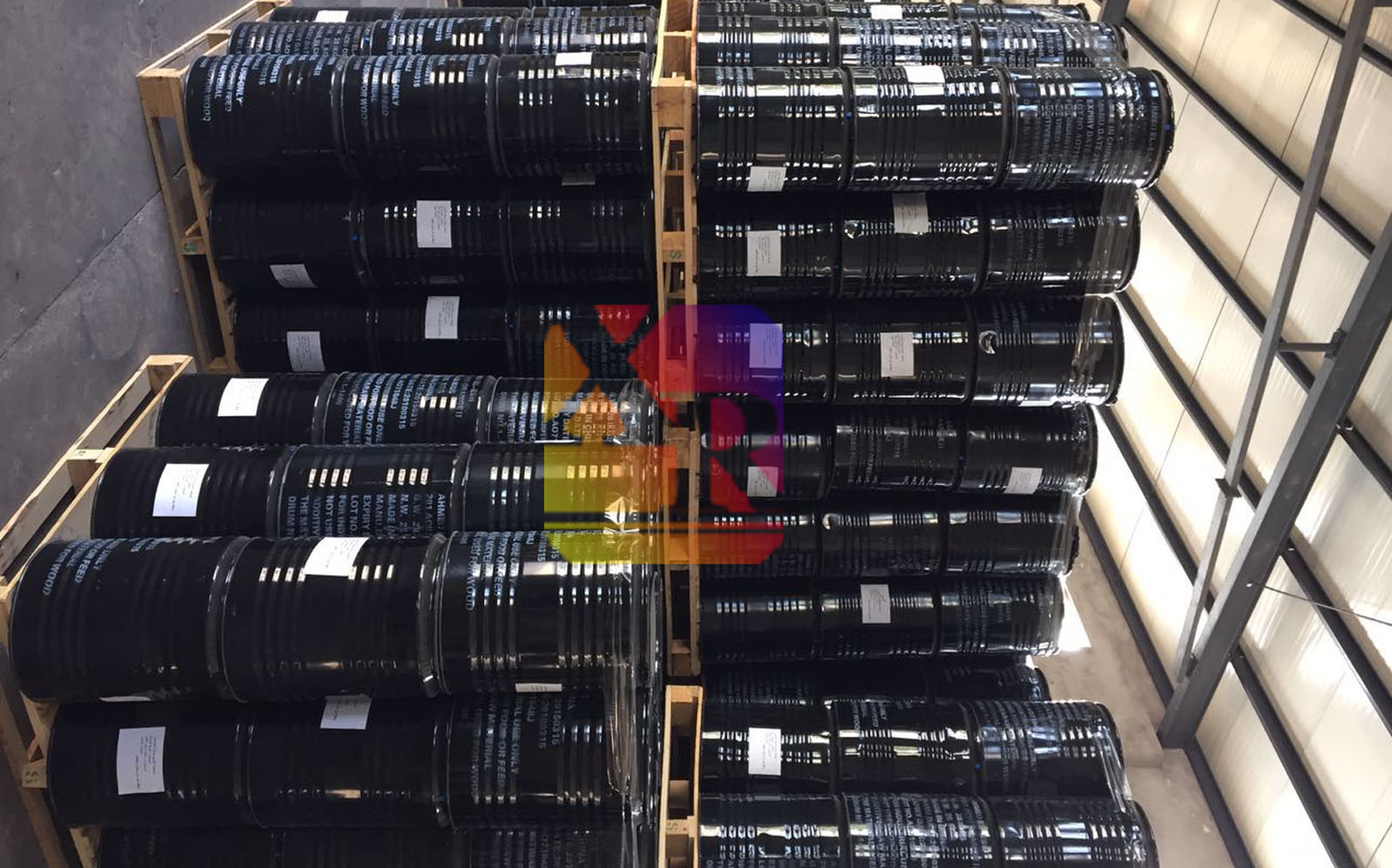
Leather Dye Acid Nigrosine Black Acid Black 2
Basic Information
Product Name: Acid Nigrosine Black/Acid Black 2
C.I. No.: Acid Black 2
CAS No.: 80316-29-6
Chemical Formula: C48H35N9
Molecular Weight: 737.852
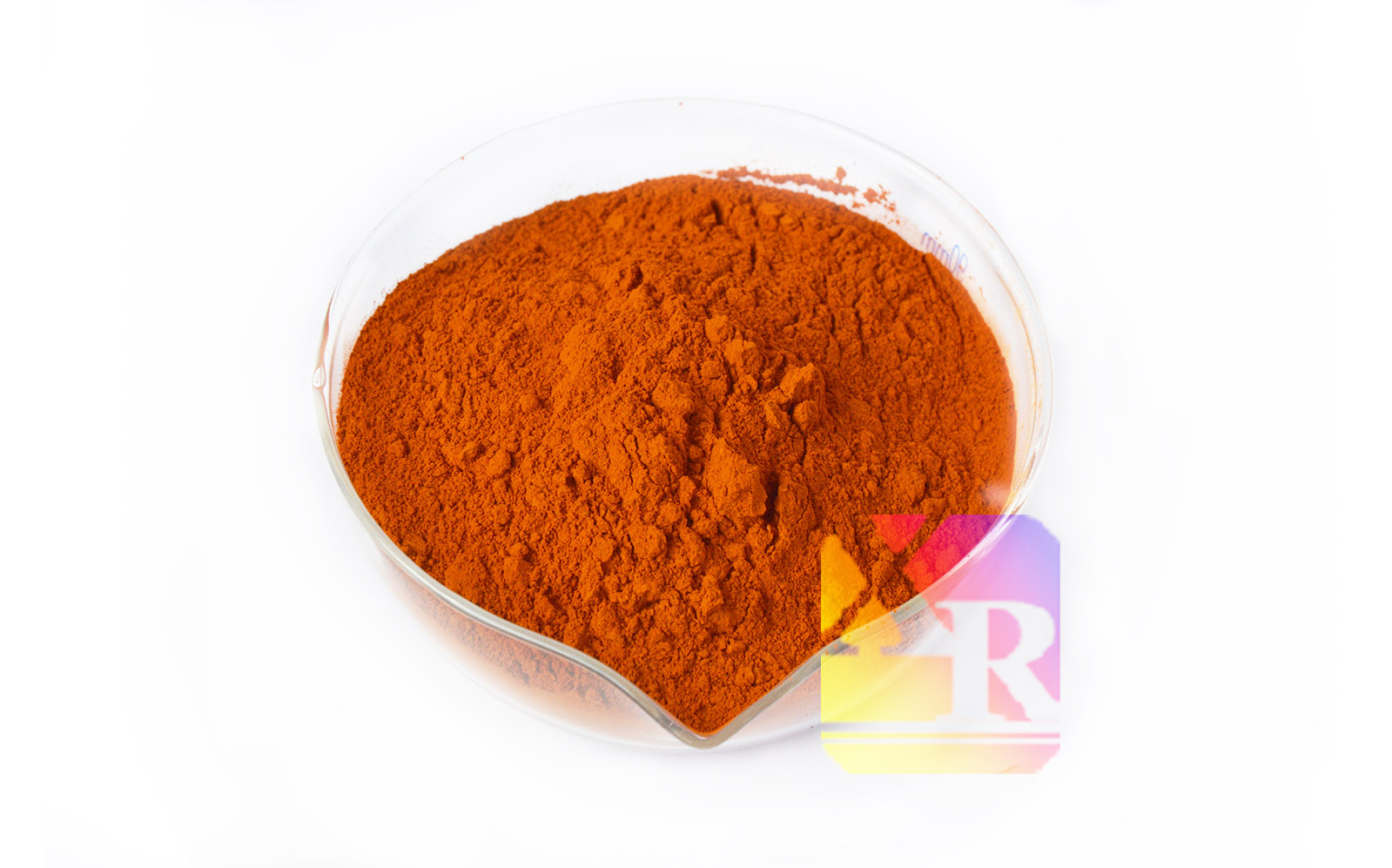
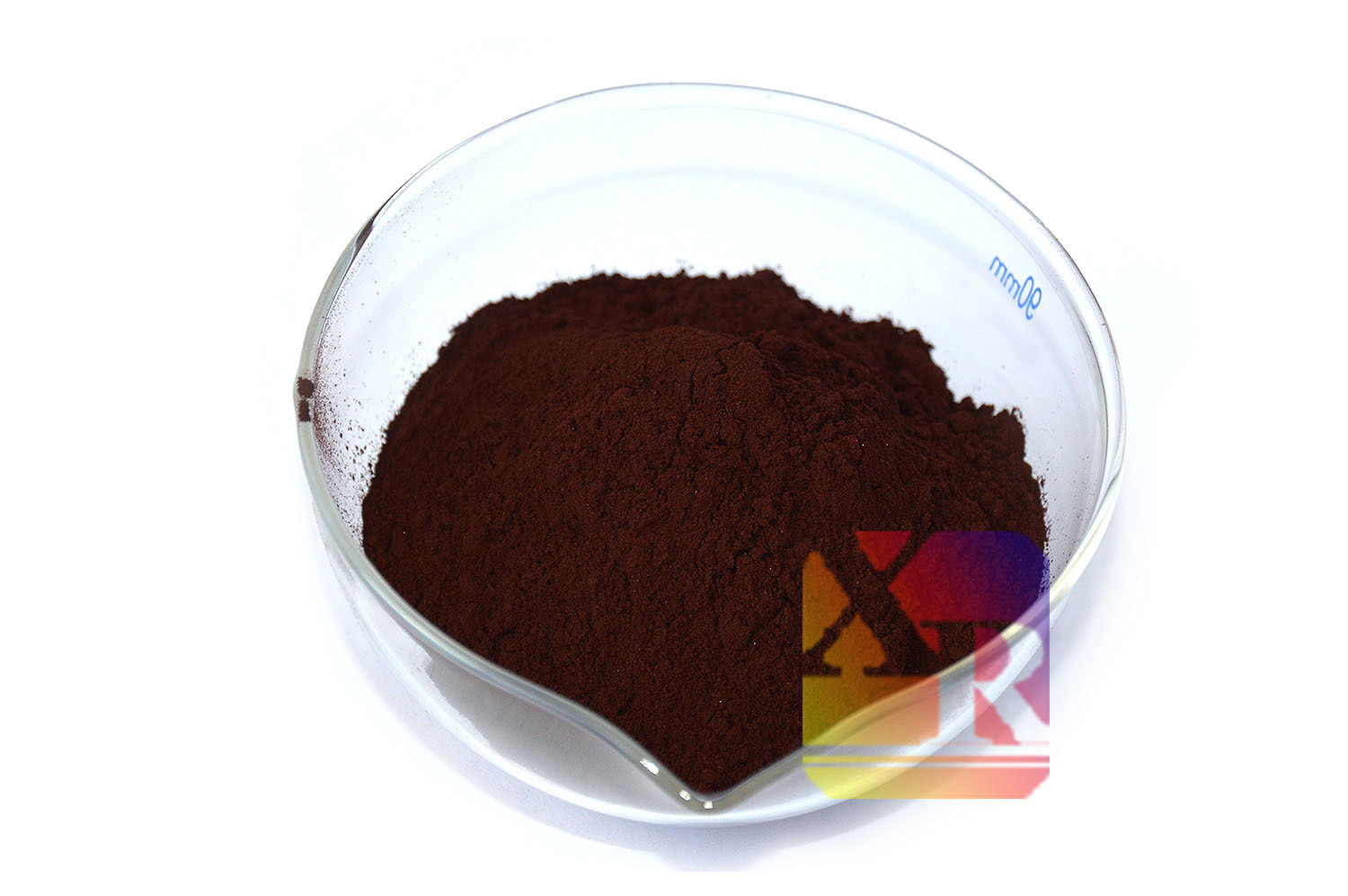
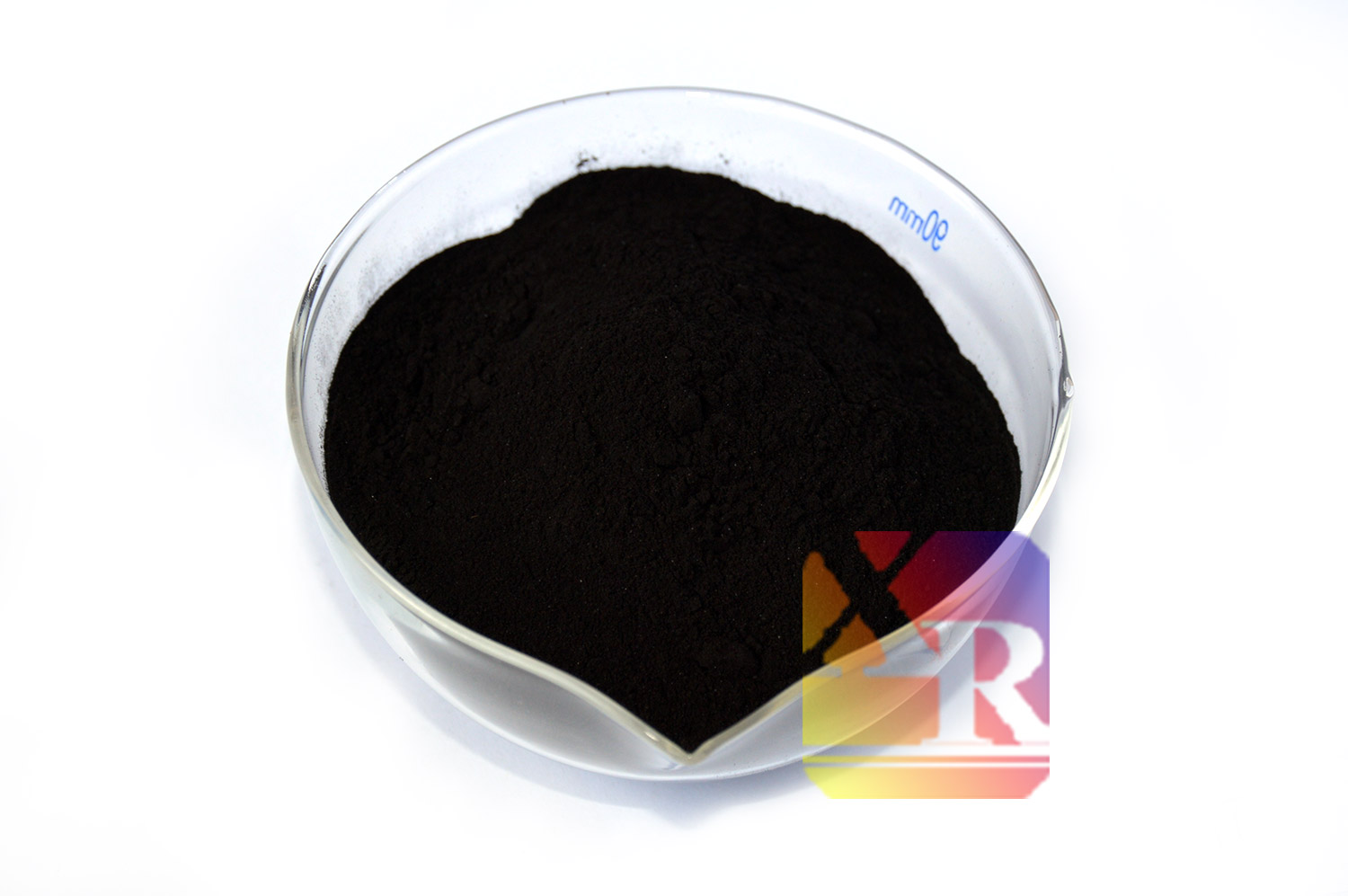
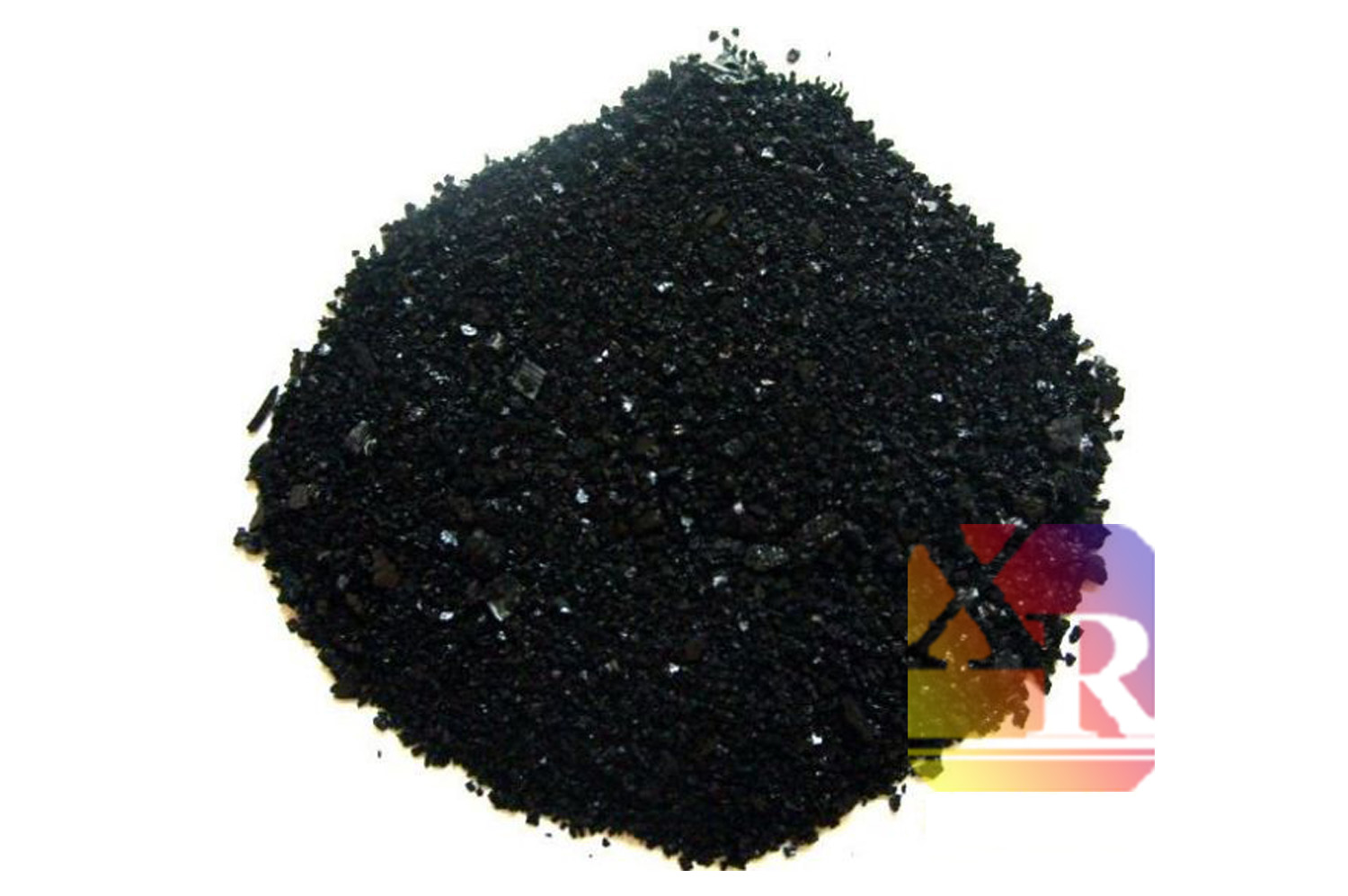
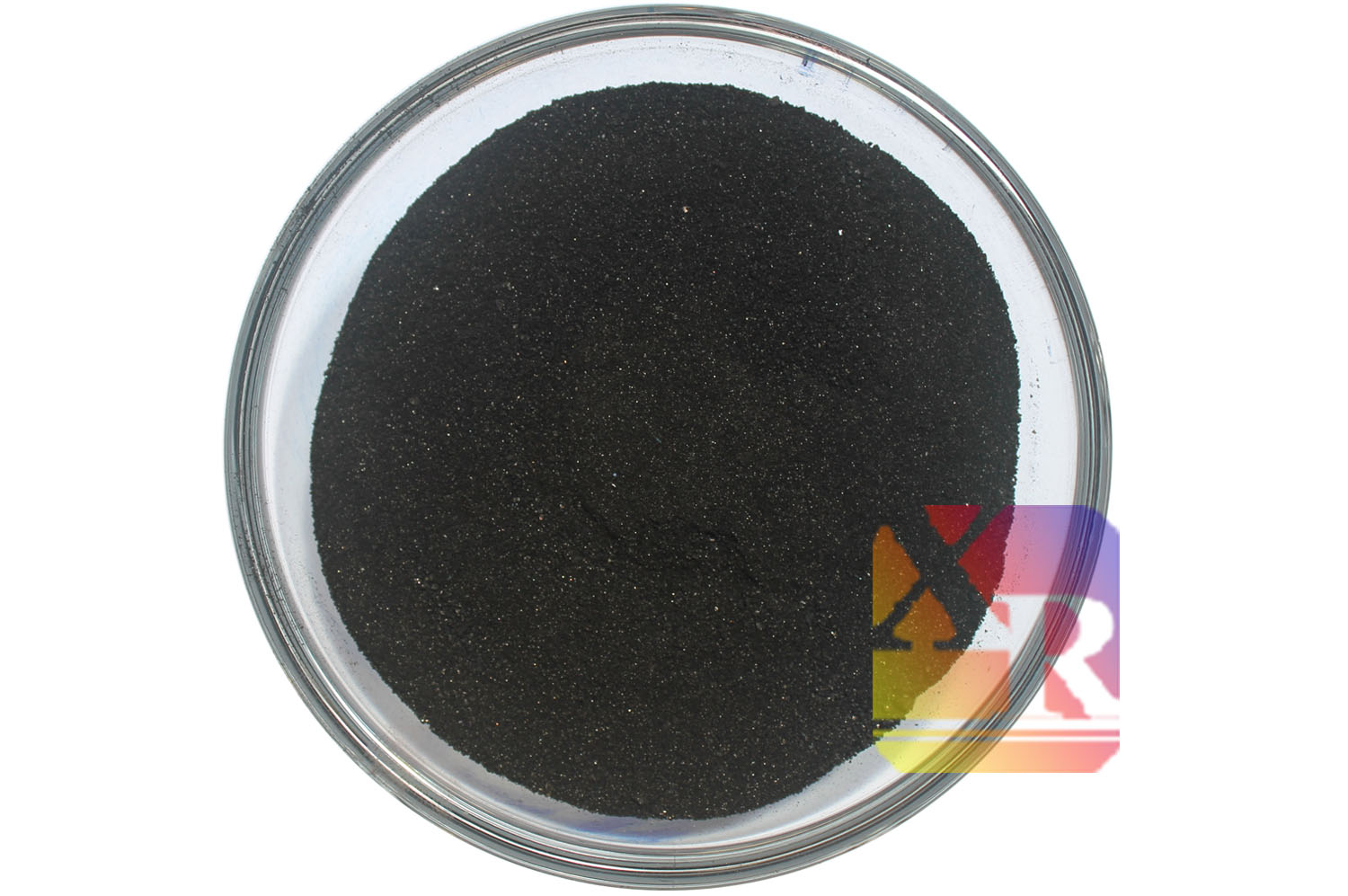
Appearance: Black granule
Product Characteristics
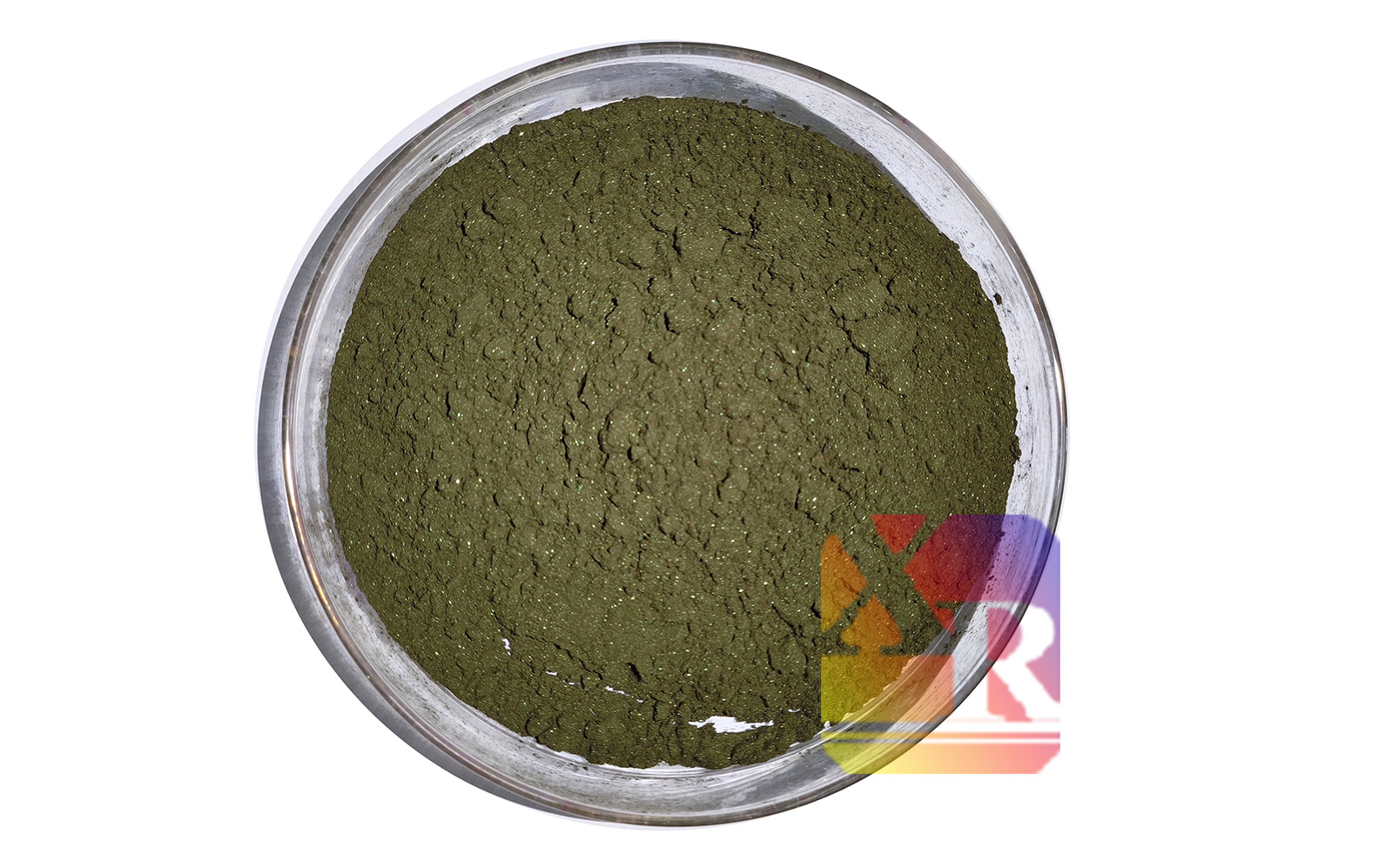
Acid Nigrosine Black appears as lustrous granules or uniform powder, with no distinct irritating odor.
Basic Physicochemical Properties
1. Solubility: Acid Nigrosine Black is readily soluble in water, forming a blue-violet aqueous solution; it is also soluble in ethanol, yielding a blue solution; it is almost insoluble in ether, benzene, and petroleum ether. In concentrated sulfuric acid, Acid Black 2 turns blue, changes to purple upon dilution with water, and precipitates form. When sodium hydroxide is added to the aqueous solution, a brownish-purple precipitate forms.
2. Maximum Absorption Wavelength: 570 nm.
3. Stability: Acid Black 2 is stable under dry, ambient conditions; it exhibits good acid resistance but poor alkali resistance—strong alkalis cause precipitation and color change. Avoid coexistence with strong oxidizing agents.
Dyeing Performance
1. Hue: Produces a deep blue-black shade with a bluish tint, excellent leveling properties, even dye uptake, and high covering power.
2. Suitable Dye Bath: Acid dyeing conditions, optimal pH range of 4–6; dye fixation relies on ionic bonding between sulfonic acid groups and amino groups of protein fibers.
3. Color Fastness Reference: Light fastness 4, wash fastness 3–4; dry rubbing fastness ≥4, wet rubbing fastness ≥3.
4. Features: Acid Nigrosine Black dyes quickly and achieves deep black results effectively. The hue may shift under alkaline conditions; therefore, avoid strong alkaline treatments after dyeing. For leather dyeing, it is typically used in combination with chrome-mordanting processes to enhance bond strength.
Main Application Areas
1. Leather Industry: Used primarily for dyeing chrome-tanned leather, producing blue-black finished leathers.
2. Textiles: Dyeing wool, silk, nylon, and other protein and polyamide fibers.
3. Other Industrial Coloring: Paper, wood products, electroplated aluminum, soap coloring; formulation of industrial inks; Acid Black 2 is also used as a histological stain in biological pathology sections.
Advantages and Disadvantages
Advantages
- Excellent water solubility, easy dissolution, and superior leveling performance.
- High blackness with a bluish tint and strong covering power.
- Good penetration in leather dyeing and well-established application.
- Can dissolve in both water and alcohol systems, suitable for ink formulations.
Disadvantages
- Poor stability in strongly alkaline systems; precipitates form in alkaline environments, making it unsuitable for alkaline ink formulations.
- Moderate wet processing fastness; fixatives are required to improve fastness in deep black products.
- Not suitable for direct dyeing of cellulose fibers such as cotton and linen.
Storage and Packaging
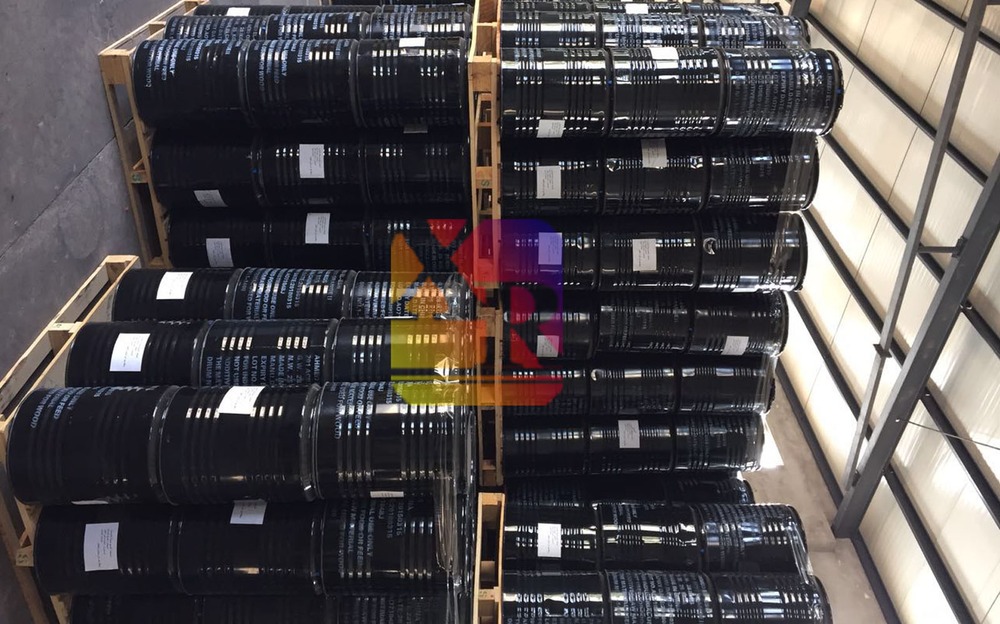
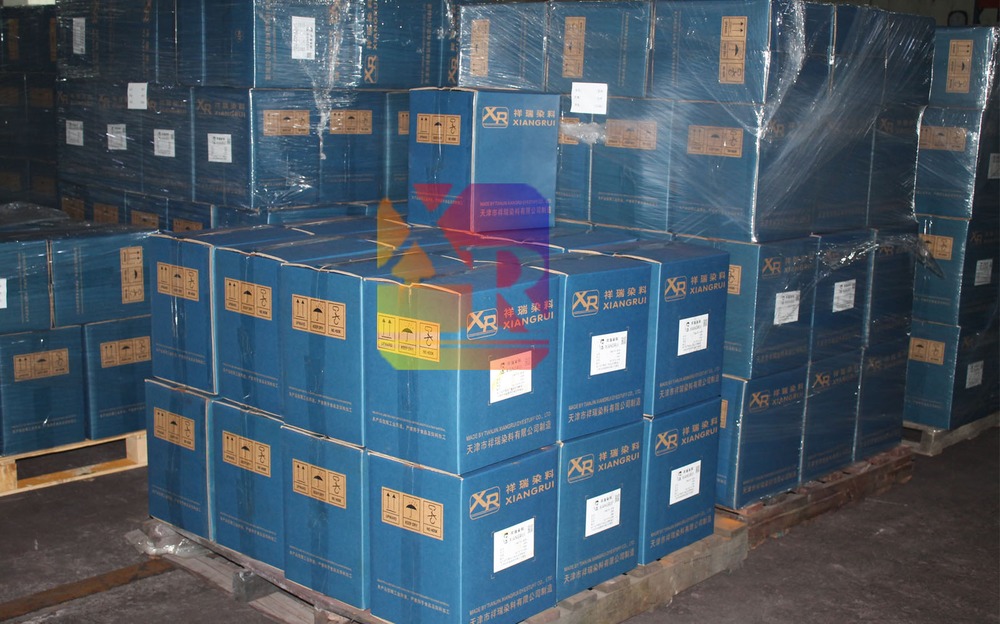
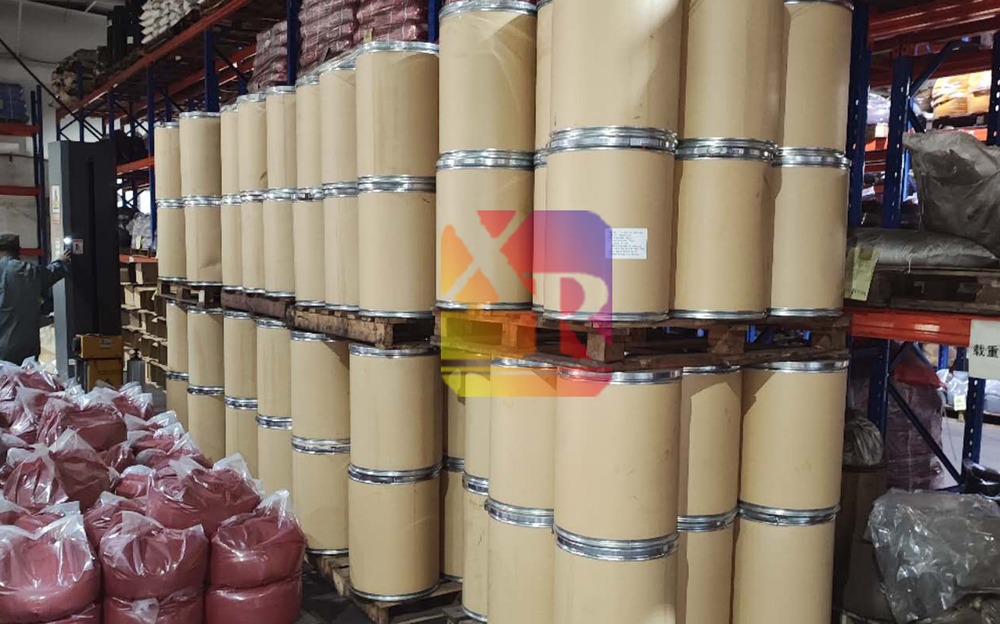
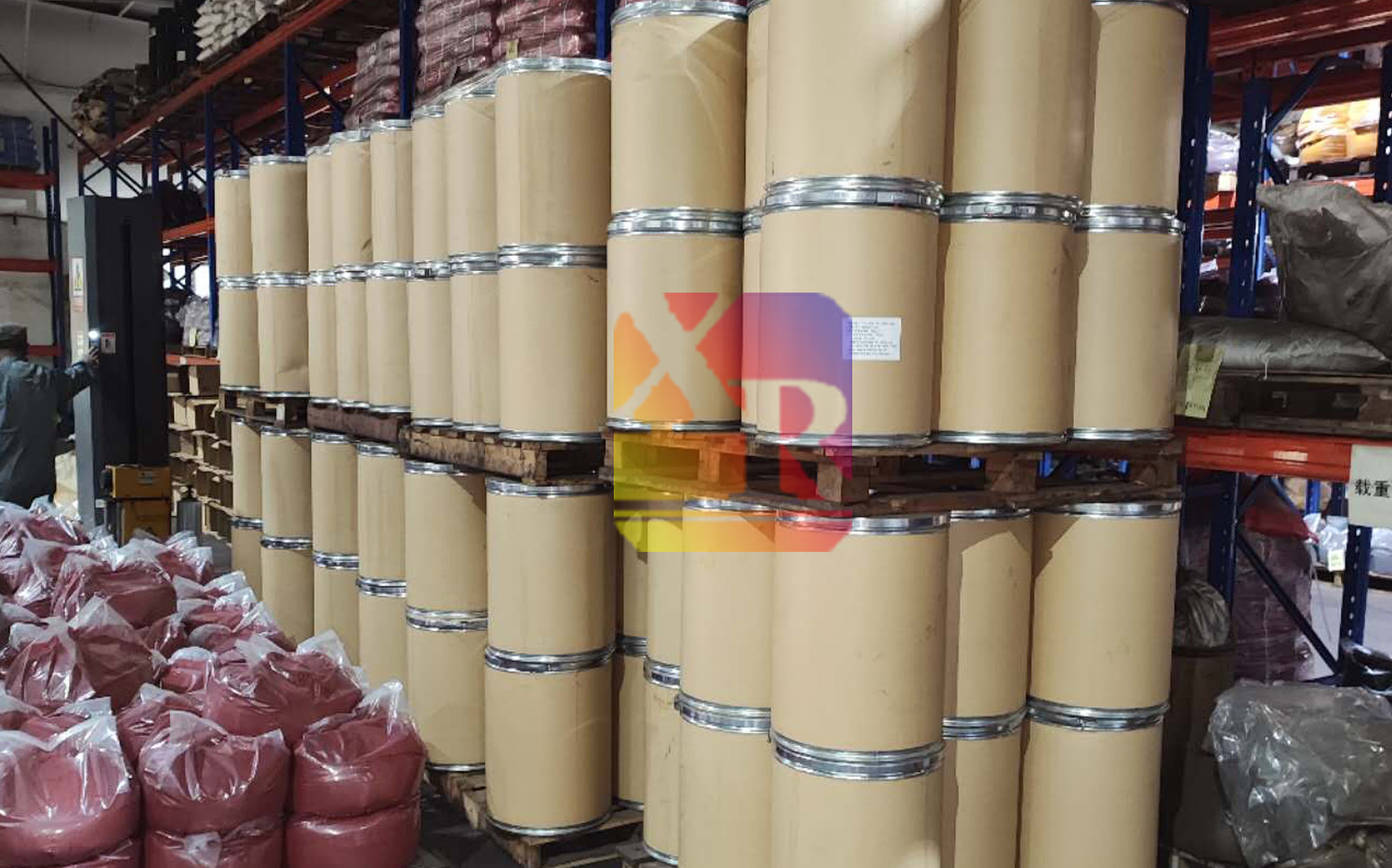
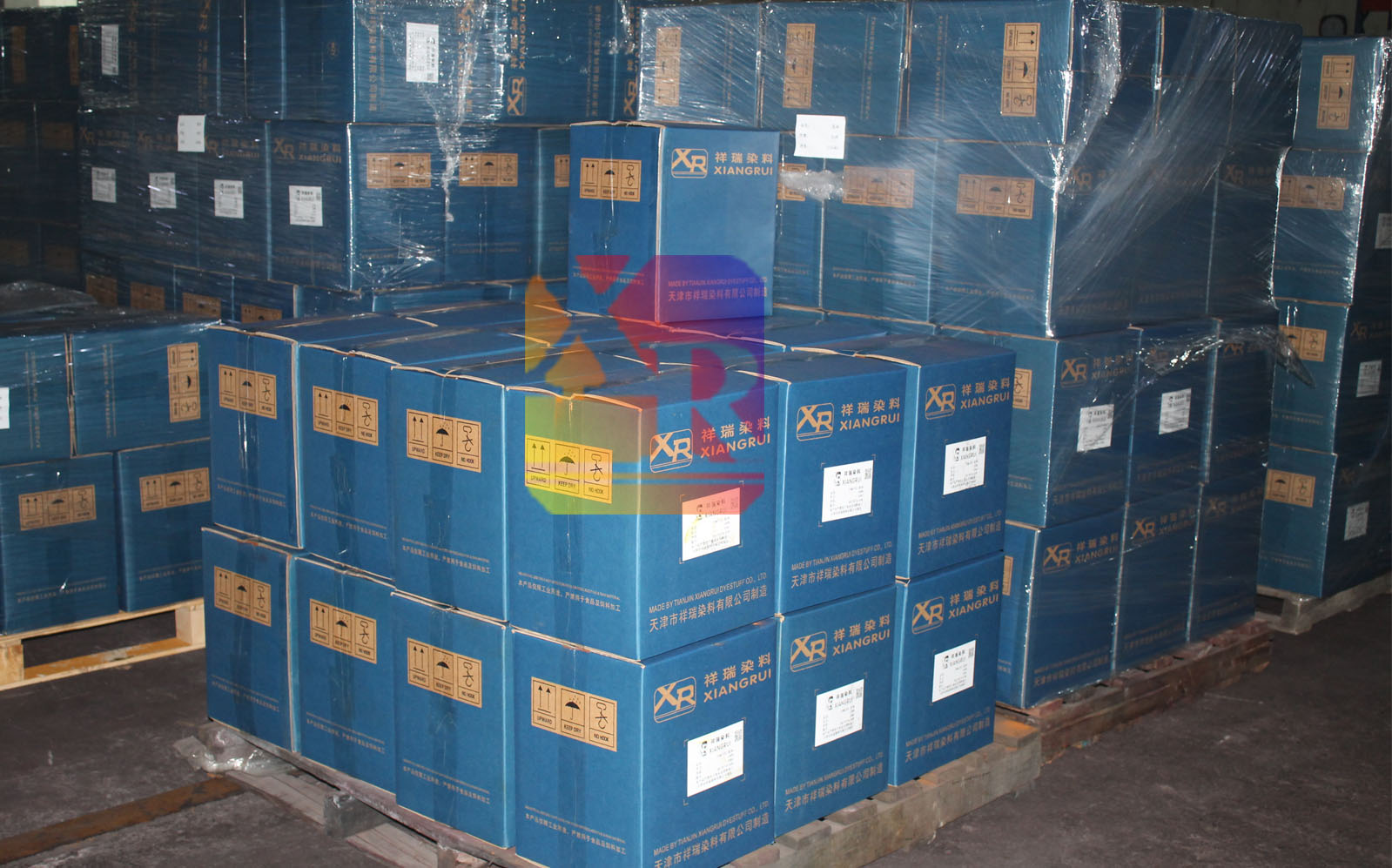
Packaging: 25 kg woven bags lined with plastic film.
Storage: Store in a cool, dry, well-ventilated warehouse, sealed and protected from moisture and away from oxidizing agents.
Handling Precautions: Avoid inhalation of dust; wear gloves for protection.