








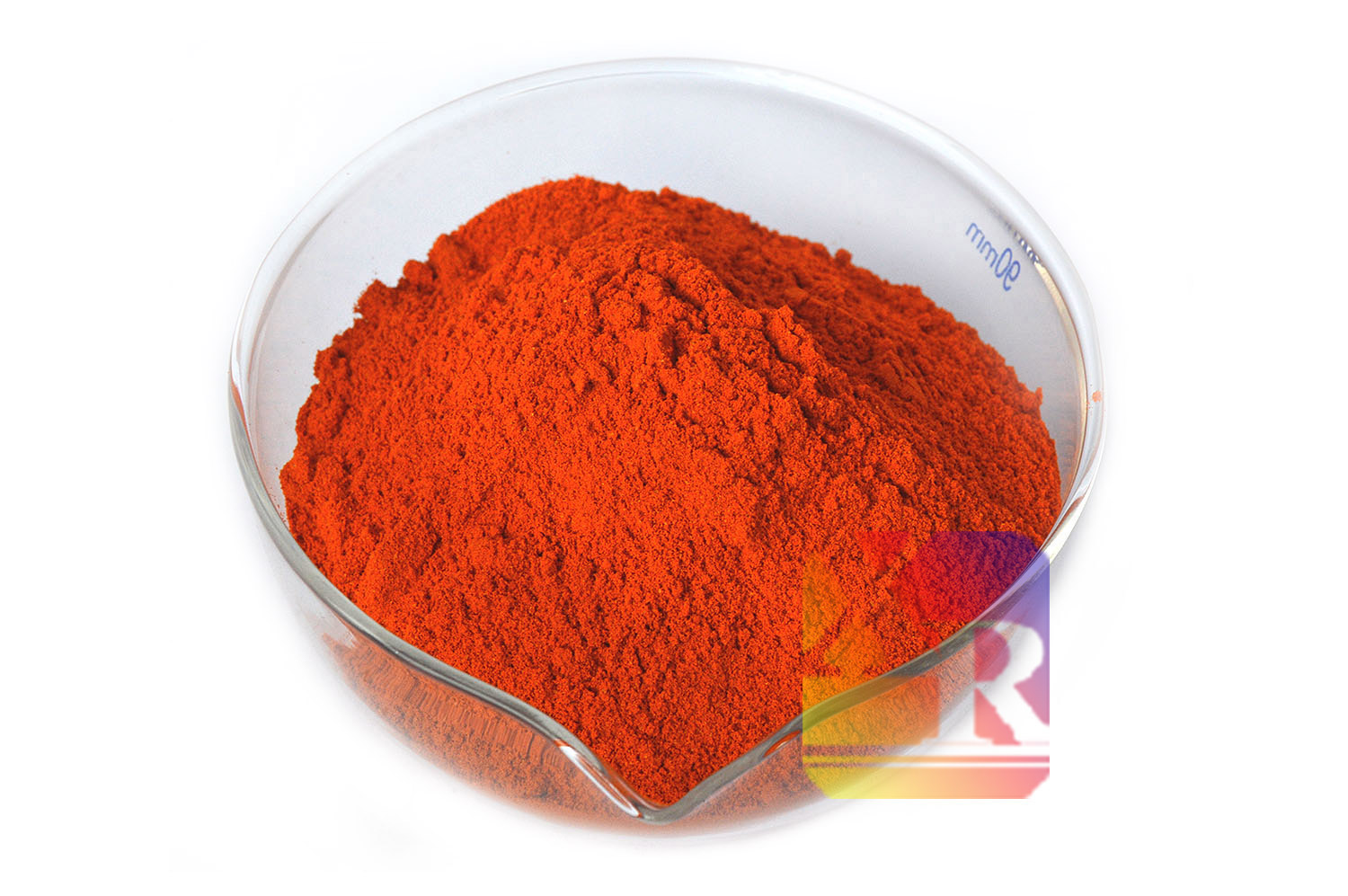
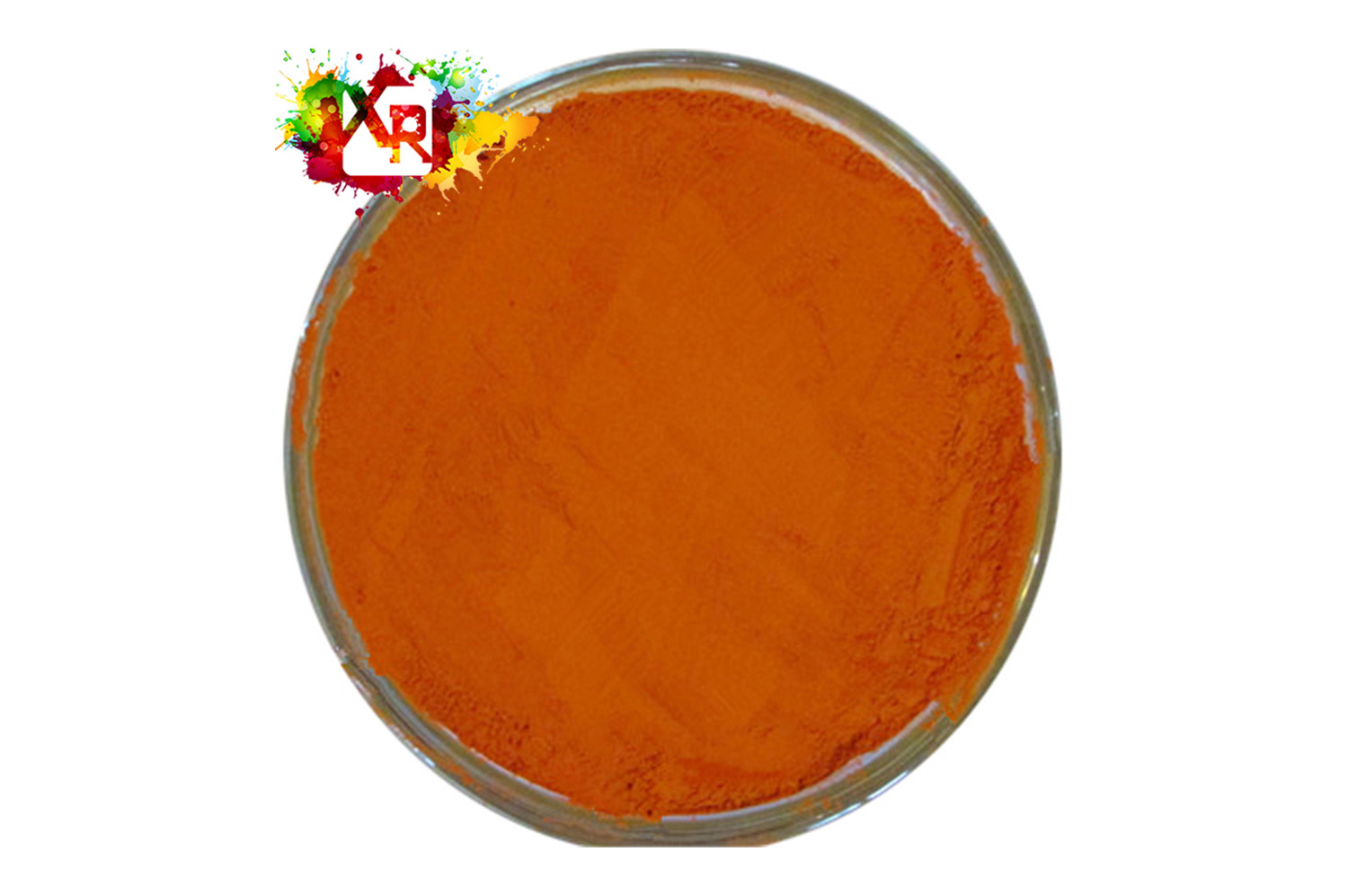
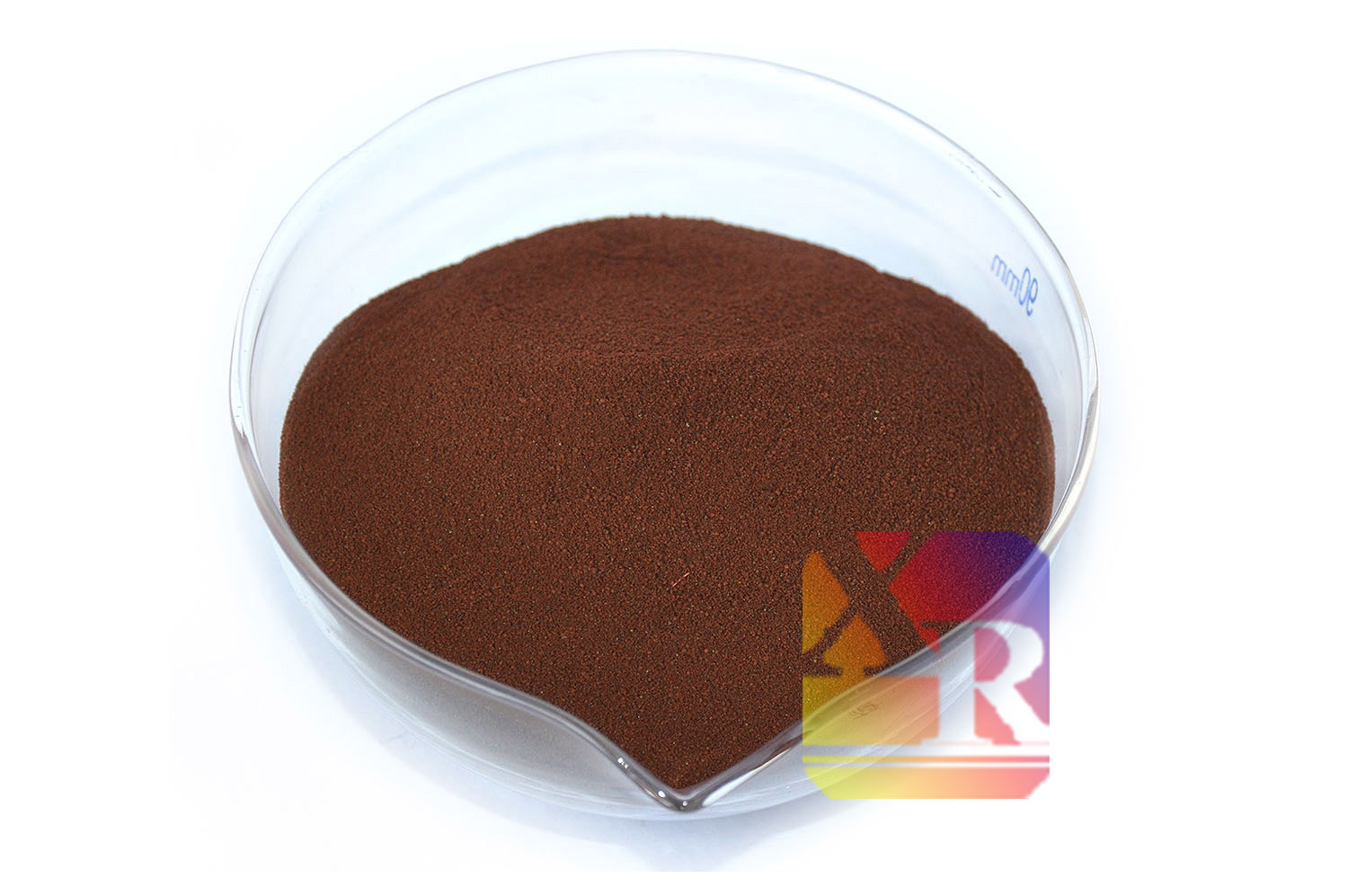
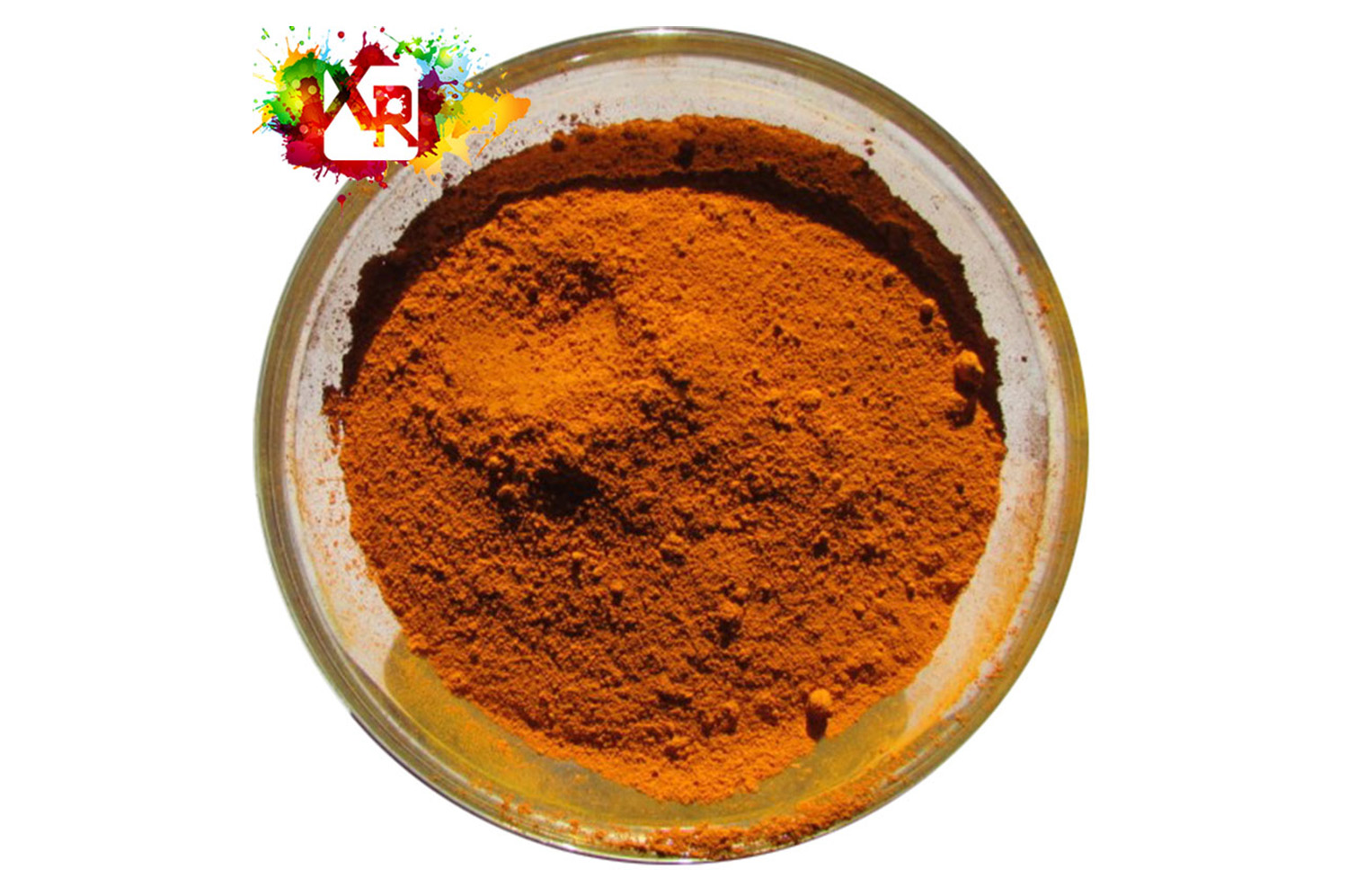
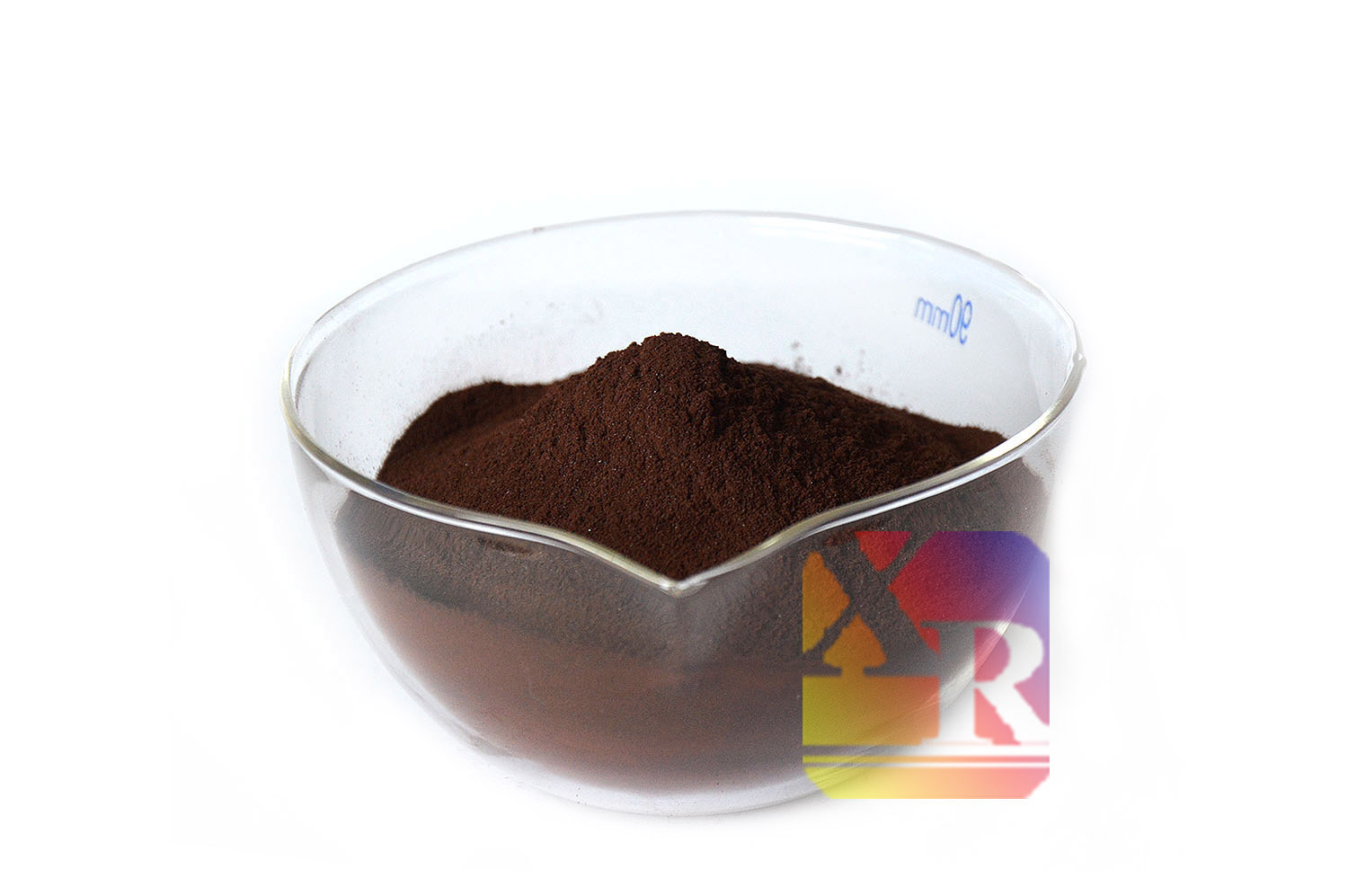
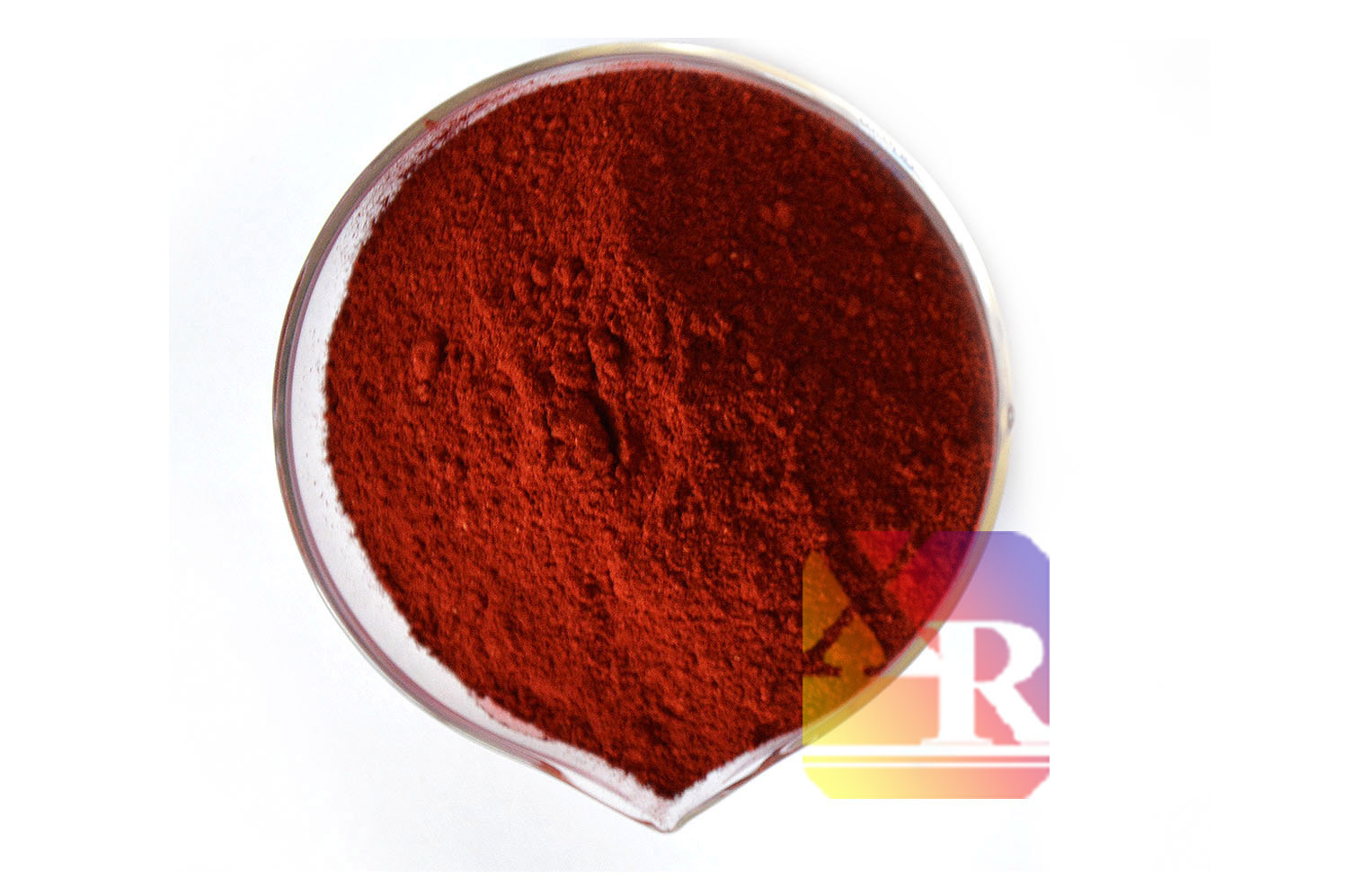
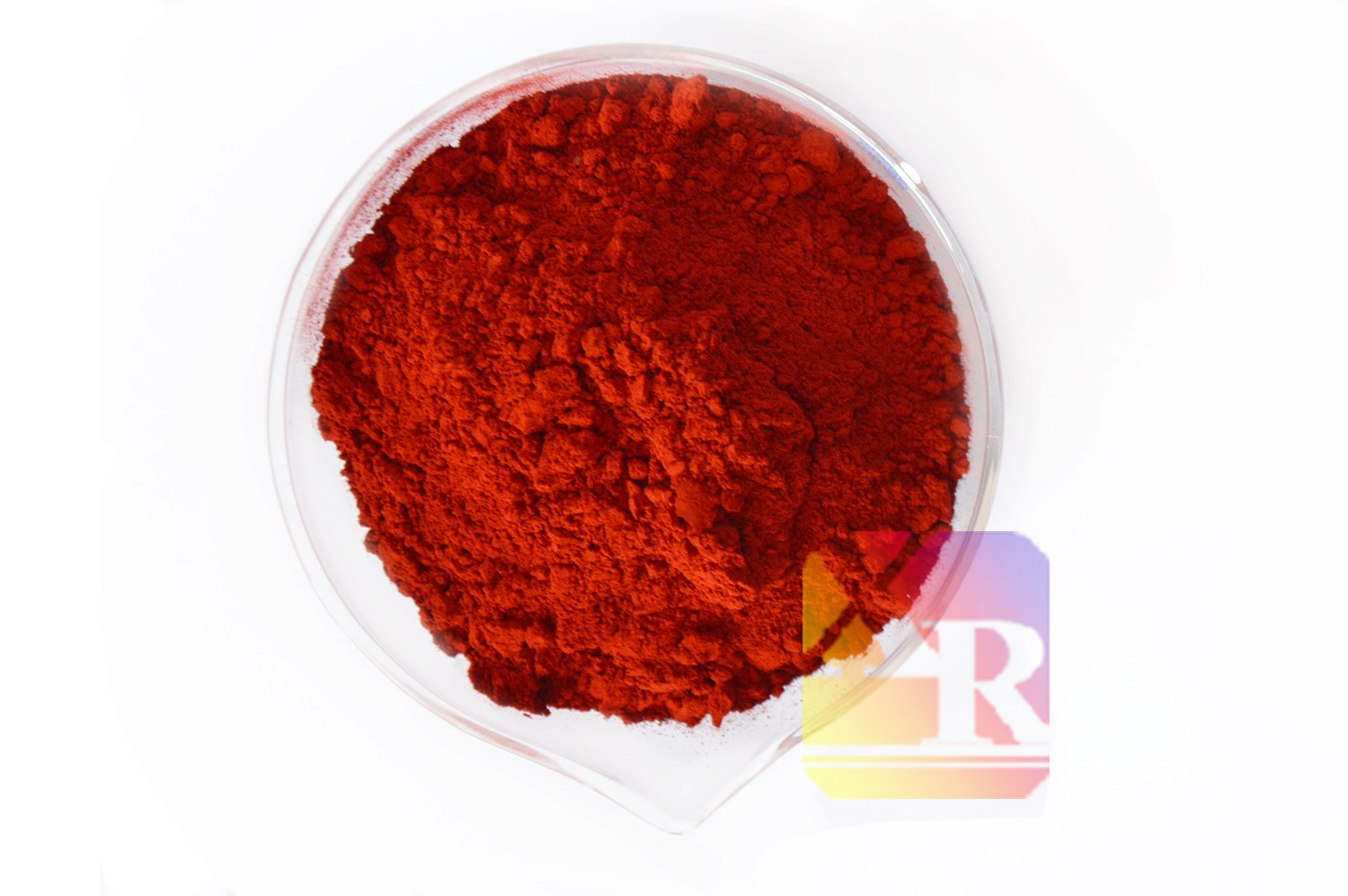
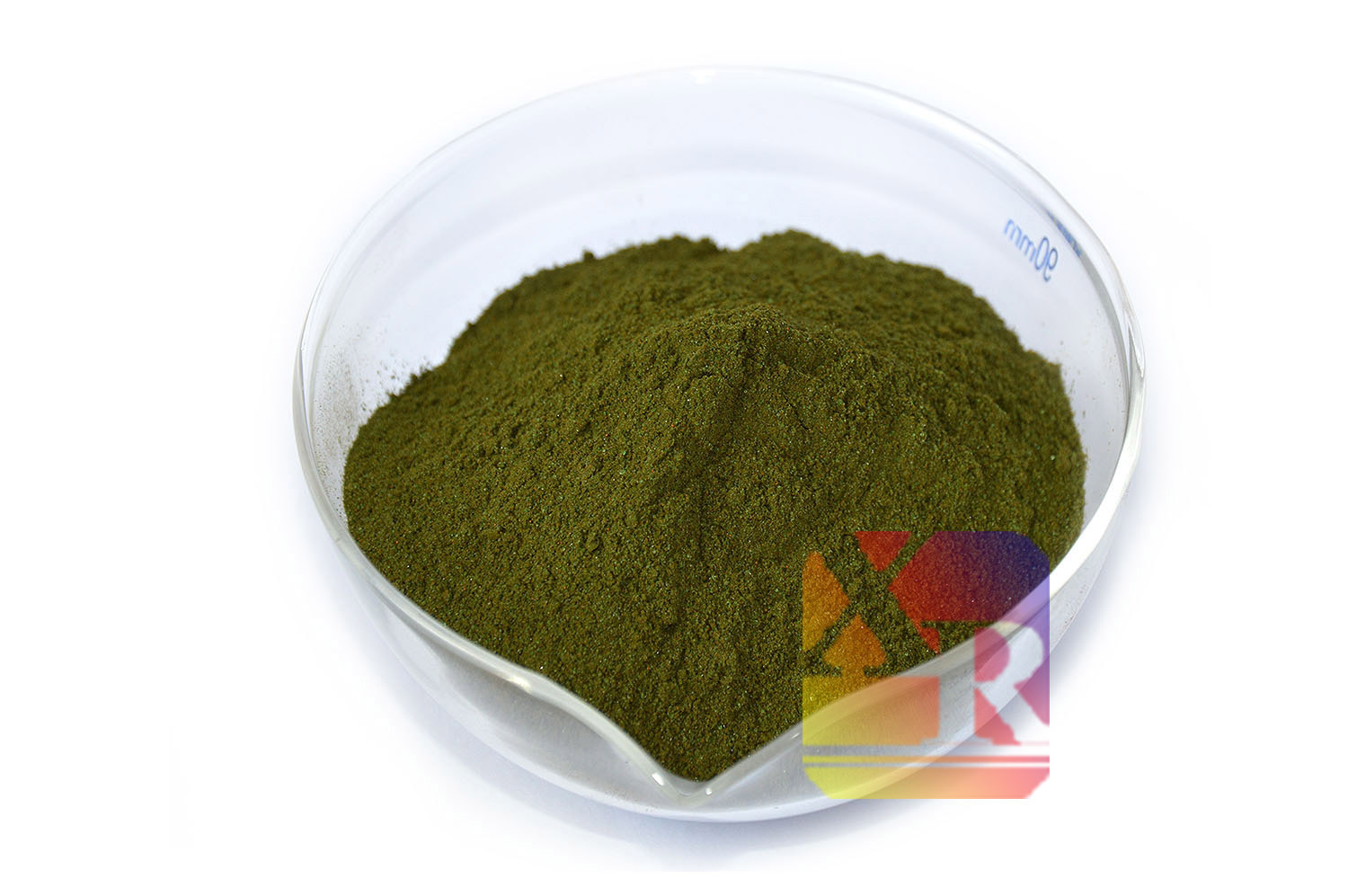
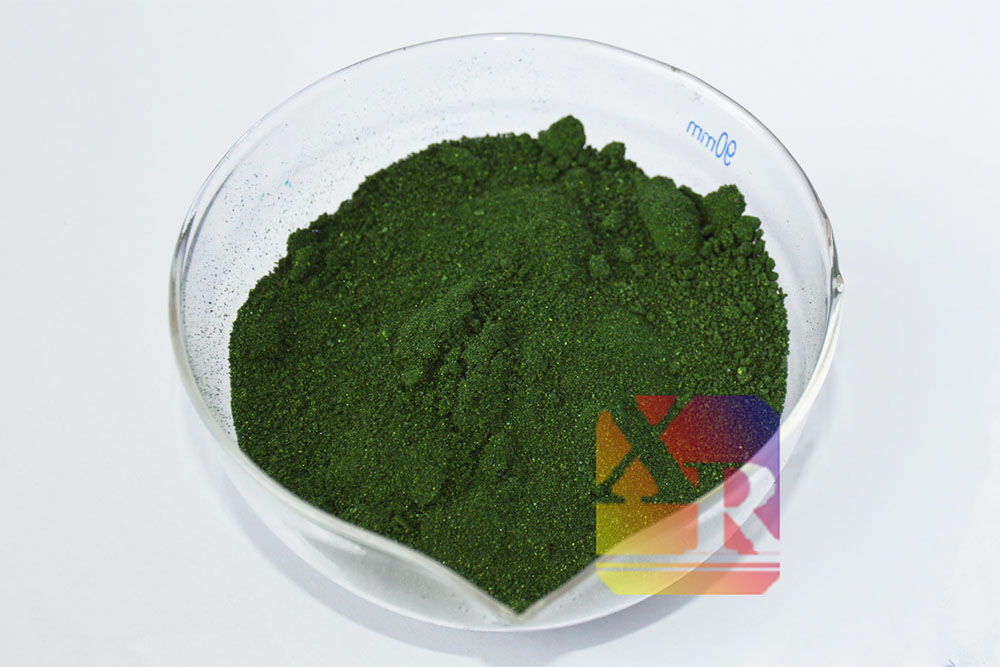
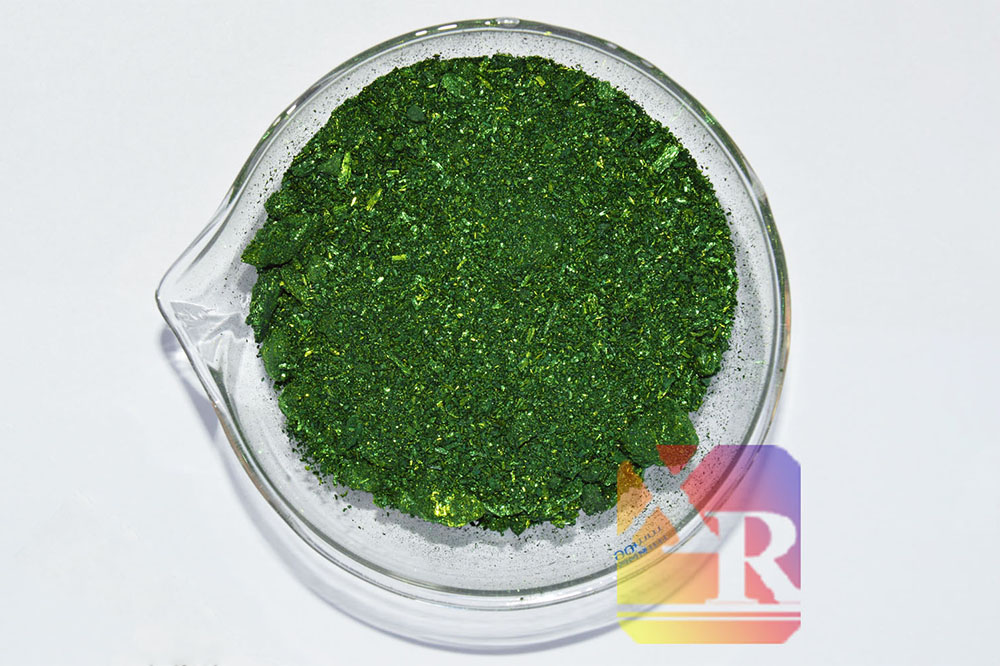
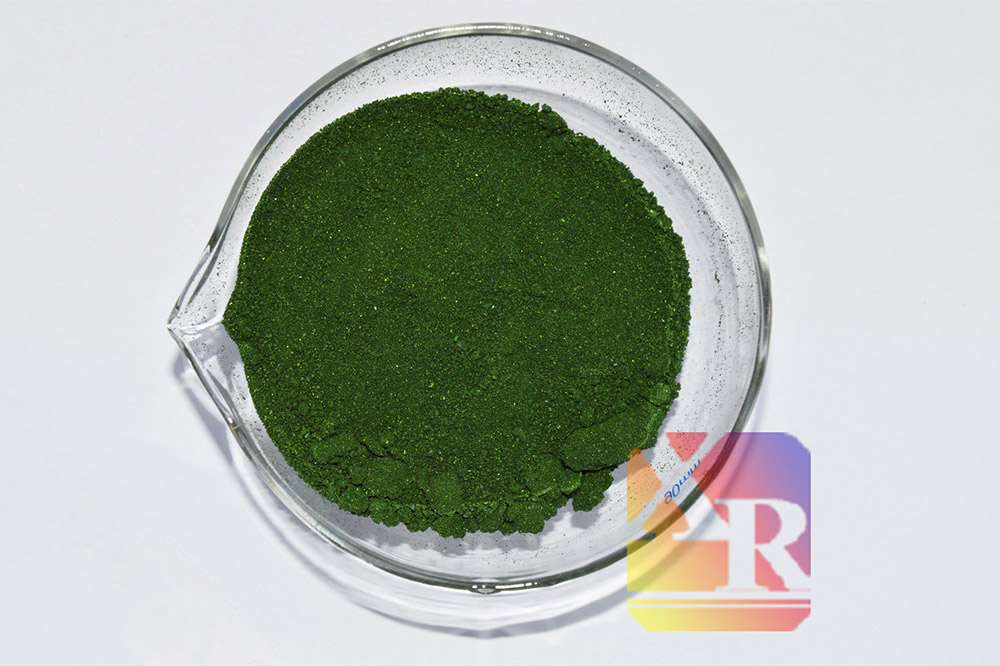
Malachite Green C.I. Basic Green 4 - Premium Quality from China Suppliers & Factory, CAS 569-64-2
Introduction
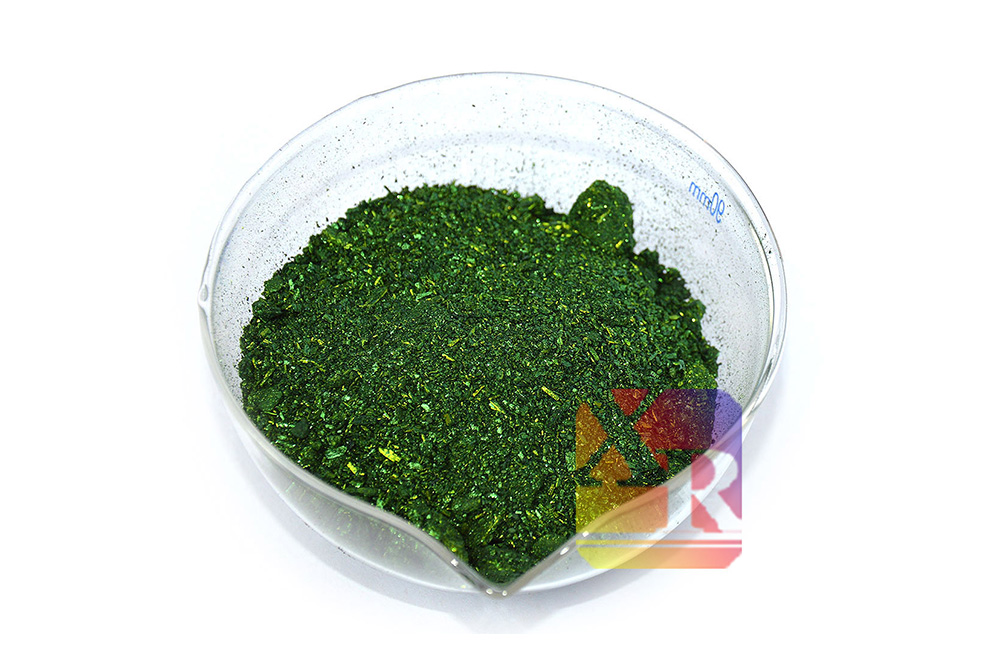
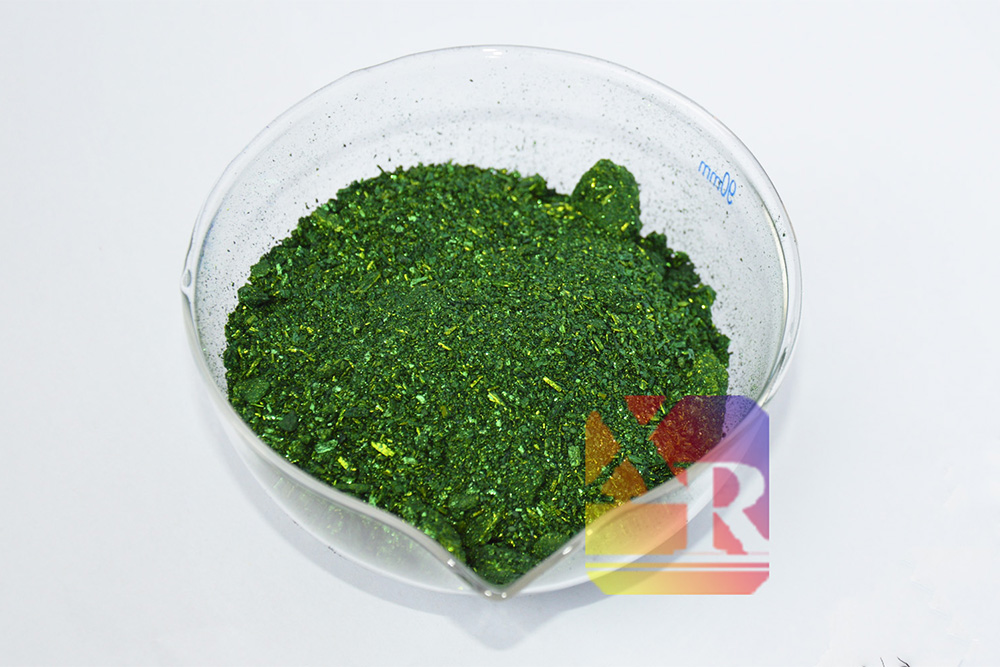
Basic Dye Malachite Green, also known as Basic Green 4, belongs to triphenylmethane basic and cationic dyes.
Main Characteristics
It appears yellow in concentrated sulfuric acid and turns dark orange after dilution; it is orange in concentrated nitric acid and turns orange-brown after dilution.
Soluble in water, highly soluble in ethanol, with a distinctive blue-green solution color.
When sodium hydroxide is added to its aqueous solution, a white precipitate with green fluorescence is formed.
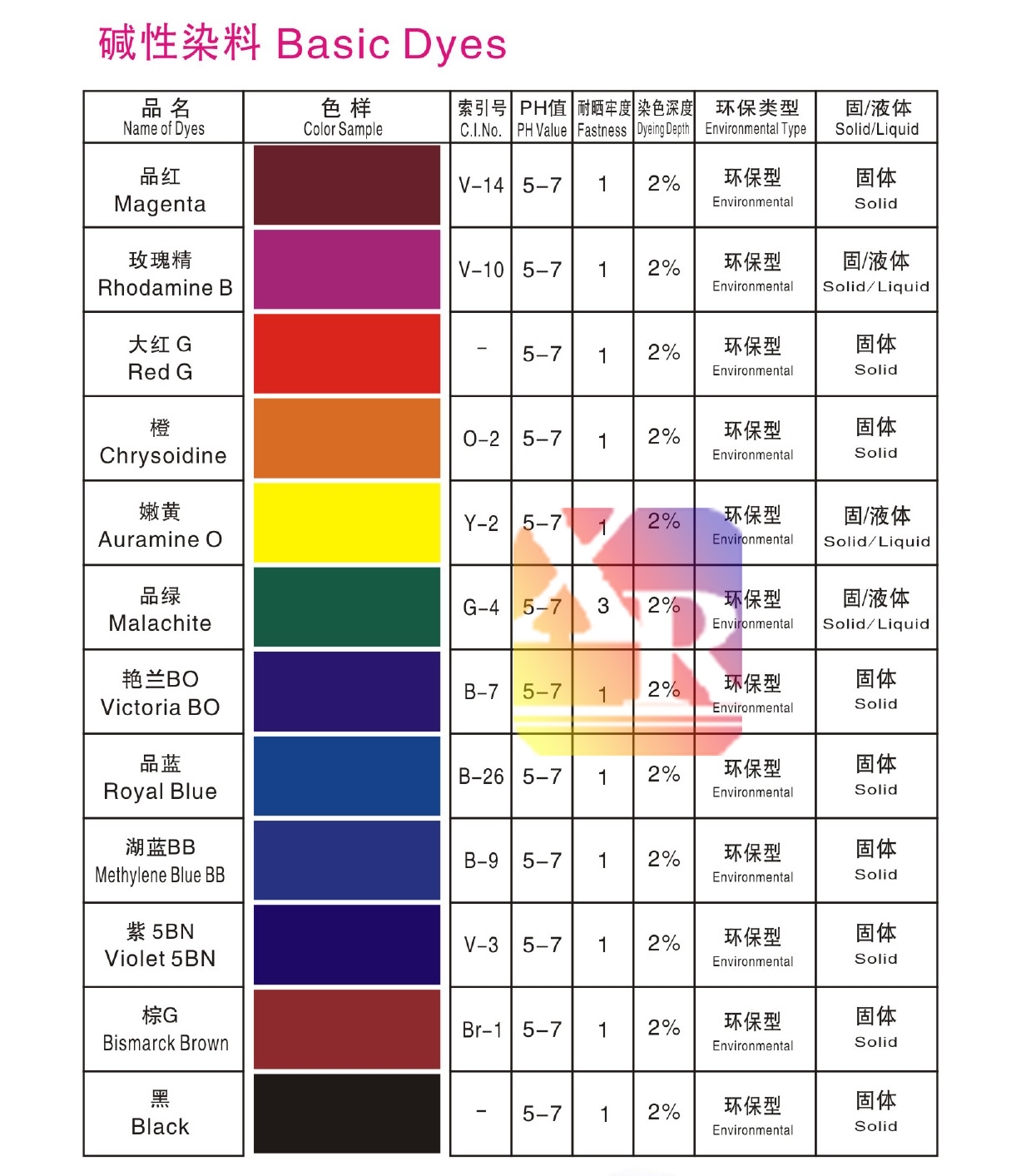
Stable shade at high temperature (120℃); light fastness reaches grade 4–5 on acrylic fiber.
Legal Industrial Applications
It has good tinting power on natural fibers such as cotton, linen and silk. The light fastness on acrylic fiber and diacetate fiber can reach grade 4–5. It can be blended with basic fuchsin to produce jet black shade.
It is an important biological stain, which can stain cells or tissues blue-green for microscopic observation. It is applied in bacterial spore staining and colorimetric determination of serum phosphate concentration.
It is used for coloring paper, paints and inks, and also serves as an acid-base indicator (color changes from yellow to green at pH 0–2, and from green to colorless at pH 11–13.5). It is also applied in degradation research in the field of photocatalysis.
Illegal Adulteration & Food Safety Risks
- Dyed kelp: Illegally soaked kelp to create a bright and fresh appearance.
- Banned fishery drug: Used for fish disease treatment and fresh-keeping during transportation in aquaculture. Consumption of fish containing Malachite Green poses serious health risks. Its metabolite, Leucomalachite Green, has been linked to increased liver tumors in animal experiments.
- Harm to aquatic products: It causes gill and skin inflammation in fish, affects enzyme secretion, and leaves long-term residues in organisms. It will endanger human health through the food chain.
- Other foods: There have been historical reports of illegal dyeing of soft-shelled turtles and other aquatic products.
Precautions
- As an industrial dye, it is strictly prohibited for use in food, aquaculture and pharmaceutical purposes (once illegally used for coloring kelp and aquatic products).
- Avoid dust inhalation, skin and eye contact during handling; proper personal protection is required.
- Store in a cool, dry place with sealed packaging to prevent moisture.