




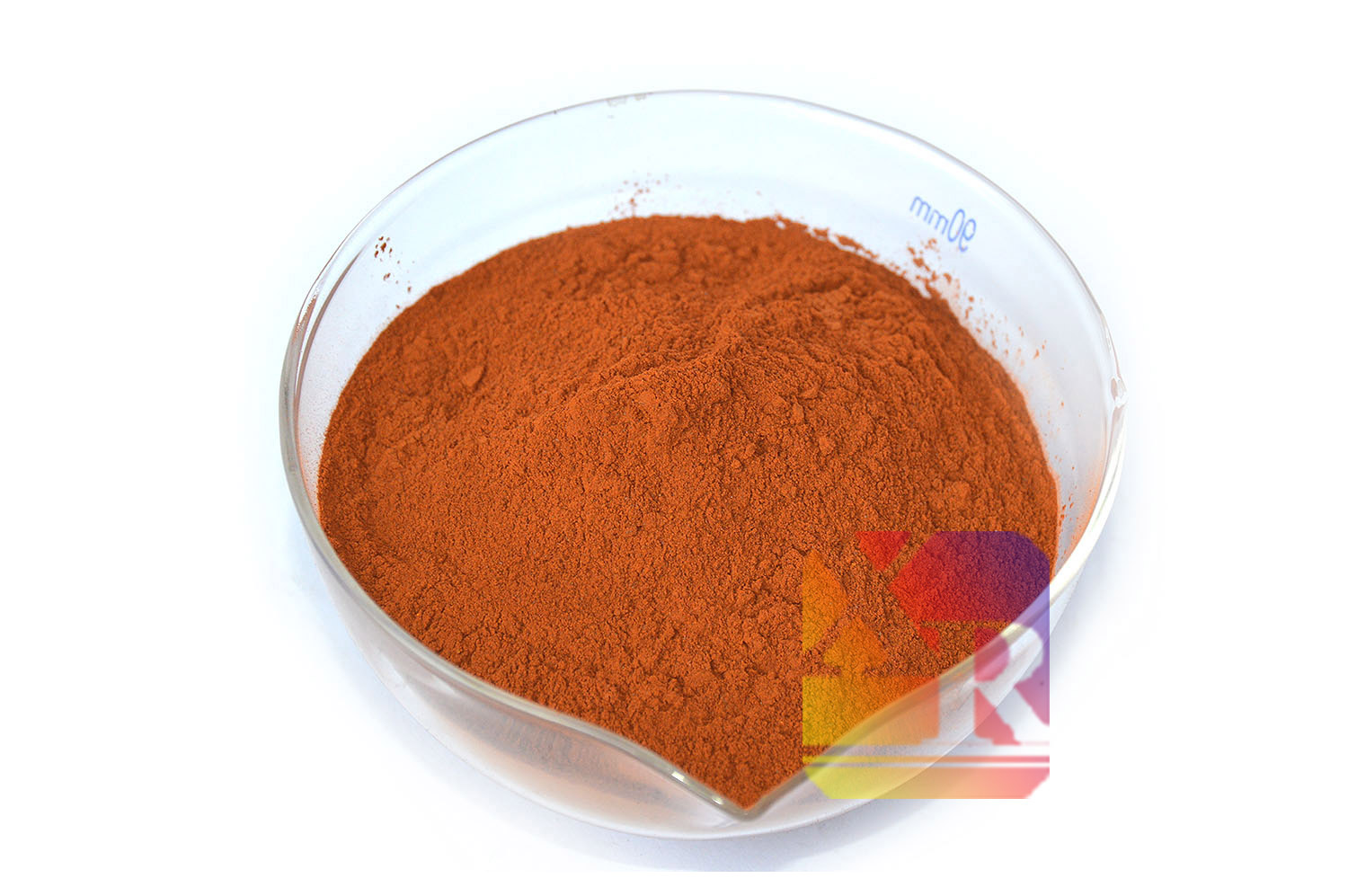
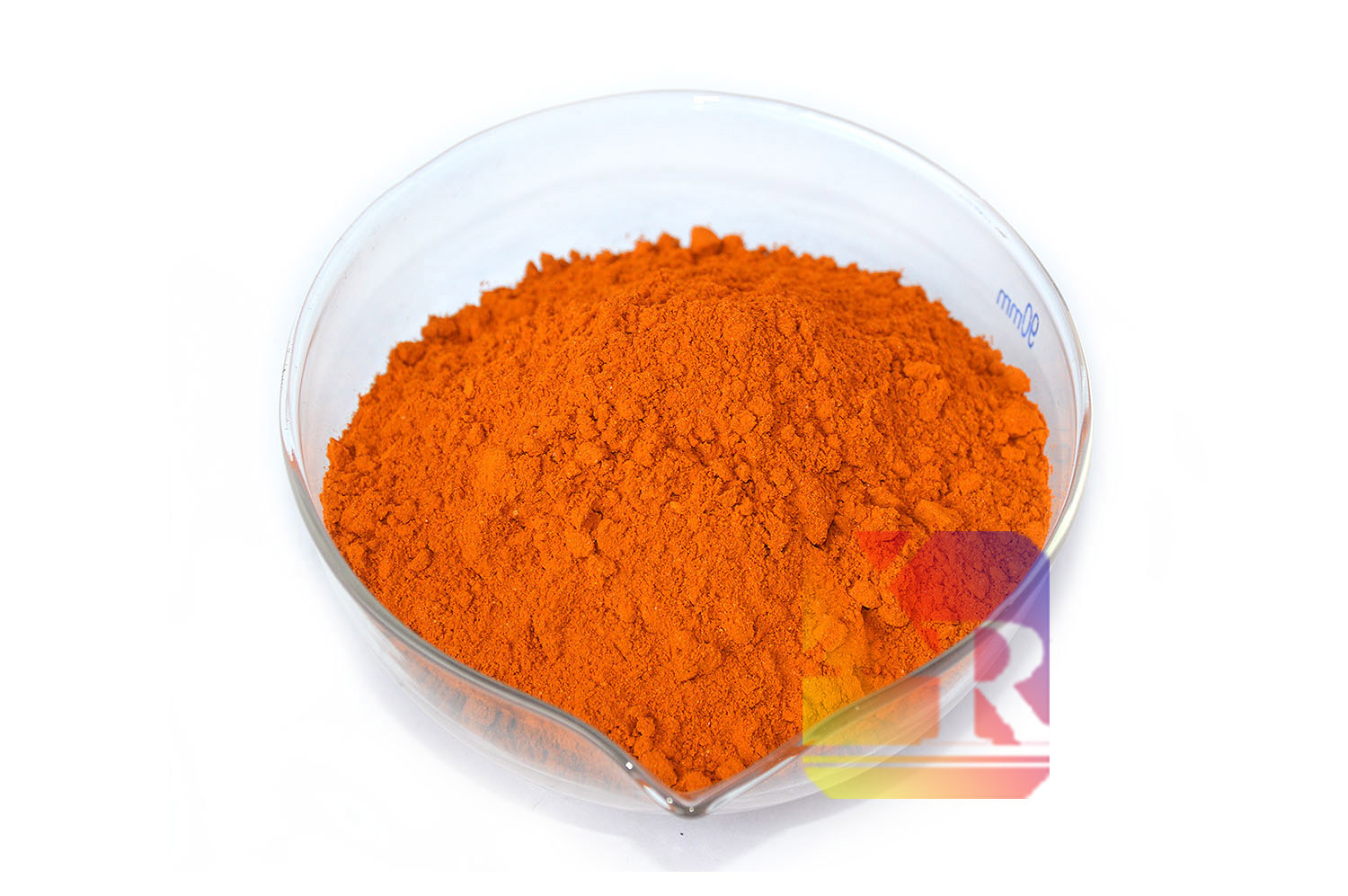
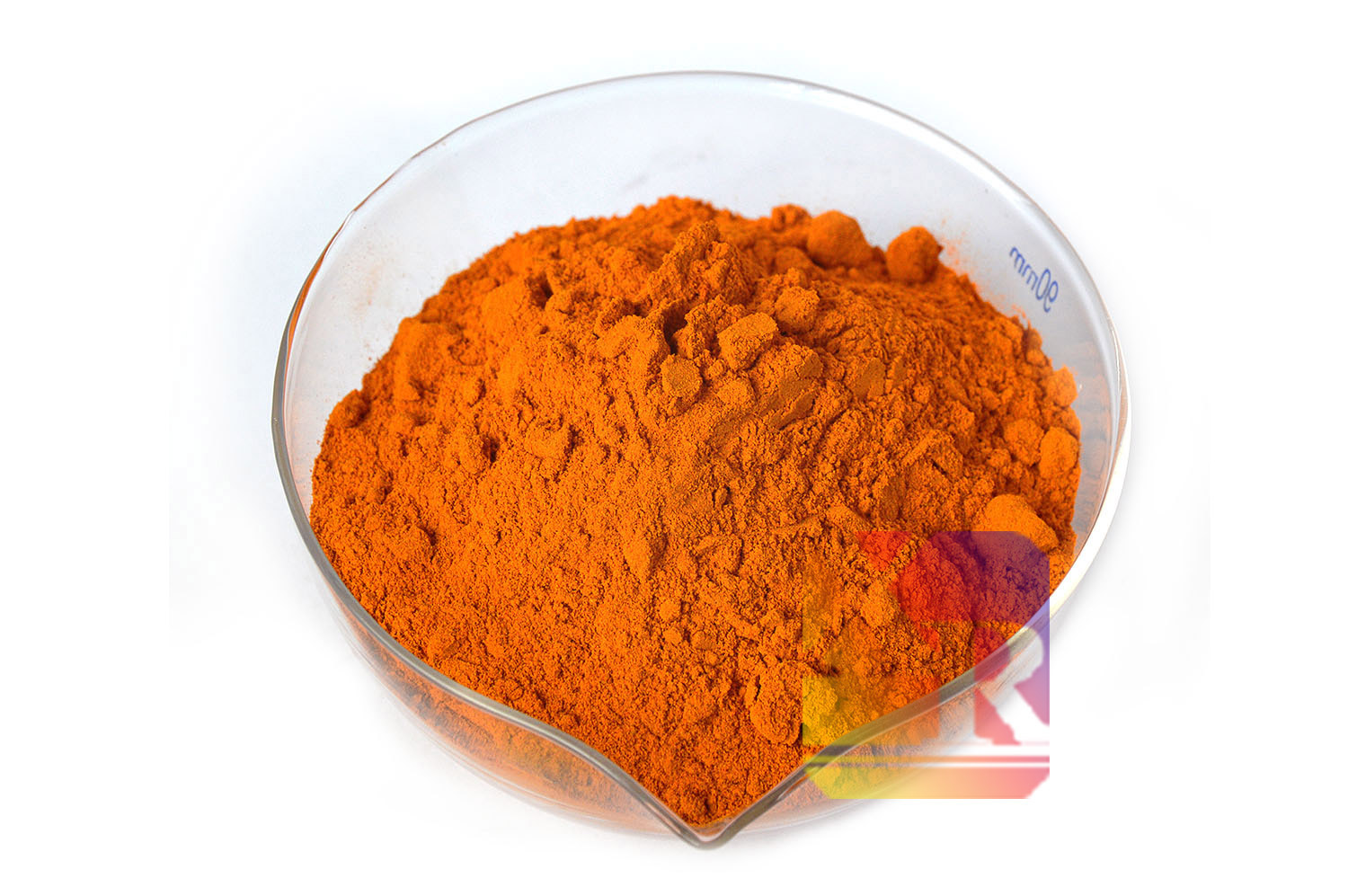
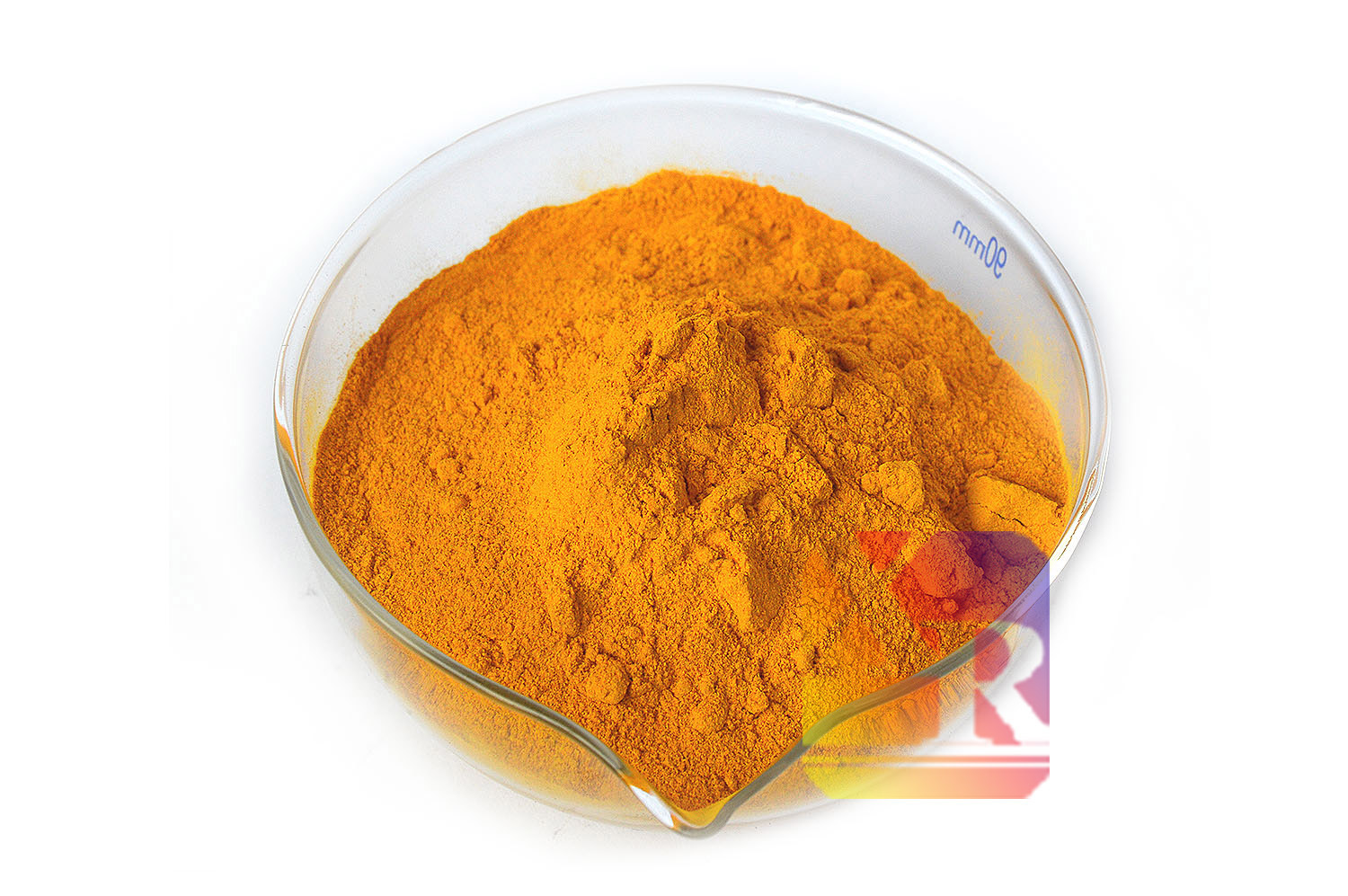
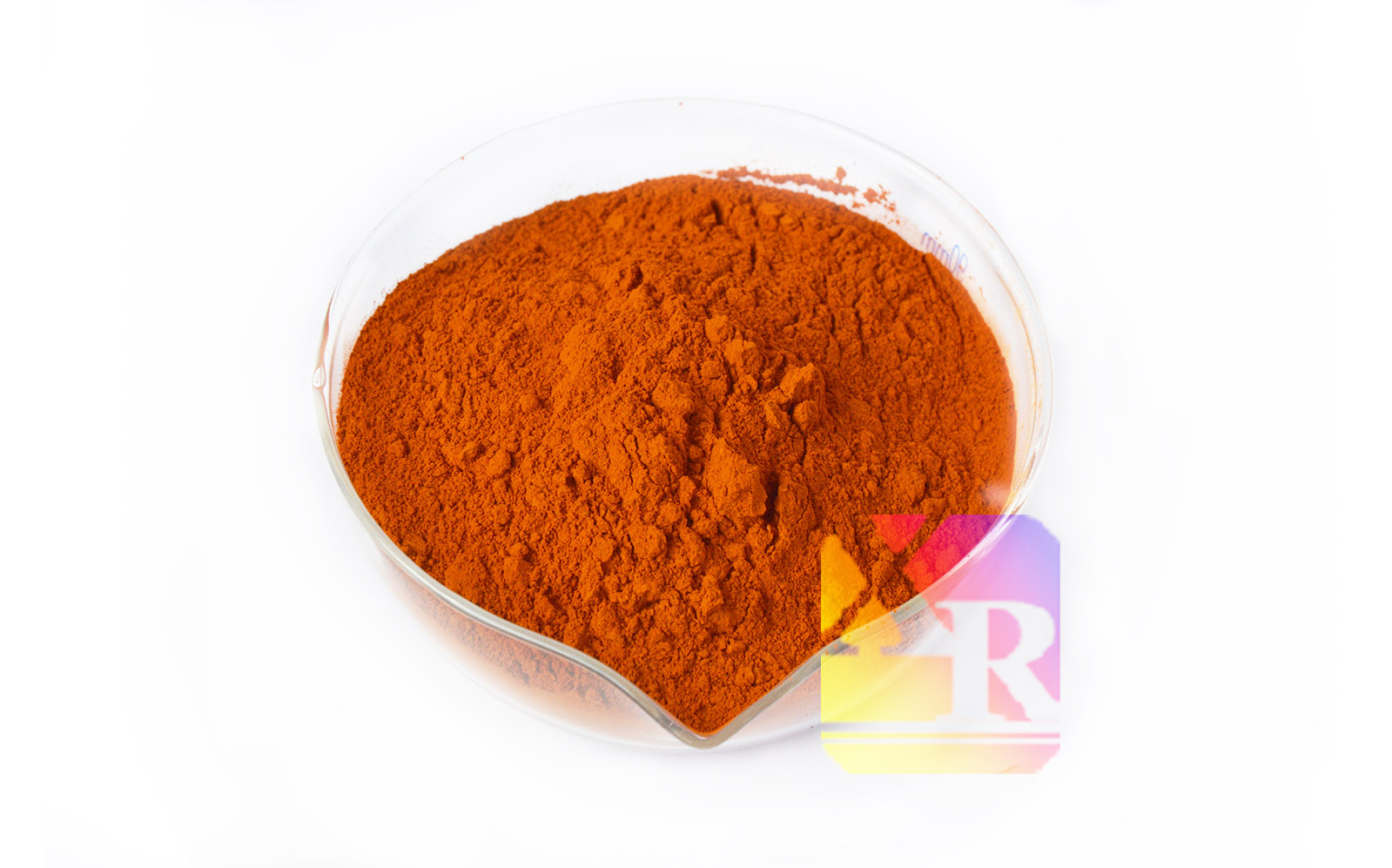
Mordant Dye Acid Mordant Dark Yellow GG Acid Yellow 10
Basic Information
Product Name: Acid Mordant Dark Yellow GG/Acid Yellow 10
C.I. No.: Acid Yellow 10
CAS No.: 6054-99-5
Chemical Formula: C13H8N2Na2O6S
Molecular Weight: 366.257
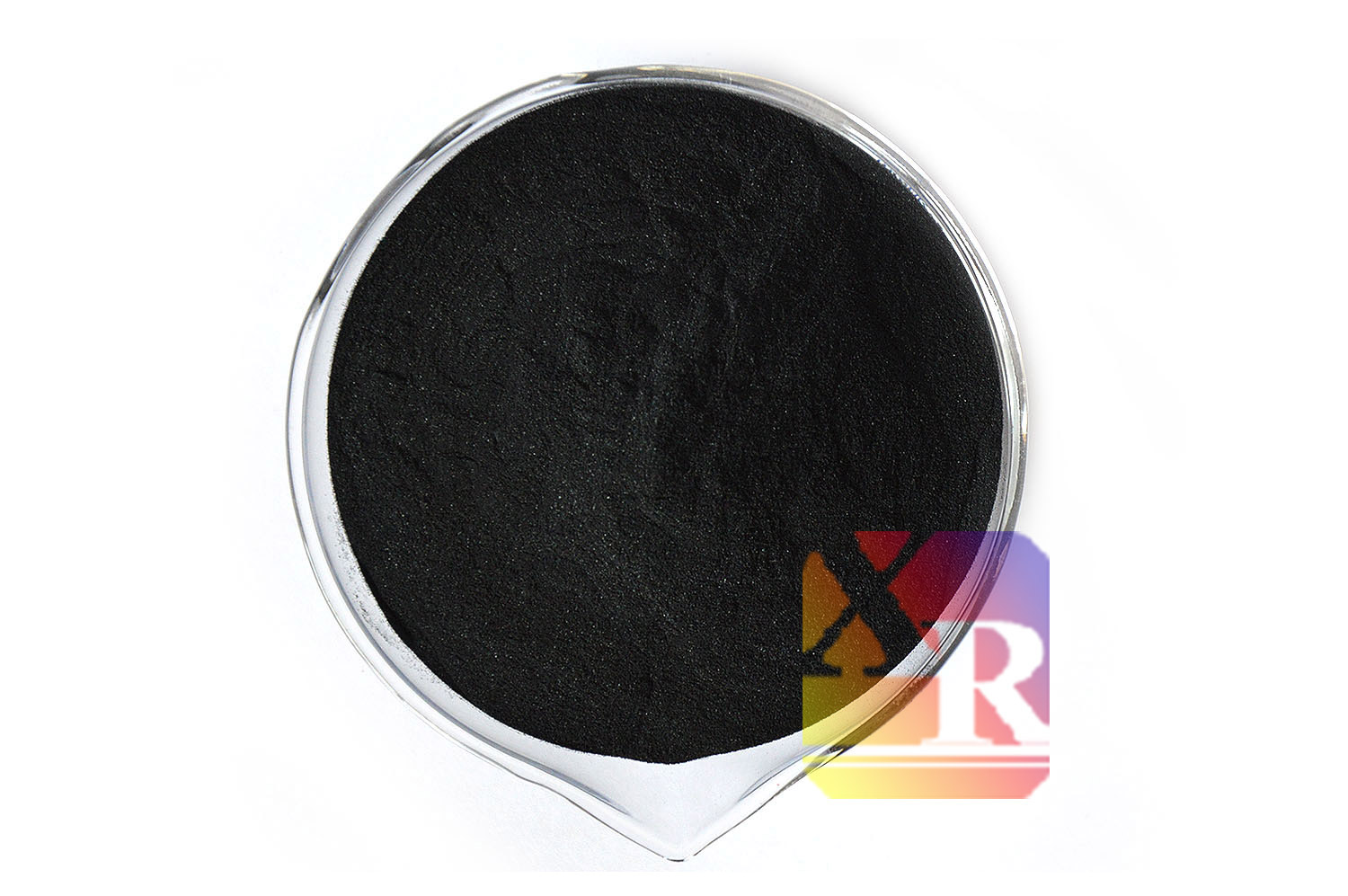
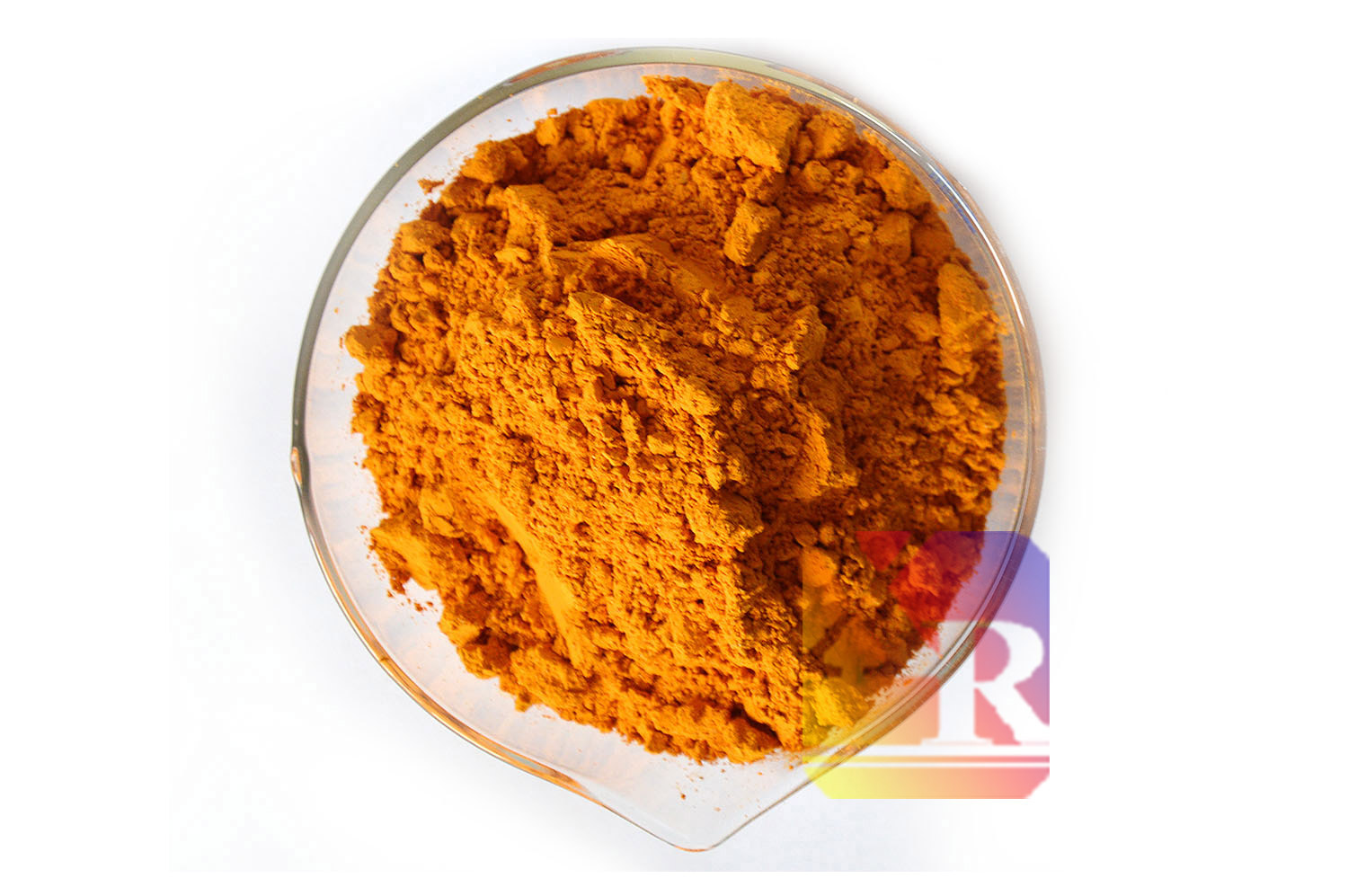
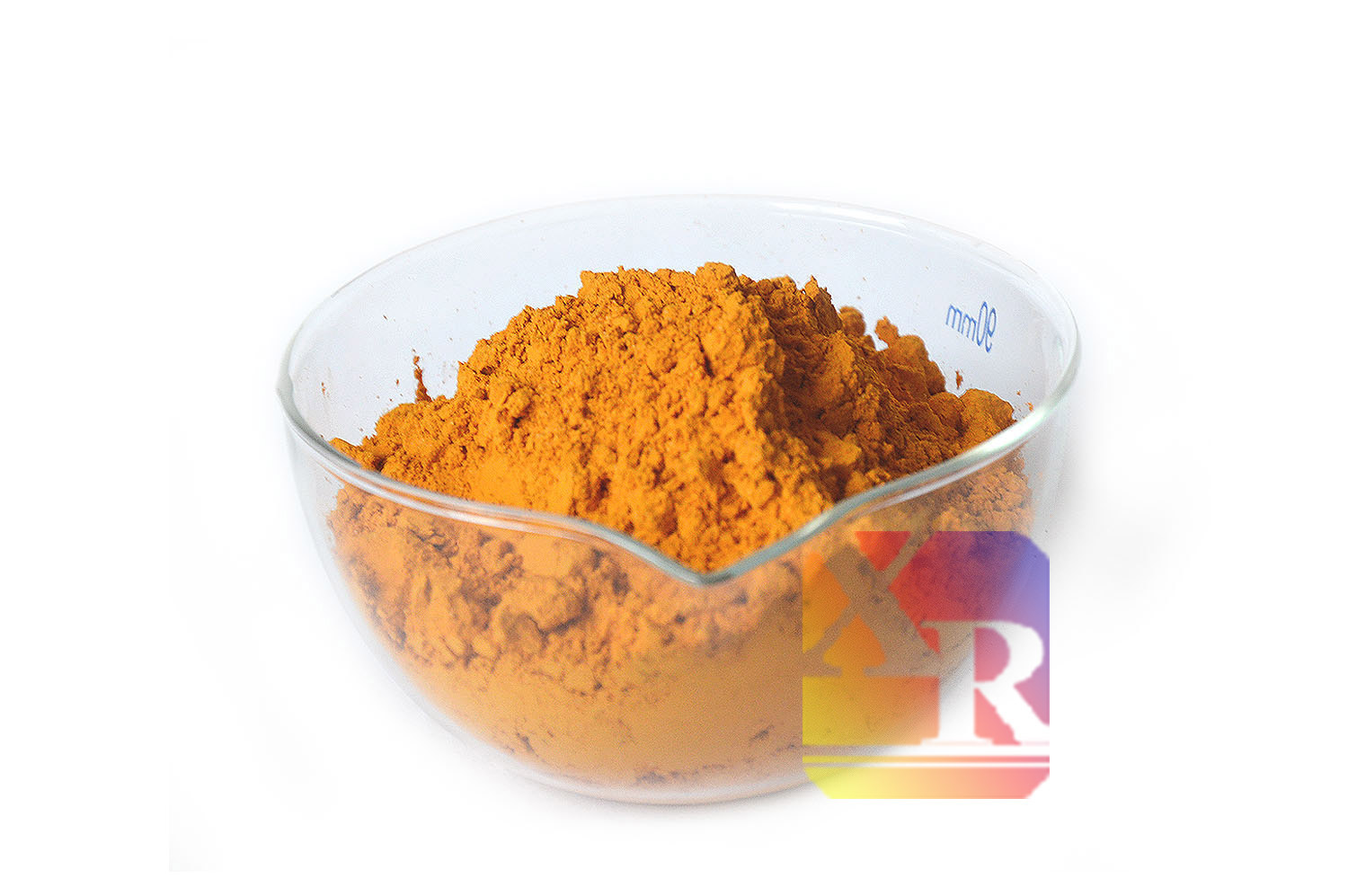
Appearance: Yellow powder
Product Characteristics
Acid Mordant Yellow GG is an azo-type acidic mordant dye.
Basic Physicochemical Properties
1. Appearance: Uniform powder ranging from deep yellow to light yellow, with fine dye particles.
2. Solubility: Acid Mordant Yellow GG dissolves readily in cold and hot water, forming a bright yellow aqueous solution; slightly soluble in ethanol and cellulose solvent; insoluble in nonpolar organic solvents such as benzene and ether.
3. Solvent Color Change Reactions:
In concentrated sulfuric acid: exhibits a redish-yellow hue; upon dilution with water, yellow precipitate forms.
In concentrated nitric acid: produces a yellow solution.
When concentrated hydrochloric acid or concentrated sodium hydroxide is added to the aqueous solution, the color remains yellow without significant precipitation.
4. Ion Type and Stability: Acid Mordant Yellow GG is an anionic dye, stable when stored dry and sealed. It must not be mixed with cationic dyes or cationic auxiliaries, as this may lead to chelate precipitation. Exposure to strong oxidizing agents causes fading and decomposition.
5. Influence of Metal Ions: Copper ions in the dye bath darken the shade; iron ions cause a noticeable reddish-dark shift. Soft water is recommended for dyeing.
Dyeing Process Characteristics
Acid Mordant Yellow GG is a mordant dye that requires chrome mordanting to achieve high fastness. Without mordanting, fastness is poor. The mainstream method is post-mordanting.
1. Shade: Produces a greenish deep yellow after dyeing; after chromate mordanting, the shade becomes slightly deeper and darker. It is a classic mordant yellow dye used in woolen textile industries.
2. Applicable Fibers: Wool, silk, nylon; cotton, viscose, and diacetate fibers do not take up color effectively. In blended fabrics dyed together, nylon achieves deeper shades, silk appears lighter, while cotton components remain uncolored.
3. Key Process Points:
Dyeing stage: pH 4–5 in dye bath, adjusted with acetic acid; use sodium sulfate as a leveling agent; boil at 95–100°C for 40–60 minutes.
Mordanting stage (post-mordanting): After cooling, add chromate mordanting agent, adjust pH, maintain temperature for complexation. The dye forms insoluble metal complexes within the fiber, significantly improving fastness.
4. Leveling Performance: Acid Mordant Yellow GG offers excellent leveling and good transferability, minimizing color unevenness. Suitable for top, loose wool, and yarn dyeing.
5. Discharge Properties: Acid Yellow 10 has good discharge performance and can be used in fabric discharge printing processes.
Fastness Properties
Lightfastness: Grade 6
Washfastness: Grade 4–5
Perspiration fastness: Grade 4–5
Dry rubbing fastness: Grade 4–5; Wet rubbing fastness: Grade 4
Carbonization fastness: Grade 4–5; Pressing fastness: Grade 4–5
Application Features
1. Textile Printing & Dyeing: Suitable for loose wool, wool tops, yarns, and fine woolen fabrics; silk and nylon are dyed using post-mordanting methods. Acid Yellow 10 can also be used for direct printing on fabrics pre-treated with chromium salts. Ideal for single-color applications and can be blended with other acidic mordant dyes to achieve desired shades.
2. Leather & Fur: Used for fur and chrome-tanned leather dyeing, producing a greenish yellow shade. After mordanting, it shows excellent wet rub and light resistance.
3. Limitations: Acid Yellow 10 is unsuitable for direct ink preparation due to its requirement for chrome mordanting. High fastness only occurs once complexation is completed on the fiber surface. In aqueous solution, no complexation occurs, resulting in poor wet fastness.
Advantages and Disadvantages
Advantages:
1. Excellent lightfastness after chrome mordanting, with outstanding resistance to washing, perspiration, and carbonization—ideal for outdoor and high-wash-demand wool products.
2. Good leveling and transfer properties, moderate affinity for wool, low risk of color irregularities, and mature processing technology.
3. Excellent compatibility for blending with most mordant dyes; good discharge performance.
4. High water solubility and easy dissolution.
Disadvantages:
1. Must undergo chrome mordanting, increasing process complexity; color tone changes after mordanting, requiring full simulation of the entire mordanting procedure during sample testing.
2. Significant interference from copper and iron ions on color tone, necessitating strict water quality control.
3. Chrome-containing wastewater is generated during mordanting, requiring proper wastewater treatment; cannot be directly applied to cellulosic fibers.
4. The color tone after dyeing is relatively dull, and the brightness is inferior to that of ordinary acid yellow.