




Stilbene Direct Dye Direct Yellow 11
Basic Information
Product Name: Direct Yellow 11, Direct Yellow R, Direct Yellow 2G, Sun Yellow
C.I. No.: 40000
CAS No.: 1325-37-7
EINECS No.: 215-393-6
Chemical Formula: C₁₆H₁₀N₂Na₂O₇S₂
Molecular Weight: 452.37
Product Description
Direct Yellow 11 (also named Direct Yellow R, Sun Yellow) is a stilbene-based direct dye. Vivid reddish-yellow shade can be achieved in single-bath dyeing. Cost-effective, it is widely used for colouring cellulosic fibre, paper and leather.
Physical & Chemical Properties
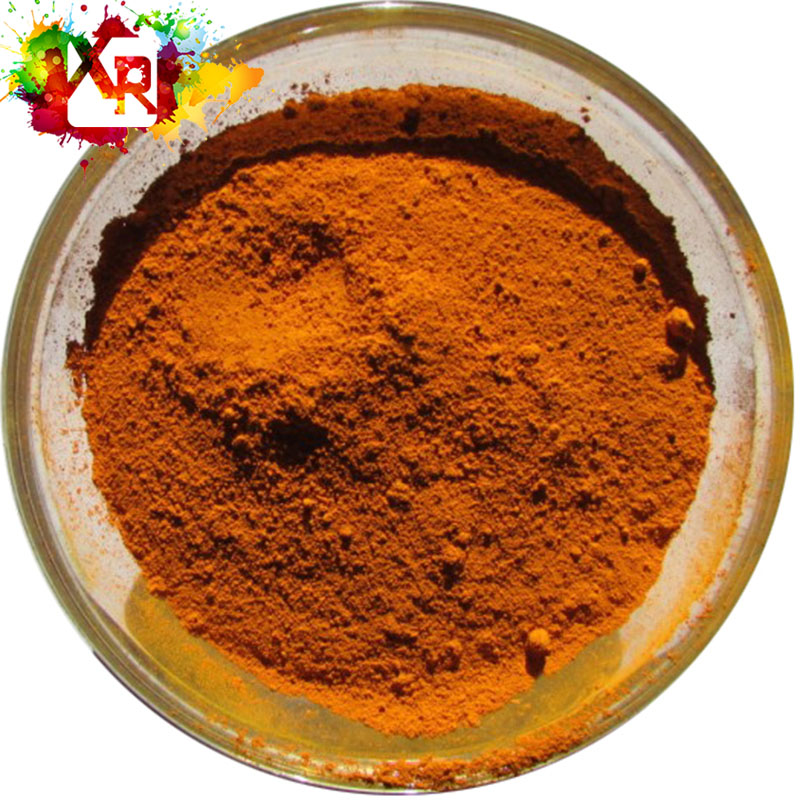
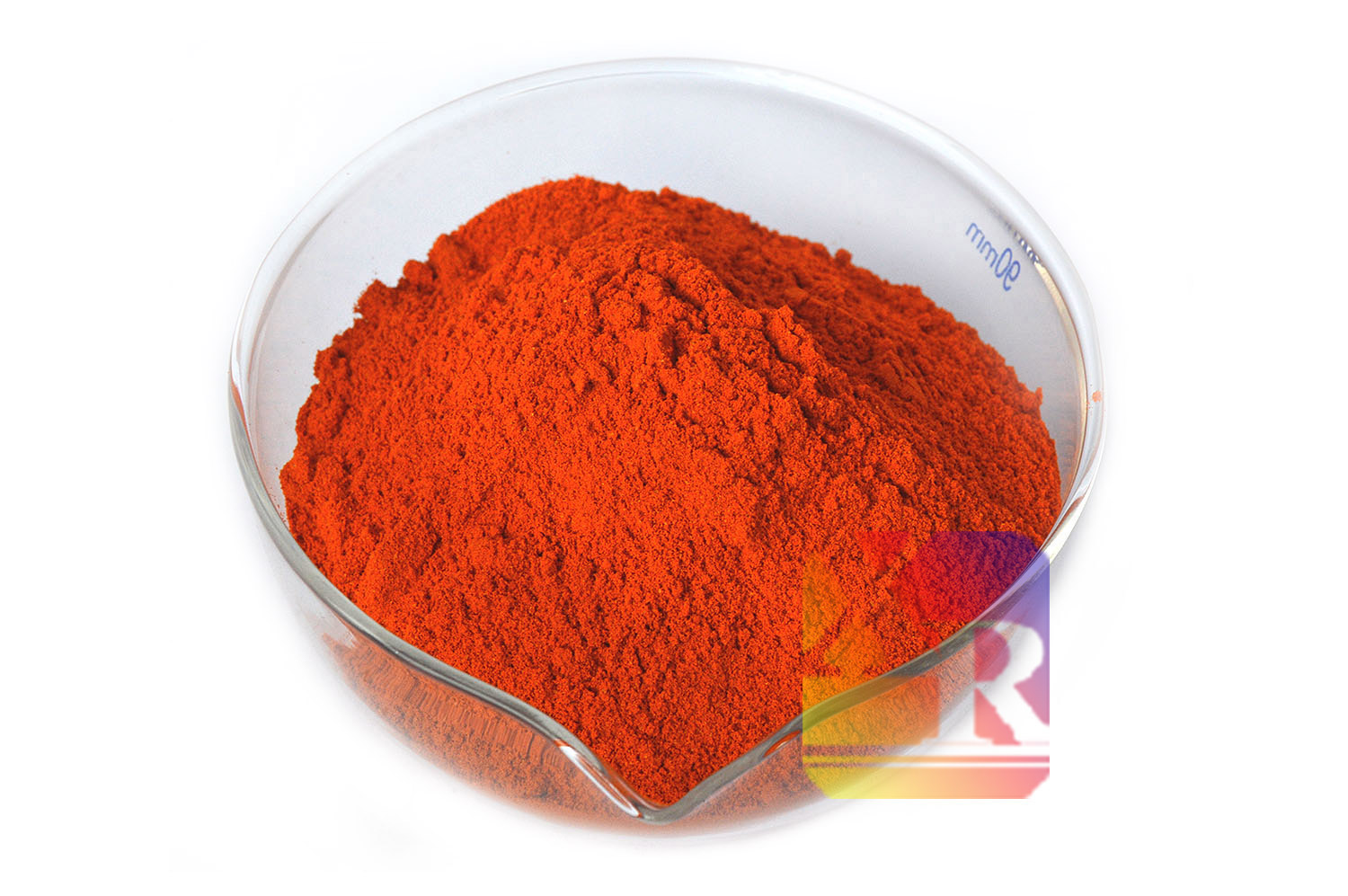
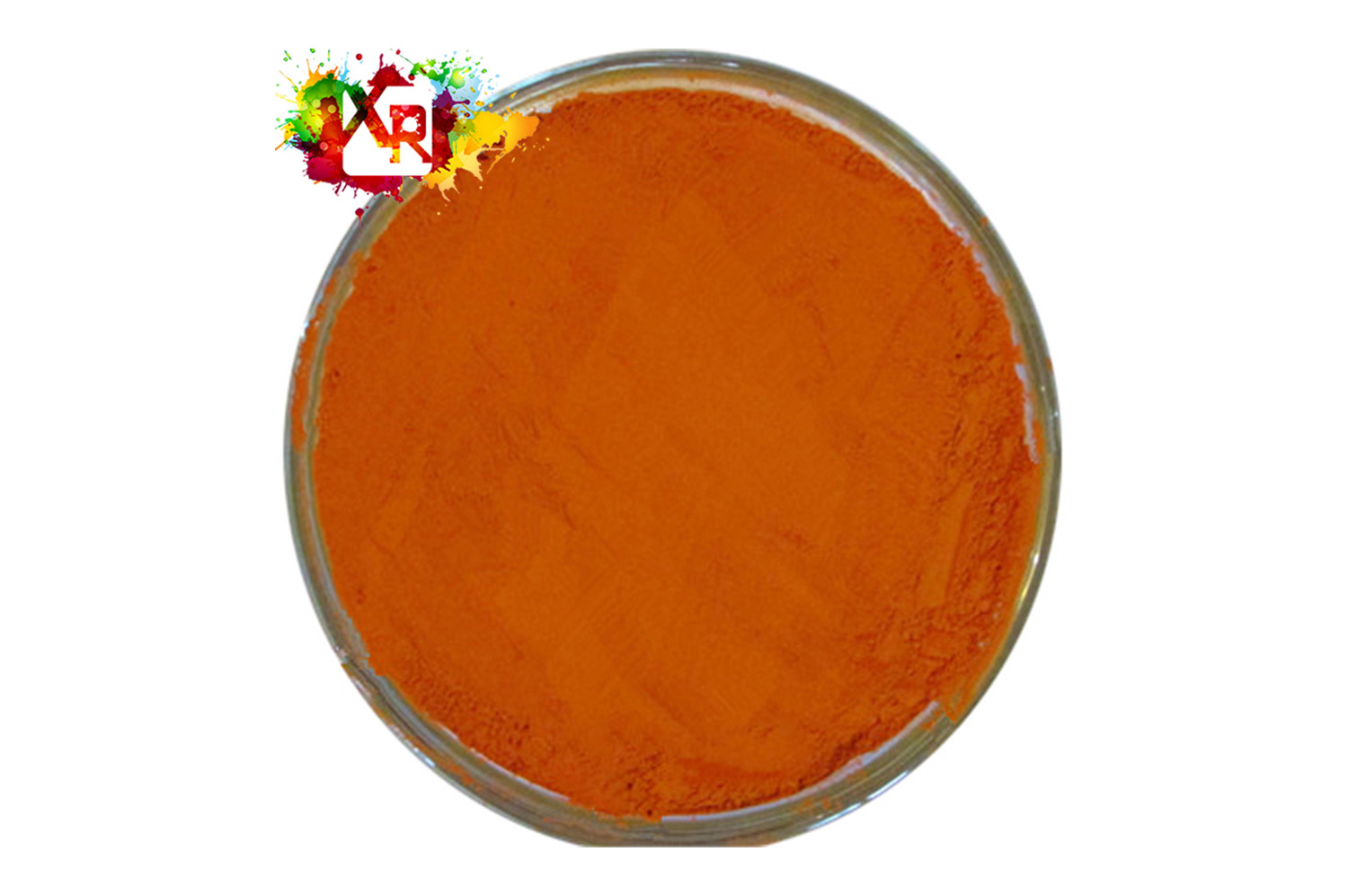
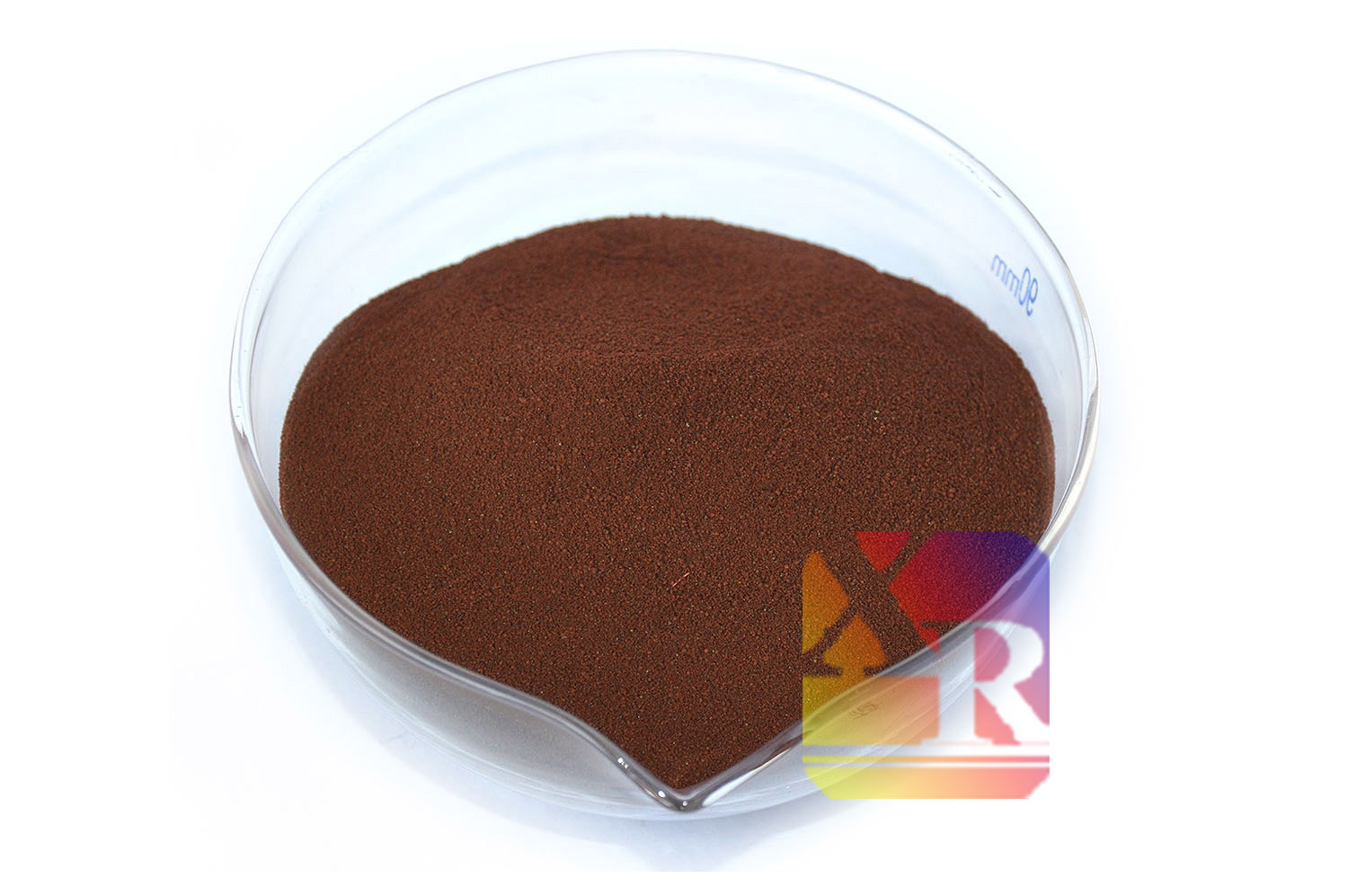
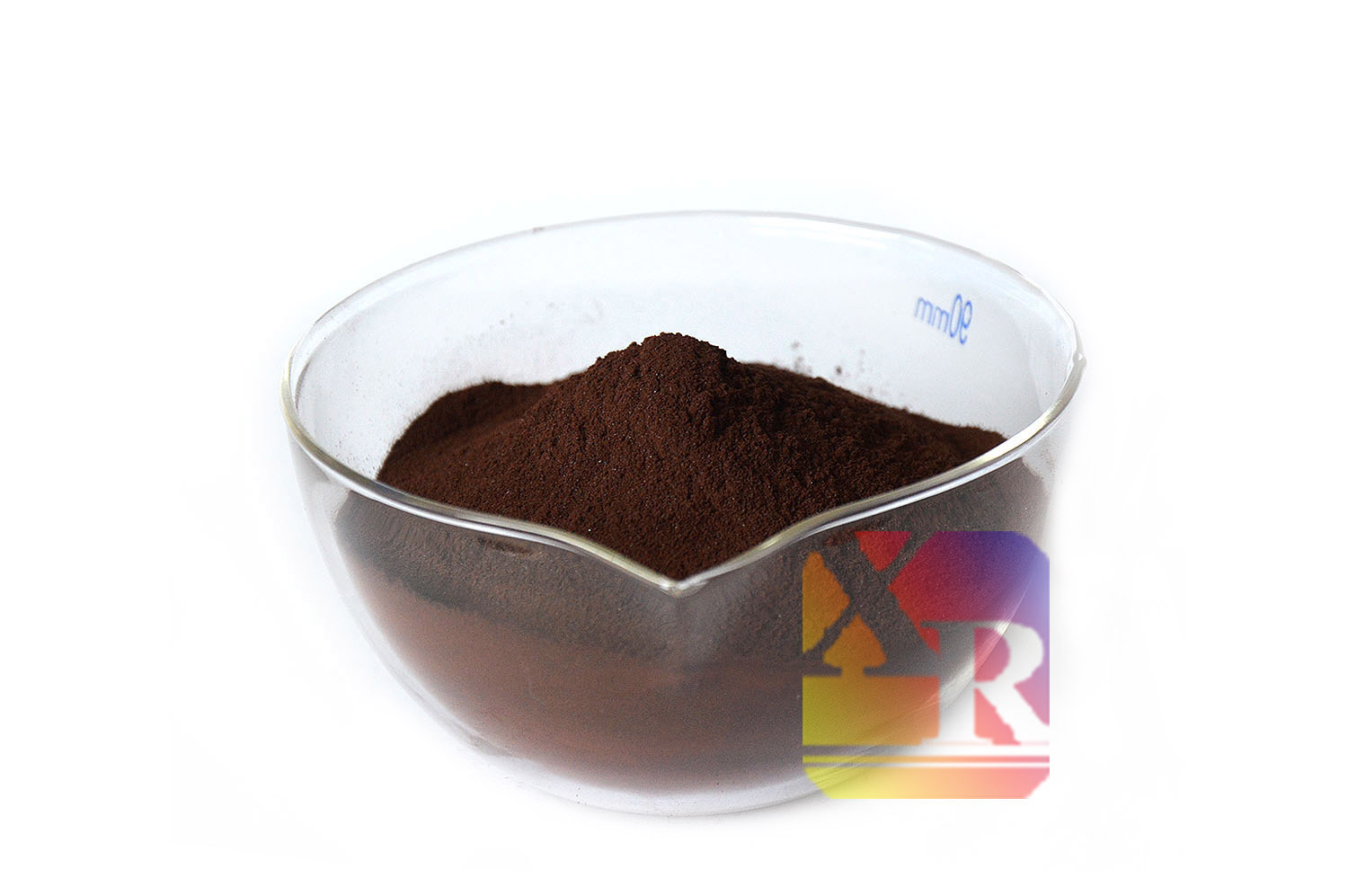
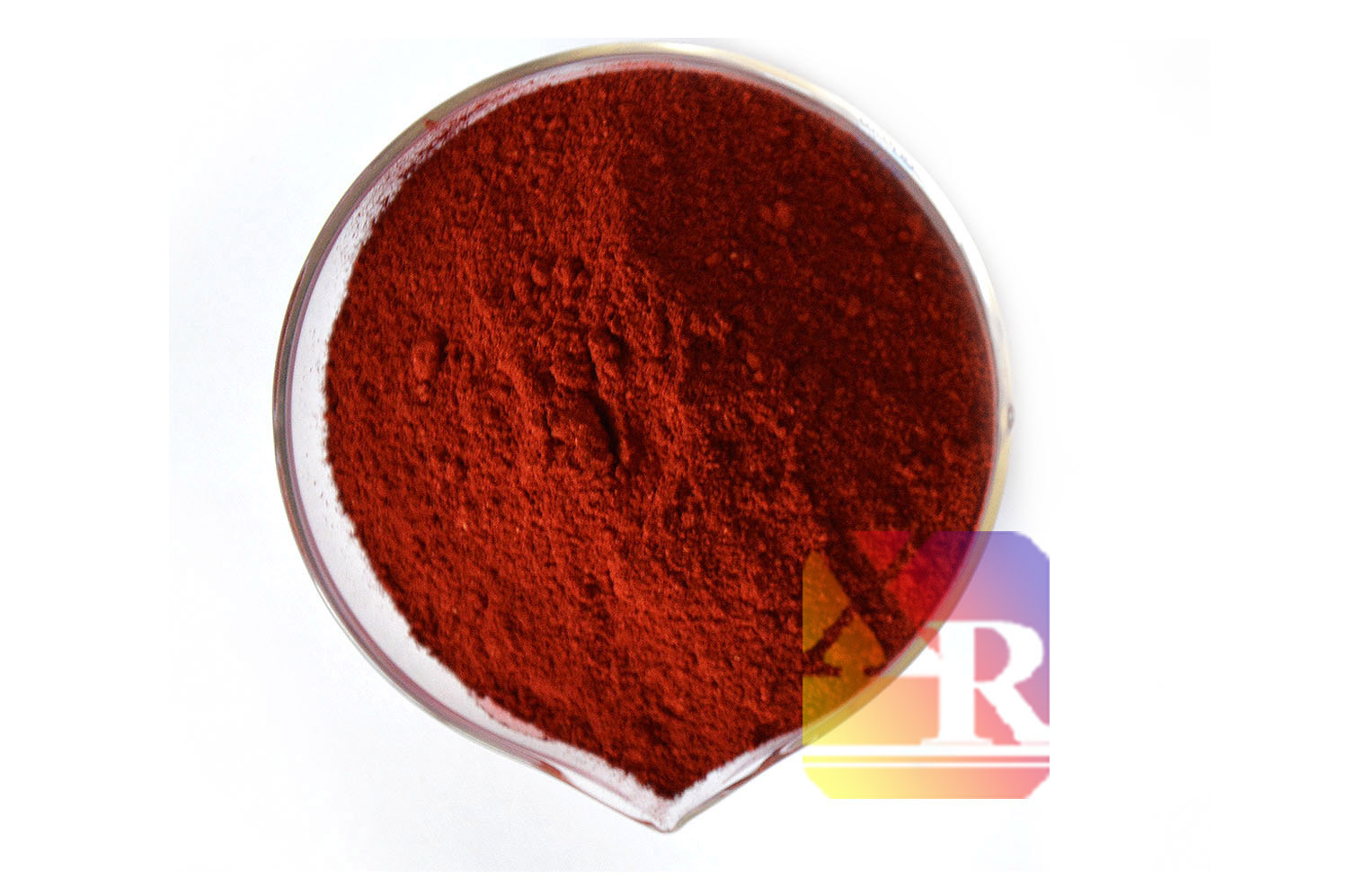
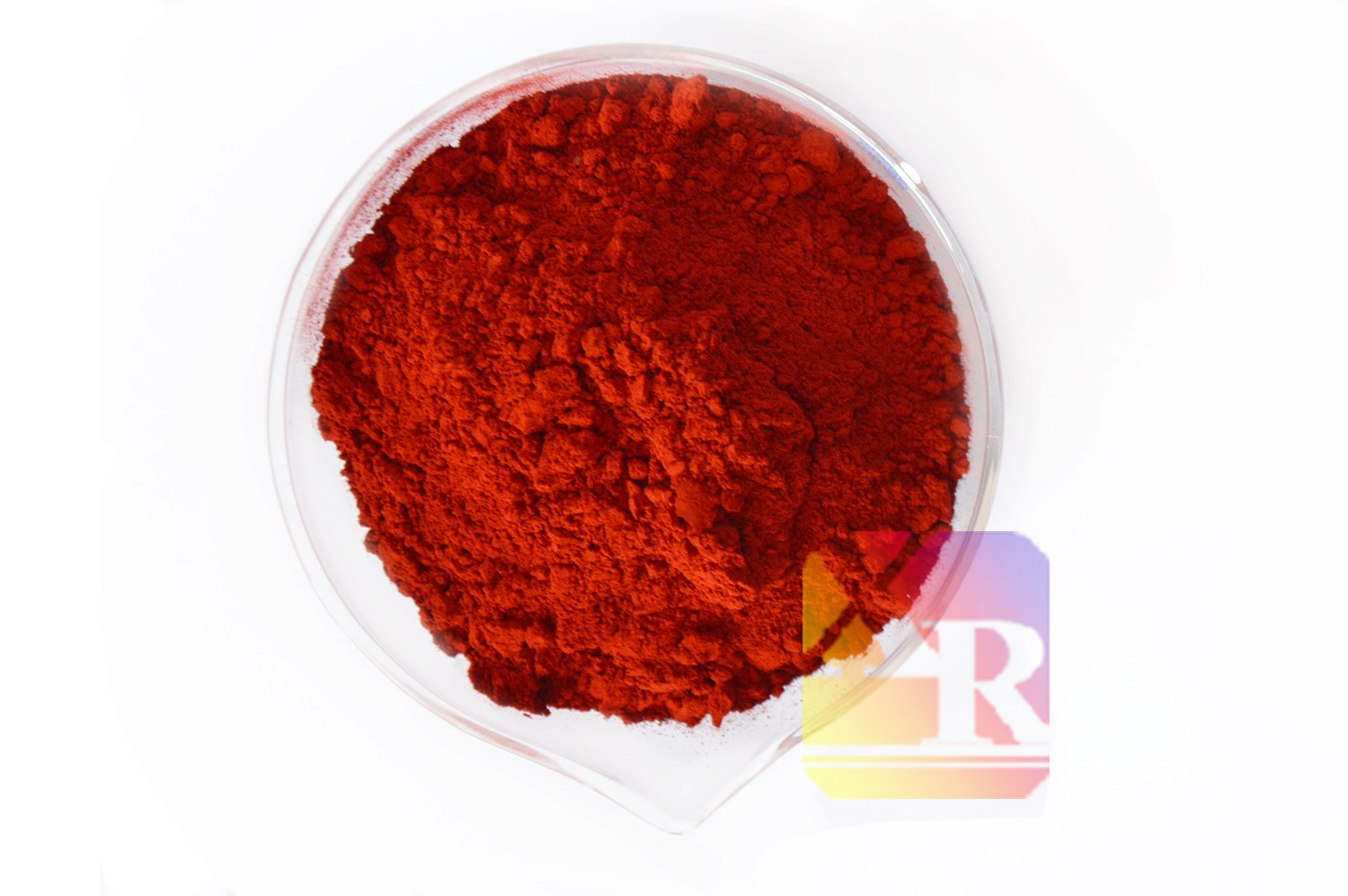
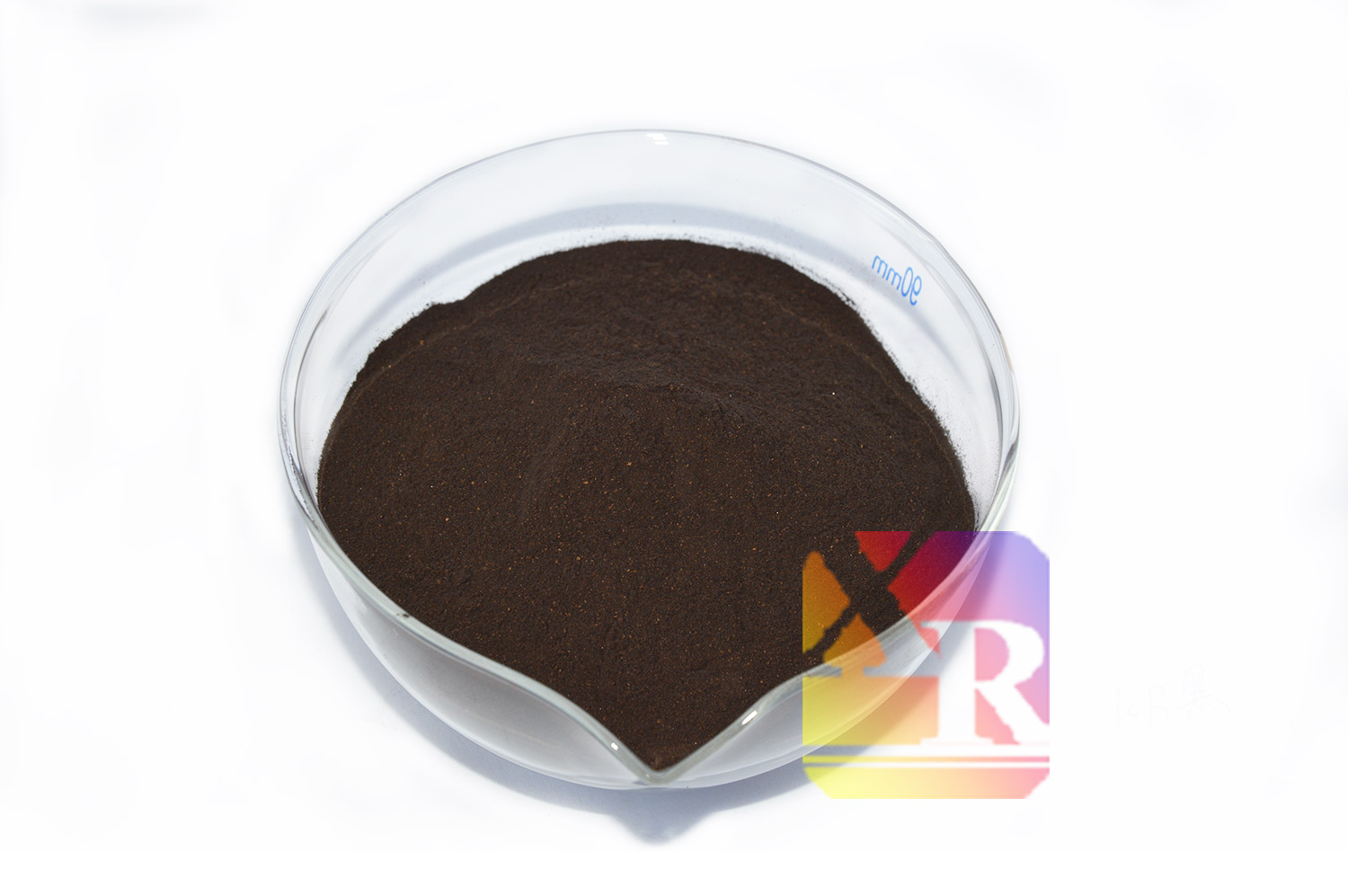
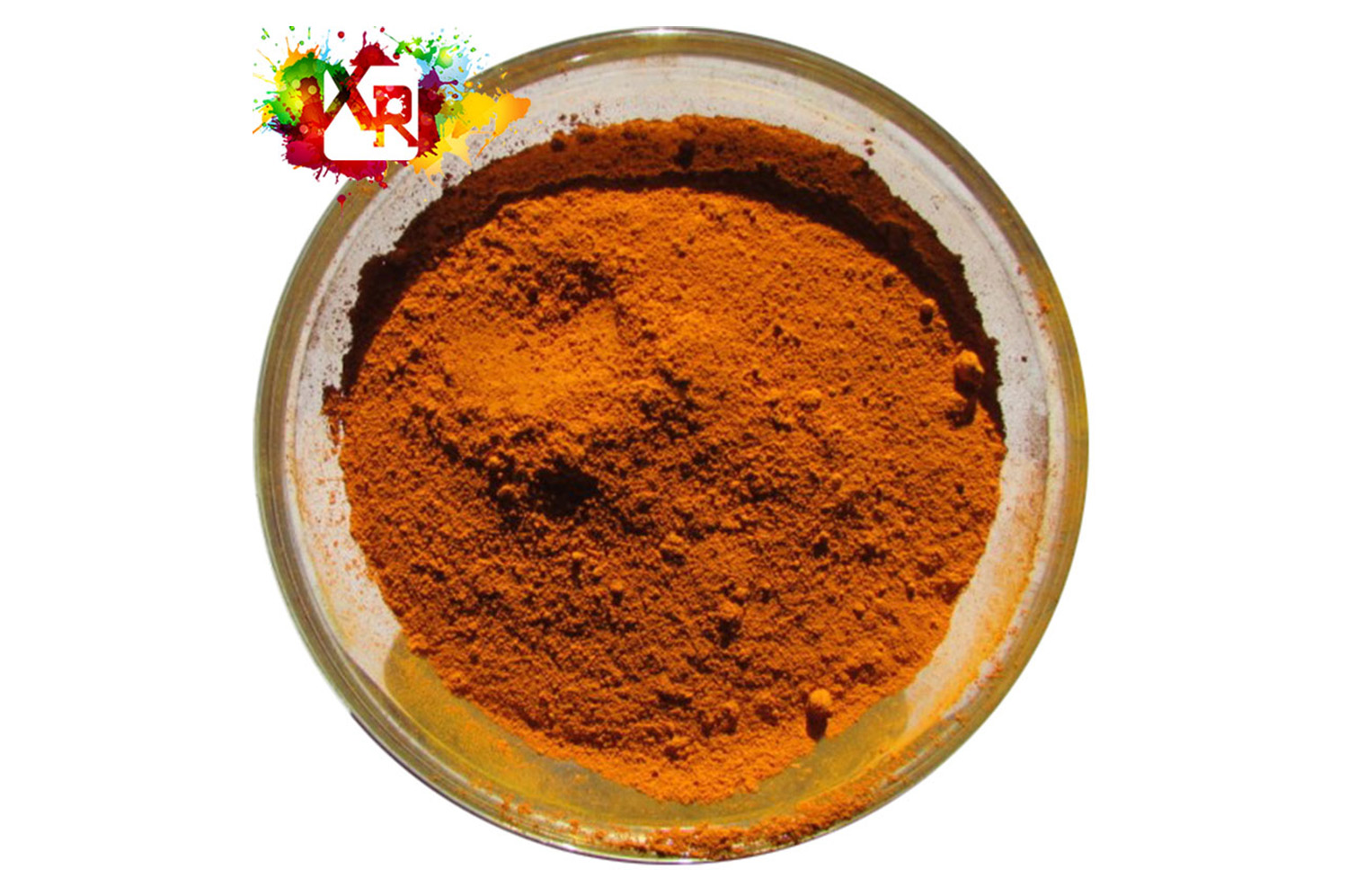
Appearance: Brown to reddish-brown homogeneous powder. Solubility: Easily soluble in water with reddish-yellow shade; slightly soluble in ethanol; practically insoluble in other organic solvents. Acid-alkali reaction: Dark reddish colour in concentrated sulfuric acid, turns dark-yellow after dilution. Olive-yellow precipitate with concentrated hydrochloric acid; golden-orange precipitate with concentrated sodium hydroxide. Metal influence: Copper ions make shade greenish; iron ions make shade darker. Avoid copper-iron equipment during dyeing.
Dyeing Properties
Good affinity for cellulosic fibres, optimum dyeing temperature 75-85℃. Poor levelness and migration property. Generally not suitable for printing and discharge printing. Fit for jig dyeing and exhaust dyeing.
Main Application Fields
Textile industry: Mainly for cotton, linen, viscose, jute and other cellulosic fibres; widely used for knit fabric, flannelette, viscose-silk interwoven fabric; also for some blended fabrics. Other industries: Widely applied for paper, leather dyeing, as well as ink and colour paste manufacturing. Colour mixing application: Can be used alone for reddish-yellow shade, or blended with other direct dyes to produce composite colours such as olive, brown and khaki.
Usage Method
Direct Orange 39 is an economical orange direct dye with good light fastness, mainly for dyeing cellulosic fibres like cotton and viscose.
1. Key Dyeing Process Points
Dye characteristics: Good dye uptake, poor levelness & migration. Neutral-weak alkaline dye bath, maximum affinity at 75-85℃. Avoid copper-iron facilities. Operation points: Raise temperature gradually, add sodium chloride or sodium sulphate in portions for exhaustion. Cool naturally to 60-80℃ after dyeing for better exhaustion and prevent uneven dyeing. Fastness improvement: Post-treatment with fixing agent is recommended to improve soaping fastness and wet rubbing fastness.
2. Application Scope
Textiles: Exhaust & jig dyeing for cotton knit goods, flannelette, viscose-silk interwoven fabric, not fit for printing. Other applications: Dyeing of paper and leather, preparation of ink and colour paste.