




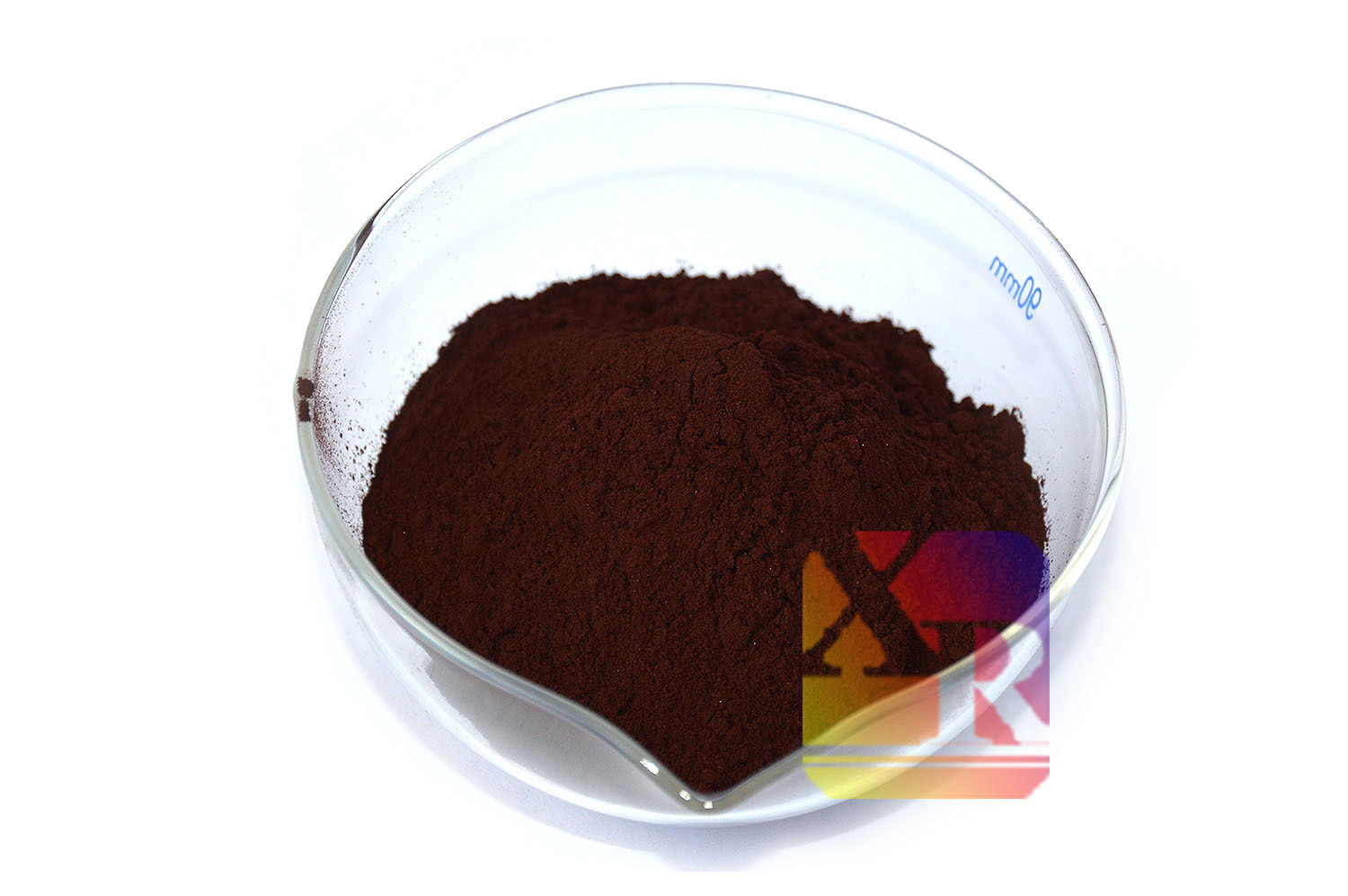
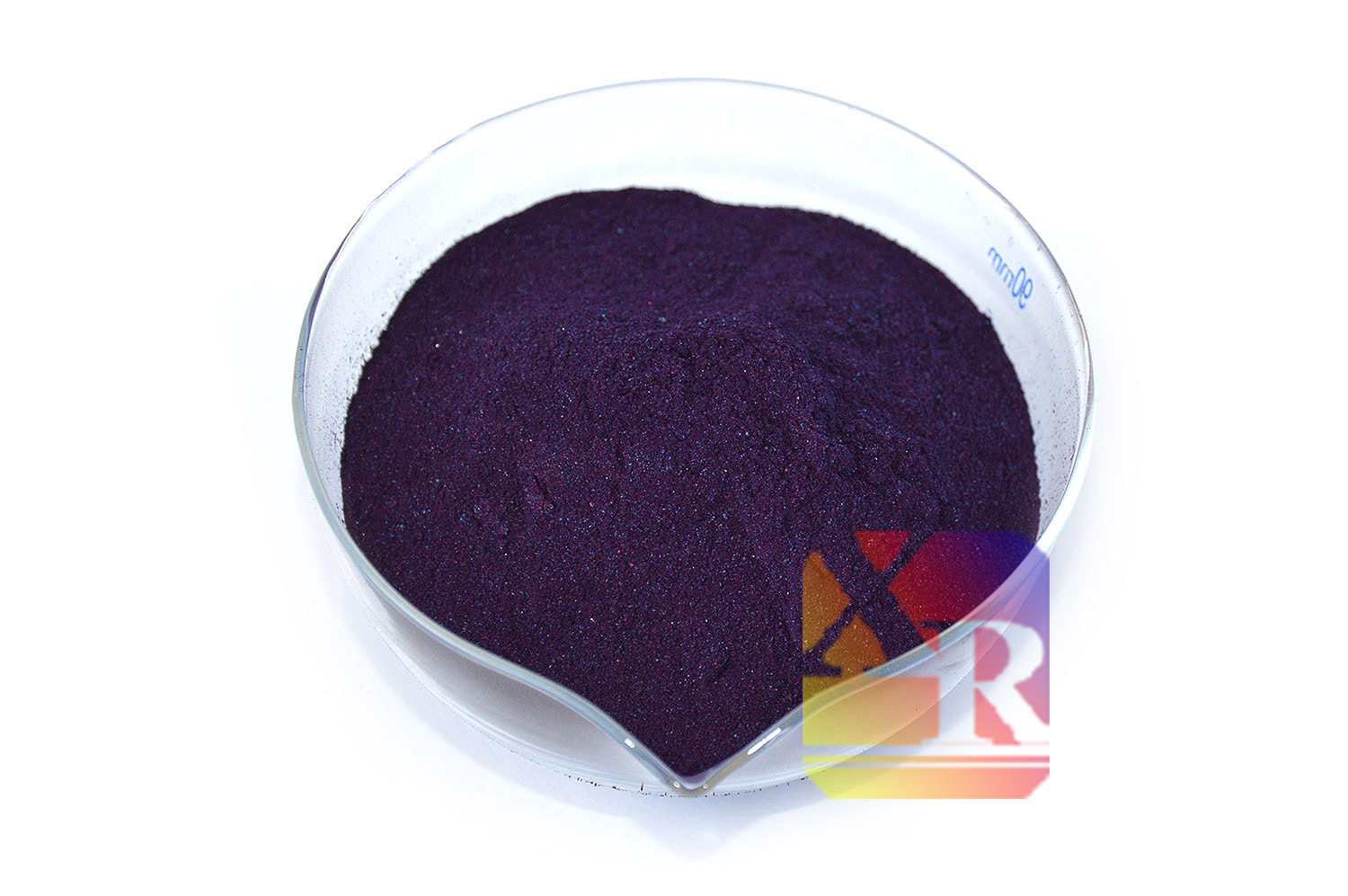
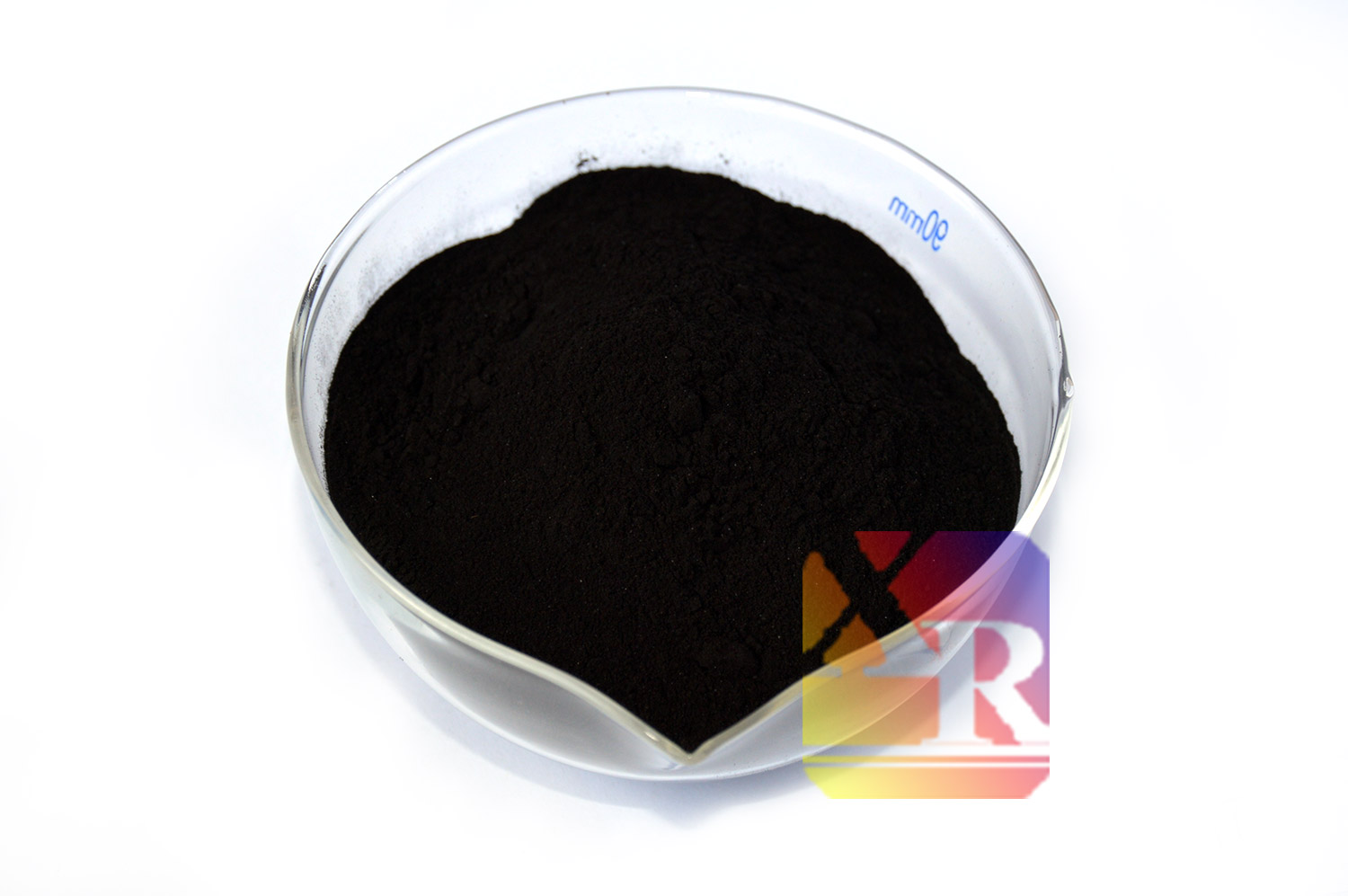
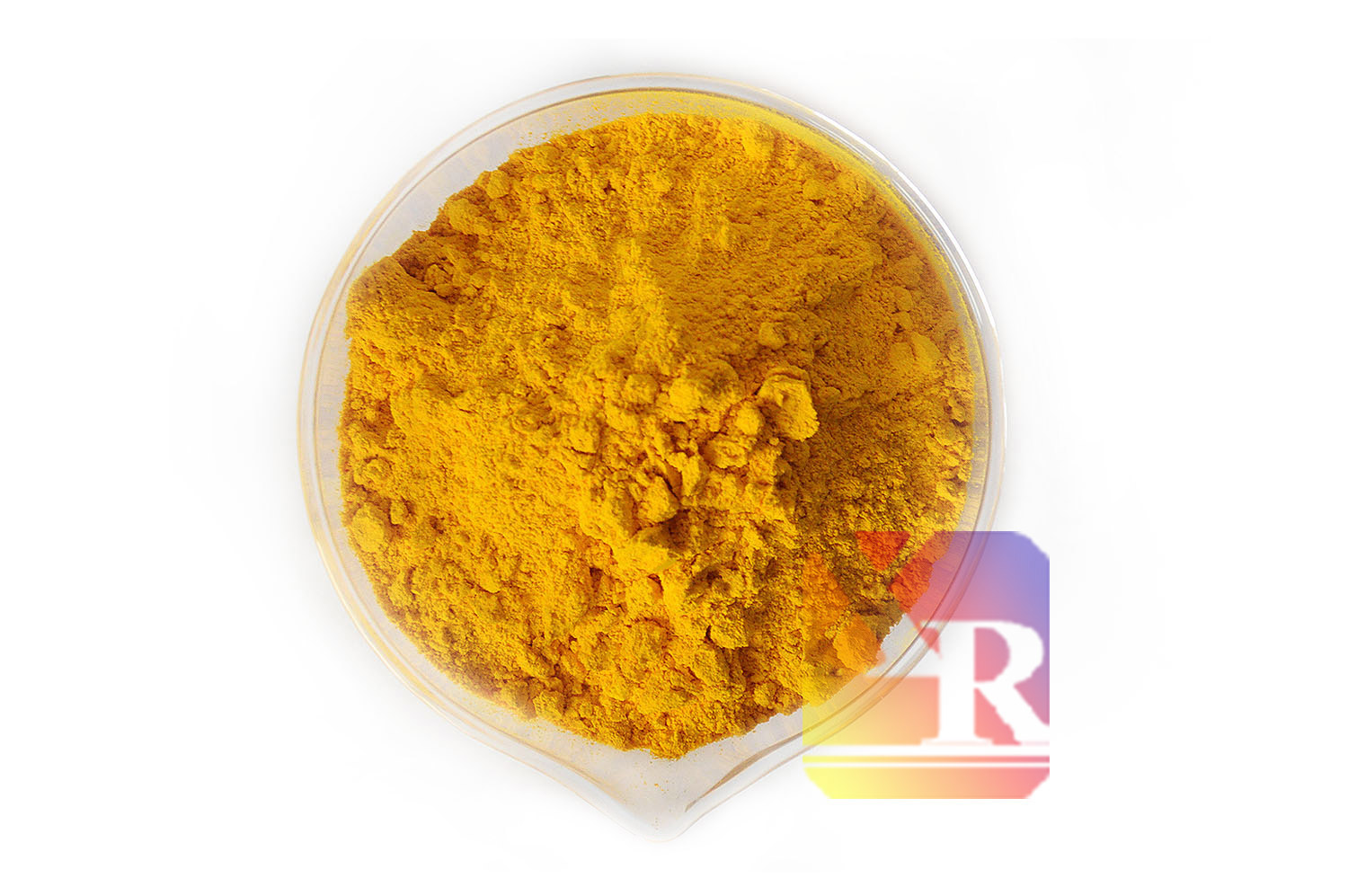
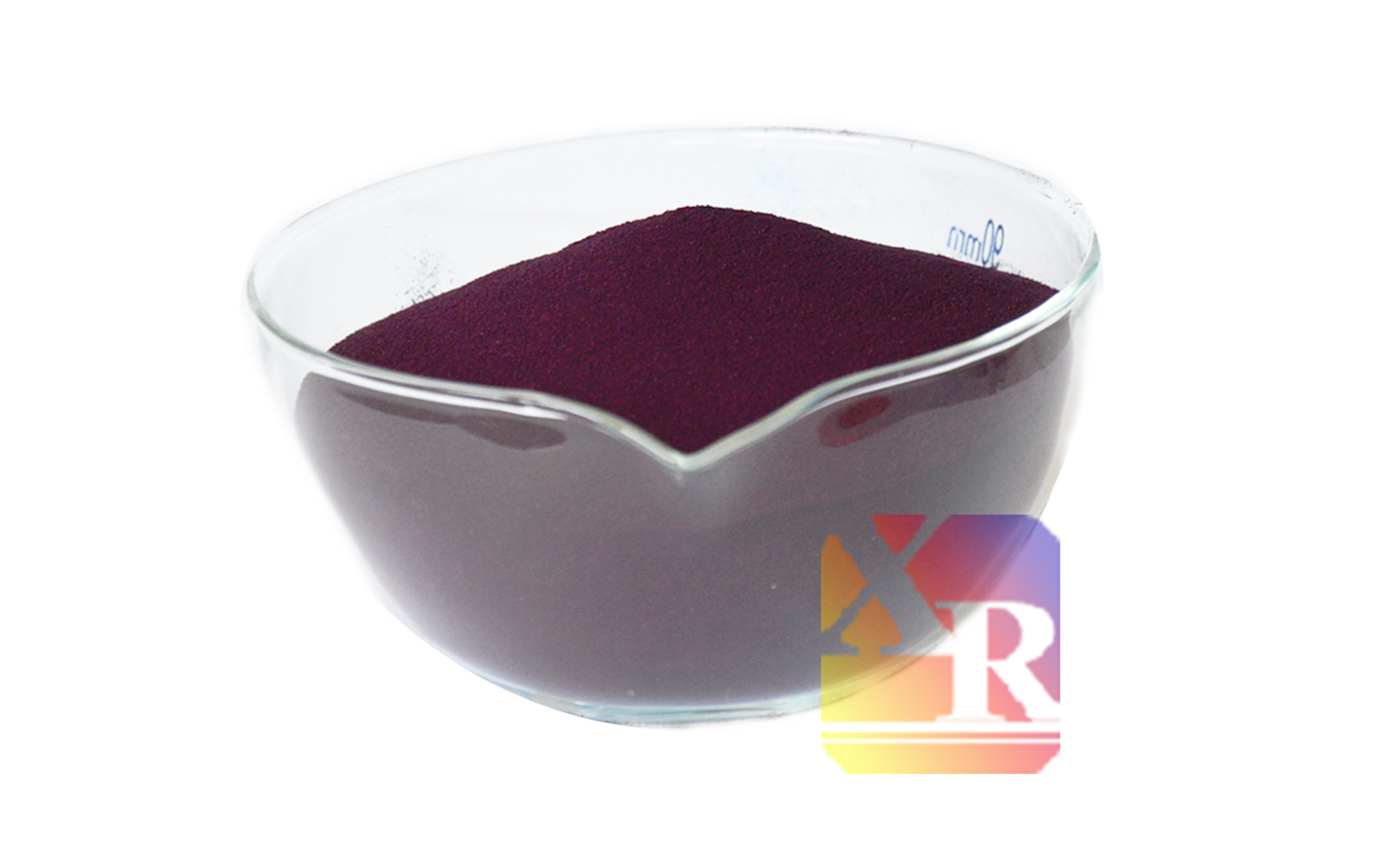
Water Soluble Dye Acid blue FG Acid Blue 9
Basic Information
Product Name: Acid blue FG/Acid Blue 9
C.I. No.: Acid Blue 9
CAS No.: 2650-18-2
Chemical Formula: C37H42N4O9S3
Molecular Weight: 782.946
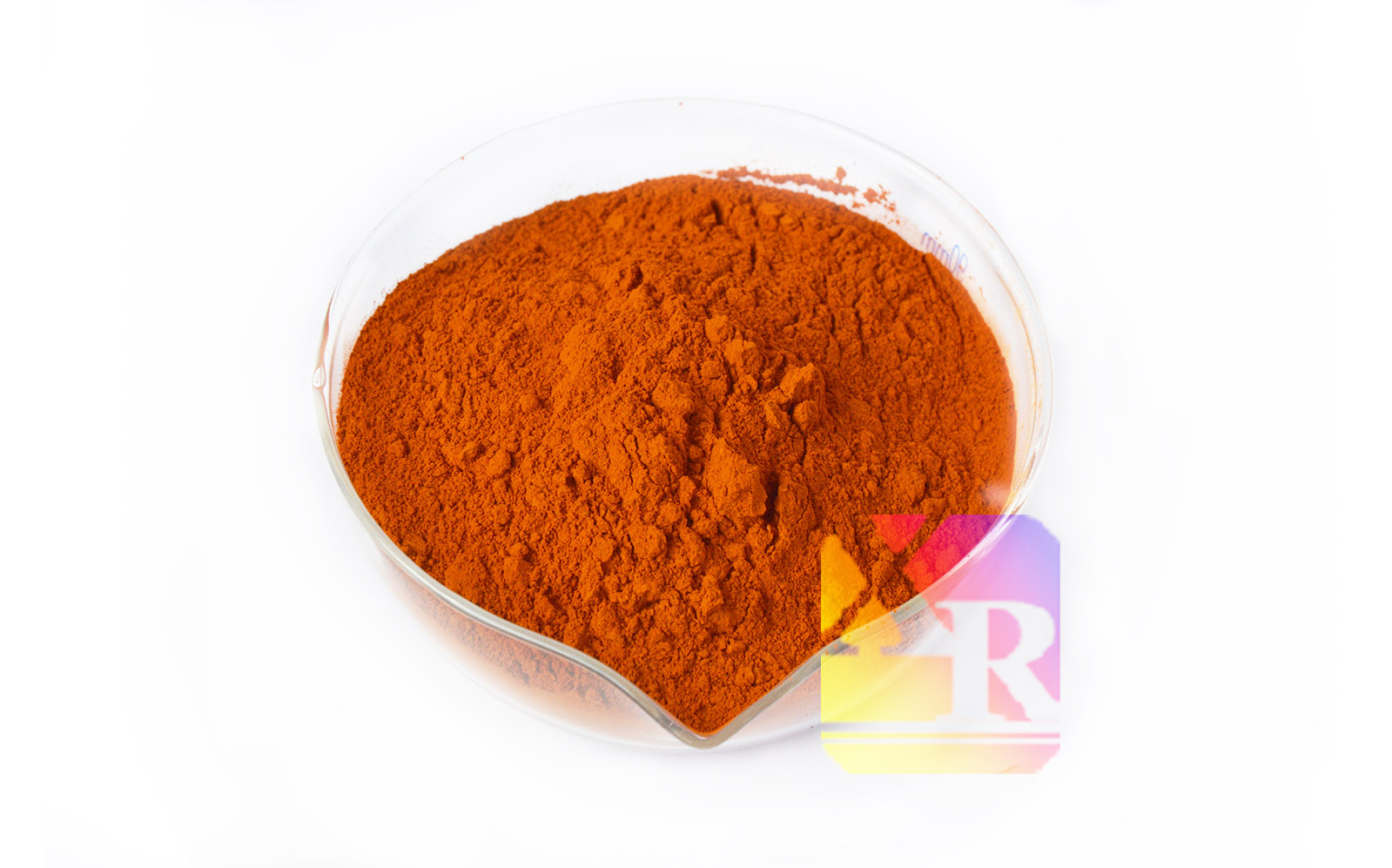
Appearance: Blue powder
Product Characteristics
Acid Blue 9 is a triarylmethane dye, not an anthraquinone or azo dye.
Basic Physicochemical Properties
1. Solubility
Acid Blue 9 exhibits excellent water solubility, dissolving rapidly in both cold and hot water; its solubility reaches up to 50 g/L at 90°C. The aqueous solution appears clear and bright with a greenish-blue hue. It is soluble in ethanol but poorly soluble in organic solvents such as acetone.
2. Solvent Color Reactions
Concentrated sulfuric acid: turns orange; upon dilution with water, changes to pale yellow.
Sodium hydroxide solution: the color fades nearly completely, forming deep purple precipitate upon heating; under strong alkaline conditions, the dye tends to decompose and change color.
3. Metal Ion Sensitivity
Acid Blue 9 is highly sensitive to copper and iron ions. When dye bath comes into contact with iron or copper equipment, the color becomes dull and cloudy. Stainless steel is recommended for dyeing equipment.
4. Typical Quality Specifications
Moisture content: ≤5%
Water-insoluble matter: ≤1%
Hue: similar to standard—slight difference
Dye strength: 100–150 points
Dyeing Performance
1. Suitable Dye Bath: Strongly acidic bath; for wool dyeing, pH=2–4 is recommended, using sulfuric acid to adjust acidity.
2. Dyeing Temperature: 90–98°C boiling dyeing.
3. Leveling Property: Acid Blue 9 offers excellent leveling performance, with smooth and even dye uptake, minimal batch-to-batch variation, and low risk of uneven staining, making it suitable for direct printing.
4. Fastness (on Wool)
Lightfastness: 2–3 grades (low), typical drawback of triarylmethane dyes, which tend to fade under light exposure.
Washing fastness: Grade 3
Wet rubbing fastness: Grade 3
Disadvantage: Acid Blue 9 has poor lightfastness; therefore, it is not recommended for products exposed to prolonged outdoor display.
Main Application Fields
1. Textile Dyeing: Dyeing of wool, silk, nylon, and their blends; direct printing. Nylon shows significant staining, while cellulose fibers exhibit slight staining. Acid Blue 9 cannot be used directly on pure cotton or polyester. Often blended with Acid Yellow 2G to produce vivid turquoise and fruit-green shades.
2. Industrial Coloring: Leather, electroplated aluminum, anodized aluminum, and wood coloring.
3. Other Industries: Paper products, incense coloring, industrial water-based inks, soap and detergent coloring, pigment preparation, biological tissue section staining, etc.
Advantages and Disadvantages
Advantages
1. Acid Blue 9 dissolves quickly, producing a clear, transparent aqueous solution with minimal suspended particles.
2. Exhibits extremely high saturation of greenish-lake blue hue; outstanding performance when blending into turquoise and fruit-green shades, resulting in bright, vivid colors.
3. Excellent leveling properties ensure uniform dyeing and high clarity in printed patterns.
4. High dye uptake, low residual liquor concentration, offering excellent cost-effectiveness.
Disadvantages
1. Poor lightfastness; prone to fading under light exposure.
2. Moderate wet washing fastness; dark-colored products may experience slight color loss during washing.
3. Avoid using copper or iron utensils in dye baths, as they can darken the hue.
4. The dye easily decomposes and loses effectiveness under strongly alkaline conditions.