




Wool Dye Acid Red B Acid Red 14
Basic Information
Product Name: Acid Red B/Acid Red 14
C.I. No.: Acid Red 14
CAS No.: 3567-69-9
Chemical Formula: C20H12N2Na2O7S2
Molecular Weight: 502.428
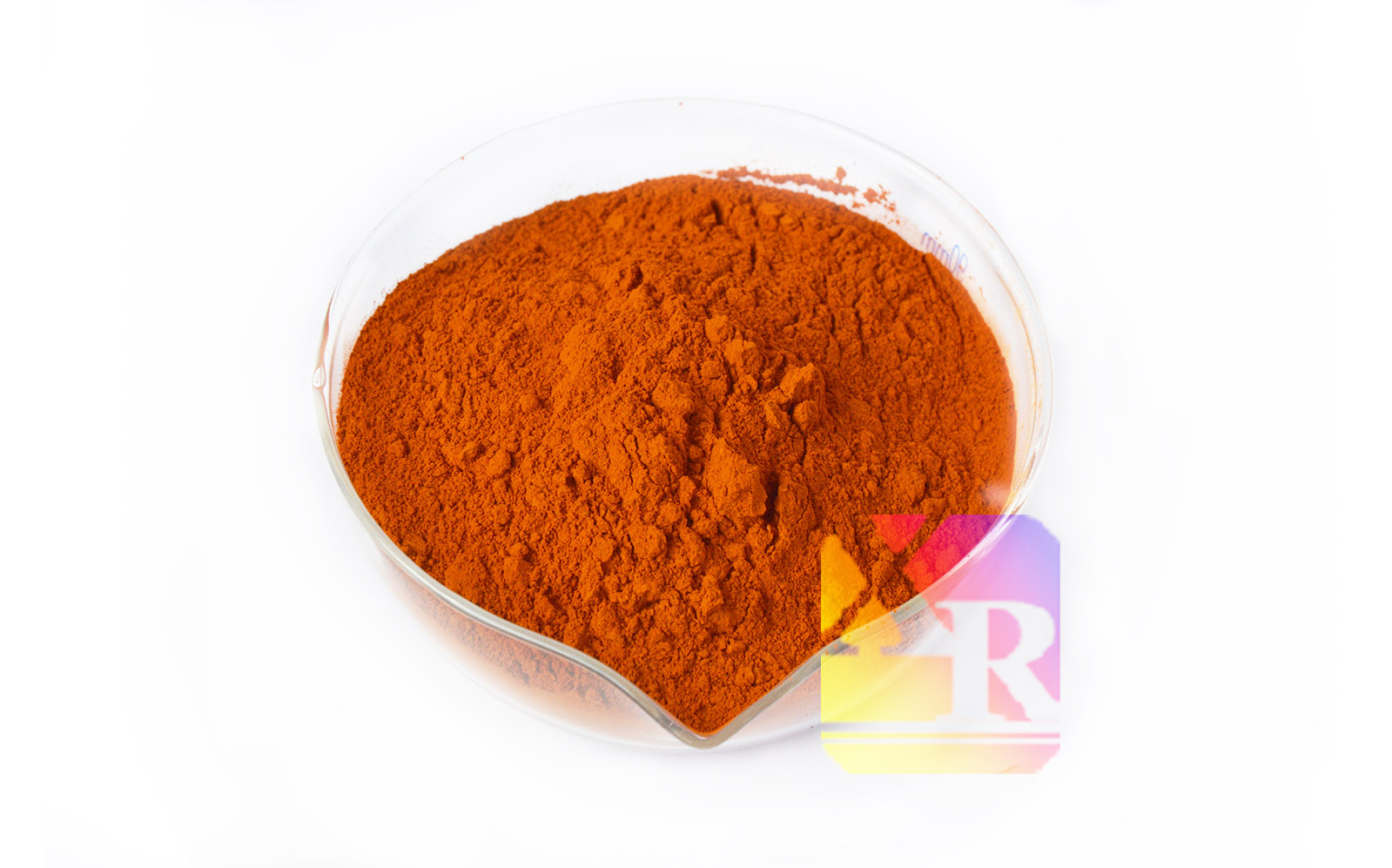
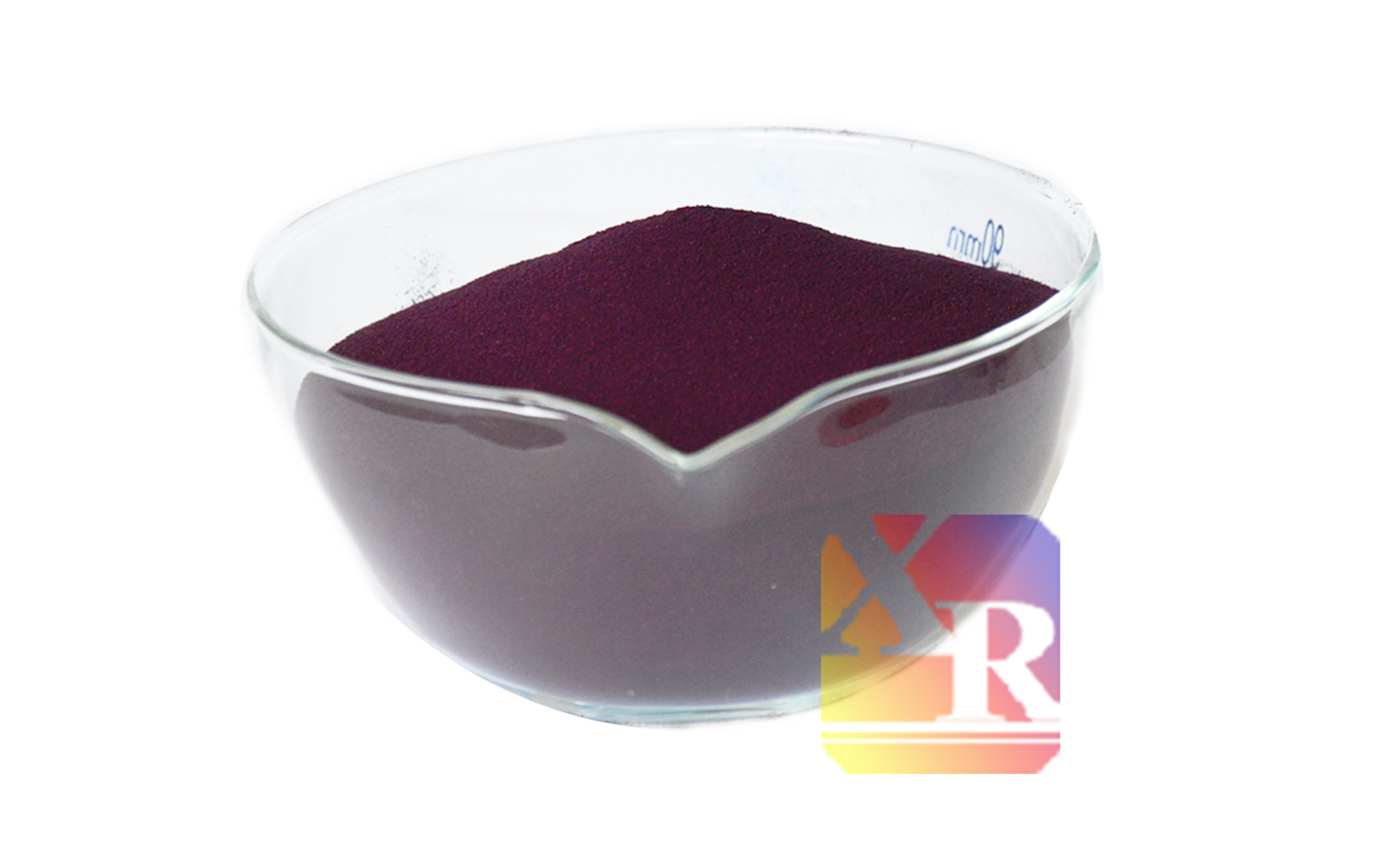
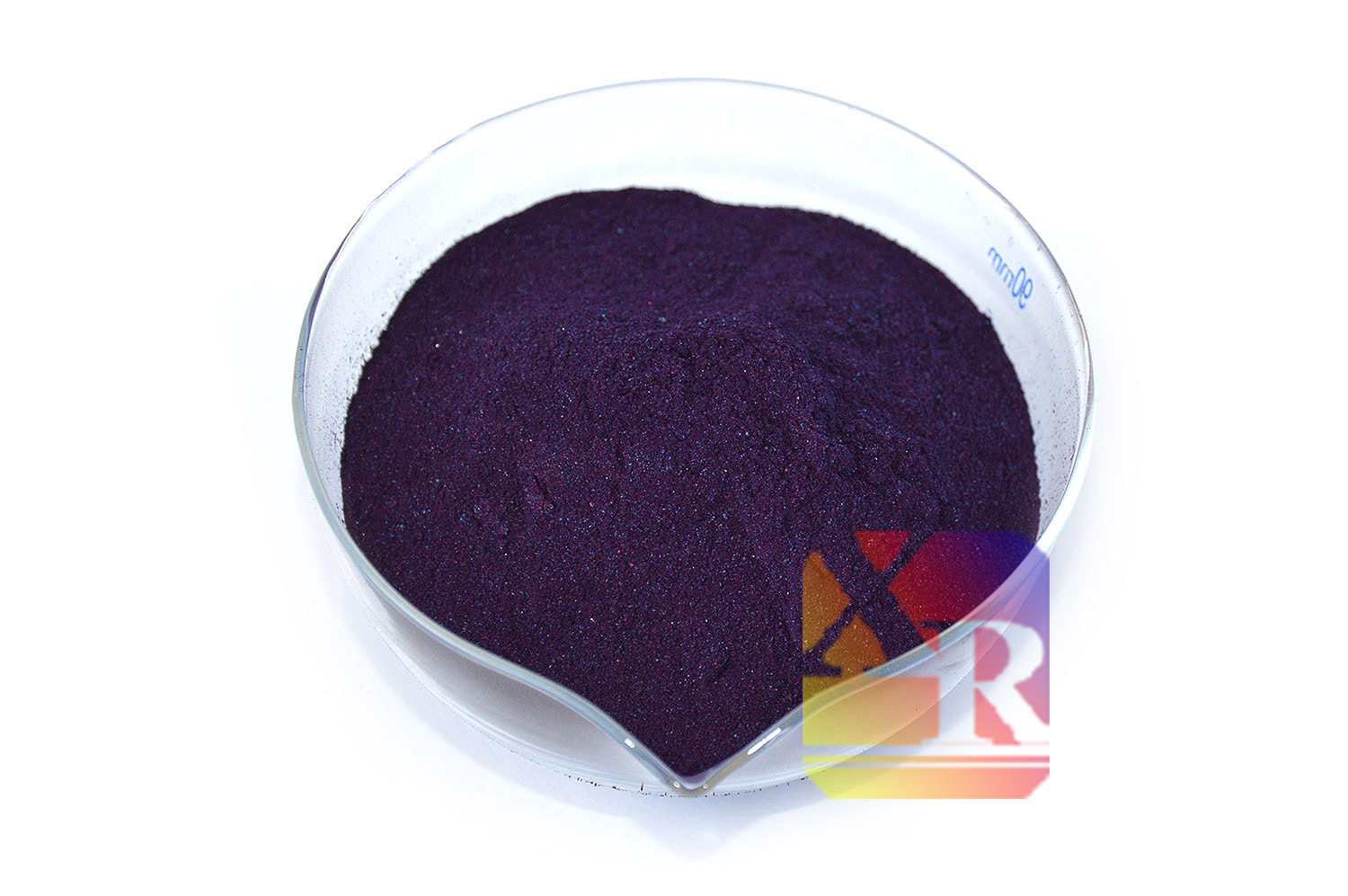
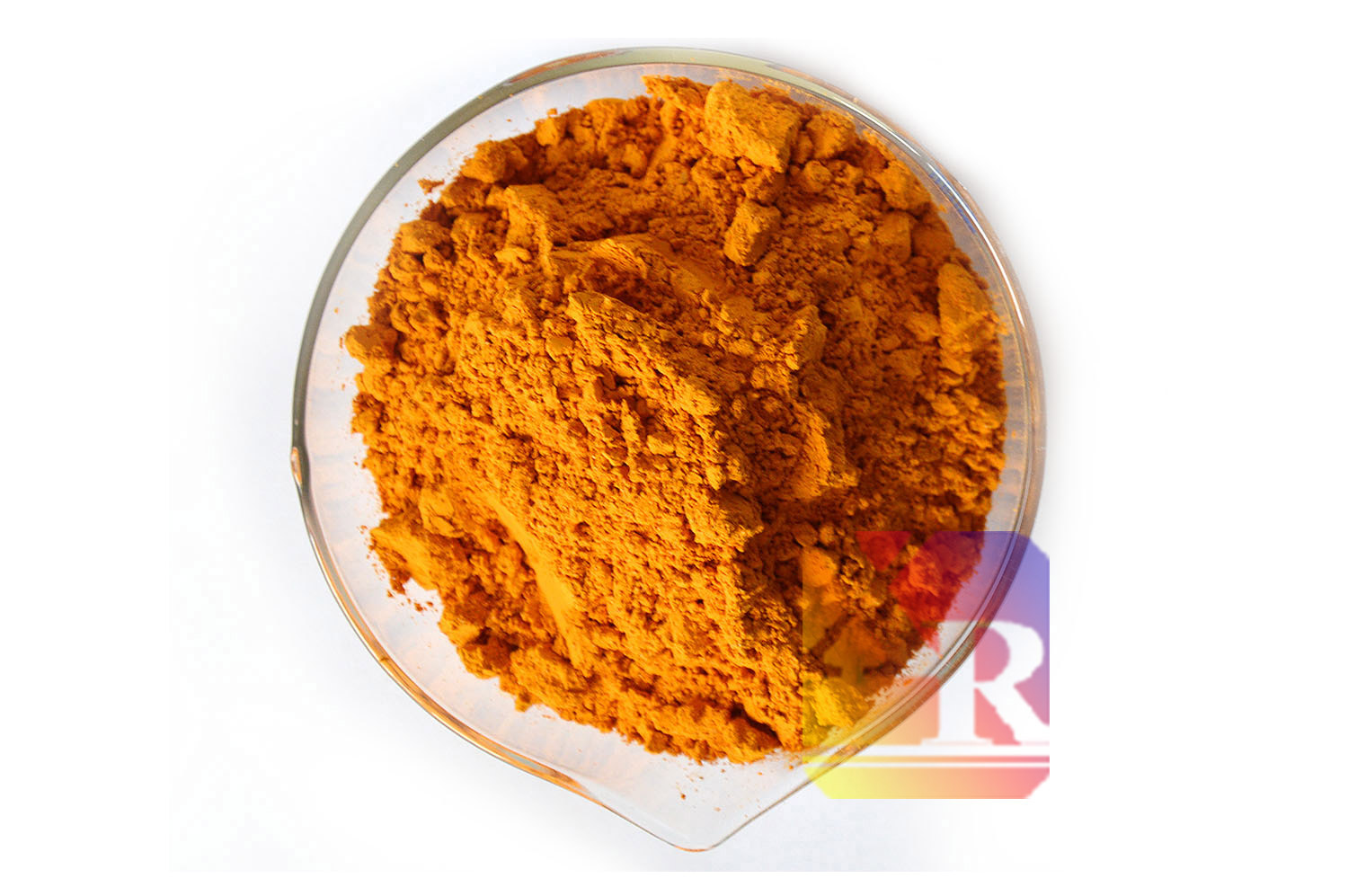
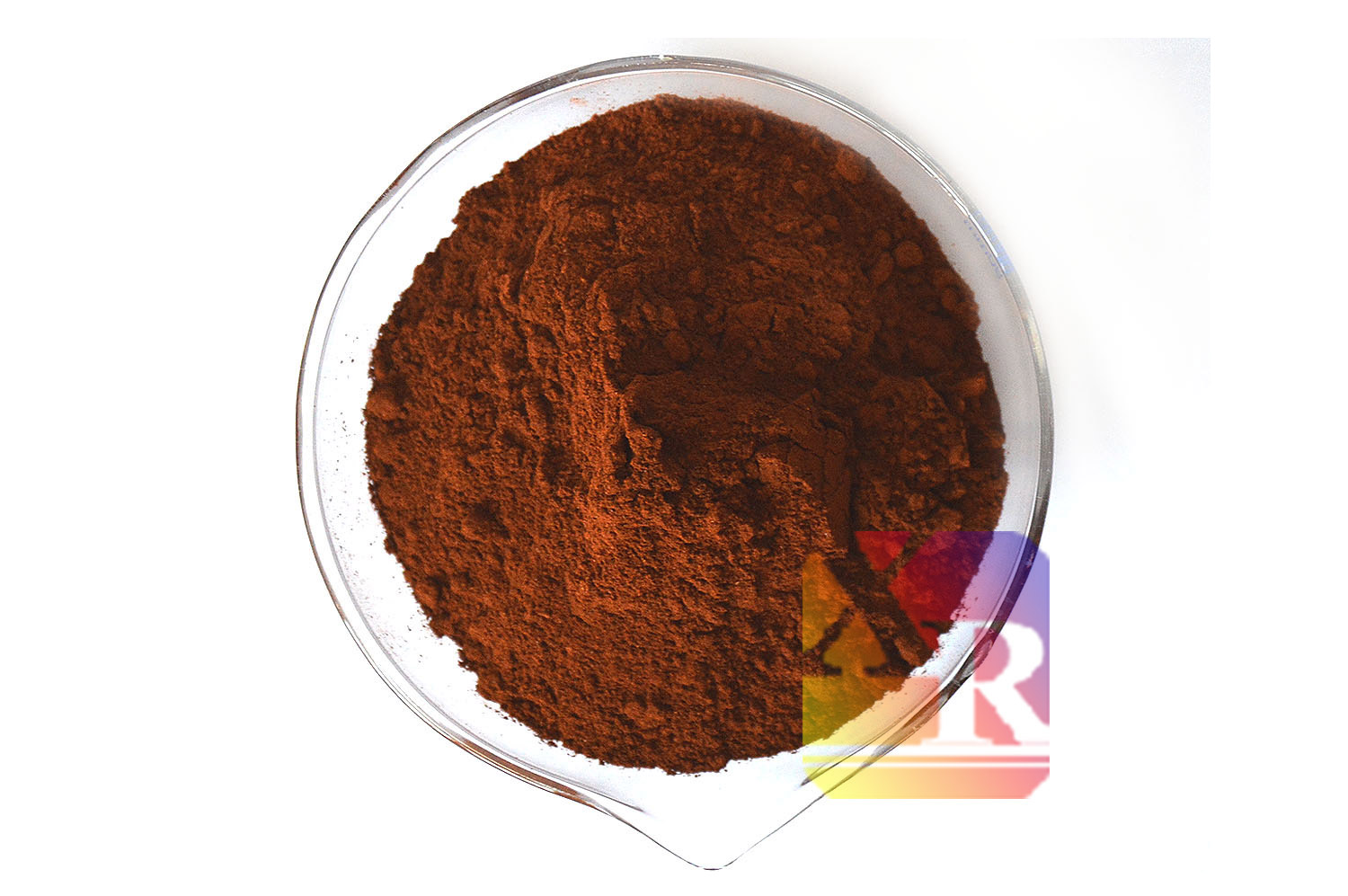
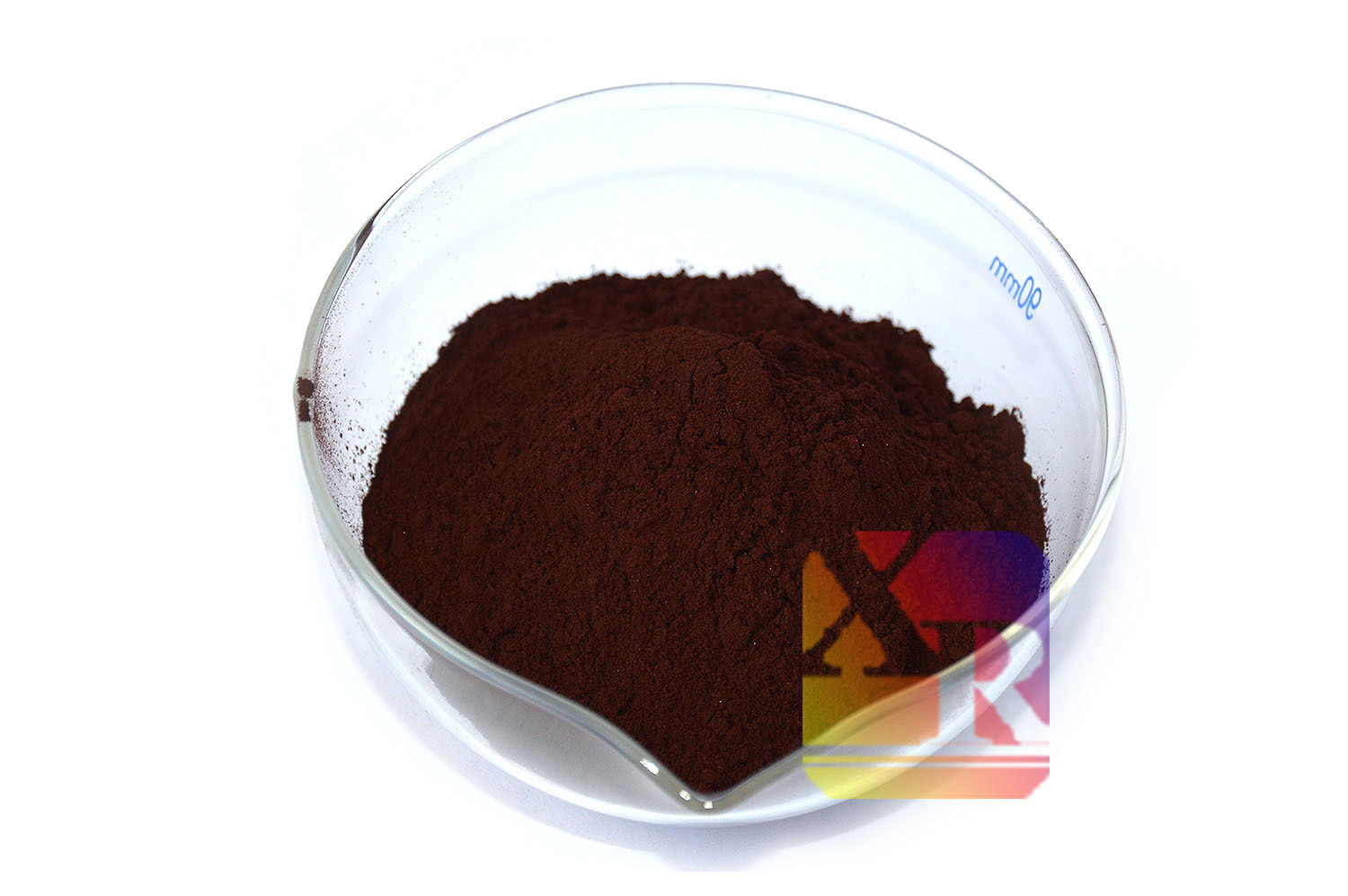
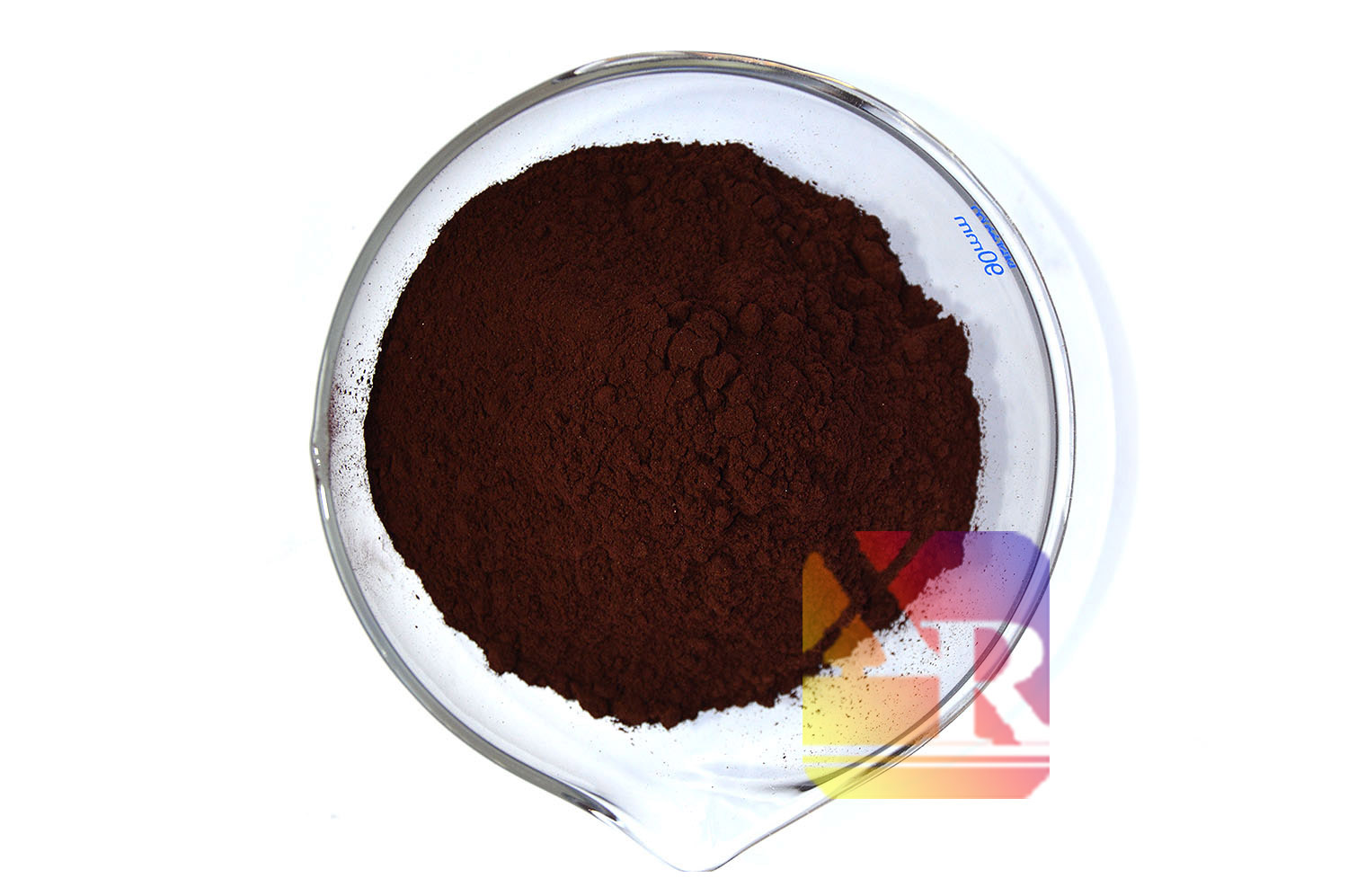
Appearance: Red powder
Product Characteristics
Acid Red B is a monoazo dye with a non-anthraquinone structure.
Basic Physicochemical Properties
1. Solubility
Acid Red B is readily soluble in both cold and hot water, forming a clear, bluish-red aqueous solution; it dissolves in ethanol to produce a red color; it is poorly soluble in acetone.
2. Solvent Color Reactions
Concentrated sulfuric acid: purple; upon dilution, a reddish precipitate forms.
Concentrated hydrochloric acid: red; may produce precipitation.
Sodium hydroxide solution: reddish-orange brown.
3. Stability
Stable in weakly acidic baths; tends to precipitate at pH < 4.5; the hue darkens when Acid Red 14 is dyed in presence of copper ions; iron ions have minimal effect on color tone.
4. Typical Quality Specifications
Moisture content: ≤5%
Water-insoluble matter: ≤1%
Color shade: Similar to standard—slight difference
Strength: 100–200 points
Dyeing Performance
1. Suitable dye bath: Strongly acidic conditions; for wool dyeing, recommended pH = 2–4, adjusted with sulfuric acid.
2. Dyeing temperature: Boiling dyeing at 90–98°C; slow heating rate required.
3. Levelness of Acid Red 14: Excellent; uniform color uptake with low risk of uneven staining.
4. Fastness properties (on wool substrate):
Lightfastness: 4–5 grades (moderate; not suitable for high lightfastness applications)
Washing fastness: 3–4 grades
Wet rubbing fastness: 3–4 grades
Disadvantages: Acid Red B has moderate wash fastness; deep shades may show slight fading after washing; prolonged exposure to light causes hue darkening.
Main Application Fields
1. Textile Printing & Dyeing: Used for dyeing wool, silk, nylon, and blended fabrics, as well as direct printing. Acid Red 14 cannot be used directly on pure cotton or polyester. It is often combined with Acid Lake Blue A and Acid Green B for color blending; after chrome mordanting, it produces a navy blue shade.
2. Industrial Coloring: Leather, electroplated aluminum, wood staining, and anodized aluminum coloring.
3. Other Industries: Industrial inks, incense coloring, paper products, soap, and pigment preparation using lake dyes.
The industrial-grade Acid Red B must not be used for food coloring. Food-grade azo-based "Jade Red" is a separate food additive specification; these two should never be mixed.
Advantages and Disadvantages
Advantages
1. Acid Red 14 exhibits excellent water solubility, rapid dissolution, and simple handling.
2. Produces a rich, vivid bluish-cherry red hue with broad color-mixing versatility.
3. Outstanding leveling performance, minimal batch-to-batch variation, and good reproducibility.
4. High cost-effectiveness, high dye uptake, and light-colored residual liquor.
Disadvantages
1. Moderate to low lightfastness and wet processing fastness; not recommended for high-fastness orders.
2. Copper ions in the dyeing environment can cause hue darkening; avoid using copper equipment in dye baths.
3. Solubility decreases under strongly acidic conditions; high-concentration dye solutions may precipitate at low temperatures.